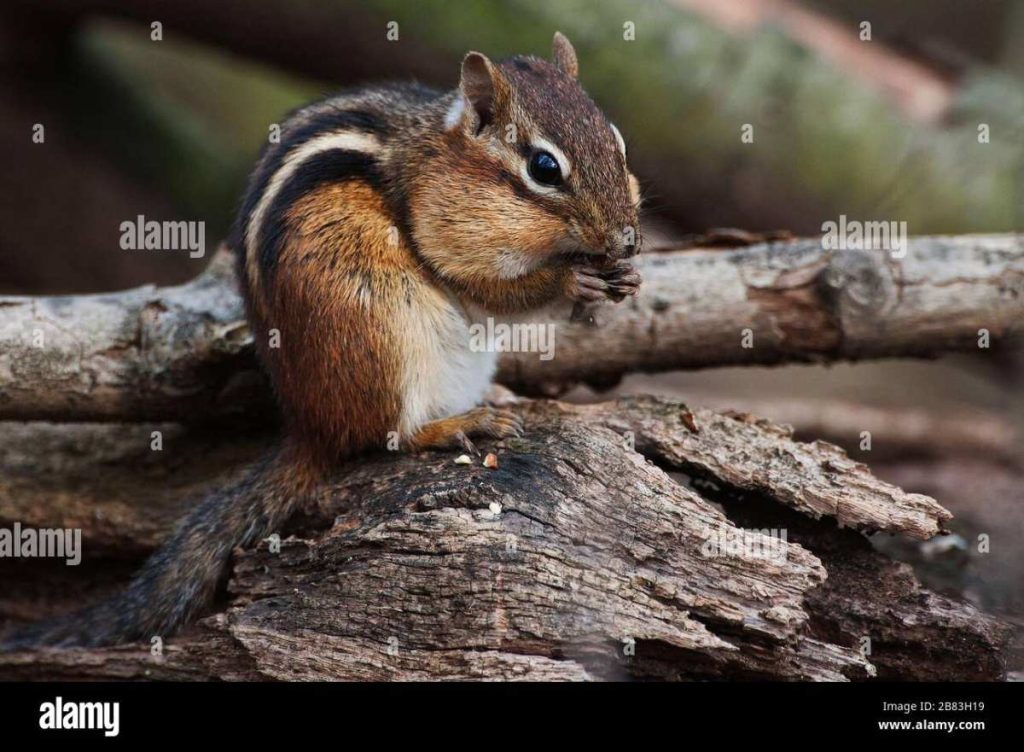
Do chipmunks eat grubs? Yes, they do, but the full picture is more interesting than a simple yes or no. Chipmunks are opportunistic omnivores, meaning they eat whatever's available and nutritious at the time.
Grubs and insect larvae make up a meaningful part of their diet during warmer months, though they're far from the only thing on the menu.
Research published in the Journal of Mammalogy shows that invertebrate material, including grubs, earthworms, and adult insects, can account for roughly 15 to 25 percent of an eastern chipmunk's diet by volume during summer. The rest is seeds, nuts, berries, fungi, and occasionally bird eggs or small vertebrates. Understanding this balance matters if you're trying to support backyard wildlife or figure out whether chipmunks are helping with pest problems in your yard.
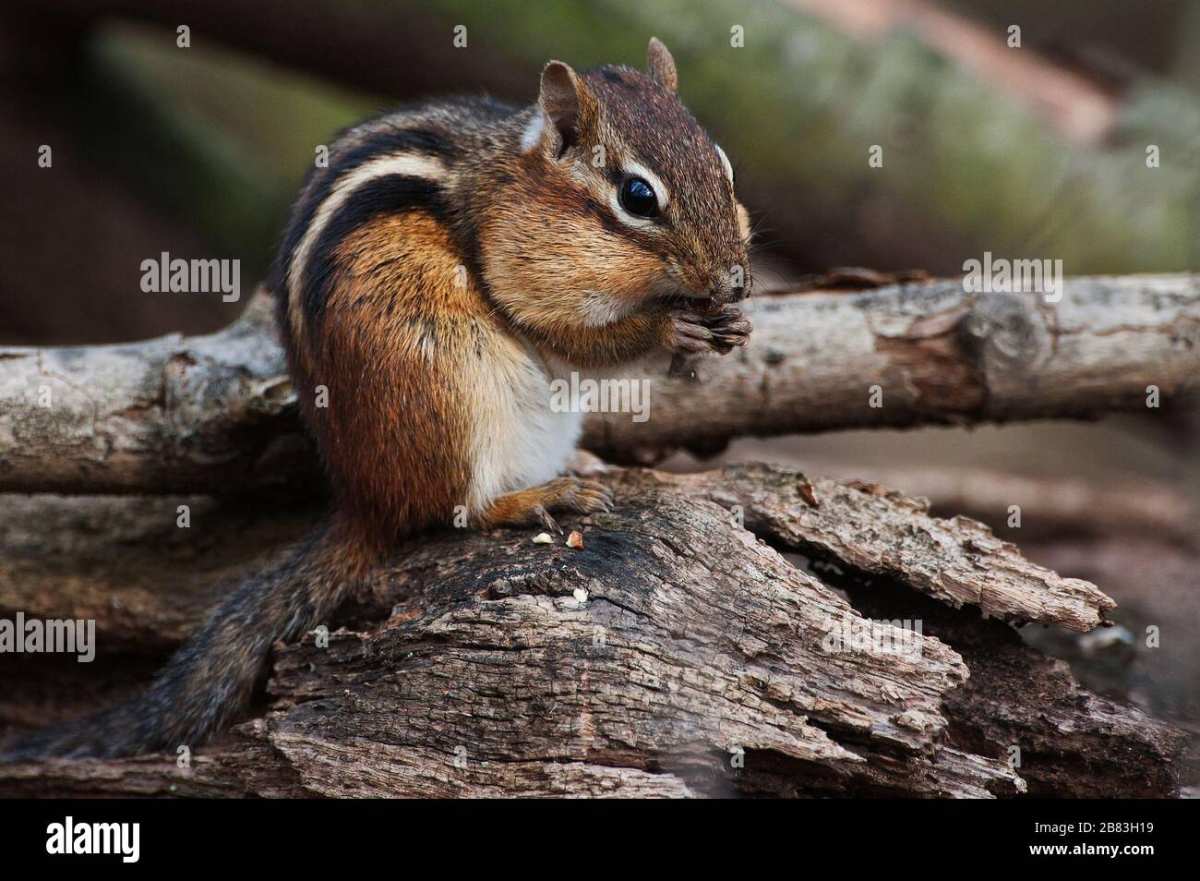
Image source: Bing (Web (fair-use with source credit))
Quick Answer
Yes, chipmunks eat grubs. They are opportunistic omnivores. Insects and larvae make up roughly 15 to 25 percent of their summer diet.
The rest is mostly seeds, nuts, berries, and fungi. Grubs become unavailable in winter, so chipmunks switch to cached food.
What Chipmunks Actually Eat From Spring Through Fall
Chipmunks don't stick to one food group. Their diet shifts constantly based on what's available in their environment. During spring and summer, when they're most active and raising young, they need more protein than what seeds alone can provide.
Here's what a typical warm-season chipmunk diet looks like:
- Seeds and nuts, the backbone of their diet, especially sunflower seeds, acorns, and beechnuts
- Berries and fruits, wild strawberries, raspberries, blueberries, and dogwood berries
- Fungi, including truffles and underground mushrooms they dig up
- Insects and grubs, beetle larvae, caterpillars, earthworms, and slugs
- Bird eggs and nestlings, occasionally, when the opportunity presents itself
- Small vertebrates, rarely, but they've been documented eating small frogs and snakes
The eastern chipmunk (Tamias striatus) is the most studied species in this regard, and its dietary flexibility is one reason it thrives across such a wide range, from southern Ontario down to northern Florida. Western species like the least chipmunk (Neotamias minimus) follow similar patterns, though their specific food sources vary by habitat.
What's worth noting is that chipmunks don't just eat and move on. They stuff their cheek pouches with food and carry it back to their burrows. A single chipmunk can transport dozens of seeds or several large grubs in one trip.
This hoarding behavior is central to how they survive.
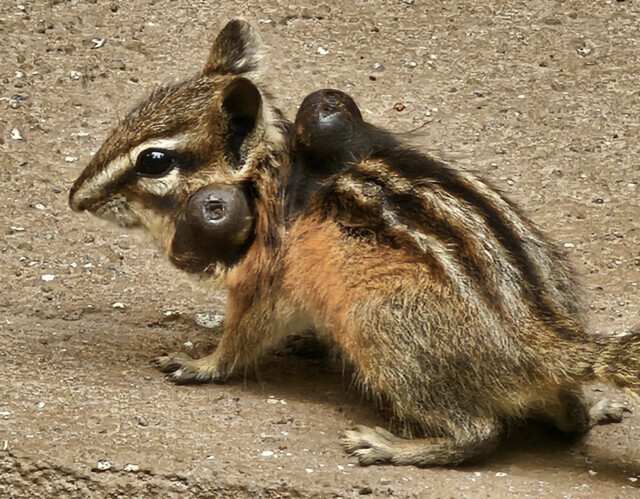
Image source: Bing (Web (fair-use with source credit))
How Much of a Chipmunk's Diet Are Grubs and Invertebrates?
The percentage varies by season, location, and species, but invertebrates consistently show up as a significant portion of chipmunk diets during active months. Studies analyzing stomach contents and feeding observations report insect and larvae consumption ranging from about 10 to 30 percent depending on the population and time of year.
Several factors influence how many grubs a chipmunk eats:
- Availability, if beetle larvae are abundant in the soil, chipmunks will dig for them more often
- Season, spring and early summer see the highest insect consumption, especially for nursing mothers who need extra protein
- Competition, in areas with high chipmunk density, individuals may rely more on insects when seed caches run low
- Age, juvenile chipmunks eat proportionally more insects than adults, likely because growing bodies need the protein
It's also worth understanding that chipmunks aren't specialized insect hunters like shrews or moles. They're generalists. A grub is a convenient, protein-rich snack they'll take when they find it, but they won't pass up an easy seed to go hunting for larvae.
This distinction matters if you're hoping chipmunks will control a grub problem in your lawn. They'll eat some, but they're not a reliable pest control solution.
Seasonal Shifts: Why Grubs Disappear From the Menu in Winter
Chipmunks don't hibernate the way groundhogs do. They enter a state called torpor, where they sleep for several days at a time and then wake up to eat from their cached food stores. This means they need a massive reserve of non-perishable food before winter sets in.
During fall, chipmunks shift almost entirely to gathering and storing seeds, nuts, and acorns. A single eastern chipmunk can cache between 5,000 and 10,000 seeds and nuts for winter. Grubs and insects don't store well, so they're essentially off the menu once temperatures drop and the ground hardens.
Here's how the seasonal breakdown looks:
| Season | Primary Food Sources | Insect/Grub Proportion |
|---|---|---|
| Spring (March–May) | Cached seeds, early insects, buds | 20–30% |
| Summer (June–August) | Seeds, berries, fungi, insects, grubs | 15–25% |
| Fall (September–November) | Seeds, nuts, acorns (heavy caching) | 5–10% |
| Winter (December–February) | Cached seeds and nuts from burrow stores | Near 0% |
This seasonal shift is one of the reasons you see chipmunks frantically running around with stuffed cheeks in September and October. They're not eating most of what they collect. They're banking it for the months when grubs and other fresh food simply won't be available.

Image source: Wikimedia Commons / Rhododendrites (CC BY-SA)
Which Grubs and Insects Do Chipmunks Target?
Chipmunks aren't picky, but they do show preferences based on size, ease of capture, and nutritional value. The grubs and insects they most commonly eat include:
- Beetle larvae (white grubs), the C-shaped larvae of Japanese beetles, June beetles, and European chafers, found in soil near plant roots
- Caterpillars, moth and caterpillar larvae found on leaves and in leaf litter
- Earthworms, especially after rain when they're near the surface
- Slugs and snails, common in damp, shaded areas
- Adult insects, grasshoppers, crickets, and beetles when encountered
- Ant larvae and pupae, raided from shallow nests
White grubs, the kind that damage lawns by feeding on grass roots, are definitely on the menu. Chipmunks dig shallowly in soil to find them, and a single grub provides a concentrated dose of fat and protein. However, chipmunks typically only dig a few centimeters deep, so they're accessing grubs near the surface rather than deep in the root zone.
It's also worth noting that chipmunks will eat bot fly larvae and other parasites when grooming, though this isn't a dietary choice so much as a hygiene behavior. The image above shows a chipmunk with a visible bot fly warble, a reminder that chipmunks themselves host parasites even as they consume other species' larvae.

Image source: Wikimedia Commons / Tim Gage (CC BY-SA)
The Risks of Feeding Wild Chipmunks Grubs Yourself
If you're thinking about collecting grubs from your garden and offering them to chipmunks, there are real risks to consider. Well-meaning feeding can cause more harm than good.
Pesticide contamination is the biggest concern. If you've treated your lawn with grub control products like imidacloprid or chlorantraniliprole, those chemicals accumulate in the larvae. A chipmunk eating contaminated grubs is ingesting concentrated pesticides, which can cause neurological damage or death.
Even organic treatments like milky spore can alter the nutritional profile of grubs in ways that aren't well studied.
Nutritional imbalance is another issue. Wild chipmunks have evolved to balance their own diets across dozens of food sources. When humans provide a single food type, even a natural one like grubs, the animals may overconsume it and miss out on other essential nutrients.
Captive chipmunks fed inappropriate diets frequently develop metabolic bone disease from calcium and phosphorus imbalances.
Dependency and behavioral changes happen faster than most people expect. Chipmunks that learn to associate humans with easy food become bolder, spend less time foraging naturally, and may lose some of their survival skills. This puts them at higher risk from predators, vehicles, and harsh weather.
Disease transmission goes both ways. Chipmunks can carry leptospirosis, hantavirus, and sylvatic plague. Handling them or their food sources without proper precautions puts you at risk.
They're also susceptible to diseases from human food handling, including bacterial contamination from unwashed hands or contaminated containers.
The safest approach is to support chipmunks by maintaining a diverse, pesticide-free habitat with native plants, fallen logs, and natural ground cover. Let them find their own grubs. They're remarkably good at it.
Do Chipmunks Actually Help Control Lawn Grub Problems?
This is one of the most common questions homeowners ask, and the honest answer is: not really. Chipmunks will eat white grubs when they encounter them, but their impact on grub populations is minimal compared to other factors.
A severe lawn grub infestation can involve 10 to 20 or more grubs per square foot. That's tens of thousands of larvae across a typical suburban lawn. Even a busy chipmunk family would make only a tiny dent in those numbers.
Their shallow digging might bring a few to the surface, but they're not systematically hunting through your turf.
More effective natural grub control comes from:
- Ground beetles, these are specialized predators that actively hunt grubs in soil
- Parasitic wasps, species like Tiphia vernalis target Japanese beetle larvae specifically
- Milky spore disease (Paenibacillus popilliae), a naturally occurring bacterium that infects and kills Japanese beetle grubs
- Beneficial nematodes, Heterorhabditis bacteriophora nematodes seek out and kill grubs in the root zone
- Healthy soil biology, diverse microbial communities naturally suppress grub populations
Chipmunks are part of the ecosystem, and their grub-eating is a small piece of the puzzle. But if you've got a real lawn damage problem, relying on them will leave you disappointed. Focus on building soil health and encouraging the predators that actually specialize in grub control.
Safer Ways to Support Chipmunk-Friendly Backyards
If you enjoy having chipmunks around and want to support them without the risks of direct feeding, there are several effective strategies.
Plant native seed producers. Oak trees, sunflowers, wild columbine, and native grasses all provide natural food sources that chipmunks have evolved to eat. A yard with diverse native plants supports chipmunks far better than a bird feeder full of peanuts.
Leave leaf litter in place. Fallen leaves create habitat for insects, grubs, and fungi that chipmunks forage through. Raking everything clean removes a major food source and exposes the soil to erosion.
Avoid pesticides entirely. This is the single most impactful step. Chemical grub treatments, herbicides, and insecticides all reduce the food available to chipmunks and can poison them directly. A slightly imperfect lawn is a small price for a functioning ecosystem.
Provide natural shelter. Brush piles, stone walls, and fallen logs give chipmunks cover from predators and nesting material. They don't need a fancy house. They need structure and hiding spots.
Keep cats indoors. Free-roaming domestic cats are one of the leading causes of chipmunk mortality in suburban areas. Even well-fed cats hunt instinctively, and chipmunks are easy targets.
These steps create an environment where chipmunks can thrive on their own terms, eating the grubs and insects they naturally find without human interference.
What Wildlife Rehabilitators Feed Insectivorous Mammals
Wildlife rehabilitators sometimes care for injured or orphaned chipmunks, and their feeding protocols offer insight into what these animals need nutritionally. Licensed rehabilitators follow guidelines from organizations like the National Wildlife Rehabilitators Association and state wildlife agencies.
For juvenile chipmunks, rehabilitators typically provide:
- Insectivore diet, commercially prepared formulas like Mazuri Insectivore Diet or Emeraid Carnivore, designed to mimic the nutritional profile of natural insect prey
- Live insects, mealworms, crickets, and waxworms offered in controlled quantities
- Soft fruits and vegetables, small amounts of sweet potato, berries, and leafy greens
- Rodent blocks, for older juveniles transitioning to adult diets
Adult chipmunks in rehabilitation are transitioned quickly to a diet heavy in seeds, nuts, and rodent blocks, with insects offered as a supplement rather than a staple. The goal is always to prepare the animal for release, which means teaching it to recognize and process wild food sources.
It's important to note that keeping a chipmunk without a wildlife rehabilitation permit is illegal in most U.S. states and many other countries. If you find an injured or orphaned chipmunk, contact your state wildlife agency or a licensed rehabilitator rather than attempting to care for it yourself.
Legal and Health Considerations Around Handling Wild Chipmunks
Before you get too hands-on with your local chipmunks, understand the legal and health landscape.
Legal restrictions vary by location. In Massachusetts, for example, it's illegal to keep native wildlife as pets without a permit. California classifies chipmunks as restricted species, and several European countries regulate or prohibit keeping them.
Even feeding wildlife is restricted in some national parks and municipalities where disease transmission is a concern.
Health risks are real but often overstated. Chipmunks are not major rabies vectors, according to the CDC. The bigger concerns are leptospirosis (spread through urine-contaminated water or soil), tularemia (from handling infected animals), and various parasites including ticks that carry Lyme disease.
Basic precautions like wearing gloves, washing hands thoroughly, and avoiding direct contact minimize these risks.
Zoonotic disease transmission is rare but documented. A 2019 review in the Journal of Veterinary Science noted that chipmunks can carry Yersinia pestis (the bacterium that causes plague) in western U.S. populations, particularly in areas where plague is endemic in prairie dog colonies. This is primarily a concern for people handling dead animals or working in endemic areas.
The bottom line: observe chipmunks, appreciate them, and support their habitat. But treat them as wild animals, not pets or garden accessories.
Common Myths About Chipmunk Diets — Debunked
Myth: Chipmunks only eat seeds and nuts.
Reality: They're omnivores. Insects, grubs, berries, fungi, and even small vertebrates all feature in their diet. Seeds are the staple, not the whole story.
Myth: Chipmunks hibernate all winter.
Reality: They enter torpor and wake periodically to eat cached food. They don't put on fat reserves like true hibernators. Their survival depends entirely on the seeds and nuts they stored in fall.
Myth: Feeding chipmunks peanuts is harmless.
Reality: Peanuts are low in calcium and can contribute to metabolic bone disease if they make up too large a portion of the diet. Moldy peanuts can also contain aflatoxins, which are dangerous to small mammals.
Myth: Chipmunks are major garden pests.
Reality: They do dig small holes and occasionally eat bulbs or seedlings, but their impact is minor compared to their role in seed dispersal and insect consumption. Most garden "damage" attributed to chipmunks is actually caused by voles or squirrels.
Myth: Chipmunks will control your grub problem.
Reality: They eat some grubs, but not enough to make a measurable difference in a serious infestation. Specialized predators and soil treatments are far more effective.
Frequently Asked Questions
Do chipmunks eat grubs in the wild?
Yes, chipmunks eat grubs in the wild. Beetle larvae, caterpillars, and earthworms are all part of their natural diet during spring and summer. They dig shallowly in soil and leaf litter to find them.
Can I feed grubs to chipmunks in my yard?
You can, but it's not recommended. Grubs from treated lawns may contain pesticides that harm chipmunks. Feeding wild animals also creates dependency and nutritional imbalances.
Let them forage naturally instead.
What percentage of a chipmunk's diet is insects?
Insects and grubs make up roughly 15 to 25 percent of an eastern chipmunk's diet during summer months. The proportion drops to near zero in winter when they rely on cached seeds and nuts.
Do chipmunks eat Japanese beetle grubs?
Yes, chipmunks will eat Japanese beetle grubs when they find them in soil. However, their impact on Japanese beetle populations is minimal. They're not a reliable form of biological control for this pest.
Is it legal to keep a chipmunk as a pet?
In most U.S. states, keeping a native chipmunk as a pet requires a wildlife rehabilitation or exotic animal permit. Several states and countries prohibit it entirely. Check with your state wildlife agency before attempting to keep one.
Do chipmunks carry diseases that affect humans?
Chipmunks can carry leptospirosis, tularemia, and parasites like ticks. Rabies is extremely rare in chipmunks. The risk is low with basic precautions like handwashing and avoiding direct contact.
Final Takeaway: Let Nature Handle the Menu
Chipmunks eat grubs, and that's exactly how it should work. They're well-equipped to find their own protein sources during the months when larvae are available in soil and leaf litter. Your best role is creating the conditions where they can do what they've evolved to do.
A pesticide-free yard with native plants, leaf litter, and natural ground cover gives chipmunks everything they need. They'll eat some grubs, disperse some seeds, and aerate your soil with their shallow digging. That's the deal, and it's a good one for both sides.
Skip the hand-feeding. Skip the grub collection. Just give them habitat, and they'll take care of the rest.
Frequently Asked Questions
Do chipmunks eat grubs in the wild?
Yes, chipmunks eat grubs in the wild. Beetle larvae, caterpillars, and earthworms are all part of their natural diet during spring and summer. They dig shallowly in soil and leaf litter to find them.
Can I feed grubs to chipmunks in my yard?
You can, but it's not recommended. Grubs from treated lawns may contain pesticides that harm chipmunks. Feeding wild animals also creates dependency and nutritional imbalances.
Let them forage naturally instead.
What percentage of a chipmunk's diet is insects?
Insects and grubs make up roughly 15 to 25 percent of an eastern chipmunk's diet during summer months. The proportion drops to near zero in winter when they rely on cached seeds and nuts.
Do chipmunks eat Japanese beetle grubs?
Yes, chipmunks will eat Japanese beetle grubs when they find them in soil. However, their impact on Japanese beetle populations is minimal. They're not a reliable form of biological control for this pest.
Is it legal to keep a chipmunk as a pet?
In most U.S. states, keeping a native chipmunk as a pet requires a wildlife rehabilitation or exotic animal permit. Several states and countries prohibit it entirely. Check with your state wildlife agency before attempting to keep one.
Do chipmunks carry diseases that affect humans?
Chipmunks can carry leptospirosis, tularemia, and parasites like ticks. Rabies is extremely rare in chipmunks. The risk is low with basic precautions like handwashing and avoiding direct contact.