Do chickens eat grubs? Absolutely. It's one of the most natural things a chicken will do, and it's a behavior deeply rooted in their biology and foraging instincts.
Chickens are omnivorous ground-feeders that evolved eating a varied diet rich in insects, and grubs sit near the top of their preferred prey list.
This simple "yes" answer, though, doesn't capture the full picture. The type of grub your chickens find matters enormously for their health, as does the environment where those grubs develop. A grub pulled from healthy, untreated soil presents a very different scenario than one raised in chemically treated lawn.
Most commercially available insect protein supplements, including dried mealworms and black soldier fly larvae (Hermetia illucens) products, now clearly state their guaranteed protein and fat percentages on packaging, which tells you just how seriously the industry takes nutritional precision for poultry. Understanding these distinctions will help you make smarter decisions about what your flock eats and where they're allowed to forage.
Quick Answer
Yes, chickens eat grubs eagerly and safely in most cases. Grubs provide excellent natural protein. Some grub varieties carry pesticide residue or parasites.
Identify what your chickens are eating before letting them forage freely in unknown areas.
Why Chickens Are Hardwired to Hunt Grubs
Chickens are natural omnivores. Their wild ancestors, the red junglefowl of Southeast Asia, survived by scratching through leaf litter, soil, and decomposing matter to find whatever protein they could uncover. Modern backyard chickens haven't lost a single one of those instincts.
When you watch a chicken scratch at the ground, you're seeing millions of years of evolved behavior in action. They're not randomly digging. They're listening and feeling for movement beneath the surface, targeting exactly the soft-bodied larvae that provide the best nutrition for the least effort.
Grubs hit every biological target chickens are looking for:
Protein density. grubs typically contain between 40 and 60 percent protein by dry weight. That's a significant boost, especially for laying hens whose daily protein requirement sits around 16 to 18 percent of total dietary intake.
High digestibility. soft-bodied larvae are far easier for chickens to break down than plant fiber or hard-shelled insects. The protein gets absorbed efficiently, translating into better feather condition, stronger eggshells, and consistent laying.
Familiar flavor profile. chickens have taste preferences formed over millennia. The scent and texture of a grub triggers an immediate feeding response. Most backyard keepers will tell you that the second a chicken spots a grub, it's a race between birds to claim it.
Fat and energy. grubs are calorie-dense. For a free-range chicken that's burning energy scratching, pecking, and staying warm, that concentrated energy source matters more than many people realize.
Foraging enrichment. hunting grubs provides mental stimulation. Chickens confined to a run with nothing but commercial feed often develop behavioral issues like feather pecking. Allowing natural foraging behavior, including grub-hunting, keeps them occupied and content.
The instinct isn't optional. It's fundamental. A chicken that never gets to hunt, scratch, and forage for live prey is a chicken that's missing a core behavioral need, even if its physical nutritional needs are technically being met by manufactured feed.
What this means for your management approach is straightforward: encouraging safe, supervised grub access is genuinely good for your flock's wellbeing, not just a nice bonus.

Image source: Wikimedia Commons / U.S. Department of Agriculture
Not All Grubs Are Created Equal: Safe vs Risky Varieties
The word "grub" is frustratingly broad. It technically refers to the larval stage of beetles in the order Coleoptera, but in backyard chicken keeping it gets used to describe almost any soft-bodied, pale, crescent-shaped larvae people find in soil or compost. That imprecision matters because different grub species carry different risk profiles.
Generally safe grubs your chickens will encounter or that you can purchase:
| Grub / Larvae Type | Source | Protein (%) | Fat (%) | Notes |
|---|---|---|---|---|
| Mealworms (Tenebrio molitor) | Darkling beetles | ~50 | ~30 | Most common purchased supplement; safe for all ages |
| Superworms (Zophobas morio) | Zophobas beetles | ~45 | ~35 | Larger, higher fat; best as occasional treat |
| Black soldier fly larvae (Hermetia illucens) | Soldier flies | ~42 | ~35 | Highly digestible; excellent amino acid profile |
| White grubs (family Scarabaeidae) | June beetles, chafers | ~55 | ~20 | Common lawn grubs; nutritious and safe |
| Wax moth larvae (Galleria mellonella) | Wax moths | ~35 | ~55 | Extremely high fat; sparing use only |
| Earthworms (not true grubs, but often lumped together) | Soil-dwelling annelids | ~60 | ~8 | Excellent protein; chickens hunt these constantly |
These are all safe when sourced from clean environments. Your chickens will consume any of them without issue, and the nutritional variation between species gives you flexibility in how you supplement their diet.
Grubs that require caution or avoidance:
Grubs from chemically treated lawns. this is the single biggest risk most backyard keepers overlook. If you've applied pesticides, herbicides, or synthetic fertilizers to your lawn or garden, grubs living in that soil can carry residue. Organophosphate and neonicotinoid compounds don't disappear just because the dirt looks clean. Chickens eating contaminated grubs are essentially concentrating those chemicals into their system. The effects might not show immediately, but chronic exposure can impact liver function and egg quality.
Grubs from unknown compost sources. if your compost pile contains meat scraps, dairy, pet waste, or diseased plant material, the grubs feeding on that substrate aren't ideal. They can harbor pathogenic bacteria like Salmonella or E. coli, potentially exposing your flock to illness.
Large or hard-bodied grubs for baby chicks. chicks under 8 weeks can struggle with grubs that are too large or have tough exoskeletons. Impaction risk is real. Stick to small, soft grubs or crumbled dried options until their digestive systems mature.
Parasite-carrying grubs. more on this in the next section, but worth noting here: some grub species act as intermediate hosts for poultry parasites. The grub itself isn't harmful, but the organisms living inside it definitely are.
The practical takeaway is simple. Know where your chickens are foraging and what's been applied to that soil. If you can't verify a clean environment, purchased grubs from reputable suppliers are the safer route.

Image source: iNaturalist / Irene
The Parasite Problem Nobody Warns You About
Here's where the cheerful narrative about chickens happily eating grubs meets an uncomfortable reality. Some common grub species serve as intermediate hosts for internal parasites, specifically roundworms (Ascaridia galli) and various tapeworms (Raillietina species) that infect poultry.
The lifecycle works like this. An infected chicken sheds parasite eggs in its droppings. Those eggs end up in soil.
A grub in that soil swallows or becomes contaminated with those eggs. The parasite develops inside the grub. Your chicken eats the grub.
The parasite matures inside the chicken. The cycle repeats.
This doesn't mean grubs are dangerous or that you should prevent your chickens from eating them entirely. It means that zero management around free-range grub consumption creates conditions for parasite loads to build over time, potentially causing significant health problems in your flock.
Warning signs your chickens may carry a heavy parasite burden from grubs or other sources:
- Gradual weight loss despite normal appetite
- Pale comb and wattles (anemia)
- Loose or diarrhea-like droppings
- Visible worms in droppings
- Reduced egg production without an obvious cause
- Rough, dull feather condition
- Lethargy or decreased foraging interest
- Failure to thrive in growing birds
Parasite management strategies that actually work:
1. Rotate your foraging areas. keeping chickens on the same ground year-round is the fastest path to heavy parasite loads. If you can rotate pasture sections every few months, you break the lifecycle by allowing contaminated soil time to recover.
Even small backyard setups benefit from moving a portable run periodically.
2. Maintain a scheduled deworming protocol. most poultry veterinarians recommend deworming free-range flocks every 3 to 6 months. The exact frequency depends on your soil type, climate, and flock density.
Wet, warm regions with heavy clay soil tend to harbor parasites longer than dry, sandy environments.
3. Keep coop bedding clean and dry. parasites spread through fecal contamination. Regularly removing soiled bedding and replacing it with fresh material significantly reduces re-infection rates when chickens return to the coop at night.
4. Test rather than guess. many extension offices and veterinary labs offer fecal float tests for around $15 to $30. This simple test tells you exactly what parasite species are present and at what concentration.
Guessing based on visible symptoms alone often leads to improper treatment.
5. Avoid feeding raw grubs from unknown sources without freezing. for home-raised insects this isn't an issue, but wild-harvested grubs should be frozen for at least 48 hours before feeding. Freezing kills many parasite eggs that might be present inside the grub's body.
The parasite risk around grubs is entirely manageable if you're aware of it and take basic precautions. The real danger comes from chicken keepers who assume nature handles everything perfectly and never monitor their flock's health.
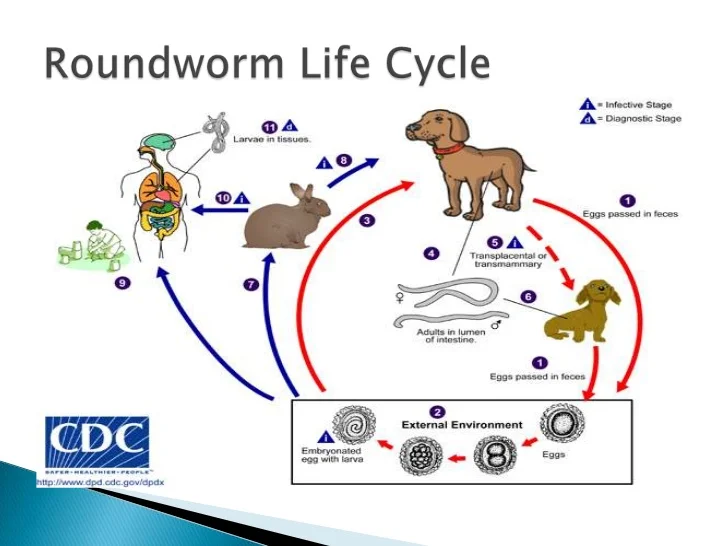
Image source: Bing (Web (fair-use with source credit))
Feeding Grubs to Your Flock: Live, Dried, or Home-Raised?
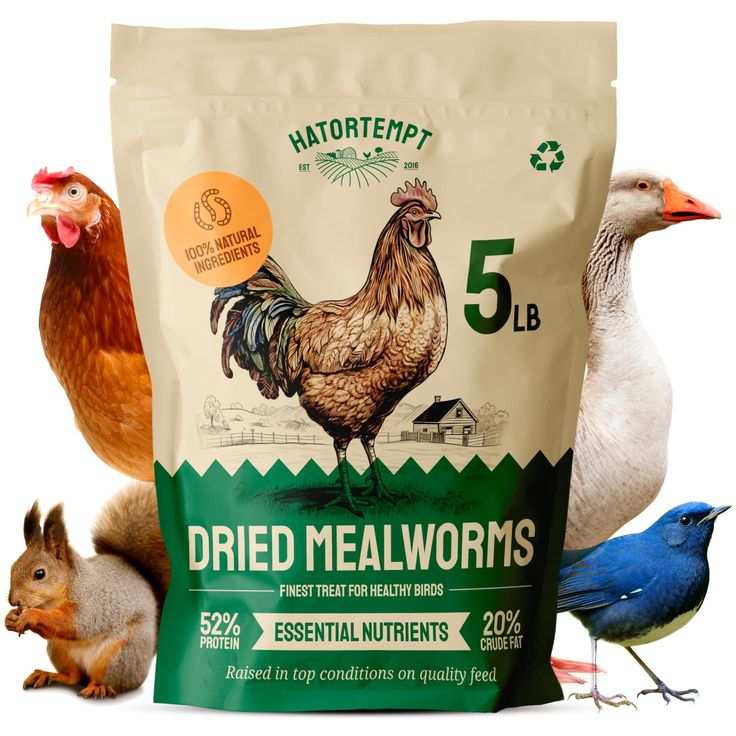
Image source: Bing (Web (fair-use with source credit))
You don't have to rely solely on what your chickens find on their own. Purchasing or raising grubs as a deliberate supplement gives you more control over quality, quantity, and your birds' overall nutrition. Here's how the main options stack up.
Dried mealworms
These are the most accessible option and the one most backyard keepers start with. You can find 1-pound bags at most farm supply stores for roughly $10 to $20, or buy in bulk (10 to 50 pounds) online for a lower per-pound cost.
Pros:
- Shelf-stable for months when kept dry
- Easy to store and portion out
- No mess, no maintenance
- Chickens love them and go into a feeding frenzy when they see the container
- Available year-round regardless of season
Cons:
- Lower moisture content than live grubs (around 5 to 8 percent versus 60 to 70 percent in live insects)
- More expensive per unit of protein compared to raising your own
- Some brands vary in quality; dust content and broken pieces can be high in cheaper options
- Chickens may overindulge if you're not careful about portioning
Live mealworms
Suppliers ship these in containers with bran or oats as bedding. You store them in a cool area, ideally a refrigerator set to around 45 to 65 degrees Fahrenheit, which slows down their growth and prevents pupation.
Pros:
- The movement drives chickens into a true hunting frenzy, which provides behavioral enrichment
- Natural moisture content encourages hydration
- You can gut-load them (feed them nutritious foods before offering them to chickens) to increase their vitamin content
- Less expensive per worm than buying dried, if you order in bulk
Cons:
- Require active storage and maintenance
- Have a limited lifespan in the container before they pupate into beetles
- Shipping can kill a portion of the order, especially in extreme temperatures
- More expensive than raising your own colony
Black soldier fly larvae (BSFL) home-raising
This is the option gaining the most momentum among serious backyard poultry keepers. Black soldier fly larvae are nutritional powerhouses with an amino acid profile that rivals fish meal, and they can be raised in compact systems using everyday food scraps.
Pros:
- Exceptionally efficient at converting food waste to protein
- Self-harvesting designs exist that direct mature larvae out of the bin automatically
- High calcium content compared to mealworms (calcium:phosphorus ratio is near 2:1)
- Can be fed live, dried, or frozen
- Very low startup cost for a basic bin
Cons:
- Adult soldier flies need warmth to breed, so maintenance slows significantly in cold climates during winter
- The cultural stigma around "fly farms" turns some neighbors off if located close to property lines
- Takes initial setup time to establish a productive colony
- Not legal in every municipality for food waste processing; check local zoning if scaling up
Superworms
These are larger than mealworms with a higher fat content. They're best used as an occasional treat rather than a daily supplement, especially for smaller breeds or birds that tend toward obesity.
A good rule across all options: treats, including any form of grubs, should constitute no more than 10 percent of your flock's total daily intake. Quality layer feed with 16 to 18 percent protein should remain the dietary foundation. Grubs round things out nicely, but they shouldn't replace balanced commercial nutrition designed for laying hens.
What Happens When Chickens Eat Grubs From Treated Soil
This deserves its own focus because it's the most easily overlooked risk in backyard poultry keeping. The grubs themselves aren't the problem in this scenario. It's what's inside them, or more accurately, what they've been feeding on.
When synthetic chemicals get applied to lawns and gardens, they don't stay neatly confined. Pesticides like imidacloprid and chlorantranilopride persist in soil for months. Herbicides like 2,4-D and glyphosate bind to organic matter.
Soil-dwelling grubs ingest plant roots and decaying matter that may contain these residues.
Chickens eating grubs from treated soil are essentially consuming concentrated doses of whatever chemicals are present. A single grub might contain trace amounts, but chickens eat dozens per day during active foraging. Those trace amounts add up.
Practical guidance for treated areas:
Wait the full post-application interval. most lawn care products specify a waiting period before allowing pets or livestock onto treated grass. Treat that timeline as a minimum for chickens, not a suggestion. Some extensions recommend waiting twice the stated interval for food-producing animals.
Identify what's been applied. if you've just moved into a new property and don't know what previous owners treated with, assume the worst. Have your soil tested through your county extension office for common pesticide residues. Tests typically cost between $20 and $75 depending on what you screen for.
Create a buffer zone. designate a specific area for free-range foraging that you know is untreated. Raised beds with clean soil, a dedicated chicken garden, or a mulched area away from previously sprayed zones all work well.
Watch for symptoms of chemical exposure. neurological signs like tremors, excessive salivation, uncoordinated movement, or sudden death after access to a specific foraging area warrant immediate veterinary attention. Document everything and bring soil or grub samples to your vet if possible.
Don't forget neighboring properties. chemical drift from adjacent lawn treatments affects your soil too, especially in suburban settings where property lines are close. Heavy rain can also carry runoff from one property to another.
The safest approach is straightforward. If you know your soil is clean, let your chickens forage with confidence. If you're uncertain, stick to purchased grub supplements until you can verify what's in your ground.
Baby Chicks and Grubs: What's Safe at What Age
Chicks can eat grubs, but size and texture matter enormously during their first weeks. Their digestive tracts are still developing, and anything too large or tough can cause impaction, a potentially fatal blockage.
For chicks under 6 weeks, stick to small dried mealworms crushed into smaller pieces. Live mealworms cut in half also work well. The protein boost supports rapid feather development and healthy weight gain during this critical growth phase.
Once chicks hit 8 weeks and are fully feathered, they can handle whole grubs of most sizes. At that point their gizzard is developed enough to process tougher exoskeletons without issue. Start with smaller grub varieties like mealworms before introducing larger options like superworms.
The Real Cost: Free-Range Grubs vs Purchased Insect Protein
Free-foraging chickens access grubs at zero direct cost beyond the space you provide. A healthy lawn with minimal chemical use can produce substantial grub populations naturally, especially during warm months.
Purchased supplements add up quickly. Dried mealworms run roughly $10 to $20 per pound at retail. Black soldier fly larvae cost slightly less when bought in bulk.
For a flock of six hens receiving daily supplements, expect to spend $15 to $40 monthly depending on product choice.
Home-raising mealworms or black soldier fly larvae offers the best long-term cost efficiency. A basic mealworm colony setup costs under $30 to establish and produces a continuous supply with minimal ongoing expense beyond feeding the larvae vegetable scraps or grains.
Signs Your Chickens Are Getting Too Few Grubs
Chickens on protein-deficient diets show clear warning signs. Feather picking among flock members often indicates insufficient protein, which grubs would otherwise provide. Poor feather regrowth after molting is another red flag.
Reduced egg production without seasonal cause and thin or soft-shelled eggs both point toward protein or calcium shortfalls that insect supplementation can address. Sluggish behavior and reduced foraging enthusiasm can also suggest nutritional gaps.
Signs Your Chickens Are Getting Too Many Grubs
Overdoing grub supplementation causes problems too. Excess protein from too many high-fat grubs like wax moth larvae or superworms leads to obesity, especially in less active breeds like Orpingtons and Cochins. Obese chickens lay fewer eggs and develop fatty liver hemorrhagic syndrome, a serious condition.
Loose droppings or digestive upset can signal dietary imbalance. Also, if chickens fill up on grubs, they may ignore their balanced layer feed, missing essential vitamins and minerals formulated specifically for layers. Moderation serves them best.
When Grubs Become a Health Risk: Red Flags to Watch For
Sudden behavioral changes after foraging access, such as reduced appetite or difficulty swallowing, merit immediate investigation. Watch for neurological symptoms like tremors or uncoordinated movement, which suggest chemical exposure from grub consumption. Visible parasites in droppings indicate your deworming protocol needs updating.
Respiratory distress in chickens after heavy grub feeding in dusty soil conditions might signal gapeworm (Syngamus trachea) infection, where parasites attach to the trachea. Any sudden death following new foraging area access warrants investigation by an avian veterinarian with samples of both grubs and affected birds if possible. Keeping records of when your chickens access new areas helps establish timelines if problems emerge later.
Smart Foraging Management: Rotating Areas and Parasite Control
Moving your chickens to fresh ground every few weeks breaks parasite lifecycles effectively. Even a portable chicken tractor repositioned monthly makes a significant difference in worm burden across your flock.
Deworm every 3 to 6 months for free-range flocks. Wet climates and heavy clay soil require more frequent treatment than dry, sandy environments. Fecal float tests from your county extension office provide precise parasite identification rather than guesswork.
Best Grub-Based Supplements Compared
| Product | Protein | Fat | Best For | Cost Range |
|---|---|---|---|---|
| Dried mealworms | ~50% | ~30% | All ages, convenience | $10-20/lb |
| Live black soldier fly larvae | ~42% | ~35% | Calcium boost, sustainability | $8-15/lb |
| Superworms | ~45% | ~35% | Treats, active breeds | $12-18/lb |
Practical Recommendations for Your Flock
Keep layer feed as 85 to 90 percent of daily intake. Limit grub supplementation to 10 percent or less. Verify soil cleanliness before allowing free-range grub hunting.
Start a basic mealworm colony if you want consistent supply at lower cost. Schedule fecal testing annually at minimum to monitor parasite loads and adjust your deworming protocol accordingly.
Frequently Asked Questions
Are all grubs safe for chickens to eat?
No. Grubs from chemically treated soil or unknown compost sources carry real risks. Stick to known clean sources or purchased supplements.
How many grubs can I feed my chickens daily?
Small handfuls per bird suffice. Grubs should never replace balanced layer feed as the dietary foundation.
Do grubs replace deworming medication?
Absolutely not. Grubs can actually transmit parasites. Maintain a regular deworming schedule regardless of grub feeding.
Can baby chicks eat grubs?
Chicks under 8 weeks should only receive small, soft grubs or crushed dried options. Wait until full feathering for larger varieties.
What are the best grubs for egg production?
Black soldier fly larvae offer the best calcium-to-phosphorus ratio for laying hens. Mealworms provide excellent general protein support.