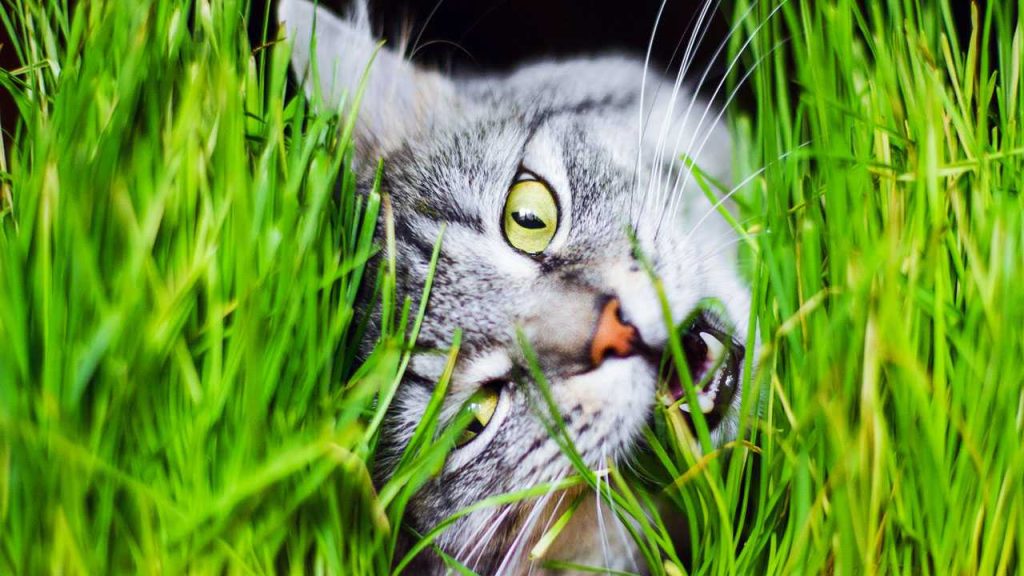
Yes, cats do sometimes eat grass when they are feeling unwell. This behavior can serve as a natural remedy for various issues, like digestive discomfort or hairballs. Many cat owners have noticed their feline friends nibbling on grass, and while it might seem odd, it can actually be a way for cats to self-soothe. Grass may help induce vomiting, allowing them to expel anything that’s bothering their stomachs. However, not all cats eat grass for the same reasons; some might simply enjoy the texture or taste. Understanding this behavior can help you care for your kitty better and recognize when something might be off with their health. Let’s dive deeper into why this occurs and what it means for your cat.

Do Cats Eat Grass When They Are Sick?
Cats are curious creatures with unique habits. One behavior that often puzzles cat owners is their tendency to eat grass. This leads to a common question: **Do cats eat grass when they are sick?** The short answer is yes, but there’s much more to explore. Understanding why cats engage in this behavior can help owners better care for their furry friends.
Understanding Natural Instincts
Cats are natural hunters and foragers. In the wild, their diet consists of small animals and occasionally, plant matter. Eating grass may be a instinctive behavior to help with digestion.
– **Fiber Source**: Grass provides a source of fiber, which can help with digestion.
– **Natural vomiting aid**: Some cats may eat grass to induce vomiting as a way to rid their bodies of indigestible items or hairballs.
This instinctive behavior raises questions about the health implications of grass consumption.
Signs That Your Cat May Be Sick
Before diving deeper into the relationship between grass eating and health, it’s important to recognize when your cat isn’t feeling well. Look for these signs:
- Loss of appetite
- Lethargy and reduced activity
- Vomiting or excessive grooming
- Changes in litter box habits
- Unusual vocalizations or hiding
If you notice these signs alongside grass-eating behavior, it could indicate a health issue.
Why Do Cats Eat Grass? The Health Perspective
When a cat appears sick, their desire to munch on grass can be linked to several health-related factors. Let’s look at some of them.
1. It May Help Induce Vomiting
Cats sometimes consume grass to relieve gastrointestinal discomfort. The blades of grass can irritate the stomach lining slightly, triggering vomiting.
– This can help cats expel hairballs or undigested food.
– However, not all cats vomit after eating grass. Some simply enjoy the taste.
2. Nutritional Needs
Grass contains vitamins and minerals that cats may lack in their diet. Eating grass can be a self-directed way for cats to fulfill their nutritional needs.
– **Folate**: This vitamin helps with bodily functions and is found in grass.
– **Fiber**: Grass can help regulate a cat’s digestive system.
Ensuring your cat has a balanced diet can reduce the likelihood of them seeking grass.
Potential Risks of Eating Grass
While eating grass can be harmless or even beneficial, it also poses risks. Here are some concerns for cat owners.
1. Toxic Plants
Not all grasses are safe for cats to eat. Some plants may be toxic and cause serious health issues.
– **Avoid**: Ensure that your cat only has access to cat-safe grass varieties, like catnip or wheatgrass.
– **Know the Signs**: If your cat shows symptoms of poisoning, such as drooling, vomiting, or diarrhea, contact a veterinarian.
2. Gastrointestinal Issues
While occasional grass consumption is typically safe, excessive eating can lead to gastrointestinal distress.
– **Symptoms**: If your cat experiences ongoing vomiting or diarrhea, it may be best to consult a vet.
– **Moderation**: It’s essential to monitor your cat’s grass intake to avoid such issues.
When to Be Concerned
Not every instance of grass-eating calls for alarm. However, specific behaviors should raise red flags.
1. Persistent Vomiting
If your cat vomits frequently after eating grass, it may be time to consult a veterinarian.
– **Frequency**: Occasional vomiting can be normal, but regular occurrence needs medical attention.
– **Dehydration**: Continuous vomiting can lead to dehydration, which is a serious concern.
2. Changes in Behavior
If your cat’s personality shifts significantly, it may indicate an underlying health problem.
– **Increased Hiding**: If your cat seeks solitude more than usual, it might be feeling unwell.
– **Decreased Energy**: A sudden drop in activity can signal that something isn’t right.
How to Support Your Cat’s Health
Taking a proactive approach can help prevent health issues related to grass-eating. Here are some tips.
1. Provide a Balanced Diet
Ensure your cat receives a well-rounded diet that meets all their nutritional needs.
– **Quality Food**: Choose high-quality cat food that lists meat as the primary ingredient.
– **Consult Your Vet**: Regular check-ups can help identify any dietary deficiencies.
2. Fresh Grass Options
If your cat likes to nibble on grass, consider providing safe grass options at home.
– **Wheatgrass and Catnip**: These are commonly safe options for cats.
– **Monitor Intake**: Keep an eye on how much grass your cat consumes.
Alternatives to Grass Consumption
If your cat tends to eat grass excessively, consider offering alternatives that can provide similar benefits.
- **Cat Grass**: Available at pet stores, this is safe for cats and provides fiber.
- **Leafy Greens**: Small amounts of safe greens like spinach can also be offered.
- **Catnip**: Many cats enjoy catnip, and it can provide a fun distraction.
Offering cat-safe options can keep your feline friend happy and healthy.
Understanding whether cats eat grass when they are sick is crucial for every cat owner. While it can serve as a helpful digestive aid, it’s important to monitor your cat’s health and behavior closely. If you ever feel concerned about your cat’s health or eating habits, don’t hesitate to reach out to your veterinarian for guidance. By taking care of your cat’s nutritional needs and providing safe options, you can help maintain their health and happiness.
If my Pet Eats Grass does it mean they are SICK?
Frequently Asked Questions
Why do cats sometimes eat grass?
Cats may eat grass for several reasons, including the instinct to aid digestion, help clear out hairballs, or induce vomiting to rid their stomachs of indigestible material. Grass contains fiber, which can facilitate gastrointestinal movement and contribute to overall digestive health.
Is it safe for cats to eat grass when they’re feeling unwell?
Generally, it is safe for cats to eat grass even when they are unwell. However, if a cat frequently eats grass and vomits afterward, it could indicate an underlying health issue. If your cat shows signs of distress or vomiting regularly after eating grass, it’s best to consult a veterinarian.
Can eating grass help cats with nausea?
Some cats may eat grass to alleviate feelings of nausea. The act of eating grass and subsequently vomiting can help expel any irritants or indigestible materials from their stomach, providing some relief. However, not all cats respond to grass in this way, and monitoring their behavior is important.
Are there any risks associated with cats eating grass?
While eating grass is generally not harmful, it poses some risks if the grass has been treated with pesticides or herbicides. These chemicals can be toxic to cats. Always ensure that any grass your cat has access to is free from chemicals and safe for them to consume.
How can I tell if my cat is eating grass due to illness?
If a cat eats grass more frequently than normal or exhibits signs of illness—such as lethargy, lack of appetite, or unusual behavior—it may indicate a health issue. Pay attention to any changes in their routine or behavior, and consult a veterinarian if you have concerns.
Final Thoughts
Cats often nibble on grass for various reasons, including digestive aid or simply out of curiosity. Many pet owners wonder, “do cats eat grass when they are sick?” Yes, some cats may seek out grass when they feel unwell.
Eating grass can help induce vomiting, which may alleviate discomfort caused by hairballs or other issues. However, it’s essential to monitor your cat’s overall health and consult a veterinarian if you notice any concerning signs.