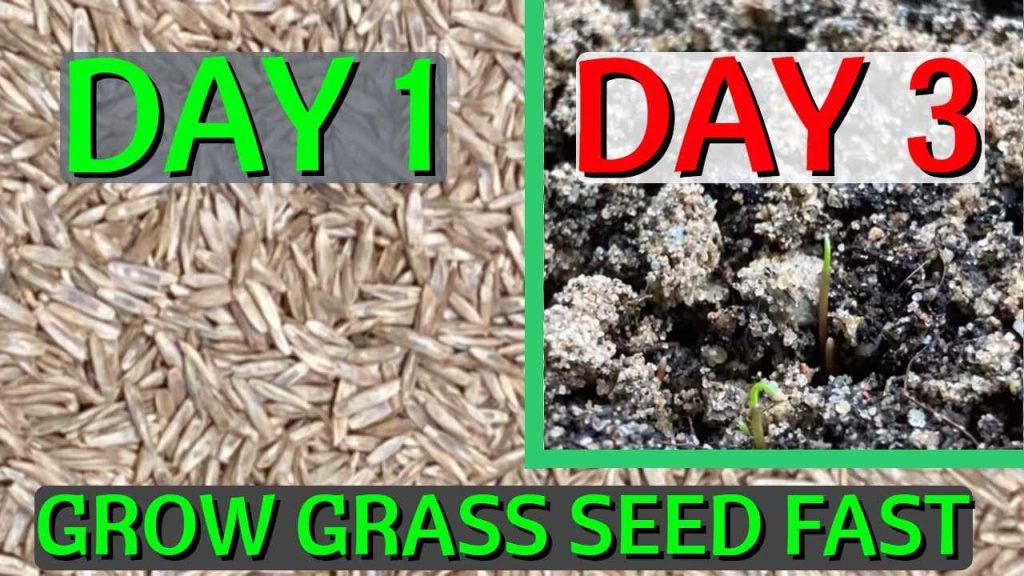
If you’re tired of waiting for your grass to grow and want a lush green lawn in no time, there are several effective strategies you can adopt. Start by ensuring your lawn receives adequate sunlight and water, as both are crucial for healthy growth. Fertilizing your grass with a nitrogen-rich product can give it that extra boost it needs. Additionally, mowing regularly and at the right height encourages thicker growth. Aerating the soil helps nutrients penetrate deeper, and overseeding can fill in any sparse areas. With these simple steps, you’ll be on your way to a flourishing lawn that will be the envy of your neighborhood.
Getting grass to grow faster requires a bit of knowledge and effort, but it can be quite rewarding. Whether you are starting from scratch or rejuvenating an existing lawn, the key lies in understanding the needs of your grass type and providing the right care. This guide will walk you through practical tips and techniques to promote rapid growth and achieve a vibrant, healthy lawn, helping you create the green space you’ve always dreamed of. Let’s dig deeper into the best practices for supercharging your grass growth!

How to Get Grass to Grow Faster
Growing a luscious green lawn is a goal for many homeowners and gardening enthusiasts. It’s not just about aesthetics; a healthy lawn can improve your home’s curb appeal and provide a safe play area for kids and pets. If you’re wondering how to get grass to grow faster, you’re in the right place. This guide will cover essential tips and techniques to help you achieve that vibrant, thriving lawn you’ve always wanted.
Understanding Grass Types
Before diving into ways to speed up grass growth, it’s crucial to understand the different types of grass. Different varieties have unique growth patterns and requirements.
- Cool-season grasses: These grasses thrive in the northern regions and grow best when temperatures are between 60-75°F. Examples include Kentucky bluegrass and fescue.
- Warm-season grasses: Ideal for southern climates, these grasses flourish in temperatures of 80-95°F. Bermuda and zoysia are popular choices.
Knowing the type of grass in your yard will help you select the right care methods to enhance its growth.
Soil Health Matters
The foundation for any thriving lawn is healthy soil. Testing your soil is the first step to understanding its nutrient content and pH level.
- Soil testing: You can purchase a soil test kit or send a sample to a local extension service.
- Nutrient deficiencies: Based on the test results, you may need to add fertilizers or amendments to improve soil health.
A pH level between 6.0 and 7.0 is ideal for most grasses. If your soil is too acidic or too alkaline, consider adding lime or sulfur to adjust the pH.
The Importance of Aeration
Aerating your lawn is another effective technique to promote faster grass growth. When soil is compacted, it restricts the flow of air, water, and nutrients to grassroots.
- What is aeration?: This process involves creating holes in the soil to alleviate compaction.
- When to aerate: Late spring or early fall is the best time to aerate cool-season grasses, while late spring works well for warm-season varieties.
Aeration improves root development, allowing grass to absorb more nutrients and water, which accelerates growth.
Proper Watering Techniques
Watering is essential for grass growth, but it’s important to do it correctly. Overwatering or underwatering can hinder grass development.
- Frequency: Water your lawn deeply but infrequently. Aim for about 1 to 1.5 inches of water per week.
- Timing: Early morning is the best time to water your grass, reducing evaporation and fungal diseases.
Using a rain gauge can help you measure the amount of water your lawn receives, ensuring you meet its needs effectively.
Fertilization Fundamentals
Fertilizing your lawn provides essential nutrients that support grass growth. Understanding the right type of fertilizer to use is key.
- Nitrogen-rich fertilizers: These are particularly useful for promoting leafy growth and vibrant color.
- Timing: Apply fertilizer during the growing season, usually in the spring and early fall.
Be sure to follow the manufacturer’s instructions to avoid over-fertilizing, which can damage your grass and the environment.
Optimal Sunlight Exposure
Grass needs sunlight to grow healthy and strong. Most grass types prefer full sun, meaning at least six hours of direct sunlight daily.
- Assessing sunlight: Observe your yard throughout the day to identify areas that may be shaded.
- Trim overhanging branches: This can help increase sunlight exposure to your lawn, especially in shaded areas.
If certain areas receive too much shade, consider planting shade-tolerant grass seeds or groundcovers for those spots.
Choosing the Right Grass Seed
When looking to grow grass quickly, selecting the right seed is vital. Different grass seeds have varying growth rates and resilience.
- Fast-growing varieties: Perennial ryegrass is known for quick germination and is ideal for quick patches.
- Seed mixture: Consider using a seed mixture that combines different grass types for a robust lawn.
Always check the seed label for recommendations on the best planting times and conditions for optimum growth.
Regular Mowing Practices
Mowing may seem counterproductive when trying to grow grass faster, but it plays a significant role in lawn health.
- Frequency: Mow regularly to keep grass at the recommended height. Typically, this is 2.5 to 3.5 inches, depending on the species.
- Sharp blades: Ensure your mower blades are sharp to make clean cuts, which helps prevent disease.
By maintaining the right height, you encourage grass to grow denser and healthier.
Weed Control Strategies
Weeds can compete with your grass for nutrients, light, and water, hindering its growth. Effective weed control is essential for a fast-growing lawn.
- Pre-emergent herbicides: Use these in early spring to prevent weeds from sprouting.
- Manual removal: Hand-pulling weeds can be effective for smaller infestations.
Always follow the recommended guidelines to ensure the health of your grass while managing weeds effectively.
Understanding Grass Growth Cycles
Grasses have natural growth cycles influenced by seasons, temperature, and moisture levels. Understanding these cycles can help you time your care effectively.
- Cool-season growth: These grasses typically grow in spring and fall, with slower growth during the summer heat.
- Warm-season growth: Growth peaks in late spring and summer, slowing down in cooler months.
By timing your fertilization, watering, and mowing with these cycles, you can maximize grass growth.
The Role of Thatch
Thatch is a layer of dead grass and organic material that can build up on the soil surface. While a little thatch is beneficial, too much can restrict growth.
- When to dethatch: If thatch exceeds 1 inch, consider dethatching in the spring or early fall.
- Methods: You can use manual dethatching rakes or power dethatchers for larger areas.
Proper dethatching ensures nutrients and water reach the roots, promoting faster grass growth.
Using Grass Growth Enhancers
Many products on the market are designed to help grass grow faster. These can provide immediate benefits to your lawn.
- Liquid fertilizers: These can give your grass a quick nutrient boost, resulting in rapid growth.
- Soil conditioners: These products improve soil structure and nutrient retention, helping grass thrive.
Choose enhancers that align with your lawn’s specific needs for the best results.
Climate Considerations
Weather plays a significant role in grass growth. Adapting your lawn care regimen based on climate conditions can lead to better outcomes.
- Hot, dry conditions: Water more frequently and consider planting drought-resistant grass varieties.
- Cool, wet conditions: Monitor for fungal diseases and adjust watering accordingly.
Stay flexible with your lawn care methods to align with changing weather patterns.
By applying these tips and techniques, you can effectively speed up grass growth and achieve a healthy, green lawn. Remember that patience is key and consistent care will yield the best results over time. A vibrant lawn not only enhances the beauty of your home but also creates a welcoming outdoor space for everyone to enjoy.
How to Make Grass Grow Fast & Fix Bald Spots
Frequently Asked Questions
What soil conditions are best for promoting grass growth?
Grass thrives in well-draining soil that is rich in organic matter. A soil pH between 6.0 and 7.0 is optimal for most grass types. Test your soil to determine its acidity and nutrient levels, then amend it with compost or fertilizer as needed to improve its quality and support grass growth.
How often should I water my grass to encourage faster growth?
Water your grass deeply and infrequently, aiming for about 1 to 1.5 inches of water per week, including rainfall. Watering in the early morning helps reduce evaporation and allows the grass to absorb moisture effectively. Avoid shallow, frequent watering, as it can promote shallow root systems that weaken the grass.
What type of fertilizer works best for accelerating grass growth?
Use a nitrogen-rich fertilizer to promote quick growth. Look for a balanced fertilizer with a higher nitrogen ratio, such as 20-5-10. Apply it according to the package instructions, typically during the growing season, to provide the essential nutrients that grass needs to thrive.
How does mowing impact grass growth speed?
Mowing regularly helps maintain grass health and promotes denser growth. Set your mower height to about 3 inches to avoid cutting the grass too short, which can stress the plants. Frequent mowing encourages the grass to grow thicker, as it stimulates lateral growth and enhances overall health.
What role does sunlight play in the growth of grass?
Grass requires ample sunlight for photosynthesis, which fuels growth. Most grass species thrive in full sun, so ensure your lawn receives at least 6-8 hours of direct sunlight daily. If any areas are shaded, consider trimming branches or selecting shade-tolerant grass varieties for those spots.
How can I improve air circulation around my grass?
Improving air circulation around your grass involves practices like aerating your lawn. Aeration creates small holes in the soil, allowing air, water, and nutrients to penetrate the root zone more effectively. Regularly aerate your lawn, especially in compacted areas, to promote healthy grass growth and root development.
Final Thoughts
To achieve faster grass growth, focus on proper watering techniques. Water deeply but infrequently to encourage deep root development.
Fertilizing your lawn with a balanced fertilizer provides essential nutrients that promote healthy growth.
Regular mowing at the right height also stimulates growth while preventing weeds.
By implementing these practices, you can effectively learn how to get grass to grow faster and enjoy a lush, green lawn.