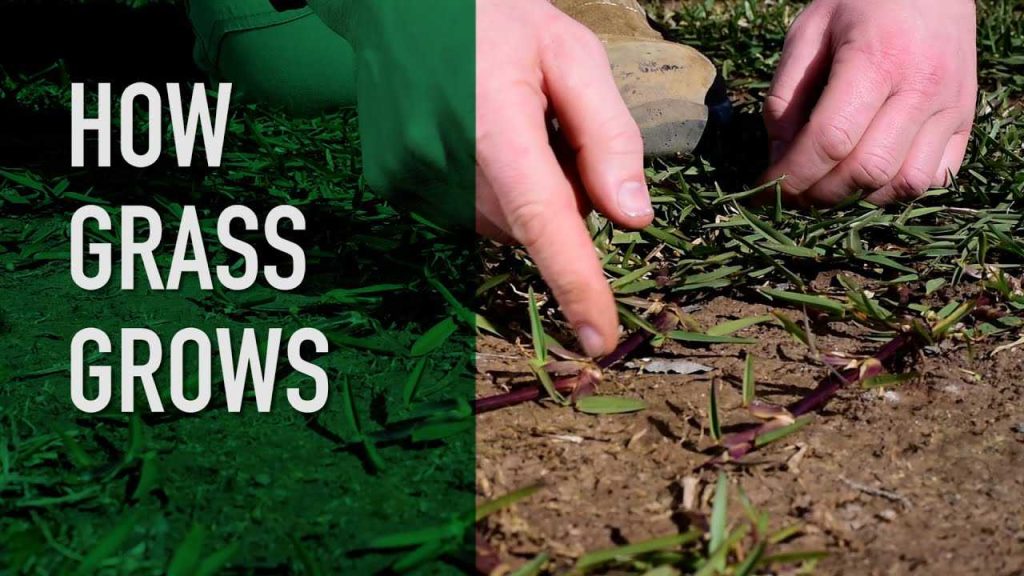
Grass grows through a fascinating process that begins with seeds. When the conditions are right—adequate sunlight, water, and nutrient-rich soil—these seeds germinate. They send out tiny roots that anchor into the soil, while shoots push up toward the sunlight. Photosynthesis plays a vital role here; grass blades trap sunlight and use it to convert carbon dioxide and water into energy, which fuels their growth. As the grass matures, it spreads by producing runners or new shoots, creating a lush green carpet over time. So, if you’re wondering how grass grows, it’s a combination of the right environment, seed germination, and the magic of photosynthesis working together to create the vibrant lawns and fields we love.

“`html
How Does Grass Grow?
Growing grass might seem simple, but it is a fascinating process that involves various elements working together. Grass is a resilient plant, adapting to different environments. Understanding how grass grows can help you maintain a lush, green lawn or a thriving garden. Let’s dive deeper into this natural phenomenon.
The Basics of Grass Growth
Grass, belonging to the Poaceae family, grows from seeds and spreads through various methods. At its core, grass needs three essential factors to thrive: sunlight, water, and nutrients.
– **Sunlight**: Grass requires sunlight to perform photosynthesis. This process converts light energy into chemical energy, which fuels growth.
– **Water**: Adequate moisture is crucial. Water helps transport nutrients from the soil to the grass.
– **Nutrients**: Grass absorbs nutrients, such as nitrogen, phosphorus, and potassium, from the soil. These nutrients play a vital role in overall grass health.
Grass seeds can remain dormant until the right conditions emerge. Once exposed to moisture, they begin to germinate.
The Germination Process
When grass seeds absorb water, they swell and break through their seed coat. This process is known as germination.
– **Temperature**: The ideal temperature for grass seed germination typically ranges from 50°F to 86°F (10°C to 30°C).
– **Soil Condition**: Well-aerated soil allows roots to establish effectively. Compacted soil can hinder growth.
Once the seed germinates, it sends a root into the soil, followed by a shoot that breaks through the surface.
The Role of Roots
Roots are crucial for grass development. They anchor the plant and absorb water and nutrients.
– **Root Depth**: Different grass types have varied root structures. Some grass, like Kentucky bluegrass, develops deep roots, while others, like Bermuda grass, have shallow roots.
– **Root Health**: Healthy roots promote overall grass health. Compacted or waterlogged soil can lead to weak roots.
Harmonious root growth ensures that grass can withstand stress from drought and heavy foot traffic.
Photosynthesis in Grass
Photosynthesis enables grass to create its food. When sunlight hits the chlorophyll in the grass blades, a series of chemical reactions occurs.
– **Chlorophyll**: This green pigment captures sunlight.
– **Carbon Dioxide**: Grass absorbs carbon dioxide from the air through tiny openings in the leaves known as stomata.
– **Glucose Production**: The energy from sunlight helps convert carbon dioxide and water into glucose, which nourishes the grass.
Through this process, grass not only feeds itself but also contributes oxygen to the environment.
The Growth Stages of Grass
Grass goes through several growth stages, each critical to its development.
- Seedling Stage: This is when the grass is most vulnerable. It requires plenty of moisture and protection from harsh conditions.
- Vegetative Stage: During this stage, grass focuses on growing leaves and roots. The plant becomes denser and starts to fill in bare spots.
- Reproductive Stage: Some grasses reach a stage where they produce flowers. This is less common in lawns but essential for natural grasslands.
Understanding these stages can help you apply the right care at each phase.
Environmental Factors Affecting Grass Growth
Many environmental factors influence how well grass grows. Here are a few significant ones:
- Soil Type: Sandy soils drain quickly, while clay soils retain moisture but can become compacted.
- Climate: Different grasses are suited for various climates. For instance, cool-season grasses thrive in temperate zones, while warm-season grasses flourish in hotter regions.
- Sunlight Exposure: Grass needs adequate sunlight. Areas with shade may require shade-tolerant grass types.
- pH Levels: Grass prefers a slightly acidic to neutral soil pH of 6.0 to 7.0.
Recognizing these factors can improve grass care practices.
Common Grass Types
There are many grass types, often categorized into two main groups: cool-season and warm-season grasses.
Cool-Season Grasses
Cool-season grasses thrive in temperatures between 60°F and 75°F (15°C to 24°C). They tend to grow actively during spring and fall.
– **Types Include**: Kentucky bluegrass, fescue, and ryegrass.
– **Benefits**: These grasses are often lush and green in cooler temperatures.
Warm-Season Grasses
Warm-season grasses flourish in temperatures above 80°F (27°C). They are most active in summer.
– **Types Include**: Bermuda grass, zoysia grass, and buffalo grass.
– **Benefits**: These grasses are drought-tolerant and can withstand high heat.
Choosing the right grass type is essential for a healthy lawn.
Maintaining Healthy Grass
Maintaining grass involves several key practices to ensure it grows strong and healthy.
Watering
Proper watering is vital. Grass generally needs about 1 inch of water per week.
– **Timing**: Early morning is the best time to water, minimizing evaporation.
– **Method**: Aim for deep watering less frequently to encourage deep root growth.
Mowing
Regular mowing promotes healthier grass.
– **Height**: Different grass types have different ideal mowing heights. Generally, keep grass about 2 to 4 inches tall.
– **Frequency**: Mow often enough to remove no more than one-third of the blade length at a time.
Fertilizing
Fertilizing grass provides essential nutrients.
– **Types**: Organic fertilizers improve soil health, while synthetic fertilizers deliver quick nutrients.
– **Schedule**: Fertilize during the growing season, following specific schedules based on grass type.
Weed Control
Weeds compete with grass for resources.
– **Prevention**: Regular mowing and maintaining healthy soil can prevent weed growth.
– **Removal**: Hand-pulling or using herbicides can help manage weeds effectively.
Grass and the Ecosystem
Grass plays a vital role in the ecosystem, supporting wildlife and preventing erosion.
– **Habitat**: Many animals rely on grasslands for shelter and food.
– **Soil Health**: Grass roots stabilize soil, preventing erosion and promoting nutrient cycling.
Understanding the ecological importance of grass helps us appreciate its presence in our environment.
In summary, grass growth is a complex yet fascinating process that requires attention to various factors. From germination to maintenance, each step contributes to the overall health of grass. With the right knowledge and care, you can create a vibrant and resilient lawn, contributing to a healthier ecosystem in your surroundings.
“`
how does grass grow
Frequently Asked Questions
“`html
What are the essential nutrients that promote grass growth?
Grass requires several key nutrients to thrive, including nitrogen, phosphorus, and potassium. Nitrogen supports leaf growth, phosphorus encourages root development, and potassium enhances overall plant health and disease resistance. Soil testing can help determine the nutrient needs specific to your grass type.
How does sunlight affect the growth of grass?
Sunlight plays a critical role in grass growth as it enables photosynthesis, the process through which plants convert light into energy. Most grasses need at least 6-8 hours of direct sunlight daily to grow optimally. Insufficient light can lead to weak, elongated grass blades and poor overall health.
What role does water play in the growth of grass?
Water is vital for grass growth, as it facilitates nutrient absorption and photosynthesis. Grass typically needs about 1 to 1.5 inches of water per week, either from rainfall or irrigation. Inconsistent watering can lead to drought stress, causing the grass to turn brown and become dormant.
How does soil quality influence the growth of grass?
Soil quality significantly affects grass growth by providing the necessary support, nutrients, and drainage. Healthy soil is rich in organic matter, maintains moisture, and has good aeration. Poor soil conditions can hinder root development and lead to unhealthy grass, so it’s crucial to amend the soil as needed.
What is the best time to plant grass for optimal growth?
The best time to plant grass depends on the type of grass. Cool-season grasses thrive in early spring or fall, while warm-season grasses prefer late spring through summer. Planting during these optimal periods ensures the right temperatures and moisture levels for seed germination and growth.
“`
Final Thoughts
Grass grows through a process of photosynthesis, where it converts sunlight into energy. The roots absorb water and nutrients from the soil, fostering healthy growth. As the grass matures, new shoots emerge, creating a lush green appearance.
Understanding how does grass grow helps in maintaining a vibrant lawn. Regular mowing encourages side shoots, promoting fuller growth. Proper watering and fertilization further enhance its development. With the right care, grass can thrive, adding beauty to any landscape.