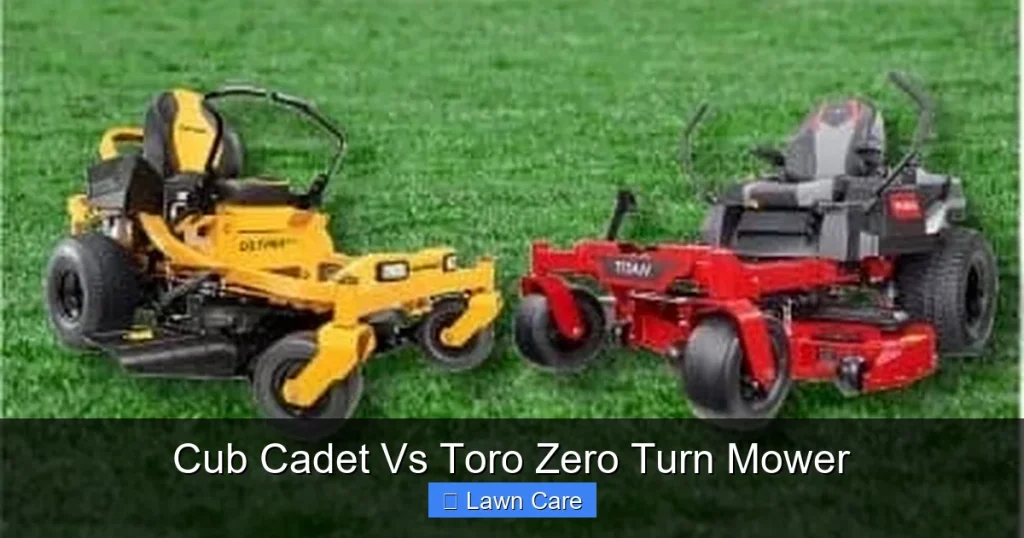
Choosing between a Cub Cadet and a Toro zero-turn mower can be tough. Both brands offer reliable, high-performance mowers, but they differ in build quality, features, and price. This guide breaks down everything you need to know to make the right choice for your yard.
Key Takeaways
- Build Quality & Durability: Toro generally uses heavier steel frames and better components, while Cub Cadet offers solid construction at a lower price point.
- Cutting Performance: Both brands deliver excellent cutting width and precision, but Toro often leads in smoother deck designs and advanced cutting systems.
- Engine Options: Cub Cadet typically pairs with Briggs & Stratton engines, while Toro often uses Kawasaki engines, which are known for reliability and power.
- Price & Value: Cub Cadet zero-turn mowers are usually more affordable upfront, making them a great option for budget-conscious buyers.
- Customer Support: Toro has a slightly stronger reputation for responsive customer service and longer warranty coverage on some models.
- Terrain Handling: Both handle hills well, but Toro’s suspension systems and steering controls often provide a more comfortable ride on uneven terrain.
- Maintenance: Cub Cadet mowers are easier to service for DIYers, while Toro models may require more specialized tools and knowledge.
Quick Answers to Common Questions
Which is more reliable: Cub Cadet or Toro?
Both are reliable, but Toro tends to have a slight edge in durability and longevity, especially in high-use scenarios. Kawasaki engines in Toro models are known for lasting longer than Briggs & Stratton engines in Cub Cadet mowers.
Are Cub Cadet mowers good for hilly terrain?
Yes, Cub Cadet zero-turn mowers handle hills well due to their low center of gravity and responsive steering. However, for very steep slopes, Toro’s heavier frame and suspension systems may offer better stability.
Can I use a Toro zero-turn mower on a small lawn?
Absolutely. Toro’s TimeCutter series is compact and maneuverable, making it suitable for smaller yards. Just be aware that the higher-end models may be overkill for very small lawns.
How often should I service my zero-turn mower?
Most manufacturers recommend servicing after every 50 hours of use. This includes oil changes, air filter cleaning, blade sharpening, and checking belts and hydraulics. Always refer to your owner’s manual for specific guidelines.
Do Toro mowers require special tools for maintenance?
Some Toro models, especially high-end ones, may require specialized tools for certain repairs. However, basic maintenance like oil changes and air filter replacement can be done with common tools.
📑 Table of Contents
- Cub Cadet vs Toro Zero Turn Mower: Which One Is Right for You?
- Brand Overview: Cub Cadet vs Toro
- Engine Performance and Power
- Cutting Deck Design and Blade Performance
- Comfort and Ride Quality
- Durability and Build Quality
- Price and Value Comparison
- Maintenance and Ease of Service
- Which One Should You Choose?
Cub Cadet vs Toro Zero Turn Mower: Which One Is Right for You?
When it comes to maintaining a lush, manicured lawn, having the right zero-turn mower can make all the difference. Two names that consistently come up in discussions about top-tier lawn care equipment are Cub Cadet and Toro. Both are American brands with decades of experience, trusted by homeowners and professionals alike. But when you’re trying to decide between the two, the choice isn’t always clear. That’s why we’re diving deep into a detailed comparison of Cub Cadet vs Toro zero-turn mowers.
Whether you’re mowing a small suburban yard or a large country estate, understanding the strengths and weaknesses of each brand will help you choose the mower that fits your needs, budget, and maintenance style. From engine power and cutting decks to ride comfort and long-term reliability, we’ll cover everything so you can make an informed decision. Let’s get started by looking at the core differences between these two popular brands.
Brand Overview: Cub Cadet vs Toro
Cub Cadet has been a household name in lawn care since 1960. Originally known for compact tractors and riding mowers, the company entered the zero-turn market in the late 1990s and quickly gained a loyal following. Today, Cub Cadet mowers are known for their affordability, user-friendly controls, and solid performance. They’re often the go-to choice for homeowners who want a reliable machine without breaking the bank.

Visual guide about Cub Cadet Vs Toro Zero Turn Mower
Image source: mowerify.com
Toro, on the other hand, is a powerhouse in the turf industry. With a history dating back to 1914, Toro pioneered many lawn care innovations, including the Personal Pace self-propelled mower and the first zero-turn mower in 1992. Toro’s zero-turn models, especially those in the TimeCutter and Titan series, are considered some of the best in the market. They’re favored by both homeowners and landscaping professionals for their durability, advanced features, and superior ride quality.
While both brands offer excellent products, their philosophies differ. Cub Cadet focuses on accessibility and value, making high-quality mowing technology available to a broader audience. Toro leans into performance and innovation, often incorporating cutting-edge engineering into their designs. This fundamental difference shapes everything from pricing to customer support.
Engine Performance and Power
One of the first things you’ll notice when comparing Cub Cadet and Toro zero-turn mowers is the engine options. Both brands offer models with either Briggs & Stratton or Kawasaki engines, but the choice of engine can affect performance, fuel efficiency, and longevity.
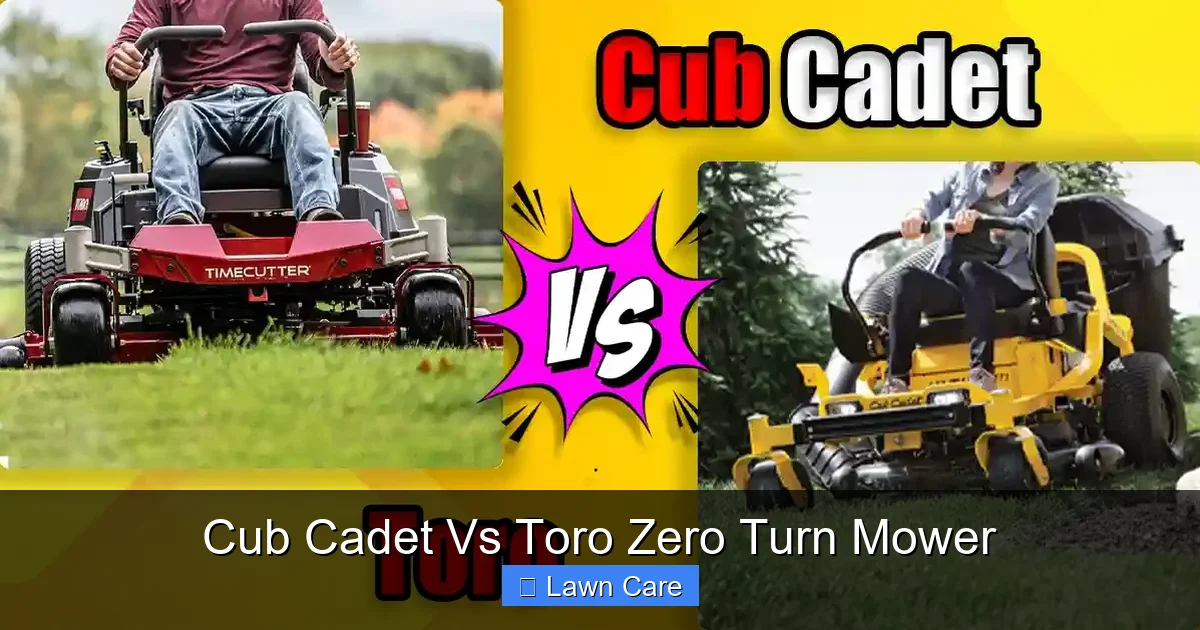
Visual guide about Cub Cadet Vs Toro Zero Turn Mower
Image source: gardenappli.com
Briggs & Stratton vs Kawasaki Engines
Cub Cadet typically uses Briggs & Stratton engines, especially in their entry-level and mid-range models. These engines are dependable, widely available, and easy to service. They offer solid horsepower—commonly 20 to 24 HP—which is more than enough for most residential lawns. For example, the Cub Cadet ZT1 50 in. offers a 23 HP engine and handles tough grass with ease.
Toro, particularly in its higher-end models like the TimeCutter MX and Titan MX, often pairs its mowers with Kawasaki engines. Kawasaki engines are known for their durability, smooth operation, and high torque output. They tend to run cooler and last longer under heavy use, making them ideal for larger yards or commercial applications.
Fuel Efficiency and Noise Levels
Both engine types are fuel-efficient, but Kawasaki engines generally run quieter and with less vibration. This means Toro mowers often provide a smoother, more comfortable ride. Briggs & Stratton engines, while slightly louder, are still well within acceptable noise levels for residential use and are easier to maintain for DIYers.
If you’re mowing frequently or have a large property, the engine choice becomes even more important. A more powerful, reliable engine means less downtime and fewer maintenance headaches over time.
Cutting Deck Design and Blade Performance
The cutting deck is the heart of any zero-turn mower. It determines how well your mower handles grass, how clean the cut is, and how easily it navigates around obstacles. Both Cub Cadet and Toro offer impressive deck designs, but they use different approaches.
Visual guide about Cub Cadet Vs Toro Zero Turn Mower
Image source: outsidegr.com
Deck Types: Cub Cadet vs Toro
Cub Cadet uses a three-blade deck design in many of its models, including the ZT series. These decks are known for their aggressive cutting action and ability to mulch or bag grass clippings efficiently. The deck is often made of stamped steel, which is durable but can be prone to rust if not properly maintained.
Toro, especially in its TimeCutter and Titan lines, uses a stamped steel deck as well, but with reinforced edges and better airflow. Toro’s decks often feature a dual-blade system or a more aerodynamic design that improves cut quality and reduces clumping. The Titan MX, for example, uses a 50-inch deck with a high-lift blade that delivers a clean, professional-grade cut.
Cutting Width and Mowing Speed
Cub Cadet zero-turn mowers typically range from 42 to 54 inches in cutting width, with the ZT1 50 being a popular choice. Toro offers similar widths, with the Titan MX going up to 60 inches for large properties. The cutting width directly affects mowing speed—wider decks cover more ground in less time.
Both brands offer hydrostatic transmissions that allow for smooth, responsive control. Toro’s steering levers are often praised for their ergonomic design and precise handling. Cub Cadet’s controls are also user-friendly, with intuitive lap bars that make tight turns and obstacle navigation easy.
Comfort and Ride Quality
Mowing shouldn’t be a chore. That’s why ride comfort is a major factor when choosing between Cub Cadet and Toro zero-turn mowers. After all, you might spend hours behind the wheel, especially on larger lawns.
Seat and Suspension
Toro leads in comfort with its high-back, adjustable seats and optional suspension kits. The TimeCutter MX, for instance, features a plush seat with lumbar support and vibration-dampening technology. Some models even offer a suspension system that absorbs bumps and reduces operator fatigue.
Cub Cadet also offers comfortable seating, but it’s more basic compared to Toro. Most models come with a standard high-back seat, which is supportive but not as adjustable or cushioned. That said, the ZT1 series is still considered very comfortable for its price range.
Steering and Control Responsiveness
Both brands use lap-bar steering, which is standard in zero-turn mowers. However, Toro’s steering levers are often lighter and more responsive, making it easier to maneuver in tight spaces. Cub Cadet’s controls are slightly heavier, which some users prefer for stability, but it can feel stiffer over long mowing sessions.
If you have back issues or plan to mow for extended periods, Toro’s superior ergonomics might be worth the extra cost.
Durability and Build Quality
When you invest in a zero-turn mower, you want it to last. Durability is a key factor in long-term satisfaction, and here, Toro has a slight edge.
Frame Construction
Toro zero-turn mowers are built with heavier-gauge steel frames that resist flex and wear over time. This makes them more durable in hilly or rocky terrain. The Titan series, in particular, is known for its rugged construction and ability to handle heavy use.
Cub Cadet uses solid steel frames as well, but they’re generally lighter. While this makes the mower easier to maneuver, it can lead to more flex in the frame over time, especially on uneven ground. That said, Cub Cadet mowers are still built to last and come with solid warranties.
Wear Parts and Longevity
Kawasaki engines, commonly used in Toro mowers, are known for lasting 3,000 to 5,000 hours with proper maintenance. Briggs & Stratton engines in Cub Cadet models also last a long time, but may require more frequent servicing.
Both brands offer excellent customer support and parts availability. However, Toro’s parts are sometimes more expensive, but they’re also more durable. Cub Cadet parts are more budget-friendly and easier to find at local dealers.
Price and Value Comparison
Let’s talk money. Price is often the deciding factor when choosing between Cub Cadet and Toro zero-turn mowers.
Entry-Level Models
Cub Cadet’s ZT1 series starts around $2,500–$3,000, depending on the model and features. These mowers offer great value for the price, with reliable engines and solid performance. They’re ideal for homeowners with medium-sized lawns.
Toro’s TimeCutter series starts around $3,500–$4,000. While more expensive, they include more advanced features like better suspension, quieter engines, and superior comfort. If you’re looking for a long-term investment, Toro offers better resale value.
Mid-Range and High-End Models
For larger properties, both brands offer high-end models. The Cub Cadet ZT2 series goes up to 54 inches and starts around $4,000. The Toro Titan MX series, with its 60-inch deck and Kawasaki engine, starts around $6,000–$7,000.
While Toro is more expensive upfront, many users report that the extra cost is justified by better performance, comfort, and longevity. Cub Cadet offers excellent value, especially for those on a tighter budget.
Maintenance and Ease of Service
No mower is maintenance-free, but how easy it is to service can affect your long-term experience.
DIY-Friendly Features
Cub Cadet mowers are generally more DIY-friendly. They feature accessible engines, easy-to-reach air filters, and simple belt systems. Many components can be serviced with basic tools, making them ideal for homeowners who like to tinker.
Toro mowers are built to last but can be more complex. Some models have engines tucked under the seat, requiring more disassembly to access. That said, Toro provides detailed service manuals and excellent customer support for troubleshooting.
Warranty Coverage
Cub Cadet offers a standard 3-year warranty on most zero-turn models. Toro provides a 3-year warranty as well, but some high-end models come with extended coverage or reinforced warranties on engines and decks.
Both brands stand behind their products, but Toro’s warranty terms are often more comprehensive for commercial-grade models.
Which One Should You Choose?
So, which is better—Cub Cadet or Toro? The answer depends on your needs, budget, and how you plan to use the mower.
If you want a reliable, affordable zero-turn mower for a medium-sized lawn and prefer DIY maintenance, Cub Cadet is an excellent choice. Models like the ZT1 50 offer great performance, solid build quality, and a lower price point.
If you have a large property, value superior comfort and durability, or plan to use the mower frequently, Toro is worth the investment. The TimeCutter MX or Titan MX series deliver professional-grade performance with advanced features.
Ultimately, both brands are leaders in the zero-turn market. Your decision should be based on how you weigh price, performance, and long-term value.
Frequently Asked Questions
What’s the difference between Cub Cadet and Toro zero-turn mowers?
Both are high-quality brands, but Toro generally offers better build quality, comfort, and engine performance. Cub Cadet focuses on affordability and ease of use, making it a great value choice for homeowners.
Which brand has better customer support?
Toro is known for excellent customer service and detailed support resources. Cub Cadet also offers good support, but Toro’s response times and technical assistance are often rated higher.
Can I use a Cub Cadet zero-turn mower for commercial work?
While possible, Cub Cadet mowers are primarily designed for residential use. For heavy commercial work, Toro’s Titan series is a better choice due to its durability and advanced features.
Are Toro mowers more expensive to maintain?
Toro parts can be more expensive than Cub Cadet parts, but they’re also more durable. Overall maintenance costs are similar, but Toro may require more specialized service for complex repairs.
Which is better for a large property: Cub Cadet or Toro?
For large properties, Toro’s Titan MX series is ideal due to its wide cutting deck, powerful engine, and superior comfort. Cub Cadet’s ZT2 series is a solid alternative but may require more frequent refueling and maintenance on very large lawns.
Do both brands offer electric zero-turn mowers?
Yes, both Cub Cadet and Toro offer electric zero-turn models. Cub Cadet’s IKON series and Toro’s TimeCutter series include electric options, which are quieter and require less maintenance than gas models.