What Is Ryegrass Ige: Understanding Its Role And Impact

Ryegrass IGE (Immunoglobulin E) allergy is a common yet often misunderstood cause of hay fever and allergic reactions during pollen …
Ryegrass IGE (Immunoglobulin E) allergy is a common yet often misunderstood cause of hay fever and allergic reactions during pollen …

Looking to lush, green lawns that last year-round? The key lies in finding quality perennial ryegrass seed, and luckily, there …

For optimal pasture growth, aim to plant about 15 to 20 pounds of ryegrass seed per acre for cattle grazing. …

The quickest solution to eliminate ryegrass is using a targeted herbicide like glyphosate or halosulfuron. These herbicides are highly effective …

The best time to plant ryegrass in Georgia is during early fall, typically from September to October, to ensure a …
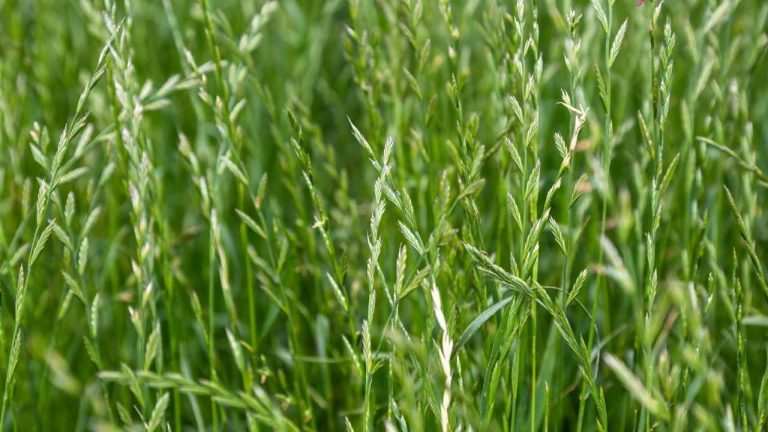
Yes, ryegrass can be good for horses when managed properly. It provides nutritious forage, supporting the overall health and energy …
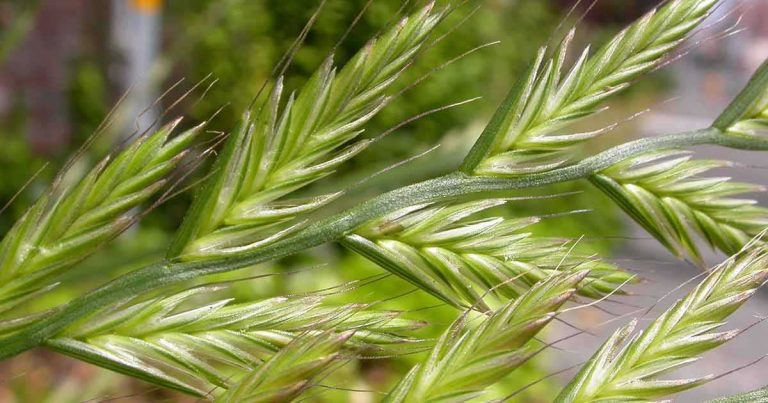
Yes, annual ryegrass does spread, primarily through seed dispersal. It can quickly take over a lawn or field if not …

Yes, deer do eat ryegrass. They often graze on it, especially in areas where ryegrass is abundant. While they prefer …
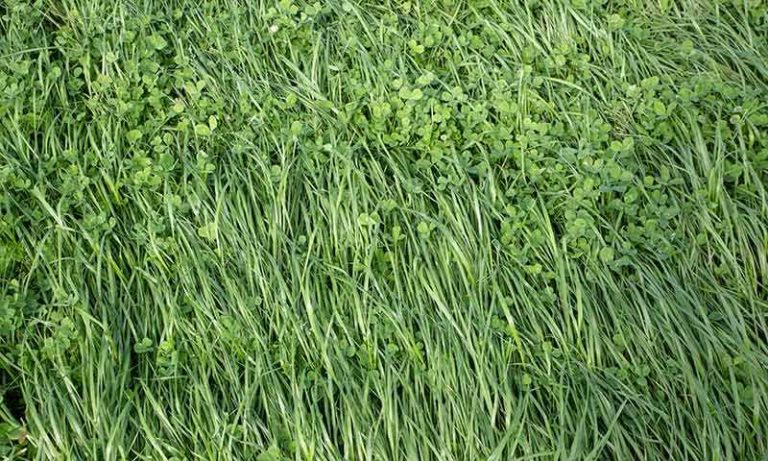
Ryegrass can sprout remarkably quickly, often within just 5 to 14 days after planting, depending on the conditions. If you’re …
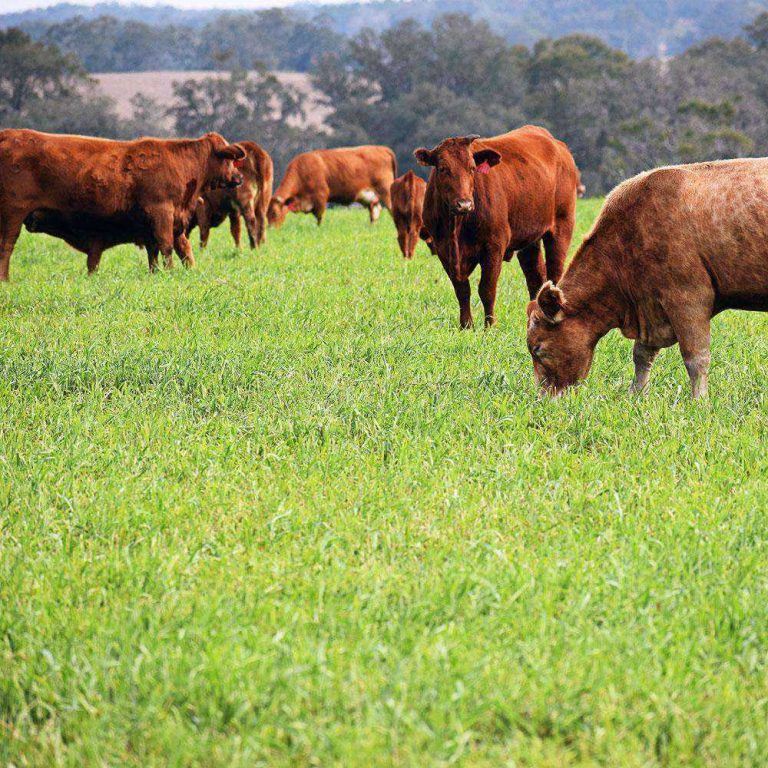
Yes, ryegrass is excellent for cattle, providing a nutritious, palatable, and fast-growing forage option that can boost their overall health …