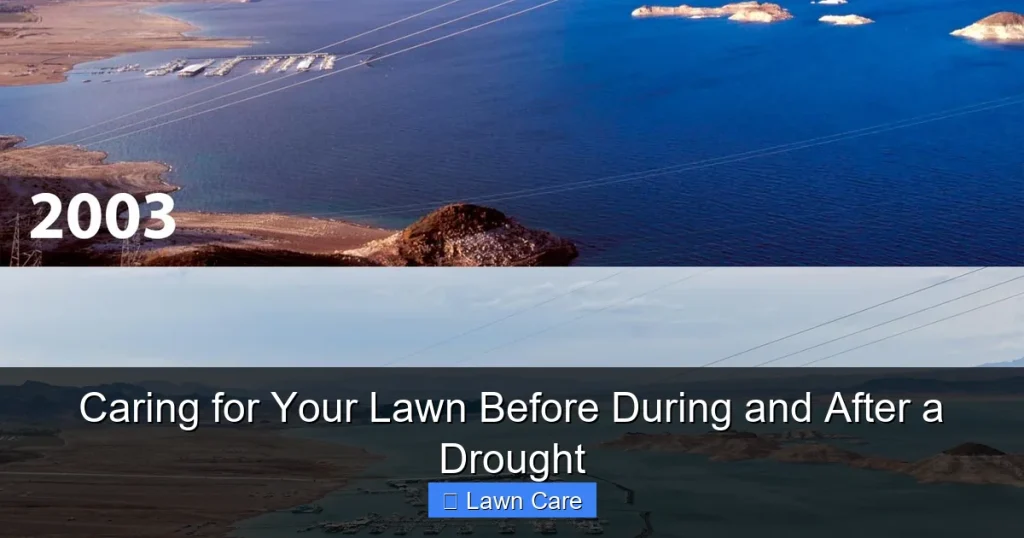
Droughts can be tough on lawns, but with smart strategies, you can keep your grass healthy. Prepare your lawn before dry periods, conserve water during the drought, and focus on recovery afterward. This guide provides actionable steps for effective lawn care, ensuring a resilient and beautiful lawn year-round.
Ah, the dreaded drought. That period when the sky seems to forget about rain, and your once-lush green lawn starts to look… well, not so lush. It’s a common challenge for homeowners, and dealing with it can feel overwhelming. But don’t despair! Caring for your lawn before, during, and after a drought is entirely manageable with the right knowledge and a proactive approach.
Think of your lawn like a person. Before a big race, you’d hydrate and eat well. During the race, you’d conserve energy and pace yourself. And after the race, you’d need to recover and refuel. Your lawn needs a similar kind of care and attention when facing dry conditions. By understanding these different phases and implementing specific strategies, you can significantly improve your lawn’s resilience and help it bounce back stronger.
This guide will walk you through everything you need to know. We’ll cover how to get your lawn ready for tough times, how to get through the dry spell with minimal damage, and how to bring it back to life once the rain returns. Let’s dive in and learn how to keep your lawn healthy and happy, no matter the weather!
- Understand Drought Stages: Recognize early signs of drought and implement preventative measures.
- Water Wisely: Water deeply and infrequently, focusing on early morning or late evening to minimize evaporation.
- Adjust Mowing Habits: Mow higher during dry spells to shade soil and retain moisture, and ensure your mower is in good working order.
- Reduce Stress: Avoid fertilizing or over-aerating during severe drought to prevent further damage.
- Focus on Recovery: After the drought breaks, rehydrate the soil and gradually reintroduce normal care routines.
- Consider Drought-Tolerant Grasses: If you live in a drought-prone area, think about planting grass varieties that are naturally more resistant to dry conditions.
- Soil Health is Key: Improve your soil’s ability to retain moisture through aeration and organic matter over time.
Quick Answers to Common Questions
What is the most important step to take before a drought?
The most important step is to ensure your lawn has a strong, deep root system by watering deeply and infrequently. This makes it more resilient to dry conditions.
How often should I water my lawn during a drought?
During a drought, water only when necessary, focusing on deep watering to saturate the soil. Reduce frequency significantly and always check for signs of wilting before watering.
Should I fertilize my lawn during a drought?
Generally, no. Fertilizing during a drought can encourage growth that your lawn can’t sustain and may further stress the grass. It’s best to wait until the drought has passed and the lawn is recovering.
How can I tell if my lawn is dormant or dead from a drought?
Dormant grass will turn brown but will often spring back to life with water. Dead grass will be dry, brittle, and will not recover even with adequate watering.
What should I do immediately after a drought ends?
After a drought, rehydrate the soil gradually with light, frequent watering. Once the grass shows signs of recovery, you can resume normal mowing and fertilization practices cautiously.
📑 Table of Contents
Preparing Your Lawn Before a Drought
The best defense against a drought is preparation. When you anticipate dry spells or live in a region prone to them, taking steps beforehand can make a world of difference. This phase is all about building resilience. It’s like building up your savings before unexpected expenses arise.
Watering Wisely for a Strong Foundation
The way you water your lawn is crucial, even when there’s no immediate drought threat. Encourage deep root growth by watering less frequently but for longer periods. This means soaking the soil about 6-8 inches deep. Shallow, frequent watering encourages shallow roots, making your grass more vulnerable to drying out.
* **Deep Watering:** Aim to water your lawn deeply, usually about 1 inch of water per week. You can measure this by placing a few empty tuna cans around your lawn while watering and seeing how long it takes your sprinkler to fill them to the 1-inch mark.
* **Timing is Everything:** Water early in the morning, ideally between 4 AM and 10 AM. This allows the water to soak into the soil before the heat of the day causes excessive evaporation. Watering in the evening can sometimes lead to fungal diseases because the grass blades stay wet overnight.
Mowing for Moisture Retention
How you mow your lawn plays a significant role in its ability to withstand dry conditions. Adjusting your mowing height and frequency can help.
* **Mow Higher:** Raise your mower blade to a higher setting during warmer months, especially if you anticipate dry weather. Taller grass blades provide more shade to the soil, which helps retain moisture and keeps the soil cooler. This also discourages weed growth. A good height for most cool-season grasses is around 3 to 3.5 inches. For warm-season grasses, it might be a bit lower, but still higher than you might mow in cooler, wetter times.
* **Keep Blades Sharp:** Ensure your mower blades are sharp. Dull blades tear grass, creating ragged edges that lose moisture more quickly and are more susceptible to disease. A well-maintained mower is key to healthy lawn care. If your mower has been sitting for a while, you might want to check out how to start a lawn mower after sitting for years.
Soil Aeration and Dethatching
Healthy soil is the foundation of a healthy lawn, especially when water is scarce. Compacted soil and excessive thatch can prevent water from reaching the grass roots effectively.
* **Aeration:** Before a drought hits, consider core aeration. This process pulls out small plugs of soil, allowing air, water, and nutrients to penetrate deeper into the soil profile, encouraging stronger root development. However, be mindful that aeration can stress the lawn, so it’s best done during a period of moderate weather, not right before or during extreme heat. You can learn more about how to aerate your lawn during a drought without damaging it if needed.
* **Dethatching:** Thatch is a layer of dead and living organic matter that builds up between the grass blades and the soil surface. A thin layer (less than 1/2 inch) is beneficial, but a thick layer can act like a sponge, absorbing water that should be going to the roots, or preventing water from reaching them at all. Dethatching can help improve water penetration.
Fertilization Considerations
When preparing for a drought, be strategic about fertilization.
* **Avoid High-Nitrogen Fertilizers:** While it might seem counterintuitive, applying a high-nitrogen fertilizer right before a drought can encourage lush, fast growth that requires more water and is more susceptible to stress.
* **Consider Slow-Release or Organic Options:** If you do fertilize, opt for slow-release or organic fertilizers that provide nutrients over a longer period and are less likely to force rapid growth. It’s also important to understand whether you should fertilize your lawn during a drought, as the answer often depends on the severity. Generally, it’s best to avoid fertilizing during peak drought conditions.
Caring for Your Lawn During a Drought
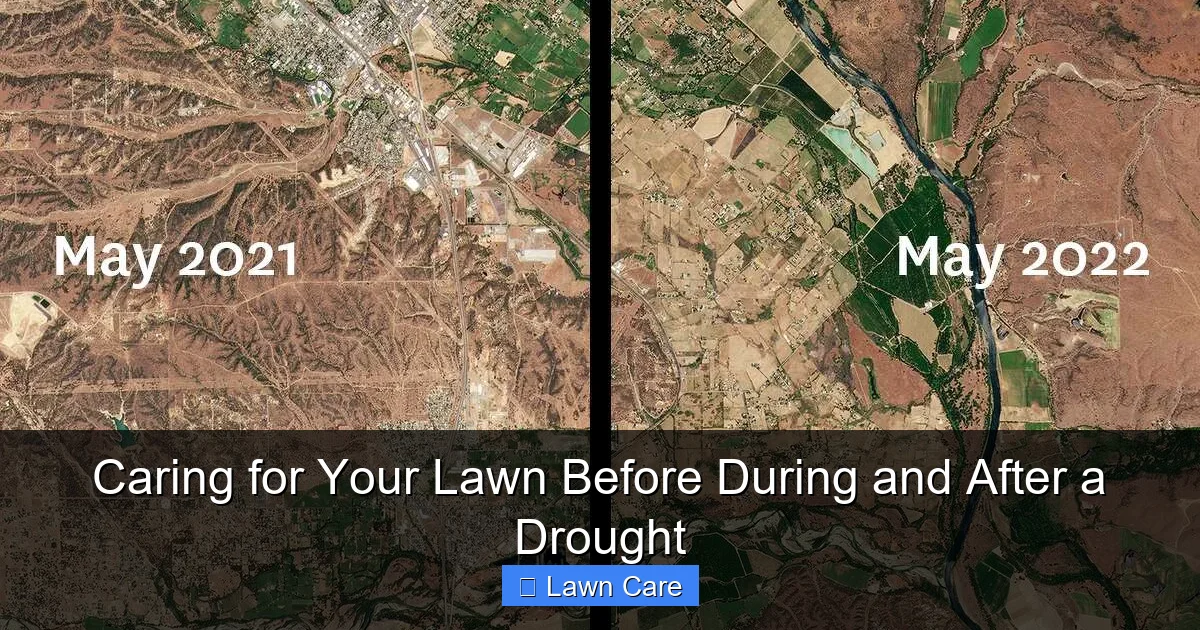
Visual guide about Caring for Your Lawn Before During and After a Drought
Image source: s.hdnux.com
Once the dry weather sets in, your focus shifts from preparation to conservation and damage control. This is where implementing those proactive measures really pays off. The goal is to keep the grass alive, even if it’s not picture-perfect green.
Watering Strategies for Survival
Water becomes your most precious resource during a drought. It’s essential to use it wisely to keep your lawn alive.
* **Deep and Infrequent Watering:** Continue with deep watering, but reduce the frequency. Your lawn might be able to go longer between waterings if the roots are deep. Look for signs of stress: wilting, bluish-gray color, or footprints remaining on the grass after you walk on it.
* **Watering Restrictions:** Always adhere to any local watering restrictions. These are put in place to conserve water for essential needs.
* **Targeted Watering:** If water is extremely limited, focus on watering high-traffic areas or the most visible parts of your lawn first. Sometimes, it’s better to water certain areas more than others to keep the whole lawn from dying completely. You can also explore methods to protect your lawn from heat stress and drought.
Adjusting Mowing and Traffic
Minimizing stress on your lawn is paramount during a drought.
* **Raise Mowing Height Even Higher:** If you haven’t already, raise your mower to its highest setting. This is critical for conserving moisture.
* **Reduce Mowing Frequency:** Mow only when absolutely necessary, and always with sharp blades and a higher cut. Let the grass grow a little longer. If the grass is actively dormant and turning brown, you might not need to mow it at all.
* **Limit Foot Traffic:** Avoid heavy foot traffic, playing, or parking vehicles on your lawn during a drought. Stressed grass is more easily damaged and takes longer to recover.
Dealing with Pests and Weeds
Drought-stressed lawns can become more susceptible to pests and weeds.
* **Monitor for Pests:** Keep an eye out for increased pest activity. Stressed plants can attract certain insects. Address any pest issues promptly, but be mindful of using chemicals that might further stress the lawn or require additional watering.
* **Weed Control:** Weeds can thrive in the uneven conditions created by a drought. While broad-spectrum weed killers might be too harsh on stressed grass, spot-treat weeds where possible, or pull them by hand if the soil is slightly moist. Be cautious with “weed and feed” products, as they can be detrimental during drought conditions; it’s often best to avoid them altogether when your lawn is struggling.
Letting Your Lawn Go Dormant (If Necessary)
For many grass types, especially cool-season grasses, going dormant is a natural survival mechanism during drought. It’s not dead, just resting.
* **Recognize Dormancy:** Dormant grass turns brown or straw-colored. It looks dead but will often green up again once sufficient rain returns.
* **Minimal Intervention:** During dormancy, the lawn needs very little care. You can typically cease mowing altogether. If your lawn is dormant, it needs very little water – perhaps just enough to keep the crown of the plant alive, which might be around 0.5 inches of water every 2-3 weeks if the drought is prolonged.
Recovering Your Lawn After the Drought
The drought has finally broken, and the rain is falling! It’s tempting to go back to your old routine immediately, but your lawn still needs gentle care and attention to recover fully. This phase is about rehabilitation.
Rehydrating the Soil and Grass
The first step is to ensure the soil is adequately rehydrated.
* **Gradual Watering:** If rain hasn’t fully saturated the soil, continue with light, frequent watering for a week or two. This helps the root system re-establish itself and prevents shock from sudden changes in moisture levels.
* **Check Soil Moisture:** Use a trowel or a long screwdriver to check how deep the moisture has penetrated. You want to ensure it’s reaching the root zone.
Resuming Mowing and Fertilization
Once the lawn shows signs of recovery and begins to green up, you can gradually reintroduce mowing and fertilization.
* **Start Mowing Again:** Begin mowing as you normally would, but start with a higher setting and gradually lower it to your preferred height over a couple of mowing sessions. Continue to keep your mower blades sharp.
* **Fertilizing for Recovery:** Now is a good time to fertilize, but do so cautiously. A balanced, slow-release fertilizer can help replenish nutrients lost during the stress of the drought. This is an excellent time to focus on soil health. You might consider overseeding at this point to fill in any bare spots that may have appeared, which you can learn more about in our guide on how to overseed your lawn for a thick and lush look.
Addressing Bare Spots and Thin Areas
Droughts often leave behind unsightly bare patches or thin areas in the lawn.
* **Rake and Reseed:** Gently rake these areas to loosen the soil and remove any dead grass. Then, reseed the bare spots with a grass seed mix suitable for your region and the specific conditions of your lawn.
* **Consider New Sod:** For quicker results, you can lay down new sod in severely damaged areas. Ensure you follow proper care for new sod to help it establish well.
Long-Term Drought Preparedness
After a drought, it’s wise to reflect on what worked and what didn’t, and to plan for future dry periods.
* **Improve Soil Health:** Continue to focus on improving your soil’s ability to retain moisture. Regular aeration, adding compost, and using organic mulches can significantly enhance water retention.
* **Choose Drought-Tolerant Grasses:** If you live in an area with frequent droughts, consider overseeding or replacing your lawn with more drought-tolerant grass varieties. Some popular options include Tall Fescue, Zoysia grass, and certain Bermuda grass varieties. Researching the pros and cons of choosing Zoysia grass can be a good starting point.
* **Water Harvesting:** Consider implementing water-saving techniques around your property, such as installing rain barrels or creating rain gardens to capture and utilize rainwater. Exploring how to build a rain garden for lawn runoff can be beneficial.
Understanding Grass Types and Drought Tolerance
Not all grass is created equal when it comes to handling dry spells. Knowing your grass type can help you manage expectations and tailor your care.
Cool-Season vs. Warm-Season Grasses
* **Cool-Season Grasses:** These grasses, like Kentucky Bluegrass, Perennial Ryegrass, and Fescues, thrive in cooler temperatures and tend to go dormant (turn brown) during hot, dry summers. While they can recover, they require more attention to survive droughts.
* **Warm-Season Grasses:** Grasses like Zoysia, Bermuda, and St. Augustine are adapted to warmer climates and tend to be more drought-tolerant. They green up in the heat of summer and may go dormant in cooler weather. They often have deeper root systems, allowing them to access moisture better.
Selecting Drought-Tolerant Varieties
If drought is a recurring issue, consider grass varieties known for their resilience.
* **Tall Fescue:** This is a popular choice due to its deep root system and good drought tolerance. It maintains its color better than many other cool-season grasses during dry periods.
* **Zoysia Grass:** A warm-season grass that forms a dense, carpet-like turf. It’s very drought-tolerant once established and can withstand heavy foot traffic.
* **Bermuda Grass:** Another hardy warm-season grass that is highly drought-resistant and recovers quickly from stress.
Choosing the right grass for your climate and soil type is fundamental to long-term lawn health, especially in the face of changing weather patterns.
Essential Tools and Maintenance
Having the right tools and keeping them in good working order is key to effective lawn care, especially during challenging times like a drought.
Lawn Mower Maintenance
A well-maintained lawn mower is crucial. As mentioned, sharp blades are vital. Beyond that, ensure your mower is running efficiently. If you’ve had your mower sitting for a while, you’ll need to know how to get it started. Check out resources on how to start a lawn mower after sitting all winter or general guides on how to start a lawn mower Briggs and Stratton. Keeping your mower clean, especially the carburetor, is also important for optimal performance.
Watering Equipment
* **Sprinklers:** Ensure your sprinklers are watering evenly and efficiently. Check for leaks or clogs. Consider investing in sprinklers that can be adjusted to water deeper or cover specific areas effectively.
* **Hoses and Connectors:** Regularly inspect your hoses and connectors for leaks. Even a small leak can waste a significant amount of water over time.
Other Helpful Tools
* **Soil Probe or Trowel:** To check soil moisture levels.
* **Rain Gauge:** To accurately measure rainfall and irrigation.
* **Weed Puller:** For targeted weed removal.
Proper maintenance of your equipment ensures you can implement your lawn care strategies effectively, saving time, water, and effort.
When to Seek Professional Help
Sometimes, despite your best efforts, your lawn might need professional intervention, especially after a severe drought.
* **Extensive Damage:** If your lawn has large dead or bare areas that don’t seem to be recovering, a professional lawn care service can assess the damage and recommend treatment options, such as soil amendments, reseeding, or sod installation.
* **Persistent Problems:** If you’re struggling with ongoing issues like widespread disease, pest infestations, or soil compaction that you can’t resolve on your own, consulting a professional is a wise step.
* **Advanced Solutions:** Professionals have access to advanced tools and treatments, like specialized fertilizers, soil conditioners, and irrigation system audits, that can help your lawn recover more effectively and become more resilient to future drought conditions.
Don’t hesitate to reach out for help if your lawn’s health is a significant concern.
Conclusion:
Caring for your lawn before, during, and after a drought is a cycle of preparation, conservation, and recovery. By understanding the needs of your lawn at each stage, you can navigate dry spells with greater success. Implementing smart watering practices, adjusting your mowing habits, and focusing on soil health are key strategies that will not only help your lawn survive but thrive. Remember that a healthy lawn is a resilient lawn, and with a little foresight and consistent effort, you can maintain a beautiful green space, even when the weather challenges it. So, be proactive, be observant, and your lawn will thank you for it with vibrant growth season after season.
Frequently Asked Questions
How can I conserve water while watering my lawn during a drought?
Water early in the morning to reduce evaporation. Water deeply and infrequently, aim for about 1 inch of water per week, and ensure your sprinklers are efficient and not leaking.
Is it okay to walk on my lawn during a drought?
It’s best to minimize foot traffic on your lawn during a drought. Stressed grass is more susceptible to damage, and footprints can compact the soil, further hindering water absorption.
What are the signs that my lawn needs water due to drought?
Look for wilting grass blades, a bluish-gray tint to the lawn, or footprints that remain visible long after you’ve walked on it. These are clear indicators of thirst.
Can I use herbicides or pesticides during a drought?
It’s generally not recommended. Herbicides and pesticides can further stress an already weakened lawn. If absolutely necessary, use them sparingly and consider products specifically designed for stressed turf.
What kind of grass is best for drought-prone areas?
Drought-tolerant grasses like Tall Fescue, Zoysia grass, and Bermuda grass are excellent choices for areas prone to dry spells. They have deeper root systems and require less water once established.
How long does it take for a lawn to recover after a drought?
Recovery time varies depending on the severity of the drought and your recovery efforts. With proper care, many lawns can start to show significant improvement within a few weeks of consistent rainfall and consistent post-drought care.