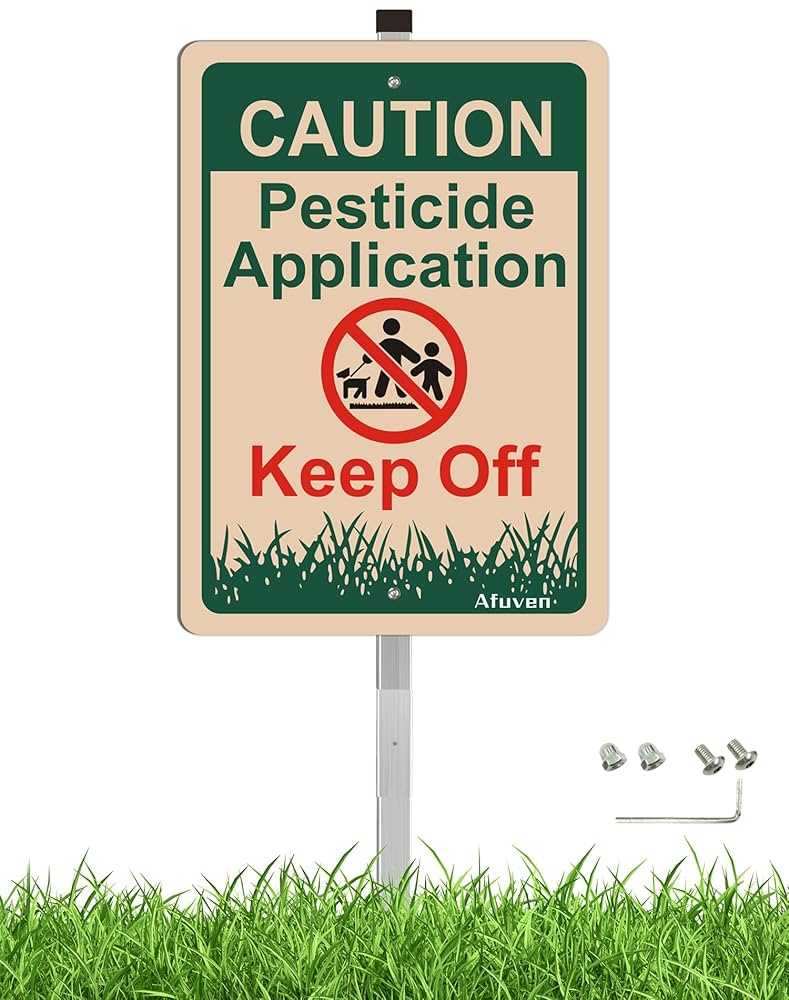
Pesticides can linger on your grass for varying amounts of time, often depending on the type used and weather conditions. Typically, pesticides stay on the grass for anywhere from a few days to several weeks before breaking down or becoming safe for children and pets to play on. To ensure safety, it’s essential to follow application instructions carefully and wait the recommended period.
In short, pesticides generally remain on grass for about 1 to 4 weeks, but this varies based on the specific product and environmental factors. Proper timing and adherence to label instructions help minimize risks and keep your lawn healthy and safe.
When it comes to maintaining a lush, healthy lawn, knowing how long pesticides stay on grass is crucial for safety and effective pest management. Many homeowners wonder about the residual presence of these chemicals after treatment—how long before their lawn is safe for kids, pets, and outdoor activities? The answer depends on several factors, including the type of pesticide used, weather conditions, and application methods. Some pesticides break down quickly in sunlight and rain, reducing their presence within days, while others can linger for weeks. Understanding these differences helps you plan your lawn care routine responsibly, ensuring effective pest control without compromising safety. Whether you’re battling pests or preventing weeds, knowing the longevity of pesticides helps you strike the right balance between a beautiful lawn and a safe outdoor space.

How Long Does Pesticide Stay on Grass?
Understanding how long pesticide remains on grass is essential for safe lawn care. The retention time can influence when you can safely enjoy your yard or allow pets to play outside. Several factors affect how long pesticides stay on grass, making it necessary to know the specifics about different products and application methods.
Factors Affecting Pesticide Residue Duration
Many elements determine how long pesticide stays on grass. These factors include the type of pesticide used, environmental conditions, application techniques, and the grass type itself. Recognizing these influences helps in planning safe periods after treatment.
Type of Pesticide
Different pesticides have varying chemical compositions. Some are quick-breaking, while others linger longer. For instance, contact pesticides often degrade faster than systemic pesticides that are absorbed into plant tissues.
Environmental Conditions
Temperature, sunlight, rain, and wind significantly impact pesticide breakdown. High temperatures and strong sunlight tend to accelerate degradation, reducing the residue time. Conversely, rain can wash pesticides off the grass surface.
Application Techniques
The way pesticides are applied influences residue duration. Heavy or uneven application can lead to prolonged presence. Proper calibration and precise spraying minimize excess residues and facilitate faster breakdown.
Grass Type and Growth Stage
Some grasses absorb or metabolize pesticides differently. Healthy, actively growing grass can also break down chemicals more quickly than dormant or stressed grass.
Typical Residue Lifespan of Common Pesticides
Understanding general timelines helps in planning safe outdoor activities. Most pesticides fall into two categories: those that degrade quickly and those that last longer.
Contact Pesticides
Generally, contact pesticides break down within 24 to 48 hours. They work on the surface, and once dried, residues tend to dissipate rapidly, especially under sunlight.
Systemic Pesticides
Systemic pesticides, which are absorbed into the plant, can remain active for several weeks. Their residues may last from three to eight weeks, depending on the chemical and environmental factors.
Organic Pesticides
Organic options, like those based on neem oil or pyrethrins, usually degrade faster. They typically remain active on grass for less than a week, making them safer for frequent applications.
Effects of Weather on Pesticide Residue
Weather plays a crucial role in how long pesticides stay on grass. Knowing how rain, sunlight, and wind influence residues assists in making informed decisions about reapplication or outdoor activities.
Rainfall and Water Runoff
Heavy rain can wash away pesticides, reducing residue time significantly. If rain is forecasted soon after application, it might be wise to delay spraying.
Sunlight and UV Exposure
Ultraviolet rays from the sun break down many pesticides on contact. Exposure to direct sunlight can reduce residue life by half or more.
Wind and Air Movement
Wind disperses pesticides and can accelerate their evaporation. However, it can also cause uneven residue distribution if not applied carefully.
How to Minimize Pesticide Residues on Grass
Proper handling and application techniques can help reduce residual pesticides, making your yard safer faster.
Follow Label Instructions Carefully
Always adhere to the manufacturer’s guidelines regarding dosage, timing, and reentry intervals. Proper use is key to minimizing residues.
Timing of Application
Apply pesticides during cooler parts of the day and when no rain is expected for at least 24 hours. This ensures better absorption and quicker breakdown.
Watering and Rinsing
After the pesticide has dried, watering the grass can help wash off surface residues. This step can significantly cut down the residue lifespan.
Use of Protective Equipment
Wearing gloves, masks, and protective clothing reduces the risk of chemical exposure and helps prevent unnecessary residues on your skin or clothes.
Safety Guidelines for Post-Pesticide Application
Knowing when it is safe to use your yard again is critical. Below are key points to consider before resuming outdoor activities.
Wait Periods Before Re-Entry
Most pesticides require a waiting period of 24 to 48 hours before humans or pets can safely re-enter the lawn. Always check the product label for specific timeframes.
Observing Residue Decay
Monitor weather conditions and treat your lawn accordingly. If the weather has been hot and sunny, residues may break down faster, reducing wait times.
Testing and Visual Inspection
Look for signs of pesticide residue such as a visible film or unusual odors. If unsure, wait a little longer before using the area again.
Related Topics: Pesticide Residue and Lawn Maintenance
Understanding pesticide residue is vital for overall lawn health. Proper lawn maintenance techniques can help mitigate the need for frequent pesticide use.
Healthy Lawn Practices
Regular watering, proper fertilization, and aeration keep grass healthy. A strong lawn is less vulnerable to pests and diseases, reducing pesticide dependency.
Alternative Pest Control Methods
Using natural predators, companion planting, and organic treatments can minimize chemical use. These methods often leave fewer residues and are safer for children and pets.
Environmental Impact of Pesticides
Residual pesticides can impact soil, water, and wildlife. Choosing environmentally friendly products limits this impact and promotes a safer outdoor environment.
Long-Term Lawn Care Strategies
Integrated pest management combines cultural, biological, and chemical practices. This approach ensures effective pest control with minimal pesticide residues on your grass.
Understanding how long pesticides stay on grass helps you plan safer times for outdoor activities and maintain a healthy, pest-free lawn. Always follow product guidelines and environmental considerations to protect your family, pets, and the environment.
How long does it take to kill weeds? #lawn #roundup #backinblack #lawncare
Frequently Asked Questions
How can weather conditions affect the duration of pesticide residue on grass?
Weather plays a significant role in how long pesticides stay on grass. Rain can wash away residues shortly after application, reducing the time they remain on the surface. High temperatures and direct sunlight can break down pesticides faster through evaporation and chemical degradation. Conversely, cooler and shaded conditions may cause pesticides to linger longer on grass, increasing the risk of exposure for children, pets, and wildlife. Monitoring weather conditions after spraying helps determine when it is safe to use the grass again.
What factors influence the persistence of pesticides on different types of grass?
The type of grass affects how long pesticides stay visible or active on the surface. For example, porous grasses like Bermuda or buffalo grass tend to absorb pesticides more quickly, which can reduce surface residues over time. Denser or more robust grasses might retain pesticides longer due to less exposure to environmental elements. Additionally, the formulation of the pesticide, its chemical properties, and the application method impact how long it remains effective and detectable on various grass types.
How can I determine when it is safe to walk on the grass after pesticide application?
To ensure safety, always follow the manufacturer’s instructions regarding re-entry intervals. These guidelines specify how long you should wait before walking on treated grass. Typically, waiting at least 24 to 48 hours is recommended unless otherwise instructed. To minimize risk, avoid activities that involve direct contact with the grass during this period, especially if children or pets are around. If you are uncertain, consider rinsing the grass with water to reduce residues and consult local agricultural extension services for advice specific to your pesticide product.
Final Thoughts
The duration that pesticide stays on grass varies based on factors like the type of pesticide, weather conditions, and application methods. Typically, pesticides degrade within a few days to a week after application.
Heavy rains or intense sunlight can accelerate or delay this process.
Knowing how long pesticide remains on grass helps ensure safe re-entry and activity planning.
In conclusion, understanding how long does pesticide stay on grass is essential for safety and effective lawn care.