To get your lawn mower up and running after years of sitting, start by inspecting and cleaning the entire machine, replacing old fuel, and checking the spark plug. With a little patience and some basic maintenance, your mower can be revived and ready to mow in no time.
If your mower has been sitting idle for years, don’t worry—reviving it is simpler than you think. The key steps involve draining old fuel, cleaning or replacing the spark plug, inspecting the carburetor, and ensuring the blades are sharp. These simple tasks can breathe new life into your mower and save you from the cost of a replacement. Just remember, patience and a little care can turn that unused machine back into a reliable garden helper. In this guide, I’ll walk you through all the essential steps to start your lawn mower after years of inactivity, so you can get your yard looking neat again.

How to Start a Lawn Mower After Sitting for Years
Understand Why Your Lawn Mower Won’t Start Immediately
After sitting unused for a long time, your lawn mower may refuse to start. This is often because old fuel, dirt, or corrosion have built up inside the engine parts. Recognizing these common issues helps you troubleshoot effectively.
Old fuel is a major problem. Fuel can break down and turn into a sticky, varnish-like substance that clogs the carburetor and fuel lines. Corrosion can develop inside the metal parts, especially if the mower was stored in a humid place.
Another obstacle is the buildup of dirt and debris in the air filter and carburetor. These components can become blocked, preventing the proper flow of air and fuel necessary for the engine to run.
Preparation Before Attempting to Start
Before trying to start your mower, inspect it thoroughly. Check the outside for rust, dirt, and loose parts, and clean it if needed.
Ensure the mower is on a flat, stable surface. Engage the parking brake and make sure the blade is disengaged to prevent any accidents during startup.
Gather all necessary tools. These include a wrench, fresh fuel, a spark plug wrench, a spark plug cleaner or replacement, and possibly carburetor cleaner. Having these ready saves time and effort.
Drain Old Fuel and Replace with Fresh Fuel
Stale fuel is often the first culprit. Drain the old fuel from the tank. Use a siphon or carefully open the drain plug if available. Dispose of old fuel safely as it can be flammable.
Refill the tank with fresh, clean gasoline suitable for your mower. Check the fuel type recommended by the manufacturer to ensure proper engine performance.
Adding a fuel stabilizer to the new fuel can prevent future problems. This keeps the fuel fresh longer and helps your mower start more easily in the future.
Check and Replace the Spark Plug
The spark plug ignites the fuel-air mixture inside the engine. A damaged or dirty spark plug can prevent starting.
Remove the spark plug using a wrench. Examine it for dirt, corrosion, or damage. Clean it with a wire brush if it looks dirty.
If the spark plug is worn out or damaged, replace it with a new one of the same type. Ensure the gap between the electrodes is set correctly as per the manufacturer’s instructions.
Examine and Clean the Air Filter
A clogged air filter restricts airflow, making it hard for the engine to start. Remove the air filter cover and take out the filter.
Clean reusable filters with gentle soap and water, then let them dry completely. For paper filters, consider replacing them if they are dirty or damaged.
A clean air filter improves airflow and increases the chances of starting your mower smoothly.
Inspect the Carburetor and Clean if Necessary
The carburetor mixes air and fuel for combustion. Over time, varnish and debris can clog its jets and passages.
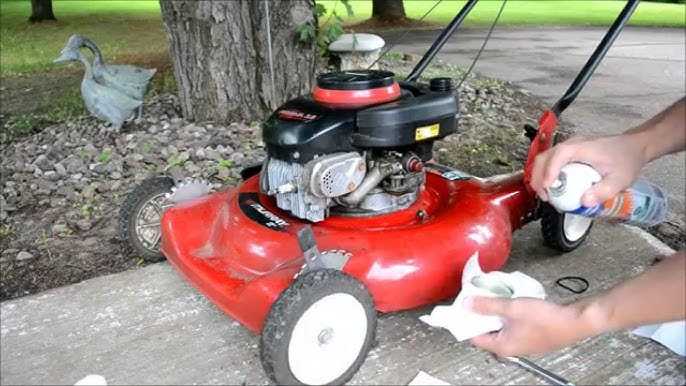
Use carburetor cleaner spray to loosen dirt. If the carburetor is heavily gummed up, consider removing and cleaning it thoroughly or replacing it for best results.
Always follow the manufacturer’s instructions when removing or servicing the carburetor to avoid damaging delicate parts.
Check the Oil Level and Top Up
Proper oil levels are crucial for engine health. Use the dipstick to check the oil.
If the oil looks dirty or is at a low level, drain the old oil and refill with fresh, recommended engine oil. This helps ensure smooth engine operation and easier starting.
Avoid overfilling, as excess oil can cause leaks or engine damage.
Ensure the Blade is Disengaged and Safety Features are Active
Before starting, double-check that the blade is disengaged or in the “off” position. This prevents injury if the mower tries to move during startup.
Activate safety features like the brake and kill switch, which are designed to protect you during operation. Confirm all safety mechanisms are in place.
Starting the Lawn Mower
Now that preparations are complete, follow these steps to start your mower:
- Set the choke to the “on” or “closed” position for cold starts.
- Pull the starter cord firmly but steadily. If electric start is available, press the starter button.
- If the engine sputters, gradually move the choke to the “off” or “open” position.
- Once running smoothly, let the engine warm up for a few minutes before mowing.
If the mower doesn’t start, repeat the process, checking each component for issues.
Additional Tips for a Successful Startup
Sometimes, stubborn engines need extra attention. Here are some additional tips:
- Check the battery if your mower has electric start. Recharge or replace it if necessary.
- Inspect the starter rope or electric motor for damage.
- Ensure all safety features are correctly engaged; some models won’t start if safety switches are off.
- Give the carburetor time to drain or dry if it’s been sitting for years.
Patience is key. If your mower still refuses to start after multiple attempts, consider professional servicing.
Preventative Maintenance Tips for Long-Term Storage
To avoid future problems, maintain your mower properly:
- Empty or add fuel stabilizer before storing the mower for long periods.
- Clean and lubricate moving parts regularly.
- Store the mower in a dry, sheltered location.
- Check and change the oil annually or after heavy use.
Regular maintenance ensures your mower starts easily and lasts longer.
When to Seek Professional Help
If all your efforts fail, it might be time to consult a professional. They can diagnose issues like a bad ignition coil, damaged carburetor, or internal engine problems.
Professional service can save you time and money in the long run and get your mower running like new.
This comprehensive approach, from fuel replacement to detailed inspections, helps you get your lawn mower working again after years of sitting. Remember, patience and thoroughness are your best tools for success.
How To Start A Mower That’s Been Sitting
Frequently Asked Questions
What preliminary steps should I take before attempting to start a lawn mower that has been unused for years?
Begin by inspecting the mower for any visible damage, corrosion, or debris. Remove the spark plug and check for signs of corrosion or carbon buildup. Examine the fuel tank and lines for old or stale fuel, and drain if necessary. Clean or replace the air filter and inspect the blade for rust or damage. Ensure the oil level is adequate and replace it if it looks dirty or old. These steps prepare the mower for a safer and more effective startup.
How can I safely restore the fuel system of a mower that has sat idle for many years?
Start by draining the old fuel from the tank and carburetor to prevent clogging or engine damage. Remove the fuel lines and clean them thoroughly, replacing any brittle or cracked hoses. Check the carburetor for varnish or sediment buildup; if needed, disassemble and clean it with a carburetor cleaner. Refit the system with fresh gasoline if necessary, ensuring no leaks occur. Taking these actions helps restore proper fuel flow and engine performance.
What maintenance procedures are important before attempting to start an engine that hasn’t run in years?
Change the oil to ensure proper lubrication and prevent engine seizure. Inspect and clean or replace the spark plug to allow reliable ignition. Clean or replace the air filter to ensure the engine receives enough clean air. Check the condition of the spark plug wire and connections, securing them properly. Additionally, lubricate moving parts such as wheels and blades if applicable. These maintenance steps set a good foundation for a successful startup.
Should I consider replacing parts like the spark plug or battery when starting an old mower?
Yes, replacing the spark plug is often necessary because it can foul or corrode over time, making it difficult to ignite the fuel-air mixture. If your mower has a battery, check its charge; many old batteries lose their ability to hold a charge and may need replacing. Fresh parts ensure reliable starting and help avoid unnecessary troubleshooting. Always use recommended replacement parts for optimal performance.
What steps can I take if the mower still doesn’t start after initial attempts?
If the mower doesn’t start, verify that the spark plug produces a spark when cranking. Confirm that the fuel system is clean and that there’s adequate fresh gasoline. Make sure the choke and throttle controls are engaged correctly. Inspect the air filter and replace if dirty. If the engine still refuses to start, consider checking the compression or seeking professional assistance. Troubleshooting these areas can identify hidden issues preventing startup.
Final Thoughts
To start a lawn mower after sitting for years, first drain old fuel and replace it with fresh gasoline. Check the spark plug, clean or replace it if necessary. Inspect the oil level and change it if needed.
Ensure the carburetor is clean, as old fuel can cause buildup. Prime the engine if your mower has a primer bulb, then set the choke to the appropriate position.
Finally, pull the starter cord firmly. You may need to repeat these steps a few times. How to start a lawn mower after sitting for years requires patience and proper maintenance to get it running smoothly again.