Yes, you can walk on aerated grass, but with important caveats. It’s crucial to understand the recovery process and limit foot traffic immediately after aeration. Following simple guidelines will help your lawn bounce back stronger and healthier.
Have you recently had your lawn aerated, or are you planning to do it soon? It’s a fantastic way to give your turf the boost it needs to thrive. But a common question that pops up is, “Can you walk on aerated grass?” It seems simple, but the answer has a few nuances that can make a big difference in your lawn’s health and recovery.
Think of aeration like giving your lawn a much-needed massage. You’re creating tiny pathways for essential resources to penetrate the soil, loosening things up for healthier root growth. This process is incredibly beneficial, especially if you have compacted soil that’s preventing your grass from getting what it needs. But just like after a deep tissue massage, your body (or lawn, in this case) needs a little time to recover.
So, can you walk on aerated grass? The short answer is yes, but not right away, and not without a bit of care. Let’s dive into the details so you can make sure you’re giving your lawn the best chance to recover and look its best.
Key Takeaways
- Aeration creates small holes in your lawn. This process relieves soil compaction, allowing air, water, and nutrients to reach the roots more effectively.
- Avoid heavy foot traffic immediately after aeration. The freshly disturbed soil and exposed plugs are vulnerable to damage and can get re-compacted.
- Light walking is generally acceptable after 24-48 hours. For most turf types, allowing the lawn to rest for a day or two is sufficient for initial recovery.
- Observe your lawn’s condition. The type of aerator used, the weather, and your grass species all influence how quickly your lawn recovers.
- Wait for plugs to break down. If your lawn has prominent cores or plugs, it’s best to wait until they have naturally decomposed before resuming regular activity.
- Minimize activity on very wet or dry soil. Walking on aerated soil under extreme moisture conditions can cause more harm than good.
- Focus on lawn recovery. The goal after aeration is to allow your grass to thrive, and mindful foot traffic plays a role in this.
Quick Answers to Common Questions
How soon can I walk my dog on aerated grass?
It’s best to keep your dog off aerated grass for at least 24-48 hours. Dogs can be rougher on lawns, and their paws can re-compact the loose soil and damage the newly exposed areas. Wait until the soil plugs have started to break down.
Can I use a lawn roller on aerated grass?
Generally, it’s not recommended to use a lawn roller on aerated grass immediately after the process. The purpose of aeration is to loosen compacted soil, and rolling would counteract this benefit by re-compacting the soil. Wait until the lawn has recovered, and the plugs have broken down.
Should I water my grass after aeration?
Yes, lightly watering your lawn after aeration can be beneficial. It helps to settle the soil, break down the soil plugs more quickly, and deliver nutrients to the root zone. However, avoid overwatering, which can lead to waterlogged conditions.
Will aeration kill my grass?
No, aeration is a beneficial process that promotes grass health. While it looks disruptive, the small holes created allow for better air, water, and nutrient penetration, leading to stronger root growth and a healthier lawn. It’s designed to improve, not harm, your grass.
How often should I aerate my lawn?
The frequency of aeration depends on your soil type and lawn usage. For most lawns, aerating once a year is sufficient. Lawns with heavy foot traffic or compacted clay soil may benefit from aeration twice a year, typically in the spring and fall.
📑 Table of Contents
- Understanding the Aeration Process
- The Immediate Aftermath: What to Expect
- So, Can You Walk on Aerated Grass? The Timing Matters
- Factors Influencing Recovery Time
- Tips for Minimizing Lawn Damage After Aeration
- When to Reconsider Walking on Your Aerated Lawn
- Conclusion: Tread Lightly for a Healthier Lawn
Understanding the Aeration Process
Before we talk about walking on it, let’s quickly touch on what aeration actually does. Lawn aeration is a process that involves removing small plugs or cores of soil from your lawn. This is typically done with a core aerator, which pulls out these soil cylinders. The main goals of aeration are:
Relieving Soil Compaction
Over time, foot traffic, heavy equipment, and even natural soil settling can lead to soil compaction. When soil is compacted, the air pockets are squeezed out, making it difficult for water and nutrients to penetrate. This can stunt grass growth and make your lawn more susceptible to disease and drought. Aeration creates space within the soil, alleviating this compaction.
Improving Air, Water, and Nutrient Penetration
With compacted soil, it’s like trying to water a brick. Water and nutrients struggle to reach the grass roots. The holes created by aeration act as tiny channels, allowing these vital elements to seep down to the root zone, where the grass can effectively absorb them. This leads to deeper, stronger root development.
Enhancing Thatch Decomposition
Thatch is a layer of dead and living organic matter that builds up between the grass blades and the soil surface. A thin layer is normal and can be beneficial, but excessive thatch can act like a sponge, holding water on the surface and preventing air and nutrients from reaching the soil. Aeration helps break up this thatch layer, allowing it to decompose more readily.
Stimulating Grass Growth
By improving the soil environment, aeration encourages healthier and more vigorous grass growth. This is especially beneficial for cool-season grasses in the fall and warm-season grasses in the late spring or early summer.
The Immediate Aftermath: What to Expect

Visual guide about Can You Walk on Aerated Grass?
Image source: img.freepik.com
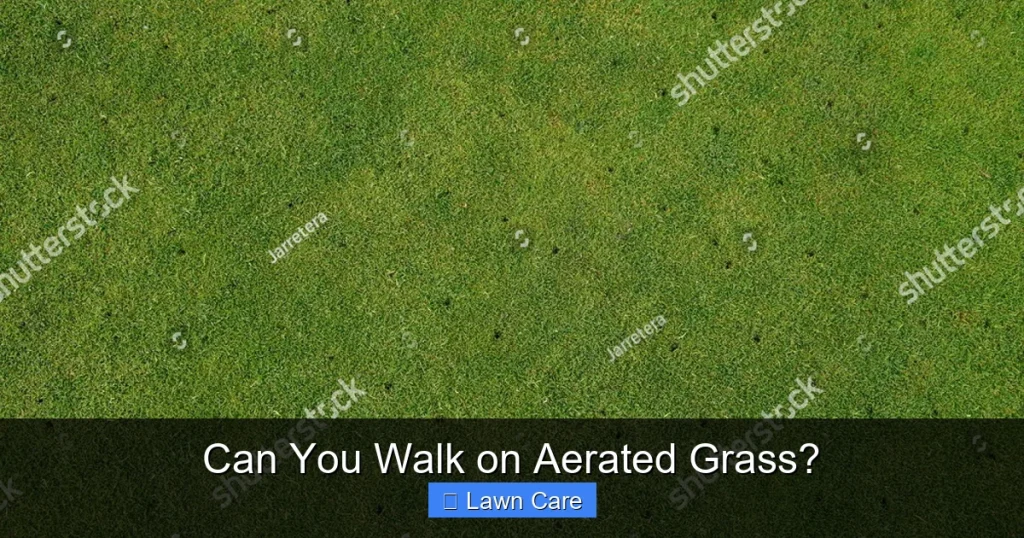
After your lawn has been aerated, it won’t look its best for a short period. You’ll likely see small holes or plugs of soil scattered across the surface. This is completely normal and a sign that the process has been effective. The soil will be loose around these holes, and the grass might look a little disturbed.
This is the critical phase where you need to be mindful of foot traffic. The soil is at its most vulnerable right after aeration. If you step on these disturbed areas, especially with any force, you risk re-compacting the very soil you just worked to loosen. This can undo some of the benefits of the aeration and prolong your lawn’s recovery time.
So, Can You Walk on Aerated Grass? The Timing Matters
Visual guide about Can You Walk on Aerated Grass?
Image source: getsigns.com.au
The short answer to “Can you walk on aerated grass?” is **yes, but give it time**. Here’s a breakdown of the recommended timelines:
The First 24-48 Hours: Time for a Break
For the first 24 to 48 hours after aeration, it’s best to avoid walking on your lawn as much as possible. This is especially true for anything that involves significant weight or pressure, like playing catch, hosting a barbecue, or even letting pets roam freely. Think of it as a resting period for your lawn. This initial rest allows the soil to settle slightly and the grass to begin recovering from the process. For lawns with very sandy soil or those aerated with a more aggressive machine, you might want to extend this period.
After 48 Hours: Light Foot Traffic is Usually Okay
After that initial 24-48 hour rest period, light foot traffic is generally acceptable for most turf types. This means a casual stroll across the lawn, walking from your house to the car, or for children to briefly play. However, it’s still wise to be gentle. Avoid jumping, running, or standing in one spot for too long, as this can still cause re-compaction.
When to Resume Normal Activity
The timeline for resuming normal lawn activity can vary. A good rule of thumb is to wait until the plugs of soil have started to break down and integrate back into the lawn. This can take anywhere from a week to two weeks, depending on the weather and your grass type. Once the plugs have mostly disappeared and the soil appears more uniform, you can generally resume regular lawn use. If you’ve overseeded after aeration, it’s even more important to be gentle to protect the new seedlings.
Factors Influencing Recovery Time

Visual guide about Can You Walk on Aerated Grass?
Image source: goqii.com
Several factors can influence how quickly your lawn recovers and when it’s safe to resume normal activity.
Type of Aerator Used
* **Core Aerators:** These machines pull out soil plugs. While they are very effective, they leave visible cores on the surface, and the lawn generally needs more time to recover before heavy traffic.
* **Spike Aerators:** These machines push spikes into the soil without removing plugs. While less disruptive, they can sometimes compact the soil further if not used carefully. Lawns treated with spike aerators may recover faster, but the benefits for severe compaction are less significant than with core aeration.
Weather Conditions
* **Moisture:** A slightly moist soil is ideal for aeration. If the soil is too wet, the holes can become muddy and prone to collapsing, hindering recovery. If it’s too dry, the aeration might not be as effective. After aeration, moderate rainfall or watering can help the plugs break down.
* **Temperature:** Grass grows best in specific temperature ranges. If you aerate during your grass’s active growing season (e.g., spring or fall for cool-season grasses, late spring/summer for warm-season grasses), it will recover faster.
Grass Type and Health
Different grass species have varying growth rates and resilience. For example, a healthy, vigorous lawn of Bermuda grass or Zoysia grass might recover more quickly than a stressed or slow-growing lawn. If your lawn is already struggling with disease or pests, it might take longer to bounce back from aeration.
Soil Type
* **Clay Soils:** These soils tend to hold moisture and compact easily. Aerating clay soil can be very beneficial, but the plugs might take longer to break down than in sandy soils.
* **Sandy Soils:** These soils drain well but can also compact. Plugs in sandy soil might break down faster, but the soil can be more prone to disruption.
Tips for Minimizing Lawn Damage After Aeration
Even when you’re being careful, a few extra steps can help your lawn recover more smoothly.
Watering After Aeration
Lightly watering your lawn after aeration can help settle the soil and break down the plugs faster. However, avoid overwatering, as this can lead to waterlogging and hinder root growth. Aim for a light, even watering.
Dealing with the Plugs
Don’t rake up the soil plugs immediately, unless they are excessively large and clumping together. The plugs are essentially nutrient-rich soil, and as they break down, they will return valuable organic matter to your lawn. You can lightly go over them with a mower (without the bag) after a few days to help them break apart. If you’ve applied a new fertilizer or seed, you might want to gently rake them to ensure good seed-to-soil contact.
Overseeding After Aeration
Aeration is the perfect time to overseed your lawn, as the holes provide an ideal environment for new seeds to germinate. If you’ve overseeded, it’s even more crucial to limit foot traffic for an extended period. The delicate new seedlings are very susceptible to damage. You want to protect every single one of them!
Avoid Fertilizing Immediately
While aeration is a great time to fertilize, it’s generally best to wait a few days after aeration and light traffic has resumed. Applying heavy fertilizers to disturbed soil can sometimes “burn” the grass. Check the fertilizer packaging for specific instructions.
Monitor for Weed Invasion
Aeration can sometimes bring dormant weed seeds to the surface. Be vigilant and address any emerging weeds promptly. Early intervention is key to preventing them from establishing themselves. Consider how you’ll tackle weeds; for example, if you’re dealing with specific types of weeds, you might need to research the best approach for that particular issue.
When to Reconsider Walking on Your Aerated Lawn
There are a few scenarios where you should be extra cautious or even avoid walking on your aerated lawn altogether.
Very Wet Conditions
If it’s been raining heavily, or the soil is saturated, the ground will be soft and unstable. Walking on aerated, waterlogged soil can cause significant damage, creating deep ruts and further compacting the soil. Wait for the soil to dry out to a workable moisture level.
Extremely Dry and Brittle Conditions
Conversely, if the soil is extremely dry and brittle, the aeration holes might not be as effective, and walking on it could cause more disruption to the dry surface than intended. In such cases, it’s better to wait for a little moisture before resuming activity.
Visible Damage
If you notice that after aeration, your lawn looks particularly stressed, or the holes are very deep and not breaking down, it might indicate a more sensitive lawn or a more aggressive aeration. In these cases, err on the side of caution and extend the resting period.
Specific Grass Types
Some grass types, like Bentgrass, can be more sensitive to disturbance and may require a longer recovery period. Always consider the specific needs of your lawn.
Conclusion: Tread Lightly for a Healthier Lawn
So, to circle back to our main question: can you walk on aerated grass? Yes, you can, but patience and mindful action are your best friends. The immediate period after aeration is crucial for your lawn’s recovery. By giving it a 24-48 hour break from heavy foot traffic and then resuming gentle activity, you’re setting the stage for a stronger, healthier, and more resilient lawn.
Remember, aeration is an investment in your lawn’s future. Treating it with a little extra care during its recovery phase will pay off in lush green growth, better water and nutrient absorption, and a more beautiful landscape. Pay attention to your lawn’s specific needs, observe its recovery, and always prioritize its health. Your efforts will be rewarded with a lawn that not only looks good but feels good too – even when you’re walking on it!
Frequently Asked Questions
What are the visible signs of aeration on my lawn?
After aeration, you’ll notice small holes or plugs of soil on the surface of your lawn. The grass might also look a bit disturbed. This is a normal sign that the aeration process has been effective.
How long until the plugs from aeration disappear?
The soil plugs left by aeration typically break down and disappear within one to two weeks. This process is aided by rainfall, watering, and normal lawn activity. The speed of breakdown can depend on your soil type, weather conditions, and grass species.
Is it okay to fertilize after aerating my lawn?
Yes, fertilizing after aeration is often recommended, as the holes allow nutrients to reach the root zone more effectively. However, it’s usually best to wait a few days after aeration and light traffic has resumed. Always follow the fertilizer manufacturer’s instructions.
Can I walk on my lawn if it has been spiked instead of core aerated?
Spike aeration is generally less disruptive than core aeration. While it’s still best to avoid excessive traffic immediately after, light walking might be permissible sooner. However, always observe your lawn’s condition and err on the side of caution to ensure the best recovery.
What if I accidentally step on an aerated spot?
Don’t worry too much if you accidentally step on a freshly aerated spot. The key is to avoid repeated or heavy pressure on these areas. A single accidental step is unlikely to cause significant damage, especially if you are mindful of your footing going forward.
Can I mix different types of grass seed after aerating?
Yes, aerating is an excellent time to overseed your lawn. If you’re looking to introduce new grass varieties or fill in thin patches, this is the ideal moment. The aeration holes provide a great environment for new seeds to germinate and establish.