To seed a lawn effectively, prepare the soil well, choose the right grass type for your climate, evenly spread the seeds, and keep the soil consistently moist until the grass is established. Using proper techniques ensures a lush, healthy lawn that can withstand wear and weather changes.
Seeding a lawn might seem straightforward, but doing it right can make all the difference between patchy grass and a lush, green carpet. The key is to start with good soil preparation, pick the best seeds suited for your environment, and then follow a consistent watering schedule. With a bit of patience and proper care, your lawn will grow strong and beautiful, transforming your outdoor space into a welcoming oasis. Whether you’re reviving an old yard or starting fresh, these simple steps will help you achieve a vibrant and even lawn that you’ll love to enjoy.

How Do I Seed a Lawn Effectively
Understanding the Basics of Lawn Seeding
Seeding your lawn is a great way to create a lush, green space. The key is to plant the right grass in the right way. First, know your soil type and choose grass seed suited for your climate and soil conditions. This ensures healthy growth from the start.
Healthy soil is the foundation of a good lawn. Test your soil to check its acidity and nutrient levels. Adding soil amendments like compost or fertilizer can improve soil quality, helping seeds germinate faster. Once your soil is ready, you can start seeding.
Selecting the Right Grass Seed
Choosing the correct grass seed is essential for effective seeding. Consider your lawn’s sunlight exposure, foot traffic, and moisture levels. For sunny areas with lots of activity, tall fescue or Bermuda grass work well.
For shaded parts of your yard, fine fescue or certain types of bluegrass are better suited. Look for seeds labeled for your specific needs. Also, pick a high-quality seed that contains a mix of varieties for better resilience and coverage.
Preparing Your Lawn Before Seeding
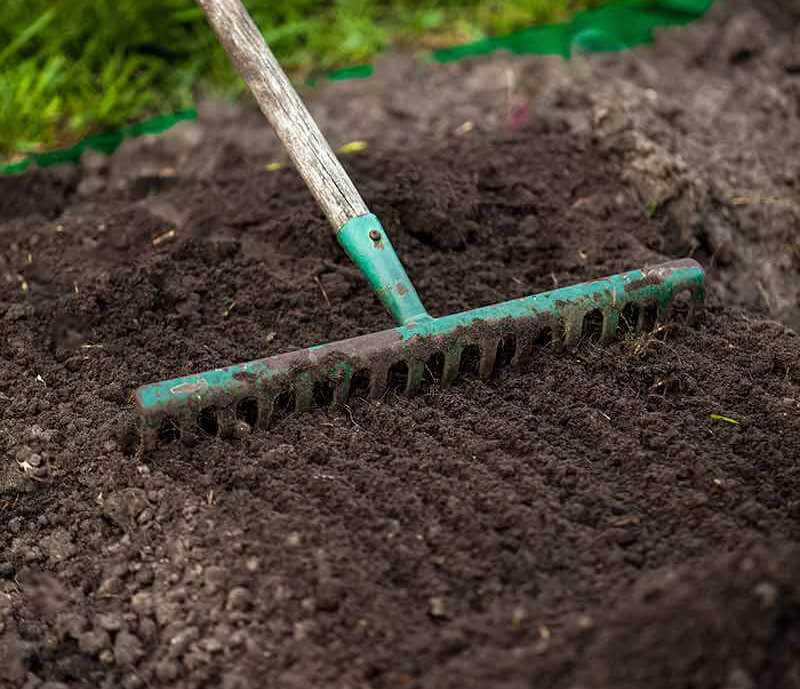
Preparation begins with clearing debris, weeds, and old grass from your yard. Use a rake or dethatcher to loosen compacted soil. Raking helps create a fine seedbed, which makes it easier for seeds to settle and grow.
Loosen the top few inches of soil to improve aeration and water penetration. If your soil is overly compacted or poorly drained, consider adding topsoil or organic matter. Proper preparation improves seed-to-soil contact, increasing germination rates.
Timing Is Everything for Effective Seeding
Timing your seeding is crucial for success. Typically, cool-season grasses are best seeded in early fall or early spring when temperatures are moderate. Warm-season grasses thrive when planted in late spring or early summer after the soil warms up.
Avoid seeding during extreme heat or cold, as this can hinder germination. Check your local weather forecast and plan your seeding accordingly.
How to Sow Grass Seed Properly
For even coverage, use a spreader—either handheld or mechanical—according to the seed bag instructions. Go over the area in multiple directions to distribute seeds uniformly. This prevents patches of bare ground or overlapping seed.
After spreading, lightly rake the area to press seeds into the soil. A gentle raking or rolling helps improve seed-to-soil contact, which is vital for germination. Water the area gently but thoroughly afterward.
Watering Tips for Successful Germination
Consistent moisture encourages germination and healthy seedling growth. Keep the soil consistently damp—never soggy—by watering lightly several times a day if needed. Adjust frequency based on weather conditions and soil moisture levels.
Once seeds sprout and seedlings grow taller, reduce watering frequency but increase the depth of watering. Deep watering encourages roots to grow downward, making your lawn more drought-resistant.
Maintaining Your Lawn After Seeding
As the grass begins to grow, keep foot traffic limited to avoid damaging young shoots. Fertilize lightly with a starter fertilizer high in phosphorus to support root development.
Mow your new lawn when the grass reaches about 3 inches tall, cutting it to 2 inches. Regular mowing helps the lawn develop a dense, healthy appearance and prevents weed growth.
Dealing with Common Seeding Problems
If patches of grass fail to grow, check for issues like poor soil contact, inadequate watering, or shade. Reseed bare spots promptly using fresh seed and proper preparation.
Weeds can compete for nutrients and water; hand pull or use selective herbicides if necessary. Avoid overwatering to prevent fungal diseases, which can harm young grass.
Tips for a Successful Lawn Seeding Project
- Use high-quality seed suited for your specific conditions
- Prepare the soil thoroughly before seeding
- Seed at the right time based on your grass type and climate
- Apply seeds evenly and press them into the soil
- Keep the soil moist but not waterlogged during germination
- Fertilize and mow appropriately as your lawn grows
- Address problems quickly to maintain healthy growth
Additional Techniques for Better Results
Consider overseeding an existing lawn to improve density and fill in bare spots. Aeration helps loosen compacted soil, promoting better seed germination and root growth. Using a combination of seeding methods like slit-seeding or hydroseeding can also increase efficiency and coverage.
Implementing proper lawn care routines—such as aeration, dethatching, and regular fertilization—supports the long-term health of your new grass. These practices help prevent problems like thatch buildup and soil compaction.
Related Topics to Improve Your Lawn
Levelling and Repairing Lawns
Fix uneven areas by raking and adding topsoil before seeding or sod laying. Proper grading prevents water pooling and promotes healthy grass growth.
Fertilizer Application
Use a balanced fertilizer to supply essential nutrients. Apply according to manufacturer instructions, especially during early growth stages.
Dealing with Pests and Diseases
Monitor your lawn regularly for signs of pests or disease. Use eco-friendly solutions and avoid chemical overuse to protect your lawn and environment.
Seeding your lawn effectively requires preparation, patience, and proper care. By following these steps, you can establish a vibrant, dense lawn that stays healthy year after year. Keep track of your progress and adjust your methods as needed for the best results.
How to Plant a yard and grass seed like a pro – Grow a new lawn, overseeding, yard & sod care tips
Frequently Asked Questions
What is the best time of year to plant new grass seed?
The most suitable time to seed your lawn depends on your grass type and local climate. Generally, cool-season grasses like fescue and bluegrass grow best in early fall or early spring when temperatures are moderate. Warm-season grasses such as Bermuda and Zoysia thrive when soil temperatures are consistently warm, typically late spring through summer. Planting during these optimal periods helps ensure good germination and healthy grass development.
How should I prepare the soil before seeding?
Start by removing any existing grass, weeds, and debris from the area. Loosen the top 2-3 inches of soil using a rake or tiller to improve drainage and root penetration. Address any soil compaction and incorporate organic matter or compost to enrich nutrients. Level the surface to create a smooth, even bed that allows seeds to make good contact with the soil. Proper preparation sets the foundation for successful germination and growth.
What techniques can I use to ensure even seed distribution?
Use a seed spreader, either handheld or powered, to distribute seeds uniformly across the prepared soil. Follow the recommended seeding rate indicated on the seed packaging. After broadcasting the seeds, lightly rake the area to improve seed-to-soil contact. Alternatively, you can apply seed in two perpendicular directions—such as first along the length and then across the width—to promote even coverage. Consistent distribution enhances germination and results in a dense, healthy lawn.
How can I protect the seeds during the germination process?
Apply a thin layer of mulch or straw over the freshly seeded area to help retain moisture, regulate soil temperature, and prevent erosion. Water gently but thoroughly immediately after seeding and keep the soil consistently moist through regular watering, especially during dry periods. Avoid heavy watering that could wash away seeds; instead, use light, frequent watering to sustain moisture levels enough to encourage germination. Protecting seeds ensures they establish strong roots and develop into healthy plants.
Final Thoughts
To seed a lawn effectively, choose the right grass type for your climate and soil. Prepare the soil by removing debris and aerating to ensure good contact between seeds and the ground. Spread the seed evenly using a broadcast spreader for uniform coverage. Water lightly but frequently to keep the soil moist.
In conclusion, how do I seed a lawn effectively? Focus on proper soil preparation, selecting suitable seed, and consistent watering. These steps help ensure healthy germination and growth, leading to a lush, green lawn.