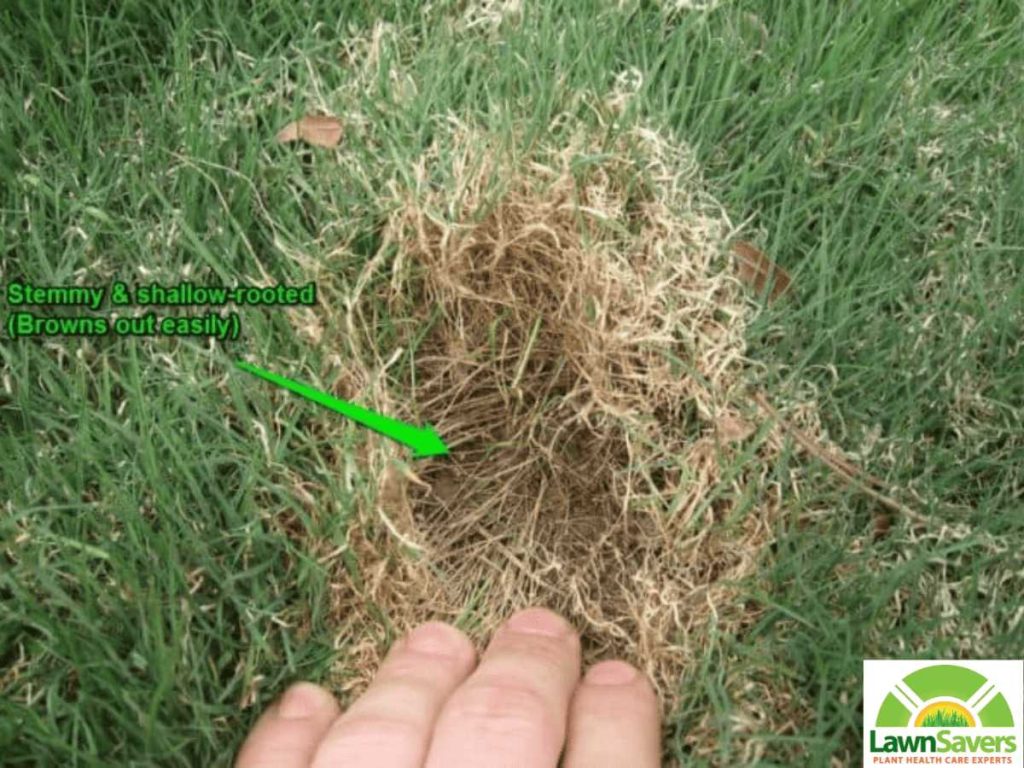
Yes, you can remove bentgrass from your lawn, but it requires effort and proper technique. The process involves physical removal, chemical treatments, or a combination of both to effectively eliminate this aggressive turfgrass. Keeping bentgrass out of your lawn is possible with consistent maintenance and the right approach.
If you’re battling unwanted bentgrass in your yard, don’t worry—removing it is achievable with patience and the right methods. Whether it’s invasive or just not fitting your lawn’s aesthetic, tackling bentgrass can be straightforward once you understand the best strategies. In this article, we’ll explore how to identify bentgrass, the most effective removal techniques, and tips to prevent its return, helping you restore your lawn to its desired state effortlessly.

Can You Take Out Bentgrass?
Understanding Bentgrass and Its Common Uses
Bentgrass is a type of grass that is often used on golf courses and lawns because of its fine texture and dense growth. It thrives in cool, moist environments and provides a smooth, attractive surface. However, some homeowners and landscapers may want to remove it for various reasons.
Reasons for Removing Bentgrass
People may want to take out bentgrass if:
- It is invading areas where other grass types are preferred
- It has become unhealthy or patchy
- They are replacing it with more drought-tolerant or resistant grasses
- It is causing maintenance problems
Understanding these reasons helps guide the removal process and choose the right method.
Can You Completely Remove Bentgrass?
Yes, it is possible to remove bentgrass from your lawn or garden area. However, because bentgrass can spread via runners and seeds, removal sometimes takes time and effort. Patience and consistent action are key to success.
Methods for Removing Bentgrass
There are several ways to take out bentgrass, depending on the size of the area and your goals. Let’s explore each method in detail.
1. Manual Removal
Manual removal involves digging up the grass by hand or with tools. Use a spade or sod cutter to lift out the bentgrass. Make sure to remove the root system completely to prevent regrowth. This method is best for small patches or spot treatments.
Advantages:
- Cost-effective for small areas
- No chemicals involved
Disadvantages:
- Labor-intensive and time-consuming
- May not remove all roots, leading to regrowth
2. Solarization Technique
This method uses the sun’s heat to kill the grass and roots. Cover the area with clear plastic sheeting for about 4 to 6 weeks during hot weather. The intense heat destroys the bentgrass and seeds.
Benefits:
- Non-chemical approach
- Effective on large areas
Limitations:
- Requires several weeks of sunny weather
- Prevents other plant growth during the process
3. Herbicide Application
Applying a selective or non-selective herbicide can kill bentgrass. Glyphosate-based herbicides are common choices for non-selective removal. Spray the herbicide evenly across the grass, following manufacturer instructions.
Important Tips:
- Apply during active growth for best results
- Ensure proper safety precautions
- Repeat treatments may be necessary
Pros and Cons:
- Effective for large areas
- Fast results
- Risk of damaging surrounding plants
Considerations Before Removing Bentgrass
Knowing what to expect helps prevent problems after removal. Think about:
- The size of the area
- The health of the existing lawn
- The type of grass or ground cover you want to replace it with
- Environmental conditions like sunlight, moisture, and soil type
Preparing Your Lawn for New Grass
After removing bentgrass, prepare the soil properly to encourage healthy growth of new grass. Follow these steps:
Soil Testing
Test your soil to check for nutrient levels and pH. Adjust soil conditions by adding lime or fertilizer if needed.
Soil Removal and Tilling
Remove remaining roots and debris, then loosen the soil with a tiller to ensure good seed-to-soil contact.
Adding Soil Amendments
Incorporate organic matter like compost to improve drainage and fertility.
Seeding or Laying Sod
Choose a suitable grass type for your climate and sunlight exposure. Follow proper planting techniques for best results.
Controlling Bentgrass in the Future
Preventing bentgrass from returning involves proper lawn care and maintenance.
Regular Lawn Maintenance
Mow at the correct height, water deeply but infrequently, and fertilize appropriately.
Addressing Undesirable Growth
Keep an eye out for re-emerging bentgrass and remove it early using spot treatments or manual removal.
Enhancing Lawn Health
A healthy lawn naturally resists invasive grasses. Aerate, overseed, and maintain optimal soil conditions.
When to Call Professionals
For large areas or stubborn infestations, it’s wise to seek help from lawn care specialists. They can accurately identify the problem and apply appropriate chemical or soil treatments.
Related Topics to Consider
- Choosing the Right Grass for Your Climate: Not all grasses grow well everywhere. Select species suited to your weather and soil.
- Best Lawn Maintenance Practices: Healthy lawns are better at resisting weeds and invasive grasses.
- Soil Fertility and pH Management: Regular testing helps keep your soil in top shape for new grass growth.
Summary of Key Points
Removing bentgrass is entirely feasible with the right approach. Manual removal, solarization, and herbicides are common methods, each suitable for different situations. Preparing the soil properly afterward ensures a healthy, lush lawn free of unwanted grasses. Regular maintenance and early intervention help keep bentgrass from returning quickly.
This comprehensive understanding allows you to make informed decisions on removing bentgrass from your property effectively. With patience and proper techniques, you’ll be able to restore your lawn to your desired condition.
HOW TO GET RID OF BENTGRASS IN YOUR LAWN FOR BEGINNERS
Frequently Asked Questions
What methods are effective for removing bentgrass from a lawn?
Removing bentgrass can be achieved through various methods, including manual removal, turf renovation, or herbicide application. Manual removal involves physically pulling the grass or using tools to dig up affected areas. Turf renovation involves killing the existing bentgrass and reseeding or sodding with desired grass types. Herbicides formulated to target bentgrass can also be used, but it’s essential to follow the manufacturer’s instructions carefully to avoid damaging surrounding grasses.
Can I control bentgrass growth without renovating my entire lawn?
Yes, controlling bentgrass growth without full renovation is possible through targeted strategies. Applying selective herbicides designed for bentgrass can suppress or eliminate it from specific spots. Regular overseeding with compatible turfgrass can help dilute its presence over time. Proper lawn maintenance, including regular mowing, fertilization, and watering, also helps strengthen the desired grasses, making it harder for bentgrass to establish and spread.
Is it necessary to remove bentgrass if it becomes invasive on my golf course?
Invasive bentgrass can challenge the overall condition of a golf course, especially if it encroaches on fairways and greens. Removing it becomes a practical step to maintain turf quality and playability. You can opt for chemical treatments or mechanical removal methods, followed by overseeding with resilient turfgrass varieties. Consistent monitoring and maintenance help prevent its recurrence and preserve the course’s integrity.
How long does it take to completely eliminate bentgrass from a lawn?
The timeline for removing bentgrass depends on the extent of infestation and the method used. Chemical treatments with herbicides may take several weeks to show visible results, and multiple applications might be necessary. Mechanical removal or turf renovation can take longer, often requiring a few months for complete renewal, especially if reseeding or sodding is involved. Patience and ongoing maintenance are key to achieving a lawn free of bentgrass.
Are there any environmental considerations when removing bentgrass?
Yes, consider the environmental impact of the removal methods you choose. Herbicide use should be carefully managed to prevent runoff into water sources and harm to non-target plants. Mechanical removal minimizes chemical use but can disturb the soil and surrounding environment. Always follow local regulations and best practices to minimize any negative effects on the environment while effectively controlling bentgrass.
Final Thoughts
You can remove bentgrass from your lawn with proper techniques. Using selective herbicides is effective for controlled removal. Manual removal also works well for smaller areas.
Consistent maintenance prevents bentgrass from re-establishing. Regular aeration and proper mowing help keep your lawn healthy and resistant to unwanted grasses.
Can you take out bentgrass? Yes, you can. Focus on targeted treatments and ongoing care to achieve the desired results efficiently.