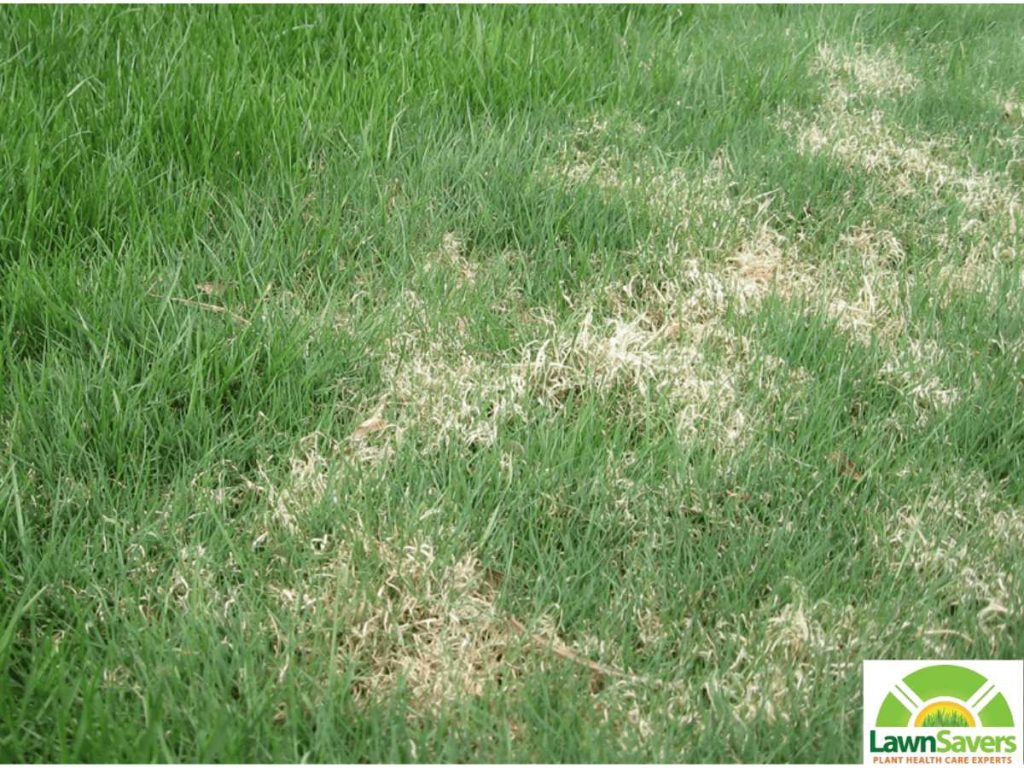
Yes, you can overseed over bentgrass, but the success depends on proper timing and preparation. Overseeding can rejuvenate thinning or damaged bentgrass lawns, promoting a lush, dense surface, but it requires careful techniques to ensure good seed-to-soil contact and establishment.
In short, overseeding over bentgrass is possible and can improve the health and appearance of your lawn, but it’s essential to follow the right steps for successful germination and growth. Proper aeration, mowing, and choosing the right seed blend are key factors that make overseeding effective.
If you’re wondering whether you can overseed over bentgrass, the answer is yes, but it’s not always straightforward. Bentgrass, known for its fine texture and durability, can sometimes become thin or patchy over time due to stress, disease, or wear. Overseeding is a great way to revitalize your lawn—bringing in new grass seed to fill in bare spots and enhance density. However, because bentgrass has a dense growth habit and specific soil requirements, overseeding must be done with the right approach. When timed correctly—typically in early fall or spring—and combined with aeration and proper fertilization, overseeding can breathe new life into your bentgrass lawn, making it healthier and more resilient.

Can You Overseed Over Bentgrass? A Complete Guide
Understanding Bentgrass and Its Role in Your Lawn
Bentgrass is a popular choice for golf courses and sports fields because of its fine texture and dense growth. It thrives in cooler weather and prefers moist, well-drained soil. Many homeowners also choose bentgrass for its smooth, uniform appearance.
However, bentgrass can become thin or patchy over time. This often prompts questions about overseeding. Can you overseed over bentgrass without damaging it? The answer depends on several factors, which we will explore below.
What Is Overseeding and Why Do It?
Overseeding involves spreading new grass seed over an existing lawn. This process helps fill in bare or thin areas and improves the overall health and look of the grass. Overseeding can also introduce new grass varieties that are more tolerant to heat, drought, or pests.
In the case of bentgrass lawns, overseeding is often used to maintain a lush surface during the growing season. It also helps repair damage caused by disease, foot traffic, or other stressors.
Challenges of Overseeding Over Bentgrass
Overseeding over bentgrass can be tricky because of its dense root system and fine texture. The existing grass cover can prevent new seeds from settling deeply into the soil. Additionally, if the bentgrass is stressed or has a weakened root system, overseeding might not take hold properly.
Another issue to consider is the timing of overseeding. Doing it at the wrong time can lead to poor germination or competition between old and new grass. Proper preparation and timing are key to successful overseeding.
When Is the Best Time to Overseed Bentgrass?
The best time to overseed bentgrass is during its active growth period in cooler months. Early fall or late summer are ideal times because the soil is still warm enough for seed germination. This allows new seedlings to establish before winter.
Avoid overseeding during extreme heat or cold. Hot weather can stress new seedlings, while freezing temperatures can kill young plants. Spring can be a good alternative, but it’s often more challenging because weed growth is also active then.
Preparing the Bentgrass Lawn for Overseeding
Preparation is essential for successful overseeding over bentgrass. Begin by mowing the existing grass short, about ½ to 1 inch high. This exposes the soil surface, helping seeds contact the ground.
Next, aerate the soil to reduce compaction and increase air, water, and nutrient penetration. Using a core aerator creates holes that provide a better environment for seed germination.
Finally, remove any debris, thatch, or dead grass. A rake or dethatching tool can loosen the surface, making space for new seeds to settle.
Choosing the Right Grass Seed for Overseeding
Select a seed type compatible with the existing bentgrass. Many prefer to overseed with similar or compatible cultivars to maintain uniformity.
Look for high-quality seed with a good germination rate. Check for disease resistance and tolerance to local climate conditions. Popular choices include creeping bentgrass varieties for golf courses or turf-type tall fescue for more tolerant lawns.
Seeding Techniques for Overseeing Bentgrass
Use a broadcast spreader or overseeding machine for even distribution of seeds. Apply seed at the recommended rate specified on the seed bag.
After seeding, lightly rake the surface to ensure contact between seeds and soil. Applying a thin layer of compost or soil helps protect young seedlings and retains moisture.
Water the area gently but thoroughly after overseeding. Maintain consistent moisture to keep the soil damp but not saturated during germination.
Watering and Maintenance After Overseeding
Proper watering is crucial for seed germination. Keep the soil consistently moist, watering at least once daily if weather is warm or dry.
Avoid heavy watering to prevent seed runoff or erosion. Use light, frequent watering sessions to promote healthy root development.
Once seedlings emerge, gradually reduce watering frequency but increase the depth of watering sessions. Mow the new grass once it reaches about 2 inches in height, cutting no more than one-third of the grass blade at a time.
Dealing with Common Problems in Overseeding Bentgrass
A common issue is poor seed germination, which can result from improper watering or soil preparation. Ensuring the seed contacts the soil and maintaining optimal moisture help prevent this.
Weed invasion can also interfere with seedling growth. Applying a selective herbicide before overseeding or hand-pulling weeds can protect new grass.
Pests and diseases like dollar spot or brown patch may affect stressed bentgrass. Regular monitoring and prompt treatment help maintain a healthy lawn.
Can You Overseed Over Old or Dormant Bentgrass?
Yes, overseeding over dormant or stressed bentgrass is often effective. Dormant grass provides less competition, allowing new seeds to establish more easily.
However, for best results, soil preparation and proper timing are essential. Avoid overseeding during winter when the grass is fully dormant, as seed germination will be poor.
Alternatives to Overseeding Over Bentgrass
If overseeding seems challenging, consider other options. Renovation might involve removing old grass and reseeding the entire area.
Sod installation is another quick method to establish a thick, uniform lawn. This approach works well if the existing bentgrass is severely damaged or diseased.
Benefits of Overseeding Over Bentgrass
Overseeding can help maintain a lush, green lawn with minimal disturbance. It strengthens the grass against pests, diseases, and environmental stressors.
Regular overseeding also promotes a dense turf, reducing weed invasion and improving the overall aesthetic. It is a cost-effective way to keep your lawn healthy and vibrant.
Final Tips for Successful Overseeding on Bentgrass
Always choose the right seed for your climate and soil. Properly prepare your lawn before seeding, and follow recommended watering practices.
Patience is vital; it may take several weeks before the new grass fully fills in. Regular maintenance, including mowing and fertilization, will help your overseeded lawn thrive.
By understanding these key steps, overseeding over bentgrass can lead to a healthy, beautiful lawn that stands the test of time.
How to Care for Bentgrass | DoMyOwn.com
Frequently Asked Questions
Is it advisable to overseed a bentgrass lawn during the growing season?
Overseeding bentgrass during the peak growing season can be effective because the conditions are ideal for seed germination and establishment. Warm soil temperatures and active growth promote quicker seed take, helping rejuvenate thin or damaged areas. However, ensure that the soil remains moist and avoid overseeding during extreme heat or drought conditions to prevent stress on the new seedlings.
What steps should I take before overseeding over existing bentgrass?
Before overseeding, mow the existing bentgrass to a lower height to reduce competition. Rake the surface to remove debris and thatch, which can hinder seed contact with the soil. Aerate the turf to create better soil seed contact and improve water penetration. Apply a soil amendment if necessary to enhance seedbed quality, and then spread the overseeding seed evenly across the area.
How does overseeding over bentgrass affect the overall health of the turf?
Overseeding over bentgrass can improve turf density and fill in bare or thin spots, leading to a healthier and more resilient lawn. It helps introduce new grass varieties that may be more disease-resistant or better suited to changing weather conditions. Proper overseeding, combined with good maintenance practices, ensures the existing bentgrass remains vigorous and less prone to weeds and pests.
Can I overseed bentgrass with a different grass species?
Yes, you can overseed bentgrass with a different cool-season grass species such as fine fescue or perennial ryegrass. Mixing grasses can improve turf diversity and resilience. However, choose a species compatible with bentgrass in terms of growth rate, maintenance requirements, and environmental preferences to ensure they establish well together.
What are the best times of year to overseed bentgrass lawns?
The optimal times for overseeding bentgrass are in early spring or early fall. During these periods, temperatures are moderate, and conditions favor seed germination and growth. Fall overseeding allows seedlings to establish before winter, while spring overseeding takes advantage of the active growing season to quickly fill in bare spots.
Final Thoughts
Yes, you can overseed over bentgrass to improve your lawn or golf course. Proper preparation ensures that new seeds establish successfully over the existing bentgrass. Use appropriate overseeding techniques and choose compatible seed varieties for the best results.
In conclusion, can you overseed over bentgrass? Absolutely. With careful planning and execution, overseeding revitalizes the turf, making it healthier and more resilient.