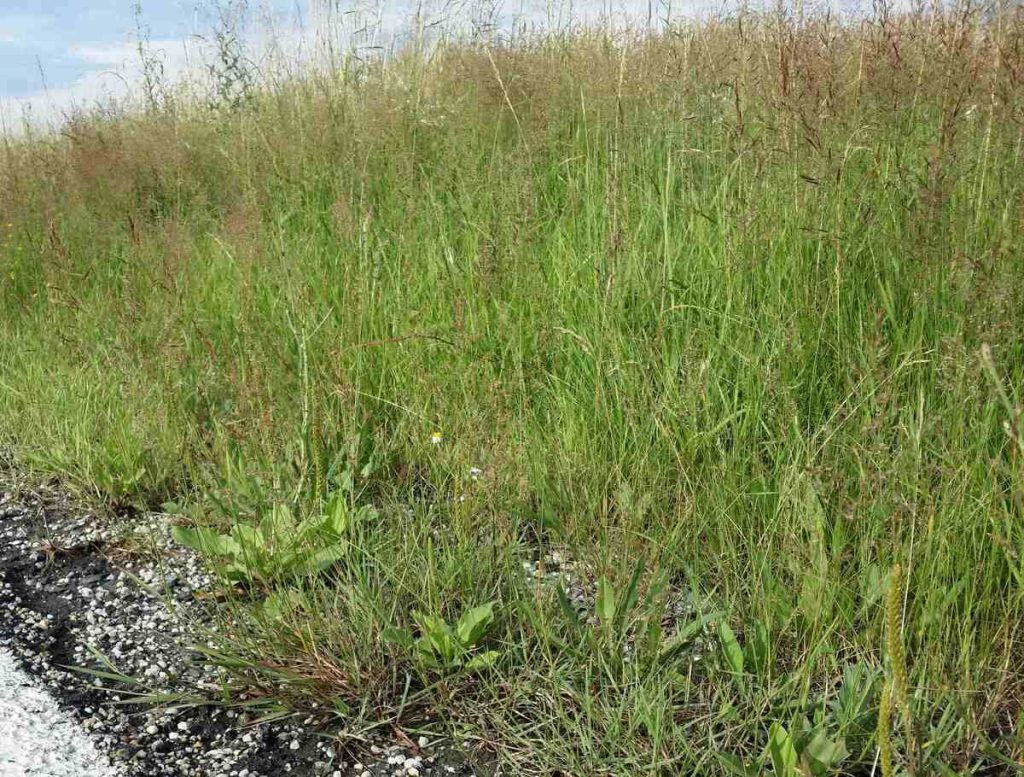
Bentgrass is a popular choice for golf courses and lawns due to its lush, fine-textured appearance, but it’s not without its challenges. If you’re considering it for your turf, knowing its advantages and disadvantages can help you make an informed decision.
In short, bentgrass creates a beautiful, dense lawn that thrives in cooler climates, but it requires significant maintenance and can be susceptible to certain pests and diseases. It’s an excellent choice for high-end golf courses or those willing to invest time in upkeep, but may not be suitable for casual or low-maintenance lawns.
Bentgrass is highly prized for its ability to produce a smooth, velvety surface that is ideal for putting greens and high-quality lawns. However, it demands a lot of care, regular watering, and precise mowing to stay healthy. Its preference for cooler temperatures makes it best suited for specific climates, and it can be prone to pests, diseases, and thatch buildup if not properly managed. Understanding both its strengths and weaknesses can help homeowners and groundskeepers decide if bentgrass is the right fit for their turf needs.

Pros and Cons of Bentgrass
Introduction to Bentgrass
Bentgrass is a popular choice for golf courses and lawns because of its fine texture and lush appearance. It grows quickly and creates a dense, smooth surface. However, like any grass type, it has advantages and disadvantages that homeowners and landscapers should consider before planting.
Advantages of Bentgrass
Exceptional Smoothness and Fine Texture
One of the main reasons people choose bentgrass is its fine texture. It forms a very smooth surface that looks attractive and professional. This makes it ideal for putting greens and high-quality lawns. Its soft feel also makes it pleasant to walk on barefoot.
Fast Germination and Growth
Bentgrass germinates quickly, allowing you to establish a lush lawn or golf green in a shorter time. Its rapid growth helps fill in bare spots and maintain a dense cover. This quick establishment is great if you want immediate results from your landscaping efforts.
Good Tolerance for Cool Weather
Compared to some grasses, bentgrass handles cooler temperatures well. It thrives in early spring and late fall, providing a green landscape during these seasons. This makes it suitable for areas with distinct seasonal changes.
High Tolerance to Traffic
Bentgrass can handle regular foot traffic without becoming patchy or worn out. This quality is especially useful for golf courses and busy lawns. It recovers quickly from minor damage, maintaining a pristine appearance.
Enhanced Aesthetic Appeal
Thanks to its dense and lush growth habit, bentgrass gives landscapes a high-end look. Its vibrant green hue and fine blade structure make it a top choice for decorative lawns and sports fields.
Disadvantages of Bentgrass
High Maintenance Needs
Bentgrass requires frequent mowing, watering, and fertilizing to stay healthy and look its best. It needs to be cut closely and regularly, often daily during peak growing times. This high level of care can be demanding and costly.
Susceptibility to Diseases
Despite its beauty, bentgrass is prone to diseases like dollar spot, brown patch, and pythium blight. These problems can quickly damage a lawn if not managed properly. Preventative treatments and vigilant monitoring are essential to keep it healthy.
Watering Challenges
Bentgrass needs consistent moisture to grow well. It can suffer from drought stress if not watered adequately, but overwatering can promote disease. Managing its watering schedule requires attention and experience.
Cold Sensitivity
While it tolerates cool weather, extended periods of frost or freezing temperatures can damage bentgrass. In colder climates, it may require protective covers or alternative grasses during winter months.
Cost of Establishment and Maintenance
Getting bentgrass started can be expensive due to the cost of seed or sod and the intensive care it needs. Ongoing expenses for fertilizers, pesticides, and watering systems can also add up over time. For budget-conscious homeowners, this may be a limiting factor.
Environmental Impact of Bentgrass
Despite its beauty, bentgrass’s high water and fertilizer requirements can have environmental consequences. Excessive use of chemicals and water may lead to runoff and pollution. Responsible management and eco-friendly practices are essential to minimize negative effects.
Comparing Bentgrass to Other Grasses
Understanding how bentgrass stacks up against other turf options helps in making informed decisions.
| Feature | Bentgrass | Kentucky Bluegrass | Fescue |
|---|---|---|---|
| Texture | Fine and dense | Coarser, but lush | Coarse, more drought-tolerant |
| Climate Preference | Cool climates | Temperate, cooler areas | Cool and moderate climates |
| Maintenance | High | Moderate | Lower |
| Disease Resistance | Prone to certain diseases | More resistant | Generally resistant |
| Cost | Higher | Medium | Lower |
Best Uses for Bentgrass
Due to its lush appearance and smooth finish, bentgrass is best suited for golf courses, putting greens, and ornamental lawns. It excels in areas that receive ample care and attention. It is less suitable for high-traffic or drought-prone zones unless properly managed.
Growing and Caring for Bentgrass
Growing bentgrass successfully involves understanding its specific needs. Regular mowing at a low height preserves its fine texture. Watering should be consistent but controlled to avoid disease.
Mowing Tips
Keep the mower blades sharp and mow frequently to prevent the grass from getting too tall. Cutting it to a height of about 0.1 to 0.2 inches is ideal for golf greens.
Watering and Fertilizing
Water deeply and infrequently to promote deep roots. Use fertilizers high in nitrogen to support lush growth without encouraging disease.
Managing Diseases
Apply fungicides preventively and maintain good air circulation. Removing debris and avoiding excessive watering help prevent disease development.
While bentgrass offers a beautiful, smooth surface that enhances any lawn or golf course, it does come with significant care requirements and costs. Its benefits of fine texture and durability are balanced by the need for vigilant maintenance and disease control. For those willing to meet these demands, bentgrass can deliver a top-quality turf that stands out for its aesthetic appeal and performance.
The Pros and Cons of Poa Annua
Frequently Asked Questions
What are the advantages of using bentgrass for sports fields?
Bentgrass offers a fine texture and dense turf, making it ideal for sports fields that require a smooth, even playing surface. Its quick recovery from divots and foot traffic helps maintain a consistent playing area. Additionally, bentgrass tolerates close mowing, which promotes a clean, professional appearance. These qualities make it a popular choice for golf courses and athletic fields seeking high-quality turf.
What challenges might arise from maintaining bentgrass in a residential lawn?
Maintaining bentgrass in a home setting can be demanding because it requires frequent watering, precise fertilization, and regular mowing. North-facing or shaded areas can pose problems for healthy growth, potentially leading to patchiness or thinning. Without consistent care, bentgrass may become prone to diseases or invasive weeds, which can compromise the turf’s overall appearance and health.
How does bentgrass impact the environmental sustainability of a lawn or course?
Bentgrass’s high water and nutrient needs can lead to increased resource consumption, potentially impacting sustainability. Its susceptibility to certain diseases may also result in the frequent use of pesticides or fungicides, which can adversely affect the environment. However, proper management practices, such as integrated pest management and efficient watering schedules, can mitigate these concerns.
Are there any aesthetic benefits associated with bentgrass compared to other turf types?
Yes, bentgrass provides a visually appealing, fine-textured surface that appears lush and uniform. Its dense growth habit creates a seamless, carpet-like appearance, which enhances the overall aesthetic appeal of golf courses and landscaped areas. This refined look often exceeds the visual quality offered by coarser grasses.
What are the potential risks of choosing bentgrass for a high-traffic area?
Bentgrass can suffer from wear and tear in heavily trafficked zones, leading to thinning or damage over time. Its delicate nature makes it more susceptible to root compaction and stress, which can slow recovery. To maintain its appearance and integrity, high-traffic areas require careful management, including aeration and regular overseeding.
Final Thoughts
The pros and cons of bentgrass highlight its popularity for golf courses and lawns due to its dense, lush appearance. It offers excellent wear tolerance and quick recovery after damage, making it ideal for high-traffic areas.
However, bentgrass requires frequent maintenance and precise watering, which can increase costs and effort. It is also susceptible to pests and diseases, demanding vigilant care.
In conclusion, bentgrass’s advantages and disadvantages must be weighed carefully. Its qualities make it a desirable choice for some, but its maintenance needs can pose challenges.