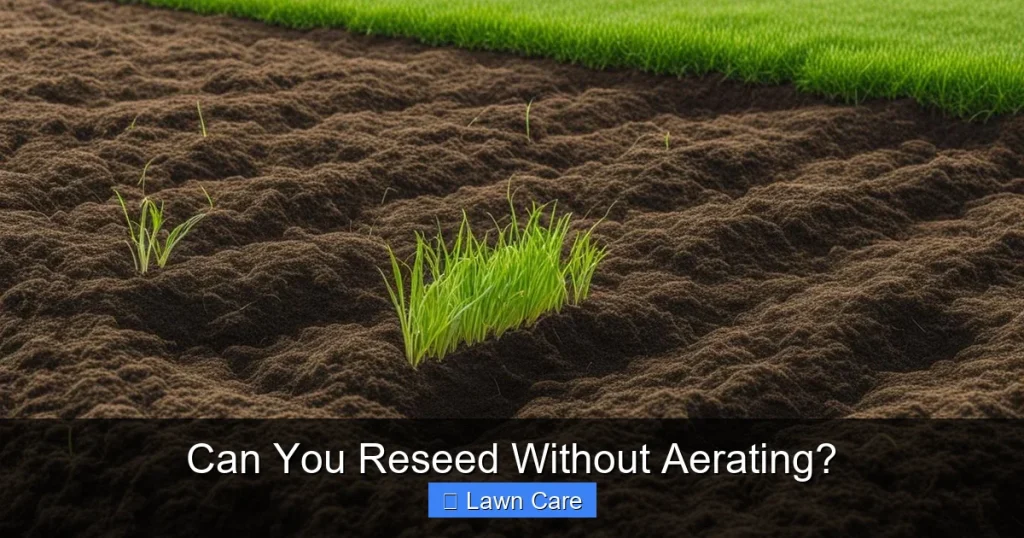
Yes, you can reseed without aerating, but it’s not always ideal. Aeration helps new grass seeds establish by improving soil contact and reducing compaction. Without it, germination rates might be lower, and your new grass could struggle to thrive.
## Can You Reseed Without Aerating? Let’s Break It Down
Ever looked at your lawn and thought, “It needs a little something”? Maybe it’s looking a bit thin in spots, or perhaps it’s just lost its vibrant green appeal. Many homeowners consider reseeding or overseeding to revive their lawns. It sounds like a straightforward fix, right? Just toss some seeds down, water, and voilà – a lush carpet of green! But then you hear about aeration, and you start to wonder, “Do I *really* need to do all that?” Specifically, many people ask: can you reseed without aerating?
The short answer is yes, you *can* reseed without aerating. However, understanding *why* aeration is often recommended and what the implications are of skipping it will help you make the best decision for your lawn. Think of it like building a house: you could technically skip laying a proper foundation, but the house might not stand as long or as strong. Your lawn deserves the best chance to thrive, and that’s what we’re here to explore.
This article will dive deep into whether you can reseed without aerating, what the downsides might be, and what you can do if you choose to skip this step. We’ll cover practical tips and alternative strategies to help you achieve that beautiful lawn you’ve been dreaming of.
## Understanding Aeration and Its Role in Reseeding
Before we can decide if you *need* to aerate before reseeding, let’s get clear on what aeration is and why lawn care professionals often recommend it. Aeration is the process of making small holes in your lawn’s soil. This is typically done with a core aerator, which pulls out plugs of soil, or a spike aerator, which punches holes into the ground.
### Why Aerate Before Reseeding?
So, why go through the trouble of making holes in your lawn? It all comes down to creating optimal conditions for grass growth, especially for new seeds.
* Combats Soil Compaction: Over time, lawns can become compacted. This happens from foot traffic, lawn equipment, and even just the natural settling of soil. Compacted soil is dense. It restricts the flow of air, water, and nutrients to the grass roots. When soil is compacted, new grass seeds have a very hard time pushing their roots down and getting the resources they need to grow. Aeration loosens this compacted soil, allowing better penetration for air, water, and nutrients.
* Improves Seed-to-Soil Contact: This is perhaps the most crucial reason why aeration is recommended before reseeding. New grass seeds need direct contact with the soil to germinate and establish. If seeds land on a thick layer of thatch (dead grass and organic matter) or on compacted soil, they might not get the moisture and nutrients they need. The holes created by aeration provide little pockets where seeds can fall, nestle in, and make good contact with the soil. This significantly increases the chances of germination and successful establishment.
* Enhances Nutrient and Water Uptake: Healthy roots need access to water and nutrients. Aeration opens up the soil, making it easier for water and fertilizers to reach the root zone. For new seedlings, this is vital for their survival and early growth.
* Reduces Thatch Buildup: While dethatching is a separate process, aeration can help alleviate some thatch issues by allowing better decomposition of organic matter and improving air circulation. A thick thatch layer can prevent seeds from reaching the soil.
When you reseed, you’re essentially trying to introduce new life to your lawn. Aeration creates the perfect nursery bed for those tiny seeds to sprout and grow strong.
## Can You Reseed Without Aerating? The Pros and Cons
Let’s get to the heart of the matter. If you’re asking “Can you reseed without aerating?”, you’re likely weighing the effort and cost of aeration against the desired outcome of a thicker, greener lawn.
### The “Pros” of Reseeding Without Aerating (or, the Upsides of Skipping)
Let’s be honest, the main “pro” of not aerating is that it saves you time, effort, and potentially money.
* Time Savings: Aerating a lawn can be a time-consuming process, especially if you’re renting equipment or doing it by hand. Skipping this step means you can get your seeds down faster.
* Reduced Cost: If you were planning to rent an aerator or hire a service, skipping aeration saves you that expense.
* Less Disruption: Aeration can leave your lawn looking a bit messy for a few days, with soil plugs scattered around. If you’re concerned about immediate curb appeal, skipping it might seem appealing.
### The “Cons” of Reseeding Without Aerating (The Risks You Take)
Now, let’s look at the potential downsides. These are the reasons why aeration is so commonly advised.
* Lower Germination Rates: Without aeration, your seeds may struggle to make adequate contact with the soil. They might sit on top of thatch or compacted soil, leading to a significant portion of the seeds not germinating at all. This means you’ll likely need to use more seed to achieve the same results, or end up with a thinner lawn.
* Poor Seedling Establishment: Even if some seeds do germinate, the seedlings might struggle to establish strong root systems. Compacted soil makes it difficult for roots to penetrate. This results in weaker, more vulnerable grass that is more susceptible to drought, disease, and wear and tear.
* Increased Weed Competition: If your lawn is thin and struggling, it creates opportunities for weeds to move in. Weak new grass seedlings won’t be able to compete effectively with weeds for resources like sunlight, water, and nutrients. This is where learning how to kill weeds without harming grass becomes even more important.
* Wasted Seed: Ultimately, if your reseeding efforts are less successful due to compacted soil or poor seed-to-soil contact, you’ve effectively wasted the seed you purchased.
* Compaction May Worsen: If your lawn is already compacted, simply adding more seed and watering it without addressing the underlying issue means you’re potentially adding more organic matter to the surface without improving the soil structure underneath.
So, while you *can* reseed without aerating, the chances of achieving a dense, healthy lawn are significantly reduced.
## When Skipping Aeration Might Be More Feasible
Are there situations where skipping aeration before reseeding is less of a gamble? Yes, and it mostly comes down to the current condition of your lawn.
### Assessing Your Lawn’s Compaction and Thatch
Before deciding, take a good look at your lawn.
* Check for Compaction: Try pushing a screwdriver or a thin rod into your lawn. If it goes in easily, your soil is likely not severely compacted. If you have to force it, or it won’t go in at all, your soil is compacted, and aeration would be highly beneficial. You might also notice that water pools on the surface for a long time after rain or watering.
* Evaluate Thatch Layer: Thatch is the layer of dead and living organic matter between your grass blades and the soil surface. A thin layer of thatch (less than half an inch) is generally beneficial, as it helps insulate the soil and retain moisture. However, a thick layer of thatch (more than half an inch) can smother your grass and prevent seeds from reaching the soil. You can check thatch by cutting a small wedge of your lawn and measuring the brown, fibrous layer.
### Scenarios Where You Might Get Away Without Aeration
* Naturally Loose Soil: If your soil is naturally sandy or loamy and you don’t have a lot of foot traffic or heavy equipment use, your lawn might not be very compacted. In this case, seeds might be able to penetrate reasonably well.
* Very Light Overseeding: If you’re only trying to fill in a few small, bare patches, the need for aeration is less critical than if you’re trying to overseed an entire lawn. For minor touch-ups, you might get away without it.
* Using Specialized Seed-Spreading Equipment: Some advanced overseeders actually cut slits into the soil, which can help with seed-to-soil contact even without traditional aeration. However, these are often professional-grade machines.
Even in these scenarios, however, aeration would likely still improve your results. It’s about managing expectations and understanding the potential for less-than-ideal outcomes.
## Alternatives to Aeration for Improved Seed-to-Soil Contact
If you’ve decided that full aeration isn’t for you, or you’re looking for supplementary steps to improve your reseeding success without it, there are a few things you can do. These methods aim to create better seed-to-soil contact, which is the primary benefit aeration provides.
### Dethatching (Manual or Mechanical)
As mentioned, a thick thatch layer can prevent seeds from reaching the soil. If you have a significant thatch problem, dethatching is a good idea.
* Manual Dethatching: This involves using a specialized dethatching rake or a sturdy garden fork to vigorously rake your lawn, pulling up thatch and loosening the soil surface. It’s hard work but effective for smaller areas.
* Mechanical Dethatching: You can rent a dethatching machine (also called a power rake). These machines have tines that dig into the lawn and pull up thatch. This is much more efficient for larger lawns. You might be able to find ways to do this yourself, like can you dethatch lawn without a machine? Sometimes simple tools and hard work can do the trick.
After dethatching, you’ll have a better surface for your seeds. You can then lightly rake the area to further expose the soil.
### Light Raking and Soil Loosening
Even without heavy dethatching, a good raking can make a difference.
* Power Raking: Use a stiff garden rake or a power rake (if you have access to one, but be careful not to go too deep). The goal is to create some loose soil for the seeds to fall into.
* Scratching the Surface: In bare patches, use a rake to scratch up the top layer of soil. This creates small divots and loosened soil where seeds can lodge. This is particularly helpful for spot reseeding.
### Topdressing with Compost or Topsoil
Applying a thin layer of compost or good quality topsoil over your lawn before overseeding can create an excellent medium for seeds to germinate in.
* How to Do It: Spread a thin layer (about 1/4 inch) of compost or topsoil evenly across your lawn. Then, use a rake to work it into the existing grass. This process, similar to can you repair lawn using compost and topsoil, helps to introduce nutrients and improve soil structure. The seeds will then be in direct contact with this fresh, loose material.
## The Reseeding Process: Steps to Take
Whether you aerate or not, the actual process of reseeding involves several key steps for success.
### 1. Prepare Your Lawn
* Mow Low: Cut your grass on a lower setting than usual. This allows the new seeds to get sunlight and prevents the existing grass from shading them out too much.
* Remove Debris: Clear your lawn of any leaves, twigs, rocks, or other debris.
### 2. Scarify or Rake the Lawn (If Not Aerating)
As discussed in the alternatives section, lightly scarifying or raking the lawn will help loosen the soil surface and create small pockets for seeds. Focus on any bare or thin areas.
### 3. Apply the Seed
* Choose the Right Seed: Select a grass seed blend suitable for your climate, soil type, and the amount of sunlight your lawn receives. Consider mixing grass types that complement each other, like exploring can you mix tall fescue and bermuda grass if your region supports it, or understanding how can you mix st augustine grass with bermuda might work.
* Spread Evenly: Use a broadcast spreader or a drop spreader for even application. Follow the recommended seeding rates for your chosen grass type. It’s better to apply slightly less than too much, as overcrowding can lead to weak seedlings.
### 4. Ensure Seed-to-Soil Contact
* Light Raking: Gently rake the newly seeded areas to lightly cover the seeds with soil. You don’t want to bury them too deeply – just enough for them to be in contact with the soil and protected.
* Use a Roller (Optional): A lightweight lawn roller can be used to press the seeds into the soil, ensuring good contact. Be careful not to compact the soil too much.
### 5. Watering is Crucial
* Keep Moist: This is one of the most critical steps for successful germination. Water lightly but frequently, especially during the first 1-2 weeks. The goal is to keep the top inch of soil consistently moist, but not waterlogged. If the soil dries out, the new seeds will die.
* Watering Methods: Consider using a gentle sprinkler or a soaker hose. Can you use a soaker hose on the lawn? Yes, and they can be very effective for maintaining consistent moisture.
### 6. Post-Seeding Care
* Avoid Heavy Traffic: Keep foot traffic, pets, and lawn equipment off the newly seeded areas until the grass is well-established (usually at least 4-6 weeks).
* Mowing: When mowing for the first time, set your mower to a higher setting than normal. Avoid cutting off more than one-third of the grass blade at any one time. Don’t use a mulching mower on the very first cut if there’s a lot of new grass.
* Fertilizing: Wait until the new grass is established and has been mowed a couple of times before applying fertilizer. Can grass grow without fertilizer if soil is healthy? Yes, but new seedlings benefit from starter fertilizer to get a good start.
## The Bottom Line: Can You Reseed Without Aerating?
To circle back to our main question: **Can you reseed without aerating?** Yes, absolutely. However, doing so without taking steps to improve seed-to-soil contact and address soil compaction means you are significantly reducing your chances of success.
Think of it as a spectrum of effort and reward. Aeration is at the higher effort end, but it generally provides the highest reward in terms of germination rates and seedling establishment. Skipping it entirely without any preparation might lead to a less satisfying outcome, a patchier lawn, or the need to reseed again sooner.
If you’re looking to improve your lawn’s health and density, even if you skip aeration, make sure to at least rake vigorously or consider dethatching to create a better environment for your new seeds. This proactive approach will give your lawn the best possible chance to flourish. Remember, a little preparation goes a long way in achieving that dream lawn. You might even find that with good preparation, you can fix patchy grass without needing professional equipment at all, as discussed in can you fix patchy grass without professional equipment.
Key Takeaways
- You can reseed without aerating: It’s possible to spread grass seed over an existing lawn without the aeration step.
- Compacted soil is a challenge: Aeration is primarily done to alleviate soil compaction, which hinders seed germination and root growth.
- Reduced seed-to-soil contact: Without aeration, seeds may not settle into the soil as effectively, leading to lower germination rates.
- Alternative methods exist: Techniques like dethatching and light raking can help improve seed-to-soil contact without full aeration.
- Lawn health dictates feasibility: The condition of your current lawn (degree of compaction, thatch, and existing grass health) plays a significant role.
- Overseeding is often the goal: When people ask about reseeding without aerating, they often mean overseeding, which has specific considerations.
- Results may vary: Skipping aeration might mean less successful reseeding compared to a properly prepared lawn.
Quick Answers to Common Questions
Is aeration absolutely necessary before reseeding?
Aeration is highly recommended, not strictly necessary. It significantly improves seed-to-soil contact and reduces compaction, boosting germination and seedling health. You can reseed without it, but expect potentially lower success rates.
What happens if I reseed compacted soil without aerating?
Seeds may not germinate well because they can’t make proper contact with the soil. Even if they sprout, the seedlings will struggle to establish deep root systems, leading to weaker grass that is more vulnerable to stress.
How can I improve seed-to-soil contact if I don’t aerate?
You can achieve better seed-to-soil contact by vigorously raking your lawn to expose the soil, dethatching to remove excess thatch, or applying a thin layer of compost or topsoil before seeding.
Will reseeding without aeration result in a patchy lawn?
It’s more likely to result in a patchy lawn because the conditions for germination and establishment are less than ideal. You might have bare spots where seeds didn’t take or thin areas where seedlings struggled to grow.
When is it okay to skip aeration before reseeding?
It might be more feasible to skip aeration if your soil is naturally loose, you have very minimal compaction, or you are only spot-seeding a few small bare patches rather than overseeding an entire lawn.
Frequently Asked Questions
How much time does aeration usually take?
Aeration time varies greatly depending on the size of your lawn and the type of aerator used. For a typical suburban lawn, renting a core aerator and doing it yourself might take 2-4 hours. Hiring a professional service is usually quicker, but obviously involves more cost.
Can I reseed immediately after aerating?
Yes, in fact, it’s best to reseed immediately after aerating while the holes are fresh and open. This maximizes the seed-to-soil contact benefits that aeration provides. The soil plugs can be broken up and spread over the new seed.
What is the best time of year to reseed my lawn?
The best time to reseed your lawn depends on your grass type. Cool-season grasses (like fescue, ryegrass, and bluegrass) are best seeded in early fall or early spring. Warm-season grasses (like Bermuda and Zoysia) are best seeded in late spring or early summer.
How much seed do I need to reseed my lawn?
The amount of seed needed depends on the type of grass, the size of your lawn, and whether you are filling in bare spots or overseeding the entire lawn. Generally, for overseeding, you’ll use about half the amount of seed recommended for starting a new lawn.
Will reseeding my lawn help fix dead grass?
Reseeding can help fill in areas where grass has died, but it won’t revive dead grass itself. You need to address the underlying cause of the grass death, whether it’s disease, drought, pests, or poor maintenance, before reseeding. If you can fix dead grass without replacing it, that’s ideal.
What is the ideal soil moisture for reseeding?
The soil should be kept consistently moist, but not waterlogged, during the germination period. This typically means watering lightly once or twice a day, especially in warm or dry weather, until the new grass is established.