Determining the right amount of land for grass-fed beef is crucial for herd health and pasture sustainability. Generally, it takes between 1.5 to 5 acres per cow, but this number can vary significantly. Factors like forage type, soil health, rainfall, and grazing management practices play a big role. Understanding these elements will help you optimize your pasture for a thriving grass-fed operation.
How Many Acres per Cow for Grass Fed Beef
Welcome, aspiring and experienced cattle ranchers! If you’re diving into the world of grass-fed beef, one of the most fundamental questions you’ll face is: “How many acres per cow do I need?” It’s a question with no single, simple answer, as the ideal stocking rate is a complex equation influenced by a variety of factors. But don’t worry, this guide is here to break it all down for you.
We’ll explore the key elements that determine how much land your cattle will need to thrive on a grass-fed diet. By the end of this guide, you’ll have a much clearer understanding of how to assess your own land and make informed decisions about your herd size. We’ll cover everything from the type of grass your cows eat to the climate you’re operating in.
Key Takeaways
- General Guideline: A common starting point for grass-fed beef is 1.5 to 5 acres per cow-calf pair, but this is highly variable.
- Forage Quality is Key: High-quality, nutritious forage can support more cattle on less land than lower-quality pastures.
- Grazing Management Matters: Rotational grazing and other intensive management techniques can significantly increase the carrying capacity of your land.
- Climate and Rainfall Influence: Regions with longer growing seasons and more rainfall generally support more cattle per acre.
- Soil Health is Fundamental: Healthy soil produces more abundant and nutritious grass, requiring fewer acres per cow.
- Breed and Animal Size Impact Needs: Larger breeds or animals with higher nutritional demands will require more acreage.
- Consider Supplemental Needs: If you plan to supplement feed, especially during winter, you might be able to manage with slightly less acreage.
Understanding the Basics: What is Grass-Fed Beef?
Before we get into the numbers, let’s briefly touch on what “grass-fed” means. It simply means that cattle consume a diet of grass and other forage for their entire lives, from birth to harvest. They are not fed grains, like corn or soy, which are common in conventional feedlot systems. This diet is often credited with producing beef with a different nutritional profile and flavor. Understanding this dietary requirement is the first step to understanding land needs.
The General Rule of Thumb: Acres per Cow
Visual guide about How Many Acres per Cow for Grass Fed Beef
Image source: aldireviewer.com
You’ll often hear a general guideline thrown around: anywhere from 1.5 to 5 acres per cow-calf pair. This is a wide range, and for good reason. A cow-calf pair typically includes a mother cow and her calf. Calves start grazing alongside their mothers and have their own nutritional needs, which the pasture must meet.
So, why such a big difference? This range reflects the immense variability in the factors we’re about to discuss. If you have lush, highly productive pasture in a region with ample rainfall, you might be able to sustain a cow on as little as 1.5 acres. On the other hand, if you have less fertile land, drought-prone conditions, or are relying on lower-quality forage, you might need 5 acres or even more per animal.
Key Factors Influencing Acres per Cow
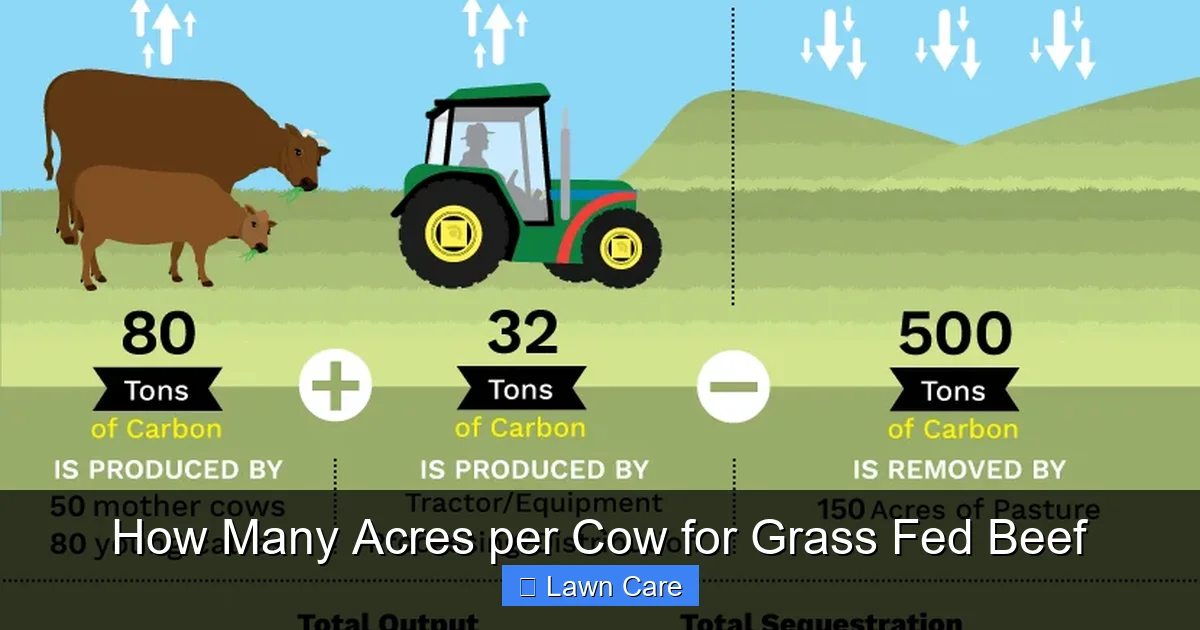
Visual guide about How Many Acres per Cow for Grass Fed Beef
Image source: woomargamastation.com.au
Now, let’s dig into the specifics. These are the most critical elements to consider when calculating your land needs:
1. Forage Quality and Type
Visual guide about How Many Acres per Cow for Grass Fed Beef
Image source: readytoranch.com
This is arguably the most important factor. Not all grass is created equal when it comes to nutrition for cattle.
Nutrient Density
High-quality forage, like young, actively growing grasses and legumes (like clover), is packed with protein, vitamins, and minerals. Cattle can gain weight and stay healthy on less of this nutrient-dense food. Older, mature, or dormant grasses are less digestible and offer fewer nutrients. You’ll need significantly more of it to meet a cow’s needs.
Digestibility
The more digestible the forage, the more nutrients a cow can extract from it. Legumes are generally more digestible and nutritious than many grasses. Young grass is also more digestible than mature grass.
Grass Species
Different grass species have varying nutritional values and growth patterns. For example, cool-season grasses like fescue and orchardgrass might provide excellent forage in certain climates, while warm-season grasses like Bermuda grass are well-suited to hotter regions. Some grasses are more palatable and nutritious than others. If you’re planting a pasture, consider using a mix of species to provide a more balanced diet throughout the grazing season. Learning about species like ryegrass, which is often used for cattle forage, can be beneficial. For instance, understanding [how much ryegrass seed per acre for cattle](https://lawnhelpful.com/how-much-ryegrass-seed-per-acre-for-cattle/) can inform your pasture planning.
Example:
A pasture dominated by lush, young clover and perennial ryegrass in a temperate climate might support one cow on 1.5 to 2 acres. A pasture of dry, mature bromegrass in a drier climate might require 5 acres or more per cow.
2. Climate and Rainfall
The environment where you live plays a massive role in how much grass your land can produce.
Growing Season Length
Regions with longer growing seasons can support more grazing days per year. This means more forage production and thus a higher carrying capacity. If your growing season is short, you’ll need more land to store enough forage or rely on hay and supplemental feed for a larger portion of the year.
Rainfall
Adequate and well-timed rainfall is essential for grass growth. Areas with consistent rainfall and good distribution throughout the growing season will produce more forage than arid regions. Drought can severely reduce pasture productivity, forcing ranchers to reduce herd size or buy feed. [How much water for Bermuda grass](https://lawnhelpful.com/how-much-water-for-bermuda-grass/), for example, is a key consideration for cattle ranchers in certain climates.
Temperature
Extreme temperatures, both hot and cold, can affect grass growth. Some grasses go dormant in hot summers or cold winters. Understanding [how many hours of sun does Bermuda grass need](https://lawnhelpful.com/how-many-hours-of-sun-does-bermuda-grass-need/) can also provide insights into optimal growth conditions for your chosen forages.
Example:
A rancher in the Pacific Northwest with abundant rainfall and a long growing season might achieve a stocking rate of 2 acres per cow. A rancher in a semi-arid Western state might need 5-7 acres per cow due to limited rainfall and a shorter growing season.
3. Soil Health and Type
Healthy soil is the foundation of productive pastures.
Soil Fertility
Rich, fertile soil is more capable of producing abundant, nutritious grass. Soil tests can reveal nutrient deficiencies that can be addressed through natural amendments or fertilization. Using natural fertilizers like compost or [mulching grass clippings for natural fertilizer](https://lawnhelpful.com/how-to-mulch-grass-clippings-for-natural-fertilizer/) can improve soil health over time.
Soil Structure
Good soil structure allows for better water infiltration and root development. Compacted soil, for instance, restricts grass growth and can lead to bare patches. Practices that improve soil structure, like aeration, are beneficial. [What soil compaction means for your grass health and how aeration helps](https://lawnhelpful.com/what-soil-compaction-means-for-your-grass-health-and-how-aeration-helps/) highlights this importance. Different soil types, like clay or sandy soils, also have different water-holding capacities and nutrient availability. Learning [how to improve clay soil for better grass growth](https://lawnhelpful.com/how-to-improve-clay-soil-for-better-grass-growth/) or [how to choose the right soil for new grass seed](https://lawnhelpful.com/how-to-choose-the-right-soil-for-new-grass-seed/) can be vital.
pH Level
The pH of your soil affects nutrient availability to plants. Most pasture grasses thrive in a slightly acidic to neutral pH range. [How to balance soil pH for better grass growth](https://lawnhelpful.com/how-to-balance-soil-ph-for-better-grass-growth/) is crucial for optimal forage production.
Example:
Pasture on rich, deep loam soil with good organic matter will support more cattle than pasture on thin, sandy soil with poor water retention.
4. Grazing Management Practices
How you manage your pastures has a profound impact on their productivity and your stocking rate.
Rotational Grazing
This is a system where pastures are divided into smaller paddocks, and cattle are moved between them regularly. This allows the grass to rest and regrow, preventing overgrazing and improving forage quality. Well-managed rotational grazing can significantly increase the number of animals you can carry per acre compared to continuous grazing.
Rest Periods
Allowing pastures adequate rest periods is crucial. Without rest, grass cannot recover its root systems or photosynthetic capacity, leading to reduced yield and vigor.
Stocking Density
While we’re discussing acres per cow, it’s also important to consider stocking density within those acres. Overstocking, even on good land, will quickly deplete the pasture.
Example:
A farmer using a sophisticated multi-paddock rotational grazing system might be able to maintain 2 acres per cow, while a farmer using continuous grazing might need 4 acres per cow on the same land.
5. Animal Breed, Size, and Production Stage
Not all cows are created equal in their nutritional demands.
Breed and Size
Larger breeds of cattle, such as Herefords or Angus, typically have higher nutritional requirements and will need more forage than smaller breeds. A bull will also have higher energy needs than a pregnant cow.
Stage of Production
A lactating cow with a calf at her side has significantly higher nutritional needs than a dry, non-pregnant cow. Growing calves and replacement heifers also have different requirements.
Example:
A herd of large, high-producing Angus cows might require 3 acres per cow-calf pair, while a herd of smaller, low-maintenance cattle might be sustained on 2 acres per cow-calf pair.
6. Supplemental Feeding and Winter Feeding
While the goal is grass-fed, most operations will require some form of supplemental feeding.
Hay and Silage
During periods when pasture is insufficient (e.g., winter, drought), you’ll need to provide stored forages like hay or silage. The amount of hay you need to store will depend on how long your grazing season is and how many acres you have. If you need to purchase a significant amount of supplemental feed, you might be able to manage with slightly fewer acres, but this increases your feed costs.
Mineral and Protein Supplements
Cattle may also need mineral and protein supplements, especially if the pasture is deficient in certain nutrients. This doesn’t directly change your acreage needs but is part of overall herd nutrition. Some ranchers might be interested in understanding how to remove gamey flavors from beef, which can sometimes be related to diet, but this is a processing step rather than a pasture management one. For example, learning [how to remove gamey taste from grass fed beef](https://lawnhelpful.com/how-to-remove-gamey-taste-from-grass-fed-beef/) is useful for the end product.
Example:
A rancher in a northern climate with a 6-month winter feeding period will need to budget for and store considerably more hay than a rancher in a mild climate with a longer grazing season. This might influence their decision to slightly reduce their cow numbers if acreage is limited.
Calculating Your Needs: A Step-by-Step Approach
So, how do you put all this together to figure out your specific acreage needs?
Step 1: Assess Your Forage Production
* **Conduct Soil Tests:** Understand your soil’s fertility, pH, and structure. This will inform what types of forages will grow best and what amendments might be needed.
* **Identify Existing Forages:** What grasses and legumes are already growing? Research their nutritional value and growth habits.
* **Estimate Yield:** This is tricky but crucial. You can get a rough idea by measuring the amount of forage in a small, representative area and extrapolating. Professional range managers can help with this. Consider the average annual production in tons per acre.
Step 2: Determine Your Cow’s Needs
* **Estimate Dry Matter Intake:** A mature cow typically eats about 2.5% to 3% of its body weight in dry matter per day. For a 1,200-pound cow, this is about 30-36 pounds of dry matter per day.
* **Calculate Annual Needs:** Multiply daily intake by the number of days the cow will be grazing on pasture.
Step 3: Factor in Climate and Grazing Season
* **Estimate Usable Grazing Days:** How many months per year does your land produce enough forage to sustain your herd?
* **Account for Drought:** Have a plan for extended dry periods.
Step 4: Consider Your Management Style
* **Continuous vs. Rotational Grazing:** Be realistic about the intensity of your management.
* **Rest Periods:** Will you allow adequate rest for your pastures?
Step 5: Crunch the Numbers
Here’s a simplified way to think about it:
* **Total Annual Forage Needed per Cow:** (Daily Dry Matter Intake x 365 days) x (percentage of diet from pasture)
* **Available Forage per Acre:** (Estimated Annual Forage Production per Acre) x (percentage of forage that is harvestable/digestible)
**Acres per Cow = Total Annual Forage Needed per Cow / Available Forage per Acre**
This calculation is an estimate. It’s better to be conservative and have a little extra pasture than to run out.
Troubleshooting Common Issues
* **Pasture Depleted Too Quickly:** You are likely overstocked. Reduce your herd size or improve your pasture management and forage quality. Consider [how to prepare Zoysia grass for winter dormancy](https://lawnhelpful.com/how-to-prepare-zoysia-grass-for-winter-dormancy/) if you are in a region with cold winters, as dormant grass offers no grazing.
* **Cows Not Gaining Weight:** Your forage might be low in nutritional value, or you might not have enough of it. Improve pasture health, consider reseeding with more nutritious species, or adjust your stocking rate. [How to tell if soil is moist enough for grass](https://lawnhelpful.com/how-to-tell-if-soil-is-moist-enough-for-grass/) is important, as water availability directly impacts forage growth.
* **Drought Impact:** Have a plan for dry spells. This might include having a separate dry pasture, access to drought-tolerant forages, or the ability to purchase supplemental feed. [How to maintain soil moisture for healthy grass](https://lawnhelpful.com/how-to-maintain-soil-moisture-for-healthy-grass/) can be a proactive strategy.
Conclusion
Determining the correct number of acres per cow for grass-fed beef is a dynamic process. It’s not a one-time calculation but an ongoing observation and adjustment based on your land’s performance and your herd’s health. The range of 1.5 to 5 acres per cow-calf pair is a useful starting point, but your specific conditions will dictate where you fall within that range, or perhaps even outside of it.
By carefully considering forage quality, climate, soil health, your grazing management techniques, and the specific needs of your animals, you can create a sustainable and profitable grass-fed beef operation. Remember to continuously monitor your pastures and adapt your practices. Happy grazing!