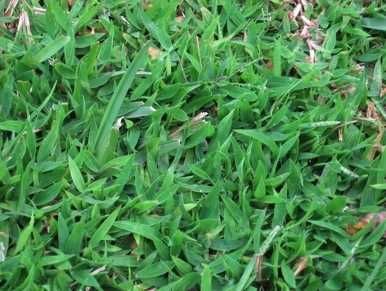
Quick Answer: Yes, you can eat crabgrass, and it might surprise you to know that this common weed can actually be a nutritious addition to your diet. While it may not be a traditional choice for your plate, crabgrass is edible and even has some health benefits.
Introduction:
Imagine strolling through your backyard, admiring the lush green lawn, when suddenly you come across a patch of crabgrass. For many gardeners, this sight instills frustration and annoyance, as crabgrass is often seen as an unwelcome intruder. But what if I told you that this pesky weed could actually be a delightful addition to your culinary repertoire? Yes, you heard that right – you can eat crabgrass! Before you dismiss the idea as absurd, let me enlighten you about the surprising potential that lies within this resilient plant.
Crabgrass, scientifically known as Digitaria, is a type of grass that thrives in lawns, gardens, and even cracks in the pavement. This aggressive weed is often despised for its ability to spread rapidly and choke out other plants. However, what many people don’t realize is that crabgrass has been consumed in various cultures for centuries, and it has some surprising health benefits too. So, if you’ve ever wondered about the edibility of crabgrass or are simply curious about unconventional ingredients, read on to discover the culinary possibilities that this resilient weed has to offer.

Can You Eat Crabgrass?
Crabgrass, the pesky weed that seems to invade every inch of our lawns during the summer months. It’s the bane of many gardeners’ existence, but have you ever wondered if crabgrass is not just a nuisance, but also a potential food source? In this article, we will explore the question, “Can you eat crabgrass?” and delve into the potential culinary uses, nutritional value, and any precautions to consider.
The Origins and Identification of Crabgrass
Before we dive into the topic of consuming crabgrass, let’s first understand what it is and how to identify it. Crabgrass (scientific name Digitaria) belongs to the grass family and is commonly found in North America. It thrives in warm climates and invades lawns, gardens, and even cracks in sidewalks.
Identifying crabgrass is relatively simple. It has a distinct appearance with wide, flat blades and a crab-like growth habit, hence its name. The blades can vary in color from light green to purplish. Additionally, crabgrass produces seeds that resemble tiny beads, which are the main method of reproduction.
The Culinary Potential of Crabgrass
While crabgrass is primarily considered a weed, it does have potential culinary uses in certain parts of the world. Here are some ways crabgrass has been incorporated into traditional dishes:
1. Edible Seeds
Crabgrass seeds can be harvested and consumed. They have a nutty flavor and can be ground into flour or added as a crunchy topping on salads, soups, or baked goods. In some cultures, the seeds are even used as a coffee substitute.
2. Leafy Greens
The young, tender leaves of crabgrass can be eaten raw or cooked. They can be used as a leafy green in salads, stir-fries, or as a substitute for spinach or kale in various recipes.
3. Tea Infusion
Crabgrass can be dried and used to make a herbal tea infusion. The tea is believed to have a soothing effect on the digestive system and has been used traditionally for its potential medicinal properties.
Nutritional Value of Crabgrass
Crabgrass may surprise you with its nutritional profile. While it may not be as impressive as some other leafy greens, it still offers several beneficial nutrients. Here are some key nutrients found in crabgrass:
- Vitamin A
- Vitamin C
- Calcium
- Iron
- Fiber
While the exact nutritional content may vary, incorporating crabgrass into your diet can provide you with a range of vitamins and minerals.
Precautions and Considerations
Although crabgrass can be consumed, there are a few precautions and considerations to keep in mind:
1. Pesticide-Free Harvest
Ensure that the crabgrass you consume is free from any pesticides or chemical treatments. Harvest it from areas where you can be confident it hasn’t been exposed to harmful substances.
2. Allergic Reactions
Some individuals may have allergies or sensitivities to grass or related families of plants. If you have known allergies, it is best to consult with a healthcare professional before incorporating crabgrass into your diet.
3. Quantity and Balance
Like with any food, moderation is key. While crabgrass can be consumed, it should not replace a balanced and varied diet. Incorporate it alongside other nutrient-rich foods to ensure a well-rounded nutritional intake.
4. Safe Preparation Methods
When consuming any edible part of crabgrass, ensure proper cleaning and preparation. Wash the leaves thoroughly and consider cooking them to eliminate any potential bacteria or contaminants.
So, can you eat crabgrass? The answer is yes, with some caveats. While crabgrass is primarily considered a weed, it can be harvested and incorporated into culinary creations, providing unique flavors and potential nutritional benefits. However, it’s important to ensure that the crabgrass is free from pesticides, consider any allergies or sensitivities, consume it in moderation as part of a balanced diet, and practice safe food preparation methods.
Remember to always do your research and consult with professionals before adding any unconventional plants to your diet. With careful consideration and exploration, you may discover a whole new world of edible possibilities, even within the confines of your own backyard.
How to Get Rid of Crabgrass (4 Easy Steps)
Frequently Asked Questions
Is it safe to eat crabgrass?
Yes, it is safe to eat crabgrass, but it is not commonly consumed as a food source.
Is crabgrass edible for humans?
Yes, crabgrass is edible for humans, but it is not typically included in our regular diet.
What are the nutritional benefits of crabgrass?
Crabgrass does contain some nutrients such as protein, fiber, and vitamins, but the levels are relatively low compared to other leafy greens.
Can you consume crabgrass raw?
While you can theoretically consume crabgrass raw, it is generally not recommended as it may be difficult to digest and can have a bitter taste.
Are there any risks associated with eating crabgrass?
While crabgrass itself is not known to be toxic, there is a risk of consuming crabgrass that has been treated with herbicides or pesticides. Therefore, it is essential to ensure that the crabgrass you consume is free from any chemical treatments.
Final Thoughts
Crabgrass, a common lawn weed, may actually surprise you with its potential as a food source. Although not commonly consumed, some people have explored the idea of incorporating crabgrass into their diets due to its rich nutritional content. While there aren’t many recipes or culinary traditions surrounding crabgrass, it is safe to eat in small amounts. However, it’s important to note that foraging and consuming wild plants should always be done with caution and expertise to ensure safety. So, can you eat crabgrass? Yes, but it’s best to do so sparingly and under the guidance of knowledgeable individuals or resources.