
In this guide, you’ll learn what Bermuda grass roots look like and how to identify them. Understanding the roots helps you assess lawn health, troubleshoot problems, and ensure your Bermuda grass stays lush and strong.
Key Takeaways
- Healthy Bermuda grass roots: Are dense, fibrous, and white or light tan in color, indicating good health.
- Root appearance: Typically form a dense network near the soil surface with some deeper roots, depending on soil conditions.
- Signs of weak roots: Thin, brown, or patchy roots suggest drought stress, poor soil, or disease.
- Root depth: Bermuda grass roots can grow 6-12 inches deep, providing drought resistance and stability.
- Inspecting roots: Regularly checking roots helps catch problems early and guides proper lawn care.
- Improving root health: Proper watering, fertilizing, and aeration promote strong, resilient Bermuda grass roots.
Introduction
If you’re a homeowner or landscaper, understanding Bermuda grass roots is key to maintaining a lush, healthy lawn. Roots are the foundation of your grass’s health—they absorb water and nutrients, anchor the plant, and help it withstand weather challenges. In this guide, we’ll show you what Bermuda grass roots look like, how to identify healthy versus unhealthy roots, and tips to promote strong root growth.
Whether you’re troubleshooting a patchy lawn or planting new Bermuda grass, knowing what to look for beneath the surface can make all the difference. Let’s dig in!
What Are Bermuda Grass Roots?
Bermuda grass roots are the underground part of the plant that anchors it into the soil. They are mainly fibrous, meaning they spread out in many thin, hair-like structures. These roots absorb water and nutrients vital for the grass’s growth and overall health.
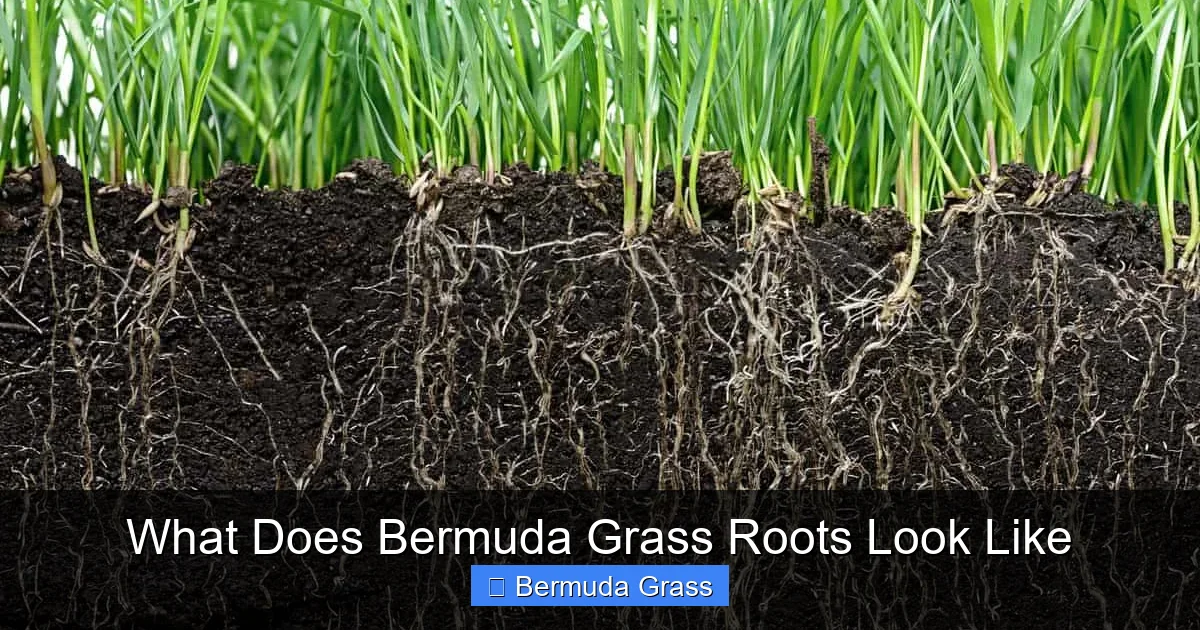
Visual guide about What Does Bermuda Grass Roots Look Like
Image source: gardentabs.com
Healthy Bermuda grass roots are usually white or light tan and form a dense network just below the soil surface. They can grow quite deep, especially in well-maintained lawns, offering drought resistance and stability. Knowing what healthy roots look like helps you spot issues early and take proper action.
How to Identify Bermuda Grass Roots
Step 1: Prepare Your Tools
Before inspecting the roots, gather tools like a small shovel or hand trowel, gloves, and a garden fork. These tools will help you gently dig up a section of the lawn without damaging the roots.
Step 2: Choose the Right Spot
Pick an area that looks patchy or unhealthy, or simply choose a spot where you want to check the roots. Aim for a section about 6-12 inches wide for a good sample.
Step 3: Carefully Excavate the Soil
Use your shovel or trowel to loosen the soil around the selected area. Gently lift the turf, keeping the root zone intact. Be patient—avoid ripping or tearing the roots.
Step 4: Examine the Roots
- Color: Healthy roots are white or light tan. Brown, black, or slimy roots indicate disease or rot.
- Texture: They should be firm and fibrous, not mushy or brittle.
- Density: A dense network of roots spreading out in all directions suggests a healthy, vigorous lawn.
- Depth: Roots should extend at least 6 inches deep, especially in well-maintained lawns.
Step 5: Assess the Results
If you see healthy roots, your Bermuda grass is in good shape. If roots are thin, brown, or sparse, it may be time to improve your lawn care practices.
What Do Healthy Bermuda Grass Roots Look Like?
Healthy Bermuda grass roots are:

Visual guide about What Does Bermuda Grass Roots Look Like
Image source: bermudalawnguide.com
- Color: White or light tan
- Texture: Firm, fibrous, and dense
- Spread: Covering a broad area just below the soil surface
- Depth: Reaching 6-12 inches deep in good conditions
They form a dense network that supports the above-ground grass blades, making your lawn resilient to drought, foot traffic, and disease.
Common Problems and Troubleshooting
Weak or Thin Roots
If roots are thin, brown, or sparse, your Bermuda grass may be suffering from drought stress, poor soil quality, or pests. Increase watering, aerate the soil, and fertilize appropriately to encourage healthy root growth.
Root Rot and Disease
Dark, slimy, or mushy roots indicate root rot caused by overwatering or fungal infections. Reduce watering, improve drainage, and consider fungicide treatment if necessary.
Shallow Roots
Roots that only grow 2-3 inches deep are vulnerable to drought and stress. Aeration and deep watering can encourage roots to grow deeper.
Tips to Promote Strong Bermuda Grass Roots
- Regular watering: Water deeply but infrequently to encourage deep root growth.
- Proper fertilization: Use a balanced fertilizer suited for Bermuda grass, especially during the growing season.
- Aeration: Loosen compacted soil to allow roots to expand and access oxygen.
- Proper mowing: Keep grass at an optimal height (about 1-2 inches) to promote healthy roots.
- Overseeding and patch repair: Reseed thin areas to stimulate new root growth.
Conclusion
Understanding what Bermuda grass roots look like is essential for maintaining a healthy lawn. By regularly inspecting the roots and recognizing signs of good or poor health, you can take proactive steps to improve your turf’s vitality. Healthy roots mean a resilient, lush Bermuda grass lawn that can withstand drought, foot traffic, and pests. Remember, great roots start with good soil, proper watering, and consistent care.
Happy gardening!