
Bermuda grass sprouts are small, delicate blades that emerge from seeds or runners. Recognizing these early signs helps you monitor and promote healthy lawn growth, ensuring a lush, green yard. This guide will walk you through identifying Bermuda grass sprouts and caring for them properly.
What Does Bermuda Grass Sprouts Look Like?
If you’re starting a new Bermuda grass lawn or overseeding an existing one, knowing what Bermuda grass sprouts look like is essential. Early identification helps you understand if your grass is growing properly or if adjustments are needed. In this guide, we’ll explore the appearance of Bermuda grass sprouts, how to recognize them, and tips for successful growth.
Key Takeaways
- Early sprouts appearance: Bermuda grass sprouts are tiny, spear-shaped blades that emerge from seeds or runners.
- Timing to look for: Sprouts typically appear 7-14 days after planting, depending on conditions.
- Visual clues: Look for thin, light green blades with a slightly fuzzy texture when sprouts first emerge.
- Growth environment: Warm temperatures, adequate moisture, and sunlight promote healthy Bermuda grass sprouting.
- Difference from weeds: Bermuda grass sprouts are uniform, narrow blades, unlike the irregular growth of weeds.
- Monitoring and care: Regularly check your lawn to identify sprouts early and apply proper watering and fertilization.
Understanding Bermuda Grass Growth Stages
Bermuda grass is a warm-season perennial known for its resilience and lush appearance. It grows through seeds, rhizomes, and stolons. The initial sprouting phase is critical because it sets the foundation for a healthy, dense lawn. Recognizing the early signs of growth ensures you can provide the right care at the right time.
When Do Bermuda Grass Sprouts Appear?
Bermuda grass typically sprouts in late spring to early summer when soil temperatures reach around 65-70°F (18-21°C). The timing can vary based on your location and weather conditions. Usually, you can expect sprouts to emerge within 7 to 14 days after planting or seeding.

Visual guide about What Does Bermuda Grass Sprouts Look Like
Image source: plantscraze.com
How to Recognize Bermuda Grass Sprouts
Step 1: Observe the Seed Bed
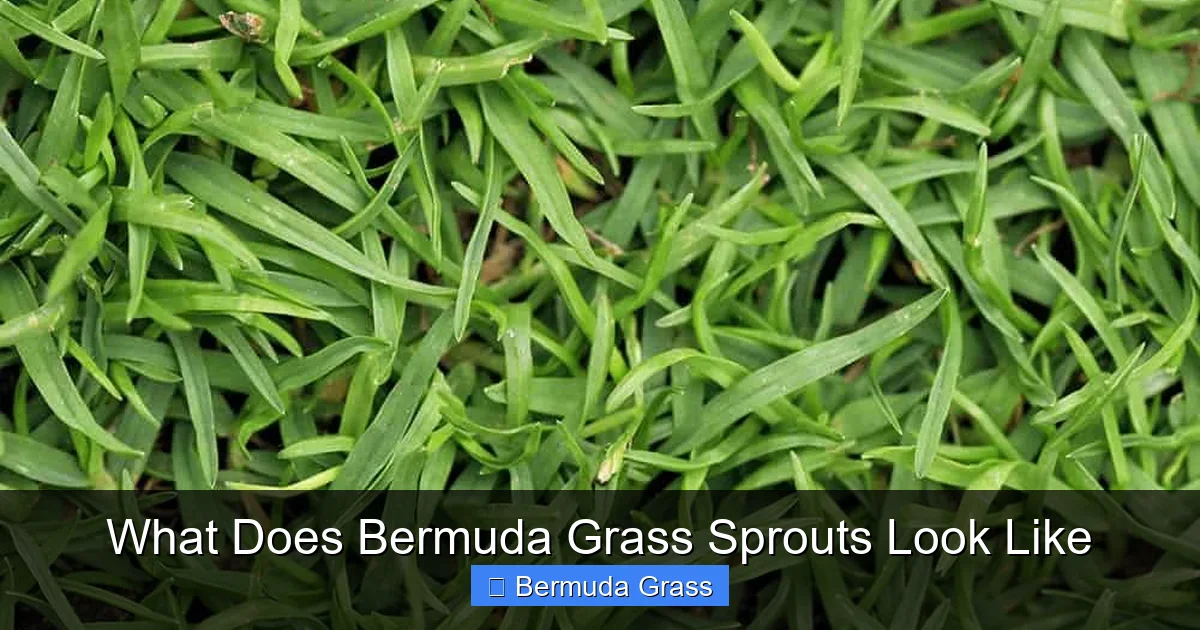
After planting Bermuda grass seeds or planting sections, check the soil surface regularly. The first signs of sprouting are tiny green blades breaking through the soil.
Visual guide about What Does Bermuda Grass Sprouts Look Like
Image source: agreenhand.com
Step 2: Look for Thin, Light Green Blades
Bermuda grass sprouts are usually very narrow, about 1/8 to 1/4 inch wide, and have a bright or light green color. Initially, they look delicate and may appear fuzzy due to the fine hairs on young blades.
Step 3: Identify the Growth Pattern
Sprouts emerge as individual blades or clusters. They often grow upright, with a spear-like shape, and tend to be uniform in size. The blades are usually straight and thin, giving the lawn a soft, fuzzy look at early stages.
Visual Characteristics of Bermuda Grass Sprouts
- Color: Light green or pale yellow-green initially, darkening as they mature.
- Shape: Narrow, spear-shaped blades approximately 1-2 inches long.
- Texture: Slightly fuzzy or velvety due to fine hairs.
- Growth habit: Erect, upright blades that spread out as they grow.
Factors Influencing Sprout Appearance
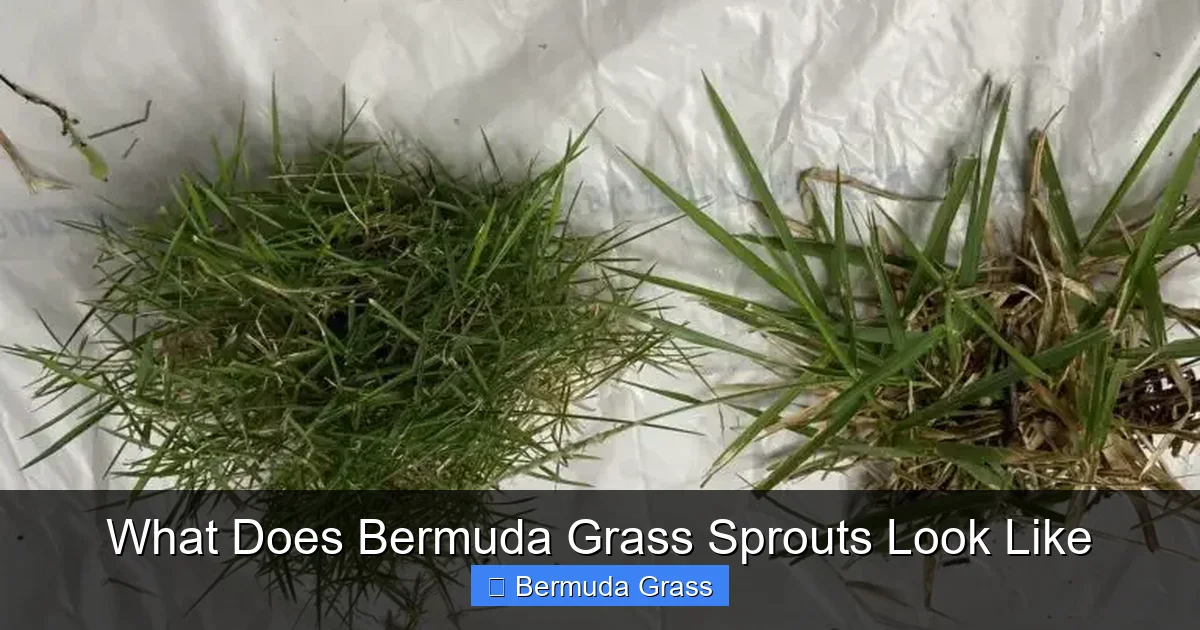
Environmental conditions significantly impact how Bermuda grass sprouts look. For instance:
Visual guide about What Does Bermuda Grass Sprouts Look Like
Image source: batonrougesod.com
- Temperature: Warm soil encourages quicker, more vigorous sprouting.
- Moisture: Consistent moisture results in healthier, greener sprouts.
- Light: Adequate sunlight helps sprouts develop strong, upright blades.
Common Issues and Troubleshooting
Why Are My Bermuda Grass Sprouts Thin or Yellow?
If your sprouts are pale or yellow, they might be lacking nutrients or experiencing stress from drought or poor soil fertility. Ensure proper watering and fertilization to promote healthy growth.
What if No Sprouts Appear?
Check soil temperature and moisture levels. If conditions are right but no sprouts appear after two weeks, consider reseeding or testing soil for nutrients.
Tips for Successful Bermuda Grass Sprouting
- Prepare the soil: Loosen and level soil before planting for better seed contact.
- Plant at the right depth: Sow seeds about 1/4 inch deep for optimal germination.
- Water consistently: Keep soil moist but not waterlogged during the sprouting phase.
- Maintain warm temperatures: Use soil heaters or start planting when soil warms up.
- Control weeds: Keep the area weed-free to prevent competition for nutrients and water.
Growing Bermuda Grass From Sprouts to Full Lawn
Once your Bermuda grass sprouts are visible, continue caring for them with proper watering, mowing, and fertilizing. As they grow, they will spread via stolons and rhizomes, filling in gaps and creating a dense, durable lawn.
Conclusion
Recognizing what Bermuda grass sprouts look like is a crucial step in establishing a healthy lawn. By understanding their appearance, growth stages, and environmental needs, you can ensure successful germination and lush growth. With patience and proper care, your Bermuda grass will thrive and provide a beautiful, resilient yard for years to come.
Final Tips
- Regularly check your lawn for early signs of growth.
- Maintain optimal soil and environmental conditions for sprouting.
- Be patient; early sprouts are delicate but vital for a healthy Bermuda grass lawn.