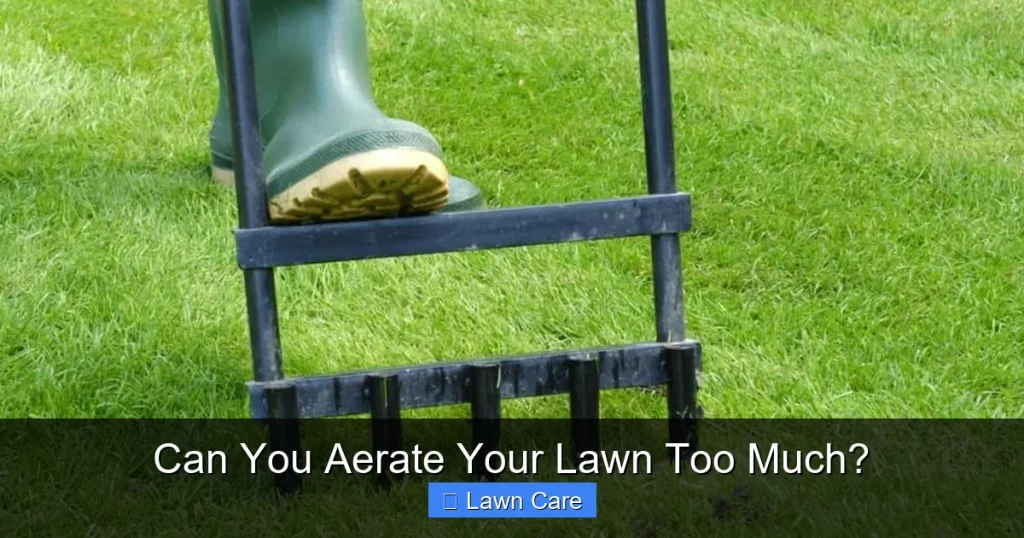
Yes, you can aerate your lawn too much, and doing so can actually harm your turf. While aeration is a crucial lawn care practice, overdoing it can stress the grass, create excessive bare spots, and make it vulnerable to weeds and diseases. Understanding the right frequency and timing is key to reaping its benefits without causing damage.
Lush, green grass is the dream for many homeowners. It’s a sign of a healthy, well-maintained yard that’s perfect for family gatherings, kids’ playtime, or just a peaceful retreat. Among the many tasks involved in achieving this dream, aeration often stands out as a powerful tool for improving soil health and turf vitality. It’s like giving your lawn a chance to breathe! But like any good thing, is it possible to have too much of a good thing when it comes to aeration?
It’s a question many lawn enthusiasts ponder. You’ve read about the incredible benefits of aeration – improved drainage, better nutrient absorption, stronger root growth, and reduced soil compaction. So, you might be tempted to aerate more often, thinking it will lead to an even more spectacular lawn. However, the reality is that while aeration is a wonderfully beneficial practice, there’s definitely a point where you can aerate your lawn too much. Doing so can lead to stress, damage, and ultimately, a less healthy lawn.
Let’s dive into what happens when aeration goes from beneficial to detrimental. Understanding the signs, the risks, and the optimal approach will help you keep your lawn in top shape without overdoing it.
## Understanding Lawn Aeration
Before we discuss over-aeration, it’s important to understand what lawn aeration is and why it’s done. Aeration is the process of making small holes in the soil, either by pulling out soil plugs (core aeration) or by creating small punctures (spike aeration). The goal is to alleviate soil compaction, which is a common problem, especially in areas with heavy foot traffic, clay soil, or dense root systems.
When soil becomes compacted, it restricts the flow of air, water, and nutrients to the grass roots. Think of it like trying to breathe through a straw that’s been squashed – it’s tough! Compacted soil also makes it harder for grass roots to grow deeply, leading to a weaker, more shallow-rooted plant that’s less resilient to drought, heat, and disease.
### Benefits of Proper Aeration
When done correctly and at the right times, aeration offers a host of benefits:
* **Reduced Soil Compaction:** This is the primary benefit. Loosening the soil allows air, water, and nutrients to penetrate more easily.
* **Improved Water Drainage:** Compacted soil can lead to waterlogged areas and runoff. Aeration helps water soak into the ground more effectively, reducing surface puddles.
* **Enhanced Nutrient Uptake:** With better air and water penetration, grass roots can access fertilizers and other essential nutrients more readily.
* **Stronger Root Development:** Looser soil encourages roots to grow deeper and spread out, creating a more robust and drought-tolerant lawn.
* **Better Thatch Breakdown:** Aeration helps beneficial microorganisms break down thatch (the layer of dead grass and organic matter at the soil surface), which can otherwise smother the lawn if it becomes too thick.
* **Improved Soil Aeration:** Grass needs oxygen just like we do! Aeration ensures the soil has adequate air supply for healthy root function.
Given these advantages, it’s easy to see why some might think “more is better.” However, the process of aeration itself is disruptive to the turf.
## The Risks of Aerating Your Lawn Too Much
While aeration is a beneficial practice, overdoing it can lead to several negative consequences. It’s crucial to remember that aeration is a stressor, albeit a beneficial one when managed properly. Constantly subjecting your lawn to this stress without adequate recovery time can be detrimental.
### Weakening the Turf and Root System
Every time you aerate, you are essentially creating openings and disturbing the soil. If you aerate too frequently, the grass roots don’t get enough time to recover and strengthen between sessions. Imagine a runner who is constantly pushing themselves to the limit without rest days. Eventually, their muscles become fatigued and prone to injury. The same can happen to your lawn.
Repeatedly disturbing the soil can lead to shallow root systems, as the grass might focus on recovering from the last aeration rather than growing deeper. This makes the grass less resilient to environmental stresses like drought or extreme temperatures. A stressed lawn is also more susceptible to pests and diseases.
### Creating Bare Patches and Promoting Weeds
One of the immediate visual effects of aeration is the appearance of small holes or plugs across the lawn. These openings, while intended to improve soil conditions, also create opportunities. If aeration is done too often, especially without proper follow-up care like overseeding, these openings might not close up as effectively.
This can lead to an increase in bare patches. Bare soil is an open invitation for weeds. Many common lawn weeds have seeds that lie dormant in the soil, just waiting for an opportunity to germinate. Disturbed soil and the introduction of light and air through aeration can trigger germination. If you aerate your lawn too much, you might find yourself battling a significant weed problem, which is the opposite of what you wanted.
### Increased Vulnerability to Pests and Diseases
A healthy, dense lawn is naturally more resistant to pests and diseases. When a lawn is stressed from over-aeration, its defenses are weakened. The grass blades may become thinner, and the root system less robust. This compromised state makes the turf an easier target for common lawn pests and fungal diseases.
For instance, grubs thrive in weakened root systems, and various fungal pathogens can take hold in stressed grass. Instead of enjoying a healthier lawn, you might find yourself dealing with new and persistent problems that require further intervention.
### Soil Erosion and Nutrient Runoff
While aeration aims to improve water penetration, doing it excessively can have the opposite effect in certain conditions. If the soil structure is continually disrupted, it can become looser and more prone to erosion, especially on slopes or during heavy rainfall. This can lead to a loss of valuable topsoil.
Furthermore, if you aerate and then experience heavy rain before the grass has recovered and the soil has settled, nutrients from fertilizers applied previously can be washed away, rendering them ineffective and potentially polluting nearby waterways. This is why timing aeration with favorable weather and subsequent watering is so important.
## When is “Too Much” Too Much?
The concept of “too much” aeration is directly tied to frequency, intensity, and timing. While general guidelines exist, your specific lawn conditions and grass type play a significant role.
### Frequency is Key
For most home lawns, aeration is typically recommended once every 1 to 3 years. This frequency allows the lawn sufficient time to recover and benefit from the process without being subjected to undue stress.
* **Cool-season grasses** (like fescue, bluegrass, and ryegrass) are often best aerated in the fall or early spring when they are actively growing. Aerating once a year in the fall is usually sufficient for these types.
* **Warm-season grasses** (like Bermuda, zoysia, and centipede grass) benefit from aeration during their active growing season, typically late spring to early summer. Again, once a year is often enough.
If you find yourself aerating your lawn every few months, or even twice a year without a clear need, you are likely aerating too much. The exception might be if you have extremely compacted soil due to heavy clay, or if you are trying to establish new turf and need to improve seed-to-soil contact, but even then, careful monitoring is essential.
### Intensity of Aeration
“Too much” also relates to how deep and how many passes you make with the aerator.
* **Depth:** For core aerators, holes should typically be about 2-3 inches deep. Going significantly deeper without a specific reason can cause unnecessary disturbance.
* **Passes:** Making multiple passes over the same area, especially without allowing time for recovery, can be overly aggressive. For example, crossing the lawn twice in different directions is often sufficient for core aeration. If you are going over the same spot multiple times, you are likely overdoing it.
* **Type of Aerator:** Spike aerators create smaller holes but can compact the soil around them, potentially causing more harm if used excessively. Core aerators are generally preferred for their ability to relieve compaction and provide soil plugs that break down.
### Timing Matters Most
One of the biggest mistakes leading to over-aeration is doing it at the wrong time of year.
* **Dormant Periods:** Aerating when your grass is dormant (e.g., during winter for cool-season grasses or summer dormancy for some warm-season grasses) offers little benefit and can cause significant damage. The grass cannot recover from the stress when it’s not actively growing.
* **Extreme Heat or Drought:** Aerating during periods of intense heat or drought is highly risky. The lawn is already stressed, and the added disturbance can push it over the edge, leading to browning and death. It’s like asking someone to run a marathon in sweltering heat – it’s dangerous.
* **Active Growth is Ideal:** The best times to aerate are when your grass is actively growing and has a good supply of moisture. This allows it to recover quickly and take advantage of the improved soil conditions. For cool-season grasses, this is generally spring and fall. For warm-season grasses, it’s late spring through summer. Knowing when to aerate your lawn is crucial to avoid overdoing it.
## Recognizing the Signs of Over-Aeration
Your lawn will tell you if it’s had enough. Paying attention to these signs is your best indicator that you might be aerating too much.
### Visible Stress and Damage
The most obvious signs of over-aeration include:
* **Yellowing or Browning Grass:** If large areas of your lawn turn yellow or brown shortly after aeration, it’s a clear sign of stress.
* **Slow Recovery:** If the small holes or plugs from aeration remain visible for an extended period (weeks rather than days) and the grass doesn’t seem to be filling in, it indicates the grass is struggling to recover.
* **Thinning Turf:** A generally thinner appearance of the lawn, with fewer grass blades per square inch, can be a symptom of weakened grass from excessive stress.
### Increased Weed Infestation
As mentioned earlier, over-aeration creates ideal conditions for weeds. If you notice a significant increase in the types of weeds you’re seeing, or if weeds are rapidly taking over areas that were previously healthy, your aeration practices might be contributing. This is particularly true if you haven’t been overseeding after aeration.
### Poor Response to Other Care Practices
If your lawn isn’t responding well to watering, fertilization, or other care practices, it could be a sign that its underlying health has been compromised. A lawn that is constantly stressed from over-aeration won’t be able to utilize water and nutrients effectively, leading to a general lack of vigor.
## Best Practices to Avoid Over-Aeration
To enjoy the benefits of aeration without the drawbacks, follow these best practices:
### Stick to Recommended Schedules
Refer to guidelines for your specific grass type and climate. Generally, aerating once every 1-3 years is sufficient for most established lawns. How often should you aerate your lawn for maximum results is a question best answered by understanding your lawn’s needs.
### Choose the Right Time
Always aerate during your grass’s active growing season. This maximizes the lawn’s ability to recover and heal. For cool-season grasses, aim for fall or early spring. For warm-season grasses, target late spring through summer. Avoid aerating during extreme weather conditions.
### Use the Right Equipment and Technique
* **Core Aerator:** This is generally the preferred method for relieving compaction.
* **Depth:** Aim for holes that are 2-3 inches deep.
* **Coverage:** One or two passes in perpendicular directions are usually sufficient. Don’t overwork any single area.
### Follow Up with Proper Care
After aerating, especially with a core aerator, it’s a good time to:
* **Overseed:** This is an excellent opportunity to fill in any thin areas and introduce new, healthy grass. The plugs left by the aerator help ensure good seed-to-soil contact.
* **Fertilize:** Applying a balanced fertilizer can help the grass recover and promote new growth.
* **Water:** Ensure your lawn receives adequate water, especially during dry periods following aeration, to aid recovery. However, be mindful of can you overwater your lawn and maintain a proper watering schedule.
### Monitor Your Lawn’s Condition
Regularly observe your lawn for signs of stress or improvement. If your lawn looks great and soil compaction isn’t a major issue, you might be able to extend the time between aerations. If compaction is severe, you might aerate more frequently initially, but aim to move towards a less intensive schedule as soil health improves.
## When Aeration Might Seem Necessary More Often
While the general rule is to aerate sparingly, there are situations where more frequent aeration might be considered, *but always with caution and observation*.
### Severely Compacted Soil
If your soil is extremely dense and compacted, perhaps due to heavy clay content or continuous heavy traffic over many years, your lawn might benefit from aeration more often in the initial stages of remediation. This might mean aerating every year for a couple of years. However, the ultimate goal is to improve the soil structure so that less frequent aeration is needed.
### Preparing for Overseeding on Heavily Thatchy Lawns
In some cases, especially with lawns that have accumulated a significant amount of thatch, aeration can help improve seed-to-soil contact for overseeding. If thatch is very thick, you might consider dethatching first, then aerating. This combination, however, is a more intensive process and should still be done with careful consideration of the grass’s ability to recover. Remember, can you dethatch lawn without a machine is a question that leads to similar considerations of soil disturbance.
### Specific Landscaping Projects
If you’ve undertaken significant landscaping work, like adding a water feature or building a patio, the soil in the surrounding areas might have become heavily compacted from machinery. In such cases, targeted aeration might be needed more frequently in those specific spots.
In these scenarios, the key is still observation. You’re not just aerating on a calendar date; you’re aerating because the soil *needs* it, and you’re watching closely for signs of stress, adjusting your approach as needed.
## Conclusion
Lawn aeration is a powerful technique for revitalizing your turf, but like many beneficial practices, it’s possible to overdo it. Aerating your lawn too much can weaken the grass, invite weeds, and make your lawn more susceptible to pests and diseases. The key to successful aeration lies in understanding its purpose, adhering to appropriate frequencies and timings based on your grass type and climate, and observing your lawn’s response.
By following recommended schedules, choosing the right time of year, and implementing proper follow-up care, you can ensure that aeration remains a positive force for your lawn’s health. Remember, a healthy lawn is a resilient lawn, and that resilience comes from a balanced approach to care – not from excessive intervention. So, aerate wisely, observe carefully, and enjoy the green, vibrant lawn you’ve worked hard to cultivate.
- Over-aeration can stress your lawn: Performing aeration too frequently can weaken grass roots and blades, making the lawn less resilient.
- Timing is critical: Aerating during periods of active grass growth is best; attempting it during dormancy or extreme heat can be detrimental.
- Excessive disruption is harmful: Too many aeration passes or overly deep aeration can lead to significant soil disturbance, creating ideal conditions for weeds.
- Recovery time is needed: Lawns need time to recover from aeration. Constantly aerating prevents this essential healing process.
- Potential for increased weed and pest issues: Bare patches created by over-aeration are prime real estate for weeds to take root and can invite pests.
- Observe your lawn’s condition: Pay attention to how your lawn responds. If it looks stressed or damaged after aeration, you might be doing it too often.
- Consult local recommendations: Factors like your grass type and climate influence the ideal aeration schedule.
Quick Answers to Common Questions
What happens if I aerate my lawn too often?
If you aerate your lawn too often, you can stress the grass, weaken its root system, create bare patches, invite weeds, and make it more susceptible to pests and diseases. This is because the aeration process itself is disruptive, and the grass needs time to recover between treatments.
How do I know if I’m aerating my lawn too much?
Signs that you’re aerating too much include visible stress like yellowing or browning grass, slow recovery of the turf, thinning of the lawn, and a significant increase in weed growth. If your lawn doesn’t look healthy and vigorous after aeration, you might be overdoing it.
Can aeration damage my lawn?
Yes, aeration can damage your lawn if it’s done incorrectly, at the wrong time, or too frequently. While the goal is to improve the lawn, excessive or poorly timed aeration can lead to stress, increased weed problems, and a weaker turf. Proper technique and timing are crucial to avoid damage.
What is the ideal frequency for aerating my lawn?
For most established lawns, aerating once every 1 to 3 years is typically sufficient. The exact frequency depends on factors like soil type, traffic, and grass type. Cool-season grasses often benefit from aeration in fall or early spring, while warm-season grasses are best aerated in late spring to summer.
Should I aerate my lawn in hot weather?
No, you should avoid aerating your lawn during periods of extreme heat or drought. The grass is already stressed, and the added disruption from aeration can push it too far, potentially leading to significant damage or death. Always aerate during your grass’s active growing season when it’s well-hydrated.
Frequently Asked Questions
Can I aerate my lawn every month?
No, aerating your lawn every month is far too frequent and will likely cause significant damage. Most lawns only need aeration once every 1 to 3 years to benefit from reduced soil compaction and improved nutrient flow.
What’s the difference between core aeration and spike aeration, and does one lead to overdoing it more than the other?
Core aeration pulls out soil plugs, which is generally better for relieving compaction and introducing air. Spike aeration punctures the soil but can sometimes compact the soil around the holes. Both can be overdone if performed too frequently or at the wrong time, but core aeration is often considered more beneficial when done correctly.
My lawn has a lot of clay. Should I aerate it more often?
Lawns with heavy clay soil tend to compact more easily and may benefit from more frequent aeration, perhaps annually for a few years. However, the goal is to improve soil structure over time so that less frequent aeration is needed. Always observe your lawn’s response.
What should I do immediately after aerating my lawn to help it recover?
After aerating, especially with a core aerator, it’s beneficial to overseed any thin areas, apply a balanced fertilizer to encourage growth, and ensure the lawn is adequately watered. These steps help the grass recover quickly and maximize the benefits of the aeration process.
Is it okay to aerate a very dry lawn?
It is not advisable to aerate a very dry lawn. Aeration is best performed when the soil is moist but not waterlogged, making it easier for the aerator to penetrate and minimizing stress on the grass. Dry conditions can make the process more difficult and potentially harmful to the turf.
Can aerating my lawn too much lead to permanent damage?
While permanent damage is less common if you correct the issue, severely over-aerating can significantly weaken your lawn, making it vulnerable for an extended period. It might take several seasons of proper care to fully recover a lawn that has been excessively stressed by over-aeration.