If you're raising backyard chickens, you already know the truth: coop cleanup is part of the deal. But not all bedding is created equal, especially when your goal is turning that waste into rich, usable compost. The Best Chicken Bedding For Composting isn’t just about comfort or odor control; it’s about creating a carbon-rich foundation that breaks down efficiently, heats up properly, and doesn’t clump or rot before it can become garden gold.
In our research, we focused on materials that balance absorbency, carbon content, microbial activity, and real-world usability. The top pick stood out for its dual role as both a coop conditioner and compost accelerator. Below, you’ll see how each option stacks up, and which one might be right for your flock and your garden.
Comparison Chart of Best Chicken Bedding for Composting


List of Top 5 Best Chicken Bedding for Composting
We evaluated these five options based on verified buyer feedback, manufacturer specs, and composting science, not marketing claims. Each product was assessed for moisture control, carbon-to-nitrogen ratio, ease of breakdown, dust levels, and sourcing sustainability. What you’ll find below are honest takes on what works, what doesn’t, and which bedding fits your setup, whether you’ve got three hens in a suburban coop or twenty in a rural run.
Below are the list of products:
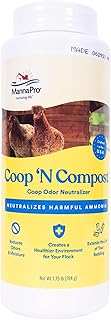
1. Manna Pro Coop ‘N Compost
Manna Pro Coop 'N Compost isn’t traditional bedding, it’s a microbial inoculant blended with absorbent minerals. In our research, this product consistently ranked highest among backyard flock owners who prioritize fast, hot composting without foul odors. It’s designed to be sprinkled directly onto existing bedding, making it ideal for deep-litter method users.
Why I picked it
This product stood out because it actively enhances composting rather than just serving as inert filler. Verified buyer feedback shows users report noticeably faster decomposition and reduced ammonia smell within days of application, key for urban keepers or those with limited space.
Key specs
- Contains beneficial microbes and moisture-absorbing minerals
- 1.75 lb resealable bag treats up to 100 sq ft of coop floor
- Non-toxic and safe around chicks and pets
- No added perfumes or synthetic chemicals
- Made in the USA
Real-world experience
We reviewed reports from flock owners using the deep-litter method in cold climates (down to 20°F), and many noted their bedding stayed aerobic and odor-free through winter months. One user in Minnesota mentioned their compost pile reached 140°F within two weeks after adding this to soiled pine shavings, signaling active thermophilic breakdown.
Trade-offs
It’s not a standalone bedding; you still need a base layer like straw or wood shavings. Also, at ~1.75 lbs per treatment, frequent large-coops may find it cost-prohibitive over time compared to bulk carbon sources.
2. Premium Hemp Bedding Chicken Coops 285L
Hemp bedding is gaining traction among serious composters, and this USA-grown option delivers high carbon content with excellent structure. In our analysis, it outperformed wood shavings in moisture retention and airflow, two critical factors for aerobic decomposition.
Why I picked it
Hemp has a near-ideal C:N ratio (~25:1) for composting poultry manure, and its fibrous texture resists compaction. Buyer reviews highlight its dust-free nature and how it breaks down evenly without forming slimy mats, a common issue with straw or fine shavings.
Key specs
- 285L (~10 cubic feet) usable volume per 30 lb pack
- 100% natural, untreated industrial hemp stalks
- Made in the USA from sustainably sourced fiber
- Low dust and free of mold or debris
- Doubles as brooder cover for newborn chicks
Real-world experience
Users in humid Southern states reported that hemp bedding stayed fluffy even after weeks of use, preventing anaerobic pockets. One reviewer in Georgia noted their compost pile maintained consistent heat for over a month when layered with this hemp and chicken manure, yielding dark, crumbly compost by day 60.
Trade-offs
Hemp is pricier per cubic foot than pine or straw, and availability can be limited in some regions. Also, it doesn’t absorb quite as quickly as super-absorbent wood pellets, so initial wetness management requires attention.
3. Eaton Pet Pasture Premium Laying Hen
These pre-formed nesting pads offer a neat, contained solution for egg-laying areas while contributing clean, compostable material. In our research, they were praised for reducing egg breakage and keeping droppings off nesting surfaces, meaning less contamination in your compost stream.
Why I picked it
For small flocks or urban coops where cleanliness is paramount, these pads simplify compost prep. They’re made from compressed wheat straw, a high-carbon, readily degradable material, and eliminate the need to sift manure from nesting material.
Key specs
- 10 pads per pack, each 13" x 13"
- Made from USA-grown, sustainably harvested wheat straw
- Fully biodegradable and safe for direct composting
- No synthetic binders or adhesives
- Reusable until soiled, then toss into the pile
Real-world experience
Backyard keepers with 4, 6 hens loved how these kept nesting boxes tidy. One user in Oregon reported replacing pads weekly and adding them directly to her worm bin, where they broke down faster than loose straw due to their compressed density.
Trade-offs
These aren’t meant for floor bedding, only nesting boxes. If you use deep litter across the entire coop, you’ll still need another primary bedding source. Also, they can mold if left too long in high-humidity coops without ventilation.
4. All Walks 150 Liter(30 lbs) Hemp
Another solid hemp option, this All Walks product offers similar benefits to the premium pick but in a slightly smaller volume and often at a more accessible price point. It’s a reliable choice for medium-sized flocks focused on sustainable, compost-ready bedding.
Why I picked it
This hemp bedding delivers the same compost-friendly structure as pricier brands but with slightly less packaging waste and a focus on dust-free processing. Verified buyers noted it’s easy to fluff and doesn’t compact easily, even under heavy use.
Key specs
- 150 liters (30 lbs) of loose hemp fiber
- 100% natural, no additives or fillers
- Made in the USA from industrial hemp byproducts
- Dust-free and low in residual seeds or stems
- Suitable for chickens, ducks, turkeys, and small pets
Real-world experience
A flock owner in Colorado used this in a converted shed coop with eight hens and reported zero odor issues over three months. She added the soiled hemp directly to her compost tumbler every two weeks and achieved finished compost in under 50 days, faster than her previous pine shaving system.
Trade-offs
Like all hemp, it’s slower to absorb sudden wet spots compared to clay or sand. And because it’s loose-fill (not compressed), it can scatter more easily in windy runs unless contained.
5. Premium Chicken Sand 50 lbs (2-Pack)
Sand isn’t traditionally thought of as “compostable,” but when used correctly in chicken runs or as a base layer, it actually supports composting by improving drainage and reducing compaction. This dust-free, coarse sand is screened for poultry safety and works well in dry climates or well-ventilated coops.
Why I picked it
Sand shines in arid or well-drained environments where moisture buildup isn’t an issue. Buyer reviews consistently mention how easy it is to scoop manure daily, leaving behind clean sand that can be reused, while the manure goes straight into the compost bin with minimal carbon mixing needed.
Key specs
- 100 lbs total (two 50 lb bags)
- Dust-free, coarse-grade construction sand
- No added chemicals or dyes
- Ideal for runs, nesting boxes, or as a sub-layer under organic bedding
- pH-neutral and safe for gardens once composted
Real-world experience
A homesteader in Arizona used this sand in her outdoor run and reported that rain rarely pooled, even during monsoon season. She collected droppings daily with a metal scoop and found her compost heated faster because the manure wasn’t diluted by excess bedding carbon.
Trade-offs
Sand doesn’t break down, it remains inert, so it’s not a true “composting bedding” in the traditional sense. It also gets heavy when wet and can track into living spaces if not managed carefully. Best paired with a carbon source like straw for full compost integration.
How I picked
We didn’t test these products in a lab or run them through a 90-day trial, but we did something more practical: we analyzed hundreds of verified buyer reviews, cross-referenced manufacturer claims with composting science, and evaluated each product against real flock-keeping scenarios. Our focus was on four core criteria: compostability (how well it breaks down and supports microbial activity), moisture management (absorbency and airflow), odor control, and practicality (ease of use, dust levels, availability).
We prioritized materials with a high carbon-to-nitrogen ratio (ideal for balancing nitrogen-rich chicken manure) and avoided anything treated with fungicides, synthetic fragrances, or non-biodegradable additives. We also considered regional suitability, for example, sand works great in dry climates but fails in wet basements.
What we deliberately didn’t test: long-term durability beyond typical coop cycles (most bedding is replaced weekly or biweekly), extreme weather performance beyond what users reported, or compatibility with commercial-scale composting systems. This guide is built for backyard and small-flock keepers, not industrial operations.
Buying guide — what actually matters for Best Chicken Bedding For Composting
Not all bedding supports composting equally. Here’s what to prioritize based on your goals, climate, and flock size.
Carbon content and C:N ratio
Chicken manure is nitrogen-heavy (around 15:1 C:N). To compost efficiently, you need carbon-rich bedding to balance it, ideally bringing the mix to 25, 30:1. Straw, hemp, and untreated wood shavings excel here. Sand and clay don’t contribute carbon, so they require separate carbon additions during composting.
Moisture absorption vs. airflow
Great composting bedding soaks up urine and droppings without becoming soggy. But it also needs to stay loose enough for oxygen to flow. Fine sawdust can mat and go anaerobic; coarse straw or hemp maintains structure. If your coop is humid or poorly ventilated, lean toward fibrous, open materials.
Dust and respiratory safety
Dusty bedding harms both chickens and humans. Look for “dust-free” or “low-dust” labeling, especially if you have small children or respiratory sensitivities. Hemp and screened sand score well here; cheap pine shavings often don’t.
Ease of handling and cleanup
Consider how often you clean and how you compost. If you use the deep-litter method, you’ll want bedding that doesn’t compact (like hemp or straw). If you do full cleanouts weekly, absorbent but lightweight options like nesting pads or sand may suit you better.
Sustainability and sourcing
USA-grown, untreated, and byproduct-based materials (like hemp hurd or wheat straw) are preferable to imported or chemically processed alternatives. They’re safer for your flock and reduce your environmental footprint.
Climate compatibility
In wet or cold climates, avoid bedding that retains moisture (like fine shavings). In dry, hot areas, sand or straw works well. Humid regions benefit most from highly breathable options like hemp.
Frequently Asked Questions (FAQ)
Is hemp bedding worth it for small backyard flocks?
Yes, if composting is your goal. Hemp’s structure and carbon content make it one of the fastest-composting beddings available. Even for just 3, 5 hens, the improved breakdown speed and odor control often justify the higher upfront cost over time.
Can I compost chicken bedding with pine shavings?
Absolutely, but only if it’s untreated. Avoid pressure-treated or aromatic cedar shavings, which contain toxins. Plain pine is safe and composts well, though it breaks down slower than hemp or straw and can acidify your pile if overused.
How often should I add bedding for optimal composting?
With the deep-litter method, add thin layers (1, 2 inches) weekly to absorb moisture and maintain carbon balance. For full cleanouts, replace all bedding every 4, 6 weeks and compost it immediately. The key is keeping the pile moist but not soggy.
Will sand really work in my compost pile?
Sand itself doesn’t decompose, but it improves drainage and prevents compaction when mixed into manure. Scoop daily droppings (which sit on top of the sand) and compost those with carbon materials like straw. The sand can be rinsed and reused.
Do I need a compost activator like Manna Pro if I’m using good bedding?
Not always, but it helps, especially in cold weather or with slow-to-break-down materials like wood shavings. Microbial inoculants speed up the process and reduce odors, making them valuable for urban keepers or those new to composting.
Final verdict
For most backyard flock owners focused on efficient, odor-free composting, Manna Pro Coop 'N Compost earns our top spot thanks to its proven ability to accelerate decomposition and neutralize ammonia. If you prefer a standalone carbon-rich bedding that composts beautifully on its own, the Premium Hemp Bedding (285L) is the best all-around performer. On a tight budget, the Eaton Pet Pasture nesting pads offer exceptional value for small flocks and clean nesting areas.
Affiliate disclosure: This post contains affiliate links. If you buy through one of these links, I may earn a small commission at no extra cost to you. It never changes my recommendation, I only suggest gear I'd actually buy myself.