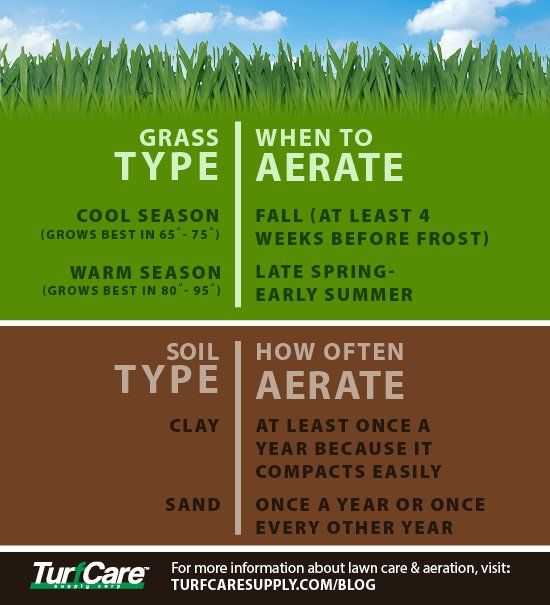
Aerating your lawn is essential for maintaining its health and vitality, but you might be wondering how often you should do it for the best results. Ideally, you should aerate your lawn once or twice a year, depending on the type of grass you have and the level of foot traffic it experiences. This process helps alleviate soil compaction, allowing air, water, and nutrients to penetrate the roots more effectively. In the spring or fall are typically the best times to aerate, as the cooler temperatures promote grass growth. By following these guidelines, you can ensure your lawn remains lush and green, thriving throughout the seasons. Let’s dive deeper into the benefits of aeration and how to determine the right frequency for your specific lawn.

How Often Should You Aerate Your Lawn for Maximum Results
Aerating your lawn is a crucial step to promote healthy grass growth. But how often should you really do it for the best results? This article will break down everything you need to know about lawn aeration and help you determine the right frequency for your specific lawn.
Understanding Lawn Aeration
Before we dive into frequency, it’s essential to understand what aeration really is. Aeration involves perforating the soil with holes to allow air, water, and nutrients to penetrate down to the roots. This process helps reduce soil compaction, promotes root development, and improves overall lawn health.
Why is Aeration Important?
Aeration is vital for several reasons:
- **Reduces Soil Compaction**: Regular aeration prevents the ground from becoming too compacted, allowing roots to breathe and grow.
- **Enhances Nutrient Absorption**: Holes created during aeration enable better absorption of fertilizers and water.
- **Improves Drainage**: Aeration helps rainwater and irrigation penetrate deeper, preventing runoff.
- **Encourages Thicker Grass**: A well-aerated lawn promotes growth, resulting in a lush, healthy lawn.
Factors Influencing Aeration Frequency
Several factors will impact how often you should aerate your lawn. Let’s take a deeper look into each one.
Soil Type
The type of soil in your yard plays a significant role in determining aeration frequency. For instance:
- **Clay Soil**: Clay tends to compact easily, so it may benefit from aeration 2-4 times a year.
- **Sandy Soil**: Sandy soils drain well and can typically be aerated once a year.
- **Loamy Soil**: A mixture of sand, silt, and clay can be aerated once a year, but monitor for compaction.
Grass Type
Different grass species have varying needs when it comes to aeration:
- **Cool-Season Grasses**: Types like Kentucky bluegrass do well with spring or fall aeration.
- **Warm-Season Grasses**: Grasses like Bermuda thrive with aeration during summer months.
Lawn Usage
How often your lawn is used will also influence aeration frequency:
- **High Traffic Areas**: If your lawn sees heavy foot traffic, it may require more frequent aeration.
- **Low Traffic Areas**: For lawns that are less frequently used, annual aeration may suffice.
Best Times to Aerate Your Lawn
Timing is everything when it comes to lawn aeration. Below are the best periods to consider:
Spring Aeration
Spring is a popular time for aerating cool-season grasses. As temperatures start to rise, grass begins to grow, making this an excellent time to help your lawn thrive.
Fall Aeration
Fall is often regarded as the ideal time to aerate. The cooler temperatures combined with the upcoming winter moisture allow for optimal recovery.
Summer Aeration
For warm-season grasses, mid to late summer is the best time for aeration. It’s when these grasses are at their peak growth.
How to Aerate Your Lawn
Once you’ve established when to aerate, it’s time to understand how to do it correctly. Here’s a simple guide:
Choosing the Right Tools
You’ll need an aerator to effectively aerate your lawn. There are mainly two types available:
- **Spike Aerators**: These create holes in the ground using spikes. However, they can sometimes compact the soil further.
- **Core Aerators**: These remove small plugs of soil, providing the best results by alleviating compaction.
Preparing the Lawn
Before you start:
- Mow the lawn to a shorter height for easy access to the soil.
- Water the lawn a day before aerating, making the soil easier to penetrate.
Aeration Process
To aerate:
1. Start at one corner of your yard and work your way across in straight lines.
2. Make overlapping passes to ensure even coverage.
3. Don’t forget critical areas like corners and edges.
Post-Aeration Care
Now that you’ve aerated, it’s vital to care for your lawn properly. This will maximize the benefits of aeration.
Fertilizing
After aeration, consider applying a fertilizer. The nutrients can penetrate the holes and feed the grass roots directly.
Watering
Making sure your lawn receives adequate water post-aeration is essential. Aim to water the lawn deeply to encourage new growth.
Overseeding
If you’re looking to fill in bare spots, overseeding immediately after aeration can provide excellent results. The seeds will have a better chance of germination in the newly aerated soil.
Common Mistakes to Avoid
When aerating your lawn, be mindful of these common mistakes:
- **Ignoring Soil Moisture**: Aerate when the soil is moist for best results.
- **Not Aerating Enough**: Depending on your lawn’s needs, skipping aeration can lead to compaction and healthier grass.
- **Aerating at the Wrong Time**: Timing is essential. Know your grass type and aerate accordingly.
Signs Your Lawn Needs Aeration
You might wonder how to know when it’s time to aerate again. Watch for these signs:
- **Dull, Thin Grass**: If your grass looks lifeless, it might be time to aerate.
- **Poor Drainage**: If rainwater pools on your lawn, compaction may be an issue.
- **Heavy Foot Traffic**: If high-traffic areas look worn down, consider aeration.
In conclusion, regular lawn aeration can play a significant role in maintaining a vibrant and thriving lawn. By understanding factors such as soil type, grass type, and lawn usage, you can determine how often to aerate your lawn effectively. Following the correct aeration process and caring for your lawn post-aeration ensures maximum results. With the right approach, you can create a lush and healthy outdoor space for you and your family to enjoy.
WHEN IS THE BEST TIME TO AERATE YOUR LAWN?
Frequently Asked Questions
“`html
What is the Best Time of Year to Aerate Your Lawn?
The ideal time to aerate your lawn depends on the type of grass you have. For cool-season grasses, early spring or fall is the best time, as the soil is moist and the temperatures are moderate. For warm-season grasses, late spring through early summer is preferred when the grass is actively growing and can recover quickly from aeration.
How Can I Tell if My Lawn Needs Aeration?
You can determine if your lawn needs aeration by checking for compacted soil, which often leads to poor drainage and unhealthy grass. Look for signs like difficulty in pushing a screwdriver into the ground, water pooling in certain areas, or thinning grass. If these signs are present, aerating your lawn can help improve its health.
What Equipment Should I Use for Aerating My Lawn?
For aerating your lawn, you can use either a spike aerator or a core aerator. A core aerator removes small plugs of soil, allowing air, water, and nutrients to reach the roots more effectively. A spike aerator simply punctures holes in the soil and is less effective than a core aerator for relieving soil compaction.
Can I Aerate My Lawn After Fertilizing?
Aerating your lawn after fertilizing can actually enhance the benefits of the fertilizer. Aeration creates holes in the soil, allowing the fertilizer to penetrate deeper and reach the roots more effectively. However, it is advisable to wait a few days after fertilizing to allow the nutrients to start breaking down before aerating.
Is it Necessary to Water My Lawn Before Aeration?
Watering your lawn before aeration is beneficial as it softens the soil, making it easier for the aerator to penetrate. Aim to water your lawn 1-2 days before aerating so the soil is moist but not overly saturated. Proper moisture levels help ensure that you achieve the best results during the aeration process.
“`
Final Thoughts
Aerating your lawn enhances its health and vitality, allowing better air, water, and nutrient penetration. For maximum results, aim to aerate your lawn once or twice a year, depending on the soil type and grass conditions.
Spring and fall are ideal seasons for aeration, as grass grows actively during these times. Keep an eye on your lawn’s overall condition; if you notice compaction or poor drainage, consider aerating more frequently.
In summary, “How Often Should You Aerate Your Lawn for Maximum Results” truly depends on your specific lawn needs, but regular aeration is key to a thriving landscape.