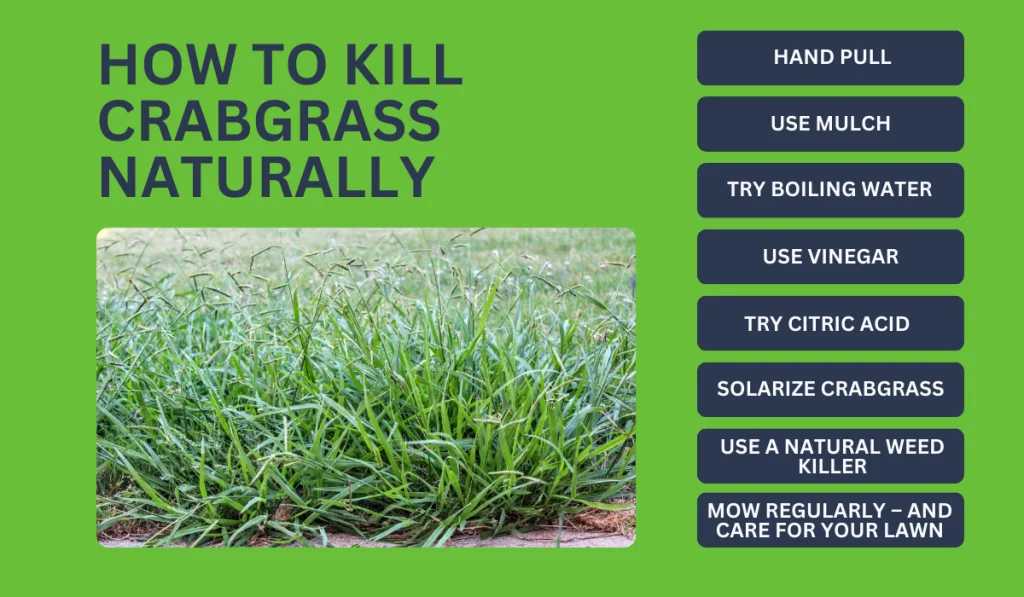
Yes, vinegar can kill crabgrass, but its effectiveness may vary depending on how it’s used. Vinegar acts as a natural herbicide due to its acetic acid content, which can burn and dry out weeds like crabgrass when applied directly. However, it’s not a foolproof or long-term solution and works best on young or small plants rather than mature, established crabgrass. For consistent results, multiple applications might be necessary, and caution should be taken to avoid damaging surrounding desirable grass.
Vinegar can be a quick, eco-friendly way to tackle crabgrass, especially if you prefer natural methods over chemical herbicides. But keep in mind, it’s more of a spot treatment than a comprehensive fix. In this article, we’ll explore how effective vinegar really is, the best ways to use it, and other tips for controlling crabgrass naturally.

Can Vinegar Kill Crabgrass Effectively?
Understanding Crabgrass and Why It’s a Problem
Crabgrass is a common weed that appears in lawns during the warm months. It grows quickly and outcompetes desirable grass types, making your yard look uneven and patchy. Many homeowners look for natural methods to control crabgrass without resorting to chemicals.
Crabgrass is resilient and often difficult to eliminate once it takes hold. It spreads through seeds and runners, which makes aggressive removal necessary.
What Is Vinegar and How Does It Work as a Weed Killer?
Vinegar is a household product made mainly from acetic acid. It is popular for cleaning and cooking but also used as a natural weed killer.
The acetic acid in vinegar causes dehydration in plants, which can burn and kill the weed’s tissues. However, its effectiveness depends on the type and strength of vinegar used.
Types of Vinegar for Weed Control
- White Vinegar: Commonly used with a 5% acetic acid concentration. Readily available but less potent for weeds.
- Horticultural Vinegar: Contains higher acetic acid levels, up to 20%, making it more effective but also more caustic.
- Industrial Vinegar: Can have even higher acetic acid levels but is less accessible for home use and may require safety precautions.
How Effective Is Vinegar in Killing Crabgrass?
Vinegar can kill crabgrass temporarily, especially when applied directly to the leaves. It works best on young, tender weeds rather than mature ones.
Because vinegar affects only the parts of the plant it touches, it may not eradicate crabgrass completely if the roots remain alive. Repeated application is often necessary for noticeable results.
Limitations of Using Vinegar to Control Crabgrass
Limited Root Penetration
Vinegar mainly affects the foliage and does not penetrate deeply into the soil. Crabgrass’s deep root system often survives vinegar treatment, leading to regrowth.
Non-Selective Nature
Vinegar can harm desirable grass and plants if applied incorrectly. It’s important to target only the crabgrass to prevent damage to your lawn.
Environmental Considerations
Repeated use of high-concentration vinegar can alter soil pH and harm beneficial soil organisms over time. Use cautiously and avoid overuse.
Applying Vinegar for Crabgrass Control
Best Practices for Application
- Use a spray bottle or garden sprayer for precise application.
- Apply vinegar on a dry, sunny day to maximize its effectiveness.
- Target only the crabgrass leaves to avoid damaging surrounding plants.
- Apply during the active growing season when crabgrass is young for best results.
Tips for Improving Effectiveness
- Use a higher concentration vinegar if available and safe for your lawn.
- Apply multiple times over several weeks for better control.
- Combine vinegar with manual removal for more reliable results.
Natural Alternatives and Complementary Methods
While vinegar can help, combining it with other natural methods boosts effectiveness.
Some options include:
- Manual removal of crabgrass by pulling when the soil is moist.
- Applying thick layers of mulch to prevent seed germination.
- Using pre-emergent weed control products that are organic or plant-based.
- Maintaining a healthy, dense lawn to outcompete weeds naturally.
Comparing Vinegar to Commercial Crabgrass Herbicides
Commercial herbicides are formulated for weed control and often contain stronger chemicals.
While they can be more effective for large infestations, they also carry environmental and health concerns.
Vinegar offers a safer, eco-friendly alternative but usually requires patience and repeated applications.
Is Vinegar a Long-Term Solution for Crabgrass?
Vinegar provides a temporary fix that can help reduce the visible crabgrass.
However, because it does not affect the root system long-term, regular reapplications are necessary.
For lasting control, it’s best to combine vinegar treatments with lawn care practices and preventive measures.
Vinegar can effectively kill small, young crabgrass plants temporarily when applied directly to the leaves.
However, it is not a foolproof solution for complete eradication or long-term control due to its limitations in soil penetration and root impact.
For the best results, use vinegar as part of a broader lawn management plan, including manual weed removal and maintaining a healthy, dense grass.
Always apply vinegar carefully, targeting only the unwanted weeds to prevent harm to your desirable plants, and consider its use as a supplementary method rather than the sole approach for crabgrass control.
Will vinegar kill crabgrass?
Frequently Asked Questions
How effective is vinegar at controlling crabgrass compared to chemical herbicides?
Vinegar can kill crabgrass on contact by dehydrating the plant, but it often lacks the long-term effectiveness of chemical herbicides. While it may eliminate visible crabgrass, it does not prevent new seeds from sprouting, so multiple applications might be necessary. Chemical herbicides tend to be more consistent in providing lasting control, especially in heavily infested areas.
What type of vinegar works best for killing crabgrass?
Pure, horticultural or horticulture-grade vinegar with a high acetic acid concentration, typically around 20%, works best for targeting crabgrass. Household vinegar containing 5% acetic acid is less potent and less effective. Always follow safety precautions when handling high-concentration vinegar to avoid damage to desirable plants.
Are there any safety concerns when using vinegar to eliminate crabgrass?
Yes, vinegar is non-selective and can harm other desirable plants, grass, or flowers if it comes into contact with them. Applying vinegar carefully directly on crabgrass and avoiding nearby plants reduces the risk. Additionally, frequent use of high-acid vinegar may affect soil health over time and should be used sparingly.
Can vinegar be used as a natural alternative to pre-emergent weed control?
Vinegar mainly addresses existing crabgrass and does not prevent seeds from germinating. For pre-emergent control, other methods like mulch or specific pre-emergent herbicides are more effective. Vinegar works best as a spot treatment for mature crabgrass rather than a preventative measure.
What is the best way to apply vinegar for crabgrass removal?
Apply vinegar on dry, sunny days when the temperature is above 70°F to maximize its effectiveness. Use a spray bottle or garden sprayer to target the crabgrass directly, ensuring minimal contact with surrounding plants. Repeated applications may be necessary to fully control persistent patches.
Final Thoughts
Vinegar is a popular natural weed killer known for its acetic acid content. It can burn the leaves of crabgrass, causing it to wither. However, it often requires multiple applications for noticeable results.
Vinegar works best on young, small crabgrass but struggles with mature or deep-rooted plants. Its effectiveness depends on the concentration and application method. For persistent weeds, combining vinegar with other control methods might be necessary.
Can vinegar kill crabgrass effectively? While it can be useful for spot treatment and organic gardening, it may not eliminate all crabgrass entirely. Consider using it as part of a broader weed management strategy for better success.