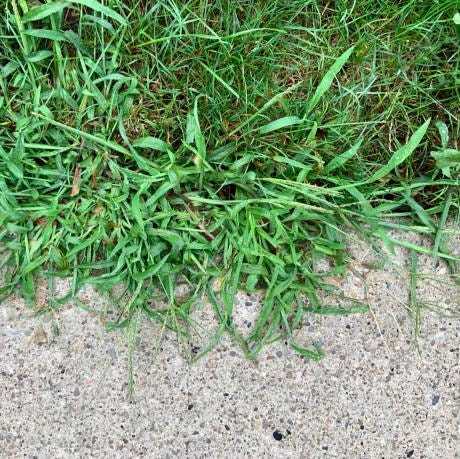
To permanently banish crabgrass from your lawn, the key is a combination of preemptive treatment, strong turf health, and diligent maintenance. Applying a pre-emergent herbicide early in spring prevents crabgrass seeds from germinating, while maintaining thick, healthy grass helps choke out weeds. Regular overseeding, proper watering, and fertilizing create an environment where crabgrass can’t thrive.
In short, the best way to eliminate crabgrass permanently involves stopping its seeds from sprouting with pre-emergent herbicides, promoting a dense and healthy lawn, and staying consistent with lawn care practices. These steps work together to keep your yard weed-free long-term.
Crabgrass can be a persistent nightmare for homeowners, quickly taking over even well-maintained lawns. It’s invasive, fast-growing, and difficult to control once established. But don’t worry—there are effective strategies to get rid of it and prevent future invasions. The secret lies in understanding how crabgrass germinates and attacking it before it has a chance to take hold. With the right timing and proper lawn care, you can enjoy a lush, weed-free yard year after year. This article will guide you through the most effective methods to permanently eliminate crabgrass and keep your lawn looking pristine.

How do I permanently get rid of crabgrass in my lawn?
Crabgrass is one of the most frustrating weeds to deal with in a lawn. It spreads quickly and can take over your grass if not controlled properly. Permanently removing crabgrass requires a combination of prevention, proper lawn care, and targeted treatments. By understanding how crabgrass grows and what steps to take, you can keep your lawn healthy and free of this invasive weed for good.
Understanding Crabgrass and Its Growth Cycle
Crabgrass is a warm-season annual weed that thrives in hot weather. It germinates in late spring and early summer, growing rapidly during the warm months. The plant produces many seeds that can stay in the soil for years, ready to sprout when conditions are right. Knowing its growth cycle helps you time your control strategies effectively.
Crabgrass generally flowers in mid to late summer, producing spike-like seed heads that spread easily. Once the growing season ends, the weed dies back, leaving behind seeds that can germinate the following year. Thus, controlling crabgrass involves disrupting its growth and seed production at multiple stages.
Prevention: The First Step to Long-Term Control
Maintain a Healthy, Thick Lawn
A dense lawn naturally crowds out crabgrass by limiting the space and sunlight it needs to grow. Regular fertilization, proper watering, and mowing at the right height are key to promoting a robust turf. For most grasses, mowing height should be around 2.5 to 3 inches to encourage deep roots and shade the soil.
Proper Watering Techniques
Deep, infrequent watering encourages strong root systems in your grass. This makes your lawn more competitive against weeds like crabgrass. Avoid shallow watering, which creates a welcoming environment for crabgrass to establish itself.
Soil Testing and pH Adjustment
Testing your soil helps you identify deficiencies that could weaken your grass. Most turf grasses prefer a pH between 6.0 and 7.0. Lime or sulfur can be used to adjust pH, creating optimal growing conditions and discouraging crabgrass growth.
Timing Your Weed Prevention Applications
Pre-Emergent Herbicides
Pre-emergent herbicides are the most effective tools for stopping crabgrass before it sprouts. Apply them in early spring, typically when soil temperatures reach about 55°F to 60°F for three to five consecutive days. This timing prevents crabgrass seeds from germinating but does not affect existing plants.
| Recommended Pre-Emergent Products | Application Time |
|---|---|
| Prodiamine (Barricade), Pendimethalin (Pendulum), Dithiopyr (Dimension) | Early spring, when soil warms |
Post-Emergent Herbicides
If crabgrass has already sprouted, post-emergent herbicides can help. Select products that specifically target crabgrass without damaging your lawn grass. Apply when the weeds are young and actively growing for best results.
Effective Control Methods for Existing Crabgrass
Manual Removal
Hand-pulling is a straightforward approach for small infestations. Make sure to remove the entire plant, including root fragments, to prevent regrowth. Use a weeding tool or garden fork for easier extraction, especially for plants with deep or spreading roots.
Spot Treatments with Selective Herbicides
Apply a post-emergent crabgrass killer directly on the weeds, avoiding your grass. Read label instructions carefully and consider the type of grass in your lawn. Repeat treatments may be necessary for persistent patches.
Maintaining Lawn Density Post-Treatment
After removing crabgrass, overseed bare patches to restore a thick, competitive turf. Proper fertilization and watering help the new grass establish quickly and resist future invasions.
Long-Term Management Strategies
Adjust Lawn Care Practices
Consistent mowing, watering, and fertilizing create an environment less favorable for crabgrass. Focus on promoting a healthy, thick lawn that naturally suppresses weed growth.
Seasonal Lawn Renovation
Consider aerating and overseeding your lawn annually, especially if it’s thin or patchy. These practices improve soil health and encourage dense grass growth, reducing the chances for crabgrass to take hold.
Monitoring and Regular Maintenance
Regularly inspect your lawn for emerging crabgrass. Early detection allows for spot treatments before populations become unmanageable. Maintaining a regular fertilization schedule keeps your grass vigorous and weed-resistant.
Additional Tips and Tricks
- Apply fertilizer according to your grass type’s needs, avoiding excessive nitrogen which can encourage crabgrass growth.
- Water early in the morning to prevent prolonged moisture on the surface, which crabgrass seeds favor for germination.
- Remove debris and thatch from your lawn regularly to improve air circulation and reduce weed seed habitat.
Alternative and Organic Methods
Gentle hand removal combined with natural weed killers like vinegar solutions can help control small crabgrass patches. Although slower, these methods are safer for the environment and your family.
Summary of Best Practices for Permanent Crabgrass Control
- Start with a healthy, dense lawn through proper care and fertilization.
- Apply pre-emergent herbicides early in spring to prevent seed germination.
- Use post-emergent herbicides selectively on existing crabgrass plants.
- Regularly mow, water, and overseed to maintain lawn vigor.
- Manually remove crabgrass patches as they appear to prevent seed spread.
- Monitor your lawn throughout the growing season for early signs of crabgrass.
By combining these strategies and maintaining consistent lawn care routines, you can keep your lawn free of crabgrass year after year. Remember, patience and persistence are key to long-term success. With the right approach, your lawn can be lush, healthy, and free of invasive weeds.
How to Get Rid of Crabgrass (4 Easy Steps)
Frequently Asked Questions
What pre-emergent herbicides are most effective against crabgrass?
Pre-emergent herbicides work best when applied before crabgrass seeds germinate. Common effective options include pendimethalin, dithiopyr, and prodiamine. Apply these herbicides early in the season, typically when soil temperatures reach around 55°F (13°C), and make sure to follow the manufacturer’s instructions for timing and application rates. Consistent application can significantly reduce crabgrass germination and help maintain a healthy, weed-free lawn.
How can I improve my lawn’s overall health to prevent crabgrass growth?
Maintaining a thick, lush lawn helps prevent crabgrass from taking hold. Regularly mow at the recommended height for your grass type, typically keeping it around 2.5 to 3 inches, to shade the soil and inhibit crabgrass seeds from sprouting. Aerate the soil annually to improve nutrient uptake and water penetration, and fertilize appropriately to strengthen grass roots. These practices create a competitive environment that discourages weed growth.
What techniques can I use to manually eliminate crabgrass without damaging my lawn?
Manual removal involves pulling out crabgrass plants by hand or using a weed puller to minimize soil disturbance. Do this when the soil is moist to make extraction easier. Be sure to remove the entire root system to prevent regrowth. Regularly inspect your lawn and manually remove new crabgrass growth early to keep infestations under control. Combining manual removal with proper lawn care helps maintain a healthy, crabgrass-resistant turf.
Are there specific watering practices that can help curb crabgrass development?
Water your lawn deeply and infrequently to promote strong grass growth. Deep watering encourages deep root development, making your grass more competitive and able to shade out crabgrass seeds. Avoid overwatering, which can create ideal conditions for crabgrass germination. Implementing a consistent watering schedule helps maintain a dense lawn that naturally blocks crabgrass from establishing itself.
Is it beneficial to overseed my lawn to prevent crabgrass infestation?
Yes, overseeding your lawn can effectively reduce crabgrass by filling in bare patches and thickening existing grass. Choose a grass seed suitable for your climate and soil conditions, and overseed during optimal times of the year. Proper watering and fertilizing after overseeding help establish new growth quickly. A dense, healthy lawn leaves little space for crabgrass to germinate and thrive.
Final Thoughts
To permanently get rid of crabgrass in my lawn, start by applying a pre-emergent herbicide early in the spring before crabgrass seeds germinate. Maintain a healthy, dense lawn through proper fertilization and mowing at the right height to prevent crabgrass from establishing. Regularly inspect your lawn and manually remove any crabgrass to control its spread.
Consistent care and timely treatments are key. How do I permanently get rid of crabgrass in my lawn? By combining pre-emergent barriers, healthy lawn practices, and manual removal, you can effectively eliminate crabgrass and enjoy a lush, weed-free yard.