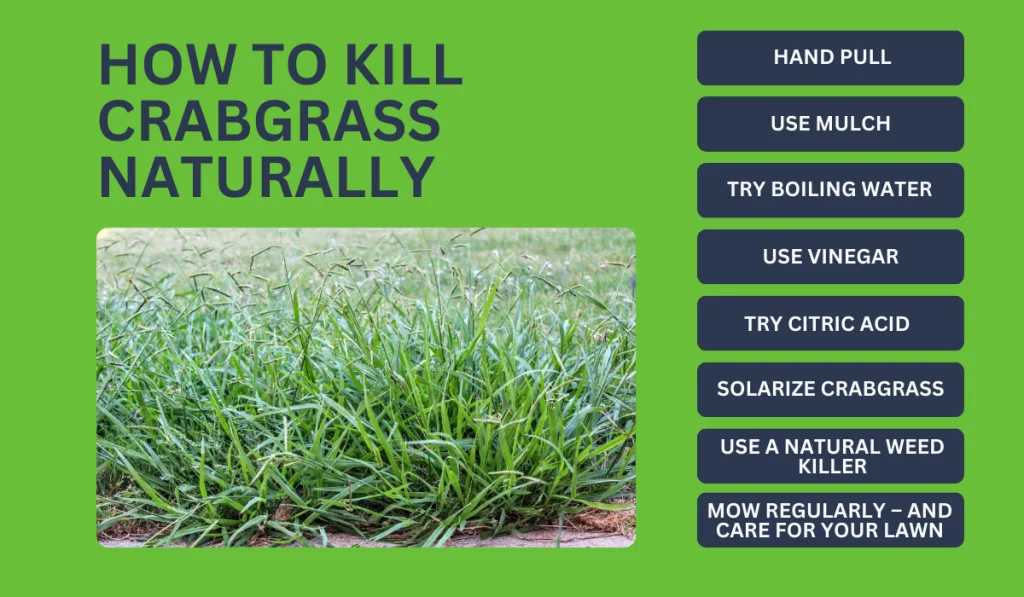
Pulling crabgrass by hand is often more effective and environmentally friendly than spraying chemicals, especially for small patches. While herbicide spraying can quickly cover large areas, it risks harming desirable plants and the surrounding environment. For targeted control, pulling crabgrass is safer and promotes healthier lawn growth.
If you’re wondering whether to pull or spray crabgrass, the best approach depends on the size of the infestation and your priorities. Manual removal works well for small areas and allows for precise clearing without chemical use, whereas spraying might be necessary for larger, widespread problems. In this article, we’ll explore the pros and cons of both methods to help you decide which is best for your lawn.
Crabgrass is one of the most common lawn invaders, and controlling it can be frustrating. Whether you’re new to lawn care or working on maintaining a lush green space, figuring out the best method to get rid of crabgrass is key. The decision to pull or spray depends on factors like the size of the patch, your environmental concerns, and how quickly you want results. In the following sections, we’ll guide you through the benefits of each method, so you can choose the right strategy to keep your lawn healthy and crabgrass-free.

Is it better to pull crabgrass or spray it?
Understanding Crabgrass and Why It Invades Lawns
Crabgrass is a common weed that appears in lawns during warmer months. It spreads quickly and can take over large areas if not managed promptly. Knowing how crabgrass grows helps decide whether pulling or spraying is more effective. Its seeds spread through the soil, and it thrives in sunny, bare spots with compacted soil.
The Pros and Cons of Pulling Crabgrass
Pulling crabgrass is a physical method that involves digging out the weed by hand or using tools. One advantage is that it removes the weed completely without chemicals, making it safe for families and pets. However, pulling can be labor-intensive and less effective if roots are left behind, allowing the weed to grow back quickly.
When Is Pulling Most Effective?
Pulling works best when crabgrass is small and just beginning to sprout. Pulling weeds at this stage prevents them from setting seeds and spreading further. It’s also helpful after rain or watering, as the soil loosens and makes removal easier.
Steps for Properly Pulling Crabgrass
- Wear gloves to protect your hands.
- Use a hand weeder or a small garden fork to loosen the soil around the weed.
- Grasp the crabgrass at the base close to the ground.
- Pull steadily to remove the entire root system.
- Dispose of the weed properly to prevent reseeding.
Pulling is most successful when done consistently and combined with other lawn care practices.
The Benefits and Drawbacks of Spraying Crabgrass
Spraying involves applying herbicides designed to kill crabgrass. The main advantage is quick and broad control over large areas. It saves time compared to manual pulling but requires careful application to avoid harming desirable grass and plants.
Types of Herbicides Suitable for Crabgrass
There are two main categories:
- Pre-emergent herbicides: Applied before crabgrass germinates. They prevent seeds from sprouting.
- Post-emergent herbicides: Used after crabgrass appears. They kill existing weeds.
For best results, choose a product labeled specifically for crabgrass control and follow the instructions carefully.
Risks and Considerations When Spraying
Herbicides can damage other plants if misapplied. Weather conditions matter; spraying before rain can cause runoff and environmental concerns. Overuse of chemicals may lead to resistant weeds, making future control harder.
Comparing Effectiveness: Pulling vs Spraying
Choosing between pulling and spraying depends on several factors. Pulling works well for small patches and when weeds are young, but it may not eliminate mature crabgrass completely. Spraying offers faster results for large infestations but requires proper technique to avoid collateral damage. Combining these methods can provide the best control in many cases.
Timing Is Key for Both Methods
The right timing enhances success. Early spring or late fall are ideal for pulling small weeds. Spraying is most effective during active growth periods, typically late spring to summer, when crabgrass is lush and easy to target.
Cost and Time Considerations
Pulling is cost-effective but labor-intensive, especially for large areas. Spraying has a higher upfront cost in herbicides but saves labor and time. Assess your lawn size and budget to choose the best approach.
Environmental Impact of Control Methods
Pulling is environmentally friendly since it involves no chemicals. Spraying, while effective, can pose risks of chemical runoff, impacting nearby plants, soil, and water sources. Use eco-friendly or organic herbicides when possible to minimize environmental harm.
Preventing Crabgrass in the Future
Prevention begins with healthy lawn practices. Regular mowing, fertilizing, and watering help maintain dense grass that naturally crowd out weeds. Applying pre-emergent herbicides early in the season also blocks crabgrass seeds from germinating.
Weeding Alternatives and Complementary Strategies
Mulching around plants can prevent seed germination. Aerating the soil improves root health, making it harder for weeds to establish. Overseeding bare patches helps thicker turf, leaving less space for crabgrass to grow.
Summary: Which Method Should You Choose?
Deciding depends on your lawn’s size, the weed’s maturity, and your preferences. For small infestations, pulling is straightforward and eco-friendly. For large areas or mature weeds, spraying offers a quicker solution. Combining both methods with preventive measures yields the best long-term results.
Additional Tips for Managing Crabgrass Effectively
- Always identify crabgrass correctly before treatment.
- Follow manufacturer instructions for herbicides carefully.
- Monitor your lawn regularly to catch weeds early.
- Maintain a healthy, dense lawn to naturally suppress weeds.
- Use organic options if you prefer environmentally friendly methods.
This comprehensive look at pulling versus spraying crabgrass should help you make informed decisions. Consider your lawn’s unique needs, the severity of the weed problem, and your personal priorities to choose the best approach for a weed-free yard. Combining manual removal, chemical control, and preventive practices can lead to a healthier, more beautiful lawn.
Is it better to pull or spray crabgrass?
Frequently Asked Questions
What are the benefits of pulling crabgrass manually instead of spraying it?
Pulling crabgrass by hand allows you to remove the entire plant, including its roots, reducing the likelihood of regrowth. This method minimizes chemical use and is environmentally friendly. It also helps you target individual plants precisely, especially in small or localized areas, preventing damage to desirable grass and plants.
How does spraying crabgrass compare to manual removal in terms of effectiveness?
Spraying crabgrass with herbicides can quickly cover large areas and is effective when dealing with extensive infestations. However, it may kill surrounding plants unintentionally and requires careful application. Manual removal, on the other hand, is more effective for small patches and ensures you remove the whole plant without risking harm to other vegetation.
Is pulling crabgrass more time-consuming than spraying, especially for large lawns?
Yes, manually pulling crabgrass takes more time and effort, particularly on large lawns. While spraying offers a quicker solution for widespread growth, it might not be practical for small or stubborn patches. Combining both methods based on the extent of the infestation can often provide the best results.
Can pulling crabgrass help prevent future growth better than spraying?
Yes, regularly pulling crabgrass prevents seeds from maturing and dispersing, thus reducing future growth. Manual removal also helps you inspect and maintain your lawn more closely, fostering healthier grass. Spraying may temporarily kill existing plants but doesn’t necessarily prevent new seeds from sprouting if the soil remains conducive to crabgrass growth.
What are the environmental considerations when choosing between pulling and spraying crabgrass?
Pulling crabgrass minimizes chemical exposure and is safe for pets, children, and the environment. Spraying, especially with non-selective herbicides, can affect non-target plants and soil health if not applied carefully. Think about the scale of infestation and environmental impact when deciding which method to use.
Final Thoughts
Pulling crabgrass provides immediate removal and helps prevent spreading. It allows you to target specific patches without chemicals. However, it can be time-consuming and require persistent effort.
Spraying crabgrass offers a quicker solution, especially for large areas. It effectively kills weeds but might also affect surrounding grass if not applied carefully. Use the right product and follow instructions closely.
In conclusion, for safe and effective control, consider your lawn’s size and your convenience. Is it better to pull crabgrass or spray it? Both methods have merits, but the choice depends on your specific situation and goals.