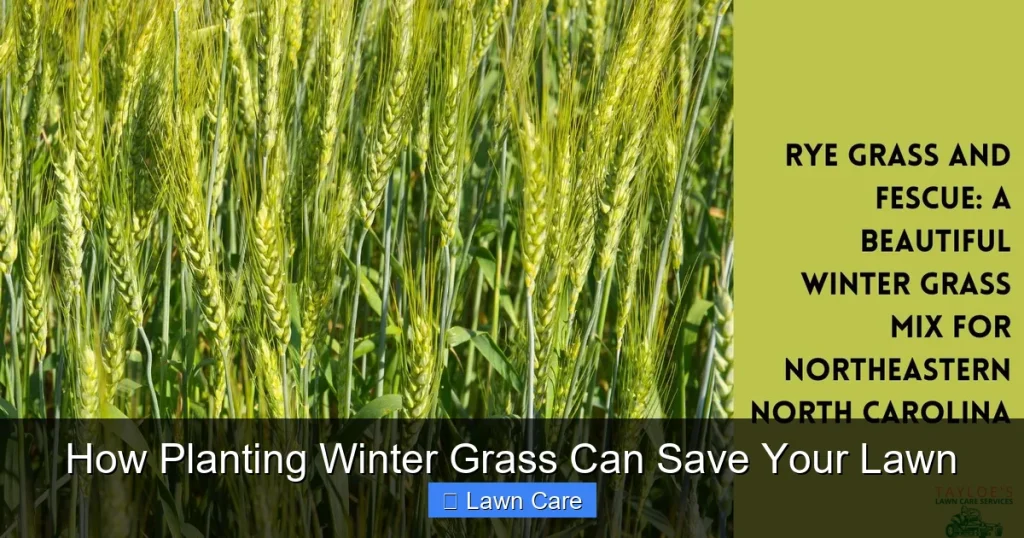
Don’t let your lawn go bare this winter! Planting winter grass is a smart strategy to keep your turf healthy, vibrant, and protected. It prevents soil erosion, chokes out weeds, and sets the stage for a lush, green lawn come spring.
Is your lawn looking a little sad as autumn leaves begin to fall? Do you dread the thought of a bare, brown expanse dominating your yard all winter long? If so, you’re not alone. Many homeowners struggle with how to keep their lawns looking their best, especially during the colder months. But what if I told you there’s a simple, effective way to not only protect your lawn but actually improve it during winter? It’s time to talk about planting winter grass.
Think of winter grass as your lawn’s cozy blanket and superfood rolled into one. While your warm-season grasses might be going into hibernation, cool-season annuals can thrive, offering a host of benefits that will make your spring lawn care a breeze. It’s a proactive approach that pays off beautifully.
So, let’s dive into how planting winter grass can truly save your lawn, keeping it healthy, green, and ready to shine when spring finally arrives.
Key Takeaways
- Protects Against Erosion: Winter grass forms a root system that holds soil in place, preventing erosion from wind and rain.
- Weed Suppression: It outcompetes winter weeds, leaving less space for them to germinate and grow.
- Improves Soil Health: As it decomposes, winter grass adds organic matter to the soil, enriching it for spring growth.
- Aesthetic Appeal: It keeps your yard looking green and alive during the dormant months.
- Reduces Compaction: A green cover can help reduce soil compaction from foot traffic during wet periods.
- Easy Spring Transition: It typically dies off naturally as warmer weather arrives, making spring lawn care simpler.
Quick Answers to Common Questions
What is the best time to plant winter grass?
The best time to plant winter grass is in early fall, typically between September and November, depending on your local climate and when your primary lawn grass begins to slow its growth.
Will winter grass permanently change my lawn?
No, if you plant annual winter grass varieties, they are designed to germinate, grow through winter, and then naturally die off in late spring or early summer as temperatures rise. They do not permanently alter your lawn.
How does winter grass help prevent erosion?
Winter grass establishes a dense network of roots that anchors the soil, preventing it from being washed away by rain or blown away by wind, especially on slopes or exposed areas.
Can I walk on my lawn after planting winter grass?
While you can walk on your lawn, it’s best to minimize foot traffic, especially when the grass is young or the soil is wet, to avoid damaging the delicate roots and compacting the soil.
When does winter grass die off?
Annual winter grasses typically start to die off as soil temperatures consistently reach the mid-70s Fahrenheit in late spring or early summer. Some varieties may persist slightly longer.
📑 Table of Contents
- Understanding Your Winter Lawn Challenges
- What is Winter Grass and Why Does it Work?
- Choosing the Right Winter Grass Seed
- When and How to Plant Your Winter Grass
- The Benefits of a Winter Grass Cover
- Spring Transition and Maintenance
- Common Concerns and Troubleshooting
- Conclusion: A Greener Winter, A Healthier Spring
Understanding Your Winter Lawn Challenges
Before we get into the “how,” let’s quickly touch on why your lawn needs a little extra help in winter. Most established lawns, especially those with warm-season grasses like Bermuda or Zoysia, go dormant in cooler temperatures. This means they turn brown and essentially stop growing. While this is a natural process, it leaves your lawn vulnerable.
The Dangers of Dormancy
When grass is dormant, it’s not actively growing and repairing itself. This makes it susceptible to damage from:
- Soil Erosion: Without a living root system holding the soil together, wind and rain can easily wash away precious topsoil. This is especially problematic on slopes.
- Weed Invasion: Bare patches are an open invitation for winter annual weeds to take root. These weeds can be tough to get rid of in the spring and steal valuable nutrients.
- Soil Compaction: Wet winter soil can become compacted, making it harder for air, water, and nutrients to penetrate. This hinders future root growth.
- General Wear and Tear: Even light foot traffic on dormant grass can cause significant damage that’s hard to recover from.
Addressing these challenges proactively is key to a healthier lawn year-round. Planting winter grass is a fantastic solution.
What is Winter Grass and Why Does it Work?
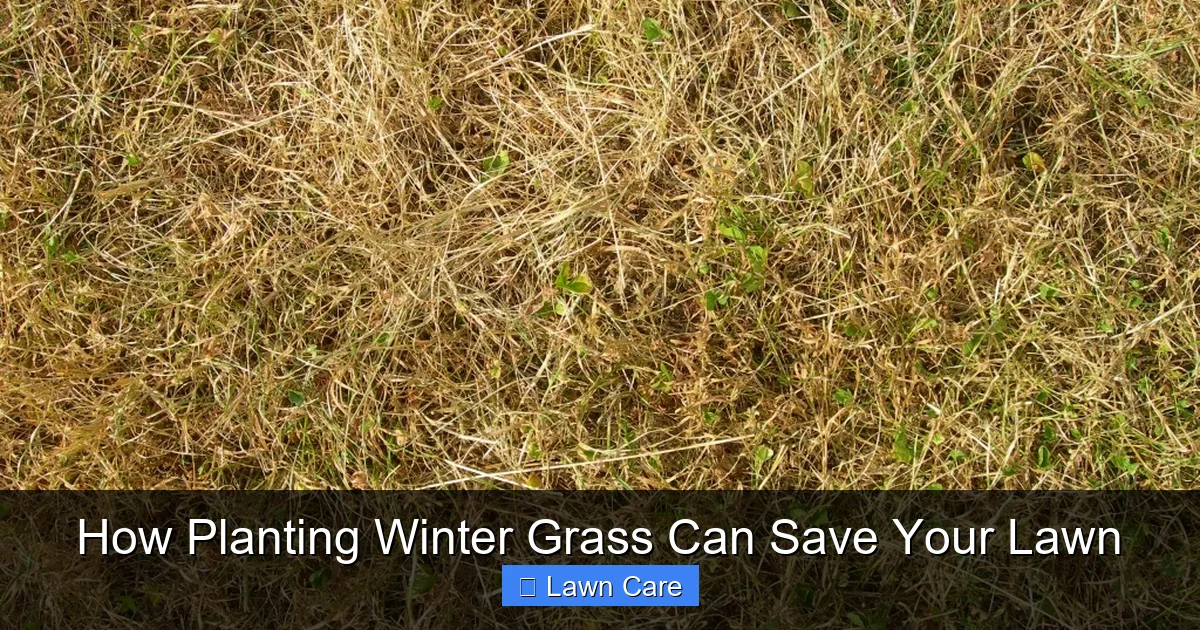
Visual guide about How Planting Winter Grass Can Save Your Lawn
Image source: lawncareknox.com
Winter grass, often referred to as cover crop or winter rye, typically refers to cool-season annual grasses. These grasses are designed to germinate and grow in cooler temperatures, often being planted in the fall. They are not meant to be permanent fixtures like your main lawn grass but rather a temporary protective layer.
The Mechanics of Winter Grass
Here’s why it’s so effective:
- Rapid Germination: Many winter grass varieties germinate quickly, even in cooler soil temperatures, providing ground cover sooner rather than later.
- Root System Development: They establish a strong, fibrous root system that anchors the soil, preventing erosion and improving soil structure.
- Nutrient Cycling: As they grow, they absorb nutrients from the soil. When they naturally die back in the spring, they release these nutrients back, acting as a natural fertilizer.
- Competition: Their vigorous growth helps to suppress or outcompete winter weeds, leaving your lawn cleaner in the spring.
Think of it like planting a cover crop in a garden. It protects the soil, adds nutrients, and makes the soil more hospitable for the next planting season. The same principle applies to your lawn.
Choosing the Right Winter Grass Seed
Not all winter grasses are created equal, and the best choice for you will depend on your climate and your existing lawn type. Generally, you’ll be looking at annual ryegrass, winter wheat, or cereal rye.
Cool-Season Annuals are Your Friends
For most regions in the United States, especially where warm-season grasses go dormant, cool-season annuals are ideal.
- Annual Ryegrass: This is a very common choice. It germinates quickly, establishes a good root system, and provides excellent ground cover. It generally dies off with the first few really hot spells in spring.
- Winter Wheat: Another excellent option, winter wheat also germinates well in cool soil and offers good erosion control. It’s quite hardy.
- Cereal Rye: This is perhaps the most cold-hardy of the group and offers superior weed suppression. It can sometimes be a bit slower to break down in the spring but provides robust benefits.
When selecting a seed, consider the packaging. Look for varieties that are specifically labeled for fall planting or as winter cover crops. You can often find these at your local garden center or farm supply store. If you’re unsure, ask for advice based on your specific climate. For a deeper dive into seed selection, you might find resources on how to choose the best grass seed for your lawn helpful, though keep in mind winter grasses are a specific type of temporary cover.
When and How to Plant Your Winter Grass
Timing is crucial for successful winter grass planting. You want to give it enough time to establish a good root system before the harshest winter weather sets in, but not so early that it becomes overly aggressive or competes with your main lawn.
The Ideal Planting Window
Generally, the best time to plant winter grass is in the early fall, typically from **September through November** in most temperate climates. The exact timing depends on your local frost dates and when your primary lawn grass begins to slow its growth.
* **For Warm-Season Grasses:** Plant after your warm-season grass has started to go dormant or is clearly slowing down. This often means late September or October.
* **For Cool-Season Grasses (in milder climates that don’t go fully dormant):** You might still overseed with a winter annual to thicken the turf and prevent winter weeds, planting a bit earlier in September or early October.
Planting Preparations
Before you spread any seed, a little prep work goes a long way:
- Mow Low: If your main lawn is still growing, mow it a bit shorter than usual. This allows the winter grass seed to reach the soil surface easily.
- Aerate (Optional but Recommended): Aerating your lawn can improve seed-to-soil contact and allow for better water penetration, which is beneficial for germination.
- Dethatch (If Necessary): If you have a thick layer of thatch, it can prevent seeds from reaching the soil. Dethatching can help. You can learn more about how to dethatch your lawn for stronger grass growth here.
- Rake Lightly: Gently rake the lawn to create some bare spots for the seed to settle into. This isn’t about scalping the lawn, just disturbing the surface a bit.
Spreading the Seed
You can spread winter grass seed using a broadcast spreader or a drop spreader for even coverage.
- Seeding Rate: Follow the recommendations on the seed bag. A common rate for annual ryegrass is around 5-10 pounds per 1,000 square feet. It’s better to err on the side of slightly thicker seeding for maximum coverage and weed suppression.
- Watering: After seeding, water the area thoroughly. Keep the seedbed consistently moist until the grass germinates. This usually takes 5-10 days.
- Rolling (Optional): If you have a lawn roller, you can lightly roll the area after watering to ensure good seed-to-soil contact.
- Erosion Control: The dense root system acts like a net, holding soil particles together. This is crucial during heavy rains or strong winds that can strip away exposed soil. This is particularly important if you have slopes or areas prone to runoff.
- Weed Suppression: As the winter grass grows, it forms a dense canopy that shades the soil. This prevents sunlight from reaching weed seeds, significantly reducing their germination and growth. You’ll notice fewer weeds popping up in the spring.
- Soil Health Improvement: The decomposing roots and blades add valuable organic matter to the soil. This organic matter improves soil structure, increases water retention, and makes nutrients more available to your primary lawn grasses when they wake up in spring.
- Reduced Soil Compaction: The living roots help to keep the soil structure loose, preventing compaction from foot traffic, especially on wet ground.
- Visual Appeal: Let’s not forget the aesthetic benefit. A green lawn, even in winter, is far more appealing than a brown, dormant one. It adds life and color to your landscape during the bleakest months.
- Natural Fertilization: When the winter grass naturally dies back in late spring or early summer as temperatures rise, it decomposes, releasing the nitrogen and other nutrients it stored back into the soil. This provides a natural boost to your lawn without the need for an early spring fertilizer application.
- Habitat for Beneficial Microbes: The living roots and decomposing organic matter create a thriving environment for beneficial soil microbes, which are essential for a healthy lawn ecosystem.
- Natural Die-Off: You generally don’t need to do anything to kill off the winter grass. As it dies, it will decompose and naturally fertilize your lawn.
- Mowing: Once the winter grass starts to die, you can begin your regular spring mowing routine. Mow as you normally would, and the dying grass will simply be incorporated into your lawn. You might want to mow a bit more frequently initially to help break down the dying material. For tips on mowing heights, consider reading about how to choose the best grass height and other winter lawn tips.
- Overseeding: If you have bare patches that the winter grass didn’t fully cover, or if you want to thicken your main lawn, you can overseed with your desired grass type once the winter grass has mostly died off and your soil is workable.
- Addressing Issues: In rare cases, if a winter grass variety is particularly vigorous or your spring is unusually cool, it might persist longer than desired. You can then choose to lightly dethatch or rake to help it break down, or in extreme cases, use a herbicide *after* your primary lawn has been established and is actively growing. However, this is usually not necessary.
- Will it Take Over My Lawn? If you plant annual varieties in the fall, they are designed to die off in the heat of late spring/early summer. They won’t become a permanent part of your lawn. Perennial ryegrass, however, *can* persist, so be sure you’re planting annual types if you want a temporary cover.
- What if it Doesn’t Grow? This could be due to incorrect timing (too hot or too cold), lack of moisture, poor seed-to-soil contact, or poor seed quality. Ensure you follow the planting guidelines and keep the seed moist.
- Will it Hurt My Existing Lawn? When planted correctly in the fall, it generally won’t harm your existing lawn. It’s designed to coexist and then die off. The only potential issue is if you plant too early and it competes with your warm-season grass while it’s still actively growing.
- Can I Mow My Winter Grass? Yes, you can mow your winter grass if it gets too tall, just as you would your regular lawn. However, it’s usually not necessary unless it gets exceptionally long.
The Benefits of a Winter Grass Cover
Once your winter grass is up and growing, you’ll start to see the real magic happen. It’s not just about aesthetics; it’s about active protection and improvement.
More Than Just Green Color
Here are the key benefits you can expect:
If you have warm-season grasses like Zoysia, which go fully dormant and brown, planting winter grass is an excellent way to maintain coverage. It can even help with areas where weeds might try to creep in, similar to how understanding how Zoysia grass can help your lawn by being dense and vigorous.
Spring Transition and Maintenance
The beauty of planting winter grass is that, for the most part, it takes care of itself. As spring warms up, the annual winter grasses will naturally begin to die back.
Letting Nature Do Its Work
Typically, annual ryegrass and winter wheat will begin to yellow and die off as soil temperatures consistently reach the mid-70s Fahrenheit. Cereal rye might hang on a bit longer.
The goal is a seamless transition. The winter grass provides protection, and then it fades away, leaving a healthier foundation for your main lawn to flourish. It’s part of a good overall strategy for how to prepare your lawn for winter dormancy, ensuring it comes back stronger.
Common Concerns and Troubleshooting
While planting winter grass is generally straightforward, a few common concerns might pop up.
Addressing Potential Problems
Here are some things to keep in mind:
By understanding these points, you can confidently plant winter grass and enjoy its many benefits. It’s a low-effort, high-reward practice that truly can save your lawn from the harsh realities of winter.
Conclusion: A Greener Winter, A Healthier Spring
Don’t let your lawn suffer through the winter months. Planting winter grass is a proactive, beneficial practice that offers a shield against erosion, a barrier against weeds, and a boost of nutrients for the spring. It’s a simple step that ensures your lawn remains a vibrant, healthy part of your landscape all year round. By choosing the right seed, planting at the optimal time, and understanding the benefits, you can transform your winter yard from a dormant patch of brown into a thriving green space. So, as the temperatures drop, consider sowing some winter grass – your lawn will thank you for it come springtime.
Frequently Asked Questions
What kind of grass is used for winter planting?
Common types of grass used for winter planting are cool-season annuals like annual ryegrass, winter wheat, and cereal rye. These are chosen for their ability to germinate and grow in cooler temperatures.
Do I need to water winter grass after planting?
Yes, it’s crucial to water the seedbed consistently after planting until the grass germinates to ensure good seed-to-soil contact and provide the moisture needed for sprouting.
Will planting winter grass make my lawn look patchy in spring?
Ideally, no. A well-established winter grass cover should prevent bare patches and suppress weeds, leading to a more uniform lawn in spring. However, any remaining bare spots can be addressed by overseeding.
Can I apply fertilizer to winter grass?
Generally, winter grass does not require additional fertilization. It absorbs nutrients during its growth phase and then releases them back into the soil as it decomposes, acting as a natural fertilizer.
Is it necessary to remove the winter grass in spring?
No, it is usually not necessary to remove winter grass. It will naturally die off and decompose, adding organic matter and nutrients to your soil, which benefits your primary lawn species.
What are the benefits of planting winter grass besides aesthetics?
Beyond looking green, winter grass significantly reduces soil erosion, suppresses weed growth, improves soil structure and fertility, and helps prevent soil compaction during the dormant season.