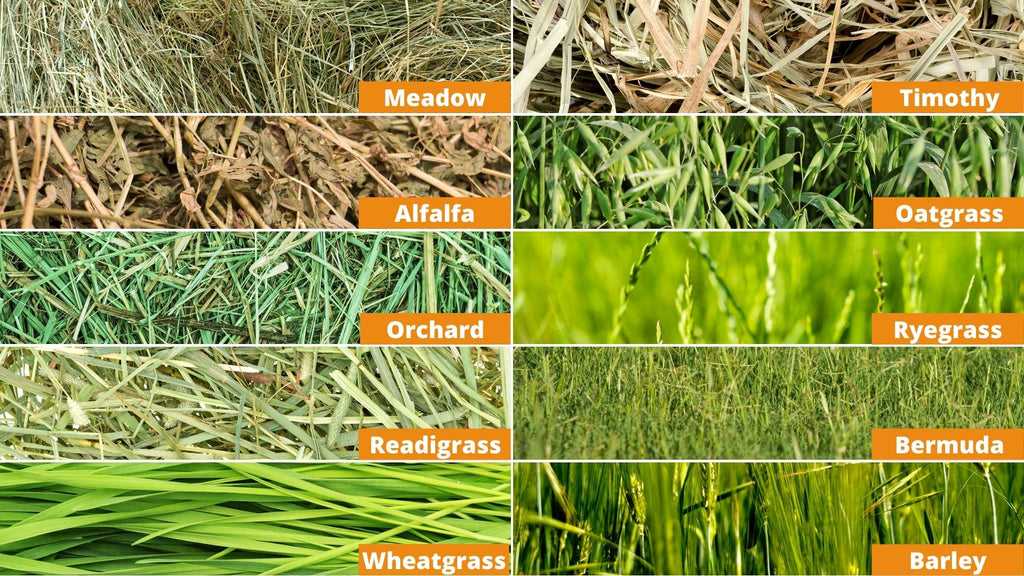
Yes, guinea pigs can eat Bermuda grass, but it’s important to do so in moderation and ensure the grass is free of pesticides and chemicals. Bermuda grass is a safe and nutritious treat for your furry friend when prepared properly, providing essential fiber and nutrients. However, overfeeding or using contaminated grass can pose health risks, so always introduce new foods gradually and monitor your guinea pig’s response.
Bermuda grass can be a healthy addition to your guinea pig’s diet, but it shouldn’t replace their regular hay. It offers a good source of fiber and some vitamins, making it a nice occasional treat. Just remember to ensure the grass is fresh, pesticide-free, and given in moderation to keep your guinea pig happy and healthy.
If you’re wondering whether Bermuda grass is suitable for your guinea pig, you’re in the right place! Many pet owners are curious about adding natural greens to their pets’ diets, but safety always comes first. Guinea pigs require a high-fiber diet rich in hay, along with fresh vegetables and occasional grasses. Bermuda grass, a common lawn grass, might seem like a convenient option, but knowing what’s safe and how to serve it is crucial. This article will explore whether Bermuda grass is a good choice, how to prepare it properly, and tips to keep your guinea pig safe while enjoying new greens. So, let’s dive into everything you need to know about Bermuda grass and your guinea pig’s health!

Can Guinea Pigs Eat Bermuda Grass? A Complete Guide
Introduction to Bermuda Grass and Guinea Pig Diets
Bermuda grass is a popular type of grass found in many lawns and fields around the world. It’s known for its durability and lush green appearance, making it a common choice for grazing animals. Guinea pigs, on the other hand, require a balanced diet mainly consisting of hay, vegetables, and special guinea pig pellets. Many owners wonder whether Bermuda grass can be safely added to their guinea pig’s diet.
Understanding Guinea Pig Dietary Needs
Guinea pigs are herbivores, which means their diet must be rich in fiber and vitamin C. Their digestive systems are sensitive and require high-quality hay to keep their intestines healthy. Fresh vegetables provide essential nutrients, while fruits should be given sparingly due to their sugar content. It is crucial to avoid foods that could upset their stomach or be toxic.
Is Bermuda Grass Safe for Guinea Pigs?
Bermuda grass is generally considered safe for guinea pigs in small amounts. It contains a good level of fiber, which is necessary for their digestion. However, there are some important factors to consider before offering Bermuda grass to your pet.
Potential Benefits of Bermuda Grass
- High Fiber Content: Helps in maintaining a healthy digestive system.
- Natural Grazing Option: Mimics their natural behavior of grazing on grasses.
- Low in Calories: Suitable for guinea pigs prone to weight gain.
Possible Risks Involved
- Pesticides and Chemicals: Bermuda grass from treated lawns may contain harmful chemicals.
- Potential for Overfeeding: Too much Bermuda grass can cause bloating or diarrhea.
- Presence of Toxic Plants or Weeds: Bermuda grass may harbor toxic weeds or plants that can be dangerous.
How to Safely Introduce Bermuda Grass
Introducing Bermuda grass into your guinea pig’s diet should be done gradually. Start with small amounts to observe your pet’s response and ensure there are no adverse reactions. Always ensure the grass is fresh, clean, and free of pesticides or chemicals.
Steps for Safe Feeding
- Source the Grass Carefully: Obtain Bermuda grass from a pesticide-free area or grow it yourself.
- Wash Thoroughly: Rinse the grass to remove dirt, insects, or residues.
- Offer in Moderation: Begin with small pieces, about one or two inches long.
- Monitor Your Guinea Pig: Observe for signs of digestive upset or discomfort.
- Limit Frequency: Offer Bermuda grass as an occasional treat, not daily.
Signs of Digestive Issues or Toxicity
While Bermuda grass is usually safe when prepared properly, some guinea pigs might have sensitivities. Watch for symptoms such as diarrhea, bloating, lethargy, or loss of appetite. If any of these occur, contact your veterinarian immediately.
Other Safe Grass Options for Guinea Pigs
Aside from Bermuda grass, there are other grasses and plants that are safe for guinea pigs to eat. These include:
- Timothy Grass
- Meadow Grass
- Oat Grass
- Bluegrass
Offering a variety of grasses ensures your guinea pig gets diverse nutrients and maintains a healthy digestive system.
Tips for Maintaining Safe Grass in Your Garden or Lawn
To keep Bermuda grass safe and healthy for your guinea pig, follow these tips:
- Use Organic Methods: Avoid pesticides and herbicides on your grass.
- Restrict Access to Treated Areas: Fence off lawns or areas with chemicals.
- Harvest Grass Properly: Cut or pick grass at the right time for nutritional value.
- Store Safely: Keep harvested grass in a dry, cool place for future use.
Bermuda grass can be a safe and enjoyable treat for guinea pigs when offered correctly. Ensure it is pesticide-free, washed thoroughly, and provided in moderation. Remember that the main diet should always focus on hay, vegetables, and formulated guinea pig pellets. By following these guidelines, you can help your guinea pig enjoy a varied and healthy diet that includes safe grasses like Bermuda grass.
Feeding Grass to your Guinea Pig or Putting them on Grass – Things you NEED to know!
Frequently Asked Questions
Is Bermuda grass a safe treat for guinea pigs to nibble on?
While Bermuda grass is generally safe for guinea pigs in small amounts, it should not constitute a primary part of their diet. Guinea pigs require a variety of fresh grasses, vegetables, and hay to meet their nutritional needs. Always ensure that the grass is free from pesticides, chemicals, and pollutants before offering it to your pet.
What are the potential health benefits of Bermuda grass for guinea pigs?
Bermuda grass provides fiber, which aids in digestion and helps maintain dental health by naturally wearing down their teeth. It can also offer a source of vitamins and minerals. However, these benefits are realized when the grass is fed in moderation and as part of a balanced diet.
Could feeding Bermuda grass cause any health issues for guinea pigs?
Feeding Bermuda grass excessively or if it is contaminated can lead to digestive upset or other health problems. Overfeeding may result in obesity or diarrhea. Always introduce new grasses gradually and monitor your guinea pig for any adverse reactions.
How should I prepare Bermuda grass if I want to feed it to my guinea pig?
Wash the Bermuda grass thoroughly to remove dirt, pesticides, and other residues. Chop it into manageable sizes to help your guinea pig chew comfortably. Serve small portions and observe how your pet responds before offering larger amounts.
Are there better grass options than Bermuda grass for guinea pigs?
Yes, Timothy hay and meadow grasses are often preferred because they are more aligned with the natural diet of guinea pigs. These grasses are higher in fiber and nutrients, making them ideal for daily feeding and dental health maintenance.
Final Thoughts
Guinea pigs can eat Bermuda grass in moderation, which provides fiber and nutrients beneficial for their digestion. However, ensure the grass is fresh and free from pesticides or chemicals before offering it to your pet.
It’s essential to monitor your guinea pig’s reaction to new foods and avoid overfeeding.
In summary, can guinea pigs eat Bermuda grass? Yes, they can, but it should be part of a balanced diet and given with care.