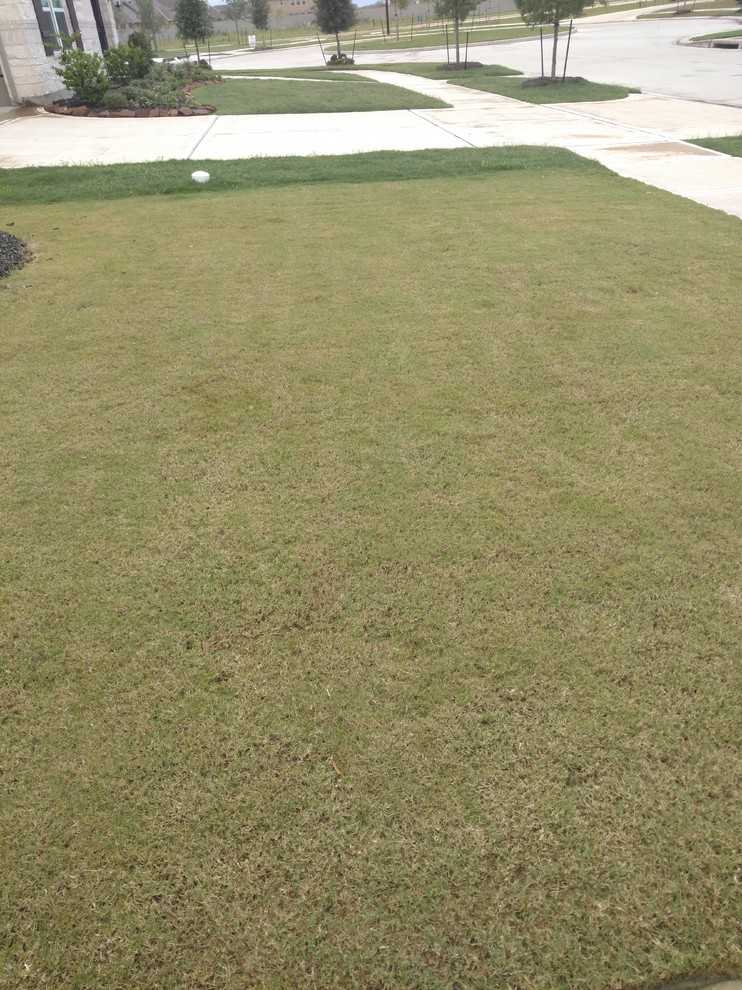
If your Bermuda grass is stubbornly refusing to grow, don’t worry—you’re not alone. Often, simple issues like poor soil quality, inadequate watering, or improper mowing can be behind the problem. To get your lawn lush and vibrant again, it’s important to identify the root cause and address it directly.
In short, Bermuda grass may not be growing due to factors such as insufficient sunlight, poor soil drainage, or nutrient deficiencies. Ensuring proper watering, fertilization, and lawn care routines can help revive your grass and promote healthy growth.
Bermuda grass is known for its resilience and fast-growing nature, but it can struggle under certain conditions. If your lawn isn’t thriving, it’s likely due to environmental or maintenance issues. Understanding why your grass isn’t growing is the first step toward transforming your yard into a lush green paradise. Sometimes, it’s just a matter of adjusting watering habits or soil treatments to create the perfect environment for Bermuda grass to flourish.

Why Is My Bermuda Grass Not Growing?
Understanding Bermuda Grass Growth Habits
Bermuda grass is a warm-season grass that thrives in hot climates. It tends to grow vigorously in summer but can struggle if conditions aren’t right. Recognizing its growth patterns helps identify why it might not be spreading or greening as expected. Typically, Bermuda grass spreads through both stolons and rhizomes, which are underground and above-ground runners. When these aren’t visible or active, something may be hindering its development.
Common Reasons Why Bermuda Grass Stops Growing
Several factors can halt Bermuda grass growth unexpectedly. These include environmental stresses, soil issues, improper watering, and pests. Understanding these causes allows for targeted actions to revive the grass. Let’s examine each one closely to find out why your Bermuda lawn isn’t growing as it should.
Inappropriate Soil Conditions
Bermuda grass prefers well-draining soil with a pH level between 5.8 and 7.0. If the soil is too acidic or alkaline, growth slows down or stops altogether. Poor soil quality lacking essential nutrients also affects root development. Conducting a soil test provides valuable data on pH and nutrient levels. Based on results, you might need to add lime or sulfur to adjust pH or apply fertilizers to boost nutrients.
Soil Drainage and Compaction
Heavy, compacted soil prevents roots from penetrating deeply. Water may pool on the surface, leading to root rot and other diseases. Aerating the lawn can loosen compacted soil. Regular aeration improves airflow and encourages healthy root growth. Adding organic matter like compost enhances soil fertility and structure.
Insufficient Sunlight
Bermuda grass needs at least 6 hours of direct sunlight daily to grow vigorously. Shady areas under trees or near structures limit sunlight exposure. In shaded zones, Bermuda grass becomes thin and sparse. Consider pruning overhanging branches or planting shade-tolerant grass varieties if sunlight can’t be increased.
Watering Problems
Too much or too little water can both hinder Bermuda grass growth. Overwatering leads to waterlogged soil, depriving roots of oxygen. Underwatering causes stress and dormancy. Maintain a consistent watering schedule, deep watering when the top inch of soil feels dry. Smart irrigation systems can help deliver the right amount of moisture.
Signs of Watering Issues
- Yellowing or browning patches
- Wilting or thinning grass
- Patchy, uneven growth
Adjust your watering practices based on weather conditions and soil moisture levels.
Temperature and Climate Factors
Bermuda grass thrives in temperatures ranging from 75°F to 95°F. Cooler temperatures or unexpected cold snaps can cause dormancy or slow growth. If your area experiences early frosts or sudden temperature drops, grass growth may pause. Providing protection during cold seasons or choosing a different grass variety suited for cooler climates can help.
Over-Fertilization and Nutrient Imbalance
Applying too much fertilizer, especially nitrogen, can damage Bermuda grass. Excess fertilizer may cause thatch buildup and promote disease. Conversely, a lack of essential nutrients like potassium and phosphorus limits healthy growth. Use a balanced fertilizer tailored for Bermuda grass, following recommended application rates. Regular soil testing guides precise fertilization.
Thatch Buildup and Its Effects
Thatch is a layer of dead grass and roots that accumulates between the soil and green grass. An excessive thatch layer prevents water, air, and nutrients from reaching roots. Raking or dethatching your lawn helps maintain a healthy layer and improves growth. Avoid over-mowing, which can contribute to thatch buildup.
Pest Infestations and Disease
Pests such as grubworms, armyworms, and sod webworms damage Bermuda grass roots and blades. Diseases like brown patch or dollar spot cause patches and thinning. Regular lawn inspections and prompt treatment with appropriate pesticides or fungicides are essential. Maintaining proper watering and fertilization strengthens grass defenses against pests and diseases.
Problems with Mowing Practices
Mowing too short exposes grass to stress and makes it more vulnerable to pests and diseases. A mower set at the correct height for Bermuda grass is around 1 to 2 inches. Avoid cutting more than one-third of the grass height at a time. Regular mowing encourages healthy growth and prevents fungal issues.
Choosing the Right Bermuda Grass Variety
Different Bermuda grass types have varying growth habits and tolerances. Some are more resistant to drought or cold, while others grow faster. If your current variety isn’t thriving, consider switching to a cultivar better suited for your climate and soil conditions. Consulting local lawn care experts or nurseries can provide tailored advice.
Proper Lawn Maintenance Schedule
Establishing a consistent routine is vital for healthy Bermuda grass. This includes scheduled fertilization, aeration, dethatching, and watering. A well-maintained lawn recovers faster from environmental stresses and pest attacks. Keeping records of your lawn care practices helps identify what works best over time.
Additional Tips for Promoting Bermuda Grass Growth
- Apply topdressing with compost to improve soil quality
- Correctly time overseeding to patch thin areas
- Use appropriate grass seed for specific needs and conditions
- Ensure proper drainage to prevent soil saturation
- Maintain a consistent mowing height to encourage dense growth
Addressing Seasonal Growth Challenges
Bermuda grass enters dormancy in cooler months, which might explain why it appears to stop growing. During this period, it conserves energy, and growth resumes when temperatures rise. Properly preparing your lawn for seasonal changes ensures quick recovery and abundant growth during the active season.
Monitoring and Adjusting Your Lawn Care Routine
Regularly observe your lawn for signs of stress, pests, or disease. Make adjustments to watering, fertilizing, or mowing practices as needed. Active management prevents problems from becoming severe and keeps Bermuda grass healthy.
Seeking Professional Help When Necessary
If your efforts to improve Bermuda grass growth don’t succeed, consider consulting lawn care specialists. They can analyze specific issues, perform soil testing, or recommend advanced treatments. Professional advice ensures your lawn receives tailored care suited to its unique needs.
Maintaining a healthy Bermuda grass lawn requires understanding its needs and promptly addressing environmental and soil issues. By following proper practices and staying vigilant, you can encourage lush, green growth throughout the season.
My Grass Isnt Growing!? Answers and Solutions
Frequently Asked Questions
What soil conditions might be preventing my Bermuda grass from growing?
Compacted or poorly drained soil can hinder Bermuda grass growth by restricting root development and limiting access to nutrients and water. If the soil is too dense, roots can’t penetrate easily, which stunts grass growth. Testing your soil’s pH and nutrient levels can help determine if amendments are needed. Incorporate organic matter or sand to improve drainage and aeration, creating a healthier environment for the grass to thrive.
How does improper watering affect Bermuda grass growth?
Both overwatering and underwatering can stress Bermuda grass and prevent it from establishing properly. Excess water can lead to root rot and fungal diseases, while insufficient water causes drought stress, making the grass turn brown and stop growing. Establish a consistent watering schedule that provides deep, infrequent watering to encourage strong root systems and maintain moisture levels optimal for growth.
Can pest or disease problems impede the development of Bermuda grass?
Yes, pests such as armyworms or grubs, along with fungal diseases like dollar spot or brown patch, can damage Bermuda grass and hinder its growth. These issues weaken the turf and may cause thinning or dead patches. Regular inspections, proper fertilization, and maintaining good lawn hygiene can help prevent infestations and disease outbreaks. When problems occur, promptly treating with appropriate pesticides or fungicides can restore healthy growth.
Final Thoughts
En résumé, why is my bermuda grass not growing ? Several factors could be responsible, such as poor soil quality, inadequate watering, or insufficient sunlight. Sometimes, it may also struggle due to improper mowing or fertilizer issues. Addressing these key aspects can promote healthier growth. By improving soil conditions, watering correctly, and providing proper sunlight, you give your bermuda grass the best chance to thrive. Paying attention to these details helps ensure your grass grows lush and green.