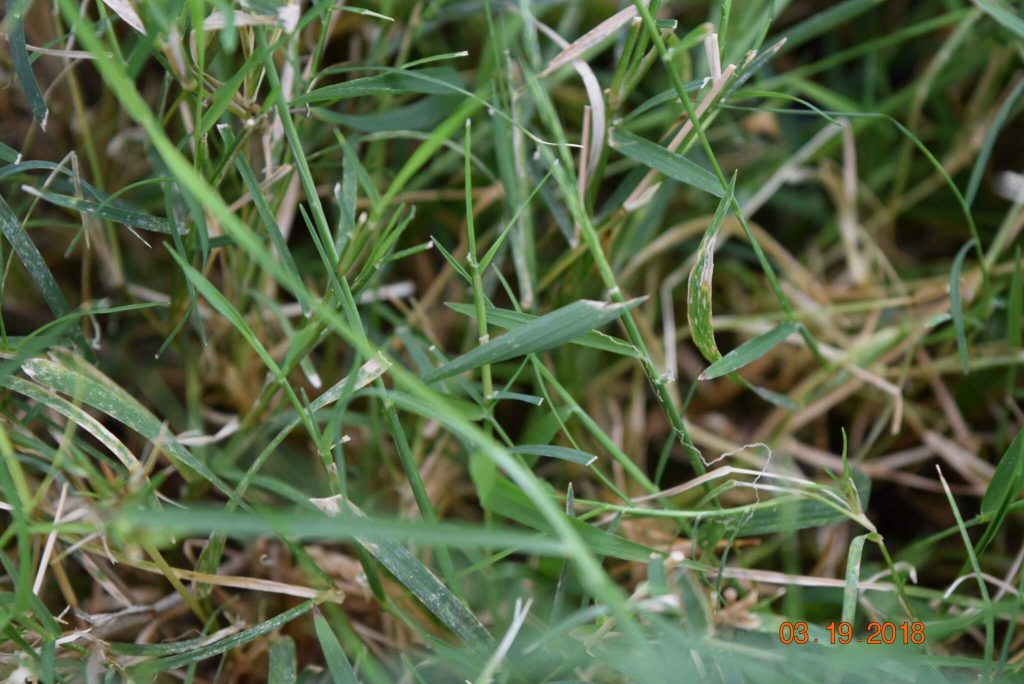
If you’ve ever stared at your lawn wondering if that patch of green is Bermuda grass or an unwanted weed, you’re not alone. The good news is, identifying and managing these look-alikes can be straightforward once you know what to look for. The weed that closely resembles Bermuda grass is typically Crabgrass or Poa Annua, which can quickly invade and disrupt a lush lawn. The key is recognizing their distinct growth habits and appearance early on.
In short, Bermuda grass and certain weeds like Crabgrass share similarities in color and blade shape, but differ in texture, growth pattern, and seedhead appearance. Knowing these differences helps you control unwanted invaders and maintain a healthy, beautiful lawn.
If your lawn resembles Bermuda grass but shows irregular patches, it’s likely a weed such as Crabgrass or Poa Annua. These weeds tend to sprout rapidly, especially during warm weather, and can be distinguished by their seedheads and leaf texture. Proper identification allows you to choose the right treatment method—whether it’s manual removal or targeted herbicide applications—to keep your yard pristine. Recognizing these weeds early will save you time and effort while preserving the lush look you desire.

Understanding the Weed That Looks Like Bermuda Grass
Many gardeners and homeowners struggle with identifying weeds that mimic Bermuda grass. These weeds can be confusing because they grow quickly and look very similar to the grass you want to keep. Knowing how to tell them apart is key to managing your lawn effectively.
What Does Bermuda Grass Look Like?
Bermuda grass is a warm-season grass famous for its dense, lush, green appearance. It has fine-textured blades that are typically about half an inch wide. During peak growing seasons, Bermuda spreads rapidly through runners and means it can cover large areas quickly.
Its growth pattern is low and spreading, making it a popular choice for lawns, sports fields, and golf courses. The grass has a slightly coarse feel but looks very uniform and smooth, which helps to distinguish it from many weeds.
Common Weeds That Resemble Bermuda Grass
Several weeds can look like Bermuda grass, especially to the untrained eye. Understanding the key differences can help you identify and control these plants effectively. Some of these weeds include crabgrass, goosegrass, and annual bluegrass.
Crabgrass (Digitaria sanguinalis)
Crabgrass is a common summer weed that grows in patches similar to Bermuda grass. It has wider blades that are rougher to the touch. Crabgrass tends to form clumps and has a more sprawling growth pattern.
Goosegrass (Eleusine indica)
Goosegrass appears in similar patches but has a more wiry texture with narrower leaves. It produces seed heads that resemble the seed spikes of Bermuda but are usually more rigid and less dense.
Annual Bluegrass (Poa annua)
This weed is often mistaken for fine Bermuda grass because of its green color. However, annual bluegrass has a softer, more delicate blade and tends to grow in cooler seasons.
Features That Help Differentiate Weeds from Bermuda Grass
Looking closely at leaf shape, texture, growth pattern, and seed structures can help you tell these plants apart. Here are some tips:
- Blade Width: Bermuda grass blades are narrow, about 1/2 inch, while crabgrass blades can be 1/2 to 1 inch wide.
- Leaf Texture: Bermuda is smooth, whereas crabgrass and goosegrass tend to be rougher or wiry.
- Growth Habit: Bermuda spreads via runners, forming a dense mat, whereas weeds like goosegrass tend to grow in clumps or patches.
- Seed Head Appearance: Bermuda’s seed heads are fine and spike-like; crabgrass’s seed heads are broader with a fuzzy appearance.
How to Identify the Weed That Looks Like Bermuda Grass in Your Lawn
Proper identification involves observing your lawn regularly. Check the leaf blade width and texture, especially during the growing season. Notice how the plant spreads: is it through runners or clumps?
Use a hand lens or magnifying glass to examine seed heads or the tiny hairs on the leaves, which can be distinctive. Comparing your plant with high-quality photos or seeking assistance from local extension offices can also be helpful.
Controlling the Weed That Looks Like Bermuda Grass
Effective weed management combines cultural, mechanical, and chemical methods. Before applying any herbicide, ensure you correctly identify the weed to avoid damaging your Bermuda grass.
Cultural Practices
Maintain a healthy lawn by mowing at the correct height, watering deeply but infrequently, and fertilizing appropriately. A strong, healthy Bermuda grass lawn can naturally resist weeds.
Mechanical Removal
Hand-pulling weeds like crabgrass or goosegrass is effective if the infestation is small. Use garden tools to loosen the soil around the weed’s roots, making removal easier.
Herbicide Application
Use selective herbicides designed for controlling broadleaf weeds or grassy weeds if applicable. Always follow the manufacturer’s instructions and avoid applying herbicides during extreme temperatures or drought conditions.
Prevention Tips for a Weed-Free Lawn
Prevention is the best way to avoid weeds that look like Bermuda grass. Here are some useful strategies:
- Apply pre-emergent herbicides early in the season to block weed seed germination.
- Overseed thin or bare patches with Bermuda grass seed to prevent weed establishment.
- Regularly mow at the recommended height to discourage weed growth.
- Avoid overwatering, which creates a favorable environment for weeds.
Related Topics for Better Lawn Care
Understanding weed growth is just one part of maintaining a healthy lawn. Consider exploring these related topics:
- Best Fertilizers for Bermuda Grass – learn how to provide your lawn with the nutrients it needs.
- Proper Mowing Techniques – tips for mowing at the right height to promote healthy growth and weed suppression.
- Seeding and Lawn Renovation – how to repair bare or damaged areas effectively.
- Watering Strategies – watering schedules that keep your Bermuda grass lush without encouraging weeds.
Additional Tips to Maintain a Lush and Healthy Lawn
Regular lawn care and early weed detection can keep your outdoor space thriving. Be vigilant for new weeds sprouting during the season and take prompt action.
Using proper lawn care techniques creates a thick, vigorous Bermuda grass stand that naturally resists weeds. Remember, patience and consistent maintenance are key to a beautiful, weed-free lawn.
Easily Identify Weeds in Your Yard in SECONDS
Frequently Asked Questions
How can I identify a weed that resembles Bermuda grass in my lawn?
To identify a weed that looks like Bermuda grass, examine its growth pattern, leaf texture, and color. Bermuda grass typically has fine-textured, dense, and upright blades with a bright green hue. If the weed has similar characteristics but exhibits differences in leaf width, seed head structure, or growth habit, it may be a different species. Use a magnifying glass to inspect the leaf blades and seed heads for distinctive features that distinguish it from Bermuda grass.
What are common weeds that mimic Bermuda grass in appearance?
Several weeds mimic Bermuda grass, including crabgrass, goosegrass, and barnyardgrass. Crabgrass has a coarser texture and broader leaves but can resemble Bermuda when young. Goosegrass has a similar upright growth pattern with a rough texture and runs densely across the soil. Barnyardgrass displays narrow leaves and can form dense patches, making it look quite similar at a glance. Proper identification requires close inspection of the seed heads and growth habits.
What methods can I use to control weeds that look like Bermuda grass in my lawn?
Effective control begins with correctly identifying the weed. For weeds that resemble Bermuda grass, manual removal or spot treatment with selective herbicides often works well. Apply targeted herbicides during active growth and ensure you use products safe for Bermuda grass to prevent damage. Maintaining healthy Bermuda grass through proper mowing, watering, and fertilization can also help suppress weed growth and prevent these weeds from establishing in your lawn.
Final Thoughts
A weed that looks like Bermuda grass can be tricky to identify and control. Its similar appearance often leads to confusion, making removal challenging for homeowners. Recognizing the differences is essential for effective weed management.
In summary, understanding the characteristics of a weed that looks like Bermuda grass helps in accurate identification. Taking prompt action prevents the weed from spreading and damaging your lawn. Proper identification ensures you maintain a healthy, lush yard.