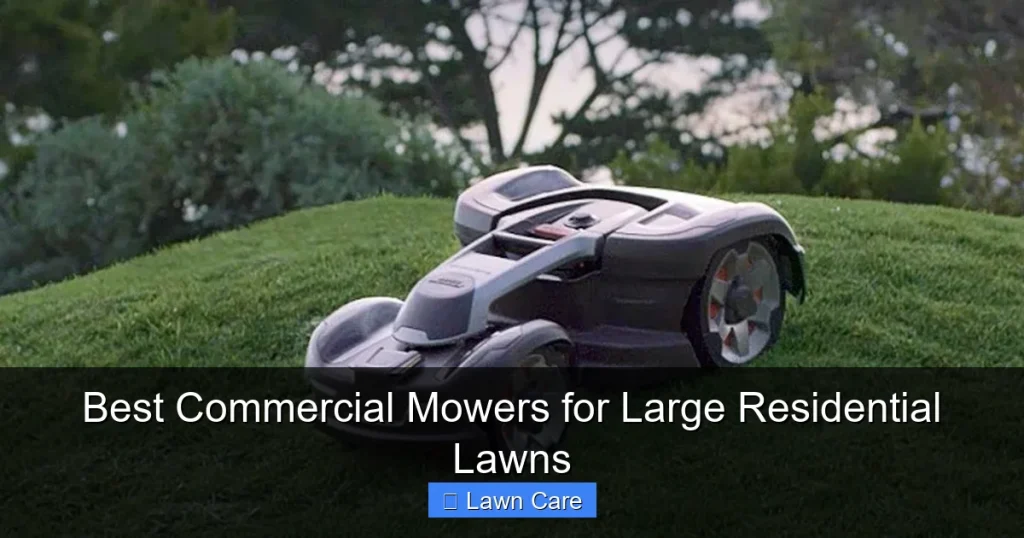
Maintaining a large residential lawn can be a time-consuming task, but the right commercial mower makes all the difference. These powerful machines are built for durability, efficiency, and consistent performance on expansive yards. Whether you’re managing a 1-acre estate or a sprawling suburban property, investing in a commercial-grade mower ensures a neat, healthy, and professional-looking lawn year-round.
Let’s face it—having a large residential lawn is a dream for many homeowners. But maintaining that lush green expanse? That’s where the real work begins. A residential lawn over half an acre can easily take 4–6 hours to mow with a standard push mower. That’s a lot of time, effort, and potential for uneven cuts. Enter the best commercial mowers for large residential lawns—machines engineered to handle the workload with precision and power.
Unlike consumer-grade mowers, commercial models are built to endure daily use. They feature heavier frames, commercial-grade engines, and components designed for longevity. Whether you’re mowing a 1-acre estate or a 5,000-square-foot yard with obstacles like trees and slopes, these mowers deliver consistent performance. Plus, many are compatible with attachments like aerators, spreaders, and dethatchers, turning your mower into a full lawn care system.
In this guide, we’ll walk you through everything you need to know to choose the right commercial mower for your large residential lawn. From engine types and cutting widths to self-propelled features and maintenance tips, we’ve got you covered.
Key Takeaways
- Commercial mowers are built for heavy-duty use: Unlike residential models, these machines handle large areas with ease and resist wear over time.
- Key features include wide cutting decks and powerful engines: Look for models with 48-inch or wider decks and reliable engines to cover more ground faster.
- Self-propelled or tow-behind options save labor: Many commercial mowers offer self-propelled systems or are designed to be pulled behind tractors for maximum efficiency.
- Mulching and bagging capabilities enhance lawn health: Advanced models allow you to recycle grass clippings or collect debris for cleaner turf.
- Maintenance and fuel type matter: Gas-powered models offer more power, but battery-powered options are gaining ground for quieter, eco-friendly operation.
- Durability and warranty are critical: Commercial mowers come with reinforced frames and longer warranties to support daily use.
- Proper mowing height and frequency improve grass health: Always follow grass-specific guidelines to avoid stressing your turf.
Quick Answers to Common Questions
What size lawn qualifies as “large” for residential use?
Generally, a lawn over half an acre (about 21,780 square feet) is considered large for residential use. This size often exceeds what a standard push mower can handle efficiently.
Can I use a commercial mower on slopes?
Yes, but choose a model with a low center of gravity and wide wheelbase. Look for self-propelled mowers with good traction and consider mowing up and down slopes rather than across them.
Are electric mowers suitable for large lawns?
Yes, especially newer commercial-grade battery mowers like those from EGO. They offer long run times and wide cutting decks, making them viable for large areas without gas emissions.
How often should I mow a large lawn?
During peak growing seasons (spring and summer), mow every 7–10 days. In fall and winter, reduce frequency to every 2–3 weeks, depending on growth.
Do commercial mowers require special maintenance?
Yes. Regular oil changes, blade sharpening, air filter replacements, and deck cleaning are essential. Follow the manufacturer’s maintenance schedule closely to ensure longevity.
📑 Table of Contents
Why Choose a Commercial Mower for Large Lawns?
You might wonder: “Can’t I just use a high-end residential mower?” While premium residential models are certainly better than basic ones, they’re not built for the same demands as commercial units. Commercial mowers are designed to run 8–12 hours a day, five days a week—something most home models can’t handle without overheating or breaking down.
One of the biggest advantages is cutting efficiency. Commercial mowers often feature cutting decks 48 inches or wider, allowing you to mow up to 2 acres in under an hour. This wide cut not only saves time but also ensures a more uniform appearance. Plus, many models offer adjustable cutting heights, letting you tailor the mow to your grass type—whether it’s Kentucky bluegrass, Bermuda, or Zoysia.
Another benefit is durability. These mowers use steel decks, heavy-duty wheels, and commercial-grade engines. For example, models from Husqvarna or Toro are known for their reinforced frames and corrosion-resistant components. Even if you’re mowing through wet grass or over rough terrain, these machines stay reliable.
Types of Commercial Mowers for Large Residential Lawns
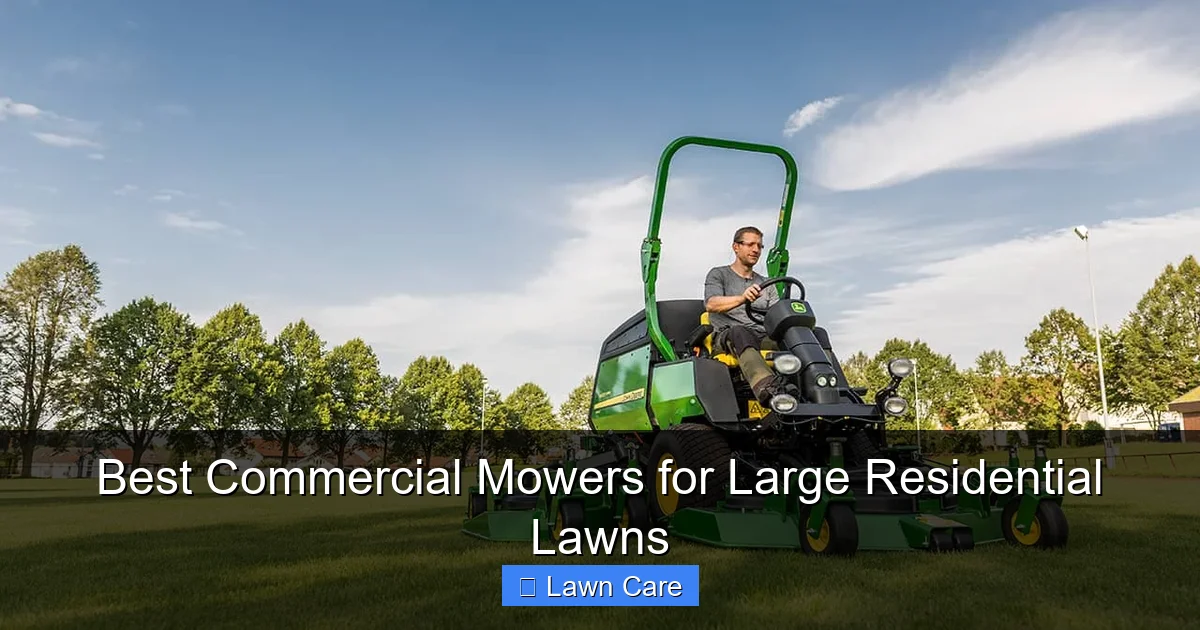
Visual guide about Best Commercial Mowers for Large Residential Lawns
Image source: honeycombes-ag.com.au
Not all commercial mowers are the same. There are three main types, each suited to different needs and yard layouts.
1. Riding Mowers
Riding mowers are the workhorses of large lawn care. They’re ideal for lawns over 1 acre and come in two styles: stand-on and traditional riding models. Stand-on mowers, like the John Deere Z345R, offer excellent maneuverability and visibility, making them perfect for yards with trees, flower beds, or narrow pathways. Traditional riding mowers, such as the Toro TimeCutter SS, provide more comfort and power for open spaces.
Many riding mowers are self-propelled, meaning you don’t have to push them—just steer. This is a huge time-saver on slopes or long stretches. Look for models with hydrostatic transmissions for smooth, effortless operation.
2. Zero-Turn Mowers
Zero-turn mowers are a favorite among homeowners with complex lawns. With their ability to turn in a full 360 degrees, they can navigate around obstacles with ease. Models like the Husqvarna Z200 or the Cub Cadet ZT1 are excellent choices for large yards with multiple zones or decorative features.
What makes zero-turns so efficient is their dual-wheel drive system, which allows for quick directional changes without lifting the deck. This means less overlap and faster mowing. They’re also typically self-propelled and come with wide decks (50–60 inches), making them ideal for large residential lawns.
3. Tow-Behind Mowers
For the ultimate in versatility, consider a tow-behind mower. These are attached to a lawn tractor or ATV and are perfect for mowing large, open areas. Brands like Great Mowers and Wright offer tow-behind models with cutting widths up to 96 inches. They’re especially useful if you already own a riding lawn tractor.
Tow-behind mowers are highly customizable—you can switch between mulching, bagging, and side-discharge modes. They’re also great for uneven terrain, as the tractor provides the power and traction.
Key Features to Look for in a Commercial Mower
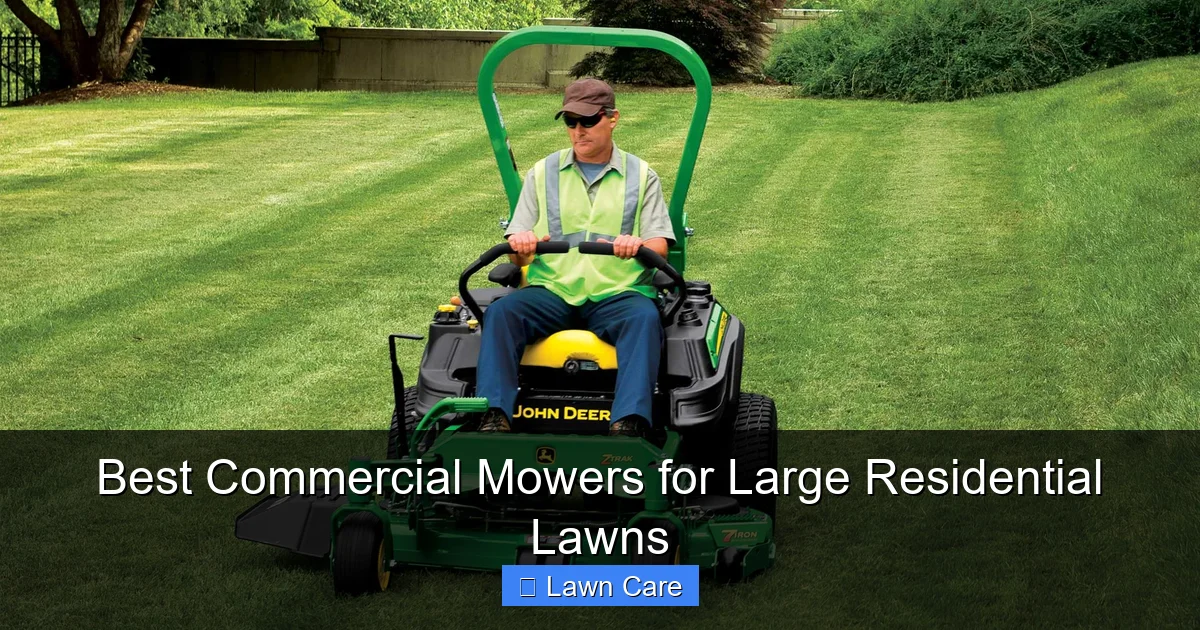
Visual guide about Best Commercial Mowers for Large Residential Lawns
Image source: deere.co.nz
When shopping for a commercial mower, don’t just focus on price. Certain features will make a big difference in performance and longevity.
Cutting Width and Deck Material
A wider cutting deck means fewer passes and less time spent mowing. For large lawns, aim for at least 48 inches. Most commercial mowers use cast aluminum or steel decks. Cast aluminum is lighter and resists rust, while steel is heavier and more durable—ideal for rough terrain.
Engine Power and Fuel Type
Commercial mowers typically use gas engines ranging from 18 to 30 horsepower. For large lawns, 20+ HP is recommended. Some models offer hydrostatic or twin-belt drive systems, which provide smoother operation and better control.
While gas engines dominate the market, electric and battery-powered commercial mowers are emerging as strong contenders. Brands like EGO and Ryobi now offer commercial-grade battery mowers with 75-minute run times and 56-inch cutting decks. These are quieter, eco-friendly, and require less maintenance—though they may struggle in extreme heat or overgrown grass.
Self-Propelled vs. Manual
Manual mowers are rare in commercial settings. Most large residential users opt for self-propelled models, which adjust speed based on terrain. This reduces fatigue and ensures consistent mowing. Look for models with variable speed control for better precision on hills or slopes.
Mulching and Bagging Options
Mulching returns nutrients to the soil, promoting healthier grass. Many commercial mowers include mulch kits or dual-purpose decks that switch between mulching, bagging, and side-discharge. For large lawns, the ability to bag clippings is a plus during peak growing seasons.
Top Commercial Mower Brands for Large Lawns
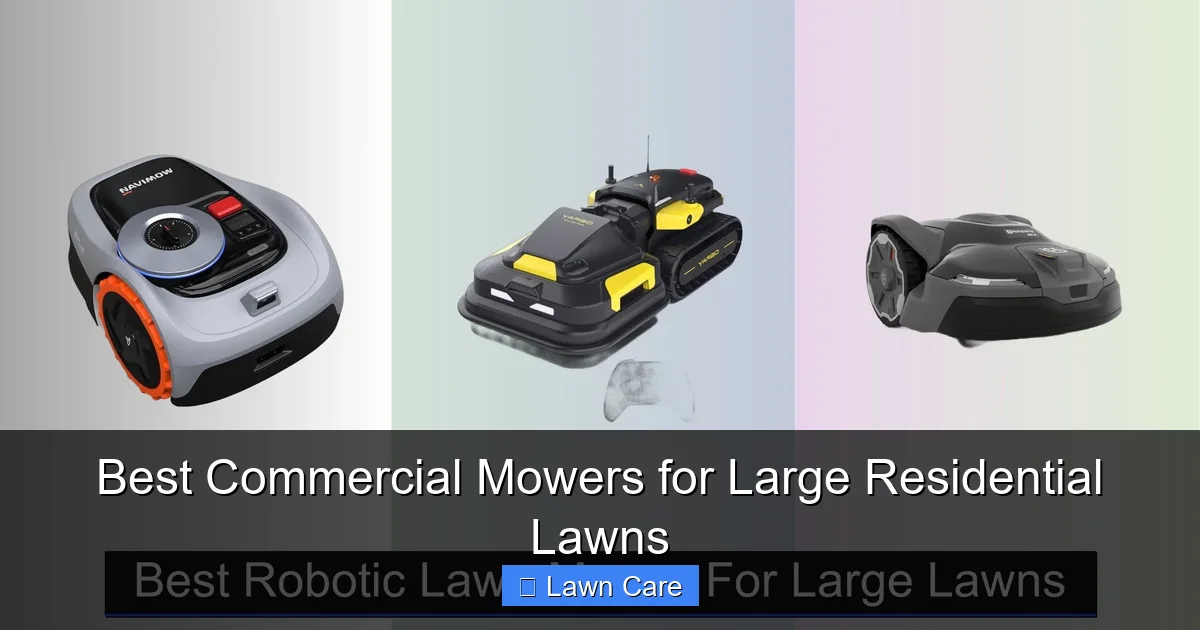
Visual guide about Best Commercial Mowers for Large Residential Lawns
Image source: bestlawnmower.reviews
Several brands stand out for their reliability, innovation, and performance in the commercial mower space.
Husqvarna
Husqvarna is a leader in commercial-grade equipment. Their zero-turn models, like the Husqvarna Z254, feature hydrostatic transmissions, cast iron decks, and commercial-grade engines. They’re built to last and come with 3-year warranties—ideal for daily use.
Toro
Toro’s TimeCutter and TRAM series are popular among homeowners with large lawns. The TimeCutter SS 5000 features a 50-inch deck, torque vectoring, and smart speed control. Toro also offers excellent customer support and a wide network of service centers.
John Deere
John Deere mowers are known for their durability and precision engineering. The Z345R stand-on mower is a top pick, offering easy access to controls, adjustable steering, and commercial-grade components. It’s perfect for yards with tight spaces.
Cub Cadet
Cub Cadet offers a range of commercial mowers, including the ZT1 series. These are affordable yet powerful, with hydrostatic drives and 54-inch decks. They’re great for homeowners who want commercial performance without the premium price.
EGO
For those leaning toward electric, EGO Power+ delivers. Their commercial mowers use lithium-ion batteries and offer up to 75 minutes of runtime. The EGO ST1511T has a 56-inch deck and is ideal for large lawns without the noise and emissions of gas engines.
Maintenance Tips for Commercial Mowers
To keep your commercial mower running smoothly, regular maintenance is essential.
Oil and Filter Changes
Change the oil and filter every 50 hours of use or once a season. Neglecting this can lead to engine damage. Always use commercial-grade oil as recommended by the manufacturer.
Blade Sharpening
Dull blades tear grass instead of cutting it, leading to brown tips and disease. Sharpen blades every 25–50 hours. For best results, balance them after sharpening.
Air Filter and Spark Plug
Replace the air filter annually and the spark plug every 100 hours. A clean air filter improves fuel efficiency and engine performance.
Deck Cleaning
After each use, clean the underside of the deck to remove grass buildup. This prevents rust and ensures even cutting. Use a deck cleaner tool or a garden hose with a nozzle.
Storage
Store your mower in a dry, covered area to protect it from the elements. If using a gas mower, consider adding a fuel stabilizer before storage to prevent fuel degradation.
How to Mow a Large Lawn Efficiently
Even the best mower won’t help if you’re not using the right mowing technique.
Use a Mowing Pattern
Avoid mowing in circles. Instead, use a straight-line pattern with slight overlaps. This reduces wear on the tires and ensures even coverage.
Adjust Cutting Height
Never cut more than one-third of the grass blade at a time. For cool-season grasses like fescue, keep the height at 3–4 inches. For warm-season types like Bermuda, 1–2 inches is ideal.
Mow When Grass is Dry
Wet grass clogs the deck and leads to uneven cuts. Wait until the grass is completely dry before mowing.
Fuel Up Strategically
If you’re mowing a large area, refuel during breaks rather than running out in the middle. Some mowers have fuel tanks large enough for 3+ hours of continuous use.
Consider Timing
Mow during the cooler parts of the day—early morning or late afternoon. This reduces stress on the grass and prevents evaporation.
Conclusion
Investing in the best commercial mowers for large residential lawns is one of the smartest decisions you can make for lawn care. These machines save time, reduce effort, and deliver professional results every time. Whether you choose a zero-turn mower for maneuverability, a riding model for comfort, or a tow-behind for versatility, the right commercial mower will transform how you maintain your yard.
From Husqvarna’s rugged durability to EGO’s eco-friendly innovation, there’s a model to fit every need and budget. Just remember to prioritize features like cutting width, engine power, and ease of maintenance. And don’t forget—consistent mowing, proper height, and regular care are just as important as the mower itself.
With the right equipment and a solid routine, your large residential lawn won’t just look great—it’ll thrive.
Frequently Asked Questions
What is the best fuel type for commercial mowers?
Gasoline is the most common and powerful option for commercial mowers. However, battery-powered models are becoming popular for their eco-friendliness and low maintenance. Diesel is rare in residential models but used in some commercial applications.
Can I convert my residential mower to commercial use?
No. Residential mowers lack the heavy-duty components, reinforced frames, and commercial warranties needed for daily use. It’s better to invest in a true commercial mower.
How wide should the cutting deck be for large lawns?
For lawns over 1 acre, a cutting deck of 48 to 60 inches is ideal. This allows you to cover more ground quickly and reduces mowing time significantly.
Are zero-turn mowers worth the investment?
Yes, especially for large or complex lawns. Zero-turn mowers offer unmatched maneuverability and speed, making them ideal for yards with trees, flower beds, or multiple zones.
How do I choose between a riding and a push mower?
Choose a riding mower for lawns over 1 acre or if you prefer comfort and speed. Push mowers are only practical for small to medium lawns under 10,000 square feet.
What’s the best time of day to mow a large lawn?
Mow during the cooler parts of the day—early morning or late afternoon. This reduces stress on the grass and prevents moisture loss. Avoid mowing during the heat of the day.