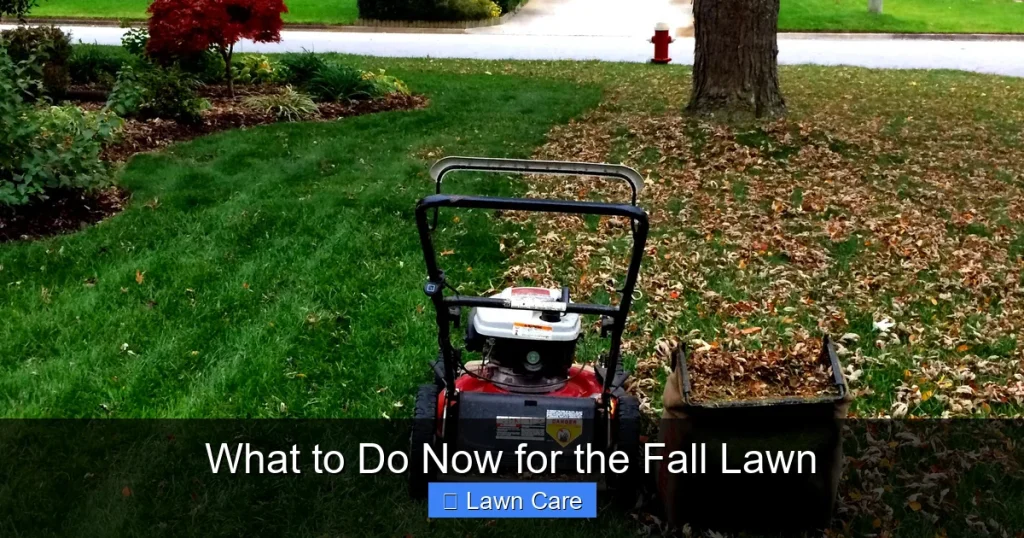
Fall is a crucial time for your lawn, setting the stage for its health next spring. This guide covers essential fall lawn care tasks like proper mowing, aeration, overseeding, fertilization, and pest control. By following these steps, you’ll ensure your lawn survives winter and thrives in the warmer months.
As the days shorten and a crispness enters the air, it’s a clear signal that summer’s heat is giving way to autumn’s embrace. While many of us are packing away our shorts and flip-flops, our lawns are entering a critical, yet often overlooked, period of preparation. What you do now for the fall lawn can have a significant impact on its health and appearance come next spring. Think of it as setting the stage for a beautiful show – the more effort you put into the backstage preparations, the more impressive the performance will be.
This isn’t just about tidying up before the snow flies; it’s about actively nurturing your grass, strengthening its root system, and warding off potential problems. Fall is a time of transition for your lawn. While it might seem like the grass is winding down, it’s actually busy storing energy for the cold months ahead and developing the foundation for vigorous growth when warmer weather returns. Neglecting your lawn during this period is like expecting a runner to perform well in a marathon without proper training – they’ll likely struggle. So, let’s dive into what you need to do now for the fall lawn to ensure it’s healthy, resilient, and ready to shine.
## Maximizing Your Mowing Strategy for Fall
Mowing is likely a familiar task, but its role in fall lawn care is a bit different from the height of summer. As the weather cools, grass growth slows down. This shift in growth patterns means you need to adjust your mowing strategy to benefit, rather than stress, your lawn.
### Gradual Height Adjustment
One of the most important things to do now for the fall lawn is to gradually lower your mower’s blade height. As the season progresses and temperatures drop, you’ll want to progressively cut the grass a little shorter than you did during the peak growing season. Aim to reach a final height of about 2 to 2.5 inches for most cool-season grasses. This lower height helps prevent the grass blades from matting down under snow or leaf cover, which can create a breeding ground for fungal diseases like snow mold. It also allows more sunlight to reach the soil surface, encouraging dormant grass to stay healthy. Remember to never remove more than one-third of the grass blade’s height at any one mowing. This principle applies year-round, but it’s especially crucial in the fall when the grass is less able to recover from shock.
### Mowing Until Growth Stops
Don’t stop mowing just because the weather is getting cooler. Continue mowing your lawn as long as it’s actively growing. For many regions, this means mowing well into October or even November. You might notice that the grass doesn’t need mowing as frequently as it did in summer. This is normal. However, letting grass grow too long before winter can lead to several problems. Long grass can fall over and become matted, trapping moisture and creating an environment conducive to disease. It can also make it harder for sunlight to reach the soil, hindering any dormant grass from getting the energy it needs. So, keep an eye on your lawn and mow when needed, adjusting your frequency as growth slows. Looking for advice on the best mowing practices? Check out what are the best mowing practices for a lawn.
## The Power of Aeration and Overseeding
Fall is arguably the most important season for lawn renovation. It’s the prime time for two key activities: aeration and overseeding. These processes work hand-in-hand to improve your lawn’s overall health, density, and resilience.
### Core Aeration: Letting Your Lawn Breathe
Over time, foot traffic, mowing, and soil compaction can lead to a dense, compacted soil structure. This makes it difficult for essential elements like air, water, and nutrients to penetrate the soil and reach the grass roots. Core aeration is the process of mechanically removing small plugs of soil from your lawn. This creates tiny holes that alleviate compaction and allow for better infiltration of air, water, and fertilizers.
The best time to aerate is when your grass is actively growing, which is typically in the fall for cool-season grasses. By aerating now for the fall lawn, you’re giving the grass roots direct access to these vital resources, promoting deeper root growth and strengthening the plant for winter. If you’re wondering about the cost, exploring what is the typical cost to aerate a lawn can help you budget. You can rent an aerator or hire a professional. Either way, the benefits are well worth the effort.
### Overseeding: Filling the Gaps and Strengthening Your Turf
Overseeding involves spreading grass seed over your existing lawn. Fall is the ideal season for this because cooler temperatures, ample moisture, and less weed competition create perfect conditions for new grass seeds to germinate and establish. Whether you have thin patches, bare spots, or just want a denser, more resilient turf, overseeding is your answer.
When choosing grass seed, consider your climate and the type of grass you already have. For cool-season lawns, fall is the perfect time to introduce varieties that are known for their hardiness and disease resistance. You can find great options by looking into how to choose the best grass seed for your lawn. After aerating, spread the seed evenly over the lawn. Lightly rake the area to ensure good seed-to-soil contact. Keep the seeded areas consistently moist until the new grass has germinated and established. This process significantly improves your lawn’s ability to withstand stress from drought, heat, and disease in the following year.
## Fertilization: The Fall Food Boost
Fertilizing in the fall is one of the most beneficial things you can do for your lawn’s long-term health. While summer fertilization can sometimes stress a lawn, fall fertilization focuses on building root strength and preparing the grass to survive the winter and bounce back vigorously in the spring.
### The Importance of a Late Fall Feeding
The most critical fertilization application for your fall lawn is a late-season feeding. This usually occurs after the last mowing, typically in late October or November, depending on your climate. This fertilizer application should be rich in nitrogen and potassium. The nitrogen fuels the grass’s ability to store energy and produce carbohydrates, which are essential for winter survival. The potassium helps improve the grass’s overall hardiness, disease resistance, and ability to withstand cold temperatures.
This late-season fertilization encourages root growth to continue even as the top growth slows down. Strong, deep roots are key to a healthy lawn that can better access water and nutrients, especially during dry spells in the spring and summer. Many homeowners opt for a slow-release fertilizer during this time, ensuring a steady supply of nutrients for the grass over a longer period. If you’re interested in natural options, exploring what are the best natural ways to fertilize your lawn can be a great starting point.
### Choosing the Right Fertilizer
When selecting a fertilizer for your fall lawn, look for the N-P-K ratio (Nitrogen-Phosphorus-Potassium). For a late fall application, you’ll want a higher nitrogen content. For example, a fertilizer with a ratio like 24-0-12 or 30-0-10 would be suitable. Avoid fertilizers with high phosphorus levels unless a soil test indicates a deficiency, as excess phosphorus can contribute to water pollution.
A soil test can also tell you about your lawn’s pH levels. If your soil is too acidic, for instance, certain nutrients might not be readily available to your grass. Learning what to do if your lawn soil is too acidic can ensure your fertilizer is working effectively. Understanding your soil’s needs is paramount to successful fertilization.
## Pest and Weed Management in Autumn
Fall is not just about nurturing healthy grass; it’s also about managing potential threats. Addressing current pest issues and laying the groundwork to prevent future ones is a vital part of your fall lawn care routine.
### Tackling Lingering Pests
While many insect pests become less active as temperatures cool, some can still cause significant damage in the fall, especially if they’re overwintering in your lawn. Grubs, for instance, are a common problem that can wreak havoc. If you’ve noticed brown patches or areas where your lawn seems to be pulling away from the soil easily, grubs might be the culprit. Fall is an excellent time to treat for grubs, as they are actively feeding before they burrow deeper to overwinter. Treating them now helps protect your lawn from their damage and reduces the population for the following year. You can learn more about how to treat lawn for grubs in fall.
Beyond grubs, be on the lookout for other potential pests like chinch bugs or sod webworms, especially in warmer climates. Early detection and treatment are always key. Using a lawn insecticidal soap or a targeted pesticide can help. Always follow product instructions carefully and consider the environmental impact of any treatment you choose.
### Getting a Head Start on Weeds
Weeds can be a nuisance throughout the year, but fall offers a unique opportunity to control them. Many broadleaf weeds, such as dandelions and clover, are perennial or winter annuals that can thrive in the cooler fall temperatures. Applying a broadleaf weed killer now can effectively target these plants before they go dormant for the winter or set seed.
Furthermore, fall is the ideal time to apply a pre-emergent herbicide. These products work by creating a barrier in the soil that prevents weed seeds from germinating. Applying a pre-emergent now can drastically reduce the number of winter annual weeds that sprout in late fall and early spring. This is particularly important for preventing weeds like chickweed and henbit from taking over your lawn. If crabgrass has been a major problem, addressing it now can prevent it from returning next year.
## Leaf Management and Lawn Cleanup
As the leaves begin to fall, it’s easy to let them accumulate. However, a thick layer of leaves can smother your grass, block sunlight, and create a moist environment that promotes disease. Regular cleanup is essential for a healthy fall lawn.
### Raking and Mulching Leaves
While it may seem like a chore, regular raking is one of the best things you can do for your fall lawn. If you have a small lawn, simple raking is effective. For larger areas, a leaf blower can be a time-saver. The goal is to remove the majority of fallen leaves before they have a chance to compact and harm the grass underneath.
Alternatively, you can use a mulching mower. Many mowers have a mulching setting that finely chops the leaves and returns them to the lawn as organic matter. This can be beneficial, as decomposing leaves add nutrients to the soil. However, ensure you don’t overdo it; a thin layer of mulched leaves is good, but a thick, matted layer can still cause problems. If you’re unsure about the best way to handle fallen leaves, learning about what is the best mulch to use for lawn care can provide some broader context on organic matter decomposition.
### General Fall Cleanup
Beyond leaves, take some time for general cleanup of your lawn area. Remove any dead annual flowers, spent vegetable plants, and other garden debris. This not only makes your lawn look tidier but also removes potential habitats for pests and diseases. Ensure your lawnmower is clean and properly maintained, ready for its final mowings. If you’re new to lawn care, reviewing what are the best lawn care tips for beginners can provide a good foundation. Also, consider edging your lawn for a crisp, clean look before winter sets in. Guidance on what is the best way to edge a lawn for a professional look can help achieve that finished appearance.
## Preparing Your Lawn for Winter’s Dormancy
The final steps in your fall lawn care routine involve preparing your grass for the dormant period ahead and ensuring it has the best possible chance to survive the cold and emerge healthy in the spring.
### Watering Consistently (If Needed)
Even though the weather is cooler, your lawn still needs water, especially if you’ve overseeded or if you’re experiencing dry conditions. Grass plants need moisture to store energy for the winter. Water deeply and less frequently, aiming to keep the soil moist but not waterlogged. As temperatures drop significantly and the ground begins to freeze, you can gradually reduce watering. However, if you experience a dry fall, especially before the ground freezes, a good watering can be beneficial for overwintering turf.
### Addressing Any Lingering Issues
Take a final walk around your lawn and assess any issues that might need attention before winter. This could include identifying any remaining bare patches that may need a light reseeding, checking for signs of disease that might need a fungicide treatment (though fall is generally not the primary season for disease treatment, some preventative measures can be taken), or ensuring any equipment is properly stored. If you have young trees or shrubs near your lawn, consider their specific winter protection needs.
### Final Mowing Height and Preparation for Frost
As mentioned earlier, ensure your final mowings are at that ideal 2-2.5 inch height. This helps prevent snow mold and allows sunlight to reach the soil. Some lawn care experts recommend a final rolling of the lawn in late fall, especially in areas prone to heaving, to firm up the soil and press down any frost-raised grass. However, this is not always necessary and depends heavily on your soil type and climate. The most crucial aspect is ensuring the grass has adequate nutrients, is free from excessive thatch and debris, and has had its roots strengthened through aeration and fertilization.
By diligently following these steps now for the fall lawn, you’re investing in a healthier, more beautiful lawn next year. It’s a proactive approach that pays dividends when spring arrives.
Key Takeaways
- Adjust Mowing Habits: Gradually lower your mower’s blade height in the fall and continue mowing until the grass stops growing to prevent disease and matting.
- Aerate Your Lawn: Core aeration relieves soil compaction, allowing air, water, and nutrients to reach the root zone, which is especially beneficial in fall.
- Overseed for Density: Fall is the ideal time to overseed, filling in thin patches and introducing new, hardy grass varieties for a thicker, more resilient lawn.
- Fertilize Appropriately: A late fall, high-nitrogen fertilizer application provides essential nutrients for root development and winter survival.
- Control Pests and Weeds: Address any lingering pest issues and apply a pre-emergent herbicide to prevent winter annual weeds and get a head start on spring.
- Clear Debris: Regularly rake fallen leaves and remove other debris to prevent smothering the grass and creating a haven for pests and diseases.
- Prepare for Winter: Address any specific needs like frost protection for newly seeded areas or planning for winter watering if applicable.
Quick Answers to Common Questions
What is the most important thing to do for your lawn in the fall?
The most important fall lawn care task is often considered fertilization, specifically a late-season feeding that promotes root development and winter hardiness.
When should I stop mowing my lawn in the fall?
You should continue mowing your lawn as long as it is actively growing. This could be into late October or even November, depending on your climate, cutting it shorter gradually as the season progresses.
Is aeration really necessary in the fall?
Yes, fall is an ideal time for core aeration because it relieves soil compaction and allows air, water, and nutrients to reach the grass roots, which is crucial for developing a strong root system before winter.
Can I still plant grass seed in the fall?
Absolutely! Fall is one of the best times to overseed your lawn because the cooler temperatures, increased moisture, and reduced competition from weeds create excellent germination conditions for new grass seed.
Should I water my lawn in the fall?
Yes, it’s important to water your lawn in the fall, especially if it’s dry or you’ve recently overseeded. Deep, infrequent watering helps the grass store energy for winter and maintain health until the ground freezes.
Frequently Asked Questions
Why is fall considered the best time to overseed a lawn?
Fall offers ideal conditions for overseeding. The cooler temperatures help grass seed germinate and establish without the stress of summer heat, and there’s typically more moisture available. Also, weed competition is lower during this season.
How short should I cut my grass in the fall?
You should gradually lower your mower’s blade height throughout the fall, aiming for a final height of about 2 to 2.5 inches. This helps prevent diseases like snow mold and allows sunlight to reach the soil.
What type of fertilizer should I use in the fall?
For a late fall application, choose a fertilizer with a higher nitrogen content to promote root growth and energy storage. Potassium is also beneficial for winter hardiness. Look for ratios like 24-0-12 or 30-0-10.
How often should I rake leaves in the fall?
You should rake leaves regularly throughout the fall season. Don’t let a thick layer accumulate, as this can smother your grass, block sunlight, and create a favorable environment for diseases.
What are the main benefits of aerating my lawn in the fall?
Aerating in the fall helps to alleviate soil compaction, allowing better penetration of air, water, and nutrients to the grass’s root zone. This promotes deeper root growth, which is vital for winter survival and spring recovery.
Should I still worry about weeds in the fall?
Yes, fall is an important time to manage weeds. Applying a broadleaf weed killer can target perennial weeds, and using a pre-emergent herbicide can prevent winter annual weeds from germinating and establishing in your lawn.