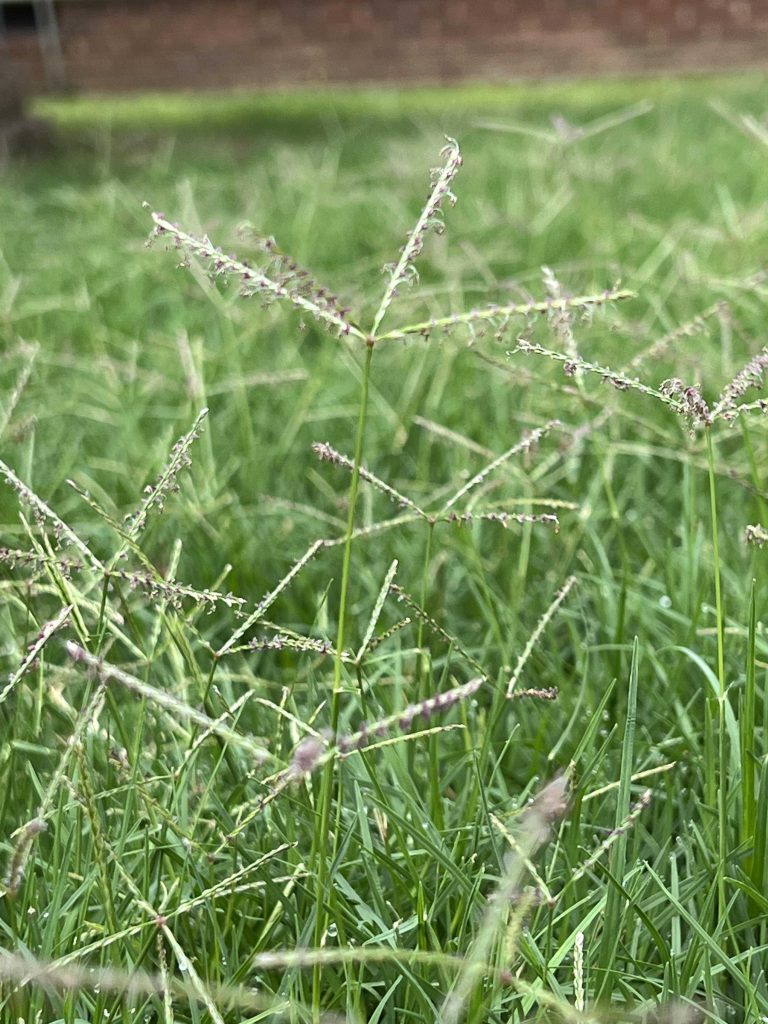
If you’re noticing seed heads on your Bermuda grass and wondering how to manage them, you’re not alone. These seed heads can sometimes make your lawn appear less tidy and may even compete with your turf. The quick fix? Regular mowing and proper lawn care can help control seed head formation, keeping your Bermuda grass looking lush and uniform. Addressing seed head issues early ensures a healthy, attractive yard that stands out in your neighborhood.
Bermuda grass seed heads can be a common sight, especially during certain growing seasons. While they are a natural part of the grass’s reproductive process, excessive seed heads can sometimes detract from the lawn’s appearance. Proper management involves understanding why seed heads form and implementing maintenance practices such as mowing height adjustments and fertilization schedules. With the right approach, you can reduce seed head production and enjoy a well-maintained, vibrant Bermuda turf.
Bermuda grass seed heads are clusters of seeds that appear on the grass stems, typically during hot, dry weather or in mature lawns. These seed heads can add a wild look to your turf and sometimes indicate that the grass is stressed or overly mature. To manage them effectively, it’s important to understand their growth cycle and adopt practices that promote healthy, dense growth while minimizing seed head formation. Regular mowing, proper watering, and fertilization are key strategies to keep seed heads in check and maintain the pristine appearance of your Bermuda grass lawn.

Bermuda Grass Seed Head: What You Need to Know
The seed head of Bermuda grass plays a crucial role in how the grass spreads and grows. Understanding this part of the plant can help you care for your lawn better. In this section, we will explore what Bermuda grass seed heads are and why they are important.
What Is a Bermuda Grass Seed Head?
A Bermuda grass seed head is the flowering part of the plant that produces seeds. It appears during the grass’s reproductive phase and is essential for the propagation of new plants. The seed head typically forms in the summer and fall months when conditions are warm and sunny.
Characteristics of Bermuda Grass Seed Heads
These seed heads are usually made up of multiple spikelets arranged in a panicle. They appear as fluffy clusters on top of the grass stems. The seed heads can vary in height but are generally about 4 to 12 inches tall. They have a characteristic light green to brownish color as they mature.
Why Do Bermuda Grass Seed Heads Matter?
Seed heads influence how Bermuda grass spreads naturally. They also affect the lawn’s appearance and health. Proper understanding and management of seed heads can help in controlling unwanted seed spread and maintaining a dense, lush lawn.
Life Cycle and Development of Bermuda Grass Seed Heads
Growth Stages of Bermuda Grass Leading to Seed Heads
Initially, Bermuda grass grows as a low, spreading turf. As it matures, especially in optimal weather, it begins to develop seed heads. The process starts with flowering and then seed formation, which guarantees survival for future generations.
Seasonal Timing of Seed Head Formation
The seed head forms mainly during late spring through early fall. During these months, the warm temperatures encourage flowering and seed production. Factors like rainfall and day length also influence the timing of seed head emergence.
Factors Influencing Seed Head Development
- Temperature: Warm, consistent temperatures promote seed head formation.
- Daylight: Longer days trigger flowering in Bermuda grass.
- Cutting Height: Cutting the grass too short can stress the plant and reduce seed head growth.
- Nutrient Levels: Adequate fertilization supports healthy flowering and seed production.
Identifying Bermuda Grass Seed Heads
Visual Features of Mature Seed Heads
Mature seed heads appear as branching structures with numerous spikelets attached. They often look like small, fluffy clusters rising above the grass blades. The seed heads are distinguishable from the leaf blades by their size and shape.
Differences Between Seed Heads and Grass Blades
While grass blades are flat and narrow, seed heads are taller, branched, and often fuzzy or fluffy. Recognizing these differences helps in proper lawn management and seed collection if needed.
How to Examine and Spot Seed Heads in Your Lawn
- Look for taller, flowering structures emerging from the turf.
- Check during the late spring to fall months when seed heads are most common.
- Compare with surrounding grass to see if the seed heads stand out.
Managing Bermuda Grass Seed Heads
Controlling Seed Head Spread
If you want to prevent Bermuda grass from spreading too much, it is important to manage seed head production. Regular mowing at the appropriate height can reduce seed head formation.
Best Practices for Mowing and Trimming
Set your mower to cut at a height of about 1.5 to 2 inches. This height discourages seed head development while keeping the turf healthy. Avoid cutting too low, which can weaken the grass.
Controlling Seed Production for a Thicker Lawn
Proper fertilization and irrigation help maintain dense growth, reducing the need for seed production. In some cases, mowing before seed heads fully mature prevents seeds from dispersing.
Effects of Seed Heads on Lawn Aesthetics and Health
Impact on Appearance
Seed heads can make the lawn look less uniform and more shaggy if they become overly abundant. Removing seed heads can help maintain a tidy appearance for your yard.
How Seed Heads Influence Lawn Density and Growth
Sometimes, seed head formation indicates the grass is flowering and spreading naturally. However, excessive seed production can divert energy from leaf growth, weakening the overall turf.
Potential Problems Caused by Excessive Seed Head Formation
- Unwanted seed dispersal to neighboring areas.
- Potential for invasive spread if seeds establish elsewhere.
- Reduced vigor of the turf due to energy being allocated to seed production.
Related Topics for Bermuda Grass Seed Head Enthusiasts
Seed Collection and Propagation
If you want to propagate Bermuda grass, collecting mature seed heads is an option. Gather seeds when they turn brown and are fully developed. Store them in a cool, dry place before planting.
Healthy Lawn Maintenance Tips
- Regular mowing at the right height.
- Fertilization based on soil testing results.
- Proper watering schedule to encourage dense growth.
- Proper thatch control to promote healthy root systems.
Dealing With Seed Head Problems
Address seed head overproduction by adjusting mowing practices and avoiding over-fertilization. Using herbicides is generally not recommended unless controlling invasive species.
Interesting Facts About Bermuda Grass Seed Heads
- Bermuda grass is a warm-season perennial often used in sports fields and lawns.
- The seed heads can produce thousands of seeds per plant during peak season.
- Seeds are spread primarily by wind, animals, and yard maintenance activities.
- The seed head’s fluffy appearance helps in seed dispersal by aiding wind movement.
Understanding Bermuda grass seed heads can help you take better care of your lawn. Whether you want to promote growth or control seed spread, knowing how seed heads develop and behave makes a big difference. Proper lawn management ensures a lush, healthy, and attractive yard you can enjoy all year long.
Bermuda Grass Seed Heads
Frequently Asked Questions
What causes Bermuda grass to produce seed heads frequently?
Bermuda grass produces seed heads when it detects environmental cues such as increasing daylight hours and warmer temperatures typically during late spring and summer. These conditions trigger the grass’s natural reproductive cycle, leading to seed head formation. Additionally, stress from drought or over-fertilization can promote seed head development as the grass attempts to reproduce before potential decline.
How does the presence of seed heads affect the overall health of Bermuda grass?
Seed heads can divert energy from regular grass growth, potentially leading to thinner, less dense turf. While they are part of the natural reproductive process, excessive seed head production may indicate that the grass is under stress or is growing in conditions that favor reproduction over lushness. Managing mowing height and providing proper nutrients can help maintain healthy turf without excessive seed head formation.
Can I control seed head growth on Bermuda grass through mowing practices?
Yes, adjusting your mowing practices can influence seed head development. Cutting your Bermuda grass slightly higher during peak seed head formation periods can reduce seed head production. Regular mowing removes seed heads as they form, which limits their spread and encourages a denser, more uniform turf. However, consistent mowing at optimal heights remains key to controlling seed head growth effectively.
Final Thoughts
A well-formed Bermuda grass seed head indicates healthy growth and good conditions. Observing these seed heads helps identify the right time for mowing or reseeding. Maintaining optimal lawn management ensures vibrant, dense turf.
In summary, understanding the Bermuda grass seed head provides valuable insight into the plant’s cycle. Keeping an eye on these seed heads helps maintain a lush, healthy lawn.