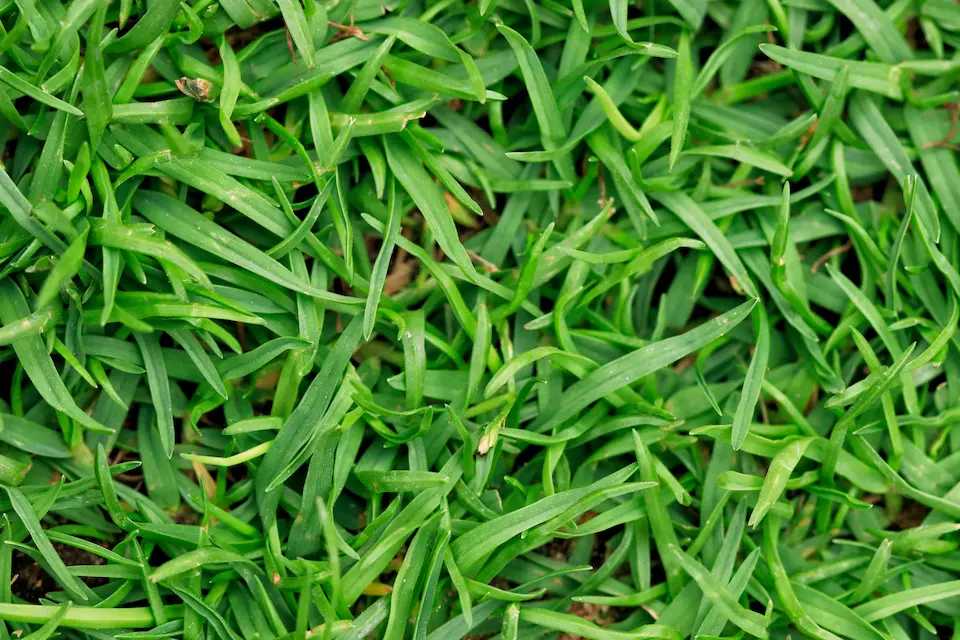
Looking to establish a lush, durable lawn in North Carolina? Bermuda grass could be your perfect solution! This resilient grass variety thrives in warm climates and provides a beautiful, dense turf ideal for lawns, sports fields, and recreational areas. Whether you’re preparing for the hot North Carolina summers or seeking a low-maintenance yet attractive grass, Bermuda grass offers an excellent choice. It’s known for its quick growth, drought tolerance, and ability to recover from heavy traffic, making it a favorite among homeowners and landscapers alike.
In short, Bermuda grass is an excellent option for North Carolina landscapes thanks to its adaptability to warm weather and high resilience. Proper planting, maintenance, and care will ensure a vibrant, healthy lawn that stands up to the state’s climate. Understanding the right techniques can help you maximize its benefits and enjoy a stunning yard year-round.
Thinking about growing Bermuda grass in North Carolina? It’s a smart choice for homeowners seeking a hardy, attractive lawn that endures the region’s summer heat and humidity. Bermuda grass thrives in full sun, requires well-draining soil, and benefits from regular mowing and watering. With proper care, this grass can transform your yard into a lush, green oasis, providing both beauty and durability in the Tar Heel State.

Bermuda Grass in North Carolina: Everything You Need to Know
Introduction to Bermuda Grass in North Carolina
Bermuda grass is a popular turfgrass choice in North Carolina because it handles heat and drought well. It creates a lush, green lawn that is durable and perfect for outdoor activities. Many homeowners and landscapers prefer Bermuda grass for its resilience and vibrant appearance.
Why Choose Bermuda Grass for North Carolina Lawns?
North Carolina experiences hot summers and some drought periods, making Bermuda grass an ideal choice. Its ability to withstand high temperatures helps maintain a beautiful lawn. Additionally, Bermuda grass grows quickly and recovers fast from damage, making it low-maintenance.
Climate Compatibility and Growing Conditions
North Carolina’s climate is generally favorable for Bermuda grass. This grass thrives in warm temperatures ranging from 75 to 95 degrees Fahrenheit. It prefers full sunlight but can tolerate some shade. Proper soil drainage and fertility are essential for optimal growth.
Best Regions in North Carolina for Bermuda Grass
Bermuda grass grows best in the southern and central parts of North Carolina. These areas enjoy longer warm seasons and fewer cold snaps. In northern regions, winter dieback can occur, so preparation is needed to protect the grass.
Soil Requirements for Bermuda Grass
Bermuda grass prefers well-drained sandy to loamy soils with a pH between 6.0 and 7.0. Good soil fertility supports healthy growth and vibrant color. Conducting a soil test can help determine necessary amendments.
Planting Bermuda Grass in North Carolina
Planting Bermuda grass involves choosing the right method—either sod, seed, or sprigs. Each method has its advantages and considerations depending on budget and timeline.
Sod Installation
Sod provides an instant lawn and is ideal for quick establishment. It is laid in early spring or late summer when soil temperatures are optimal. Ensure the soil is prepared by removing weeds and leveling the surface before laying sod.
Seeding Bermuda Grass
Seed is a cost-effective method but takes longer to establish. Best times for seeding are late spring to early summer. Use a quality seed mixture and follow recommended planting depth and watering guidelines.
Planting Bermuda Sprigs or Plugs
Sprigs and plugs are small pieces of Bermuda grass that root quickly. They are suitable for patching and repairing lawns. Plant in early spring or summer when soil is warm, spacing them 6-12 inches apart.
Maintenance Tips for Bermuda Grass in North Carolina
Proper care is crucial to keep Bermuda grass lush and healthy. Regular mowing, watering, fertilization, and aeration help improve its appearance and longevity.
Mowing Practices
Mow Bermuda grass at a height of 1 to 2 inches for a dense, healthy lawn. Avoid cutting more than one-third of the height at a time. Regular mowing encourages thick growth and discourages weeds.
Watering Guidelines
Bermuda grass needs about 1 to 1.5 inches of water per week. Deep watering encourages roots to grow deeper, increasing drought tolerance. Water early in the morning to reduce disease risk.
Fertilization Schedule
Apply a balanced fertilizer with nitrogen during the growing season. Typically, fertilize every 6 to 8 weeks. Avoid over-fertilizing, which can lead to thatch buildup and disease.
Aeration and Overseeding
Aerate the soil annually to improve air, water, and nutrient penetration. Overseeding with Bermuda grass in late spring can help thicken the lawn and fill in bare patches.
Dealing with Common Pests and Diseases
Bermuda grass can face pests like armyworms and diseases such as dollar spot or brown patch. Regular inspection and proper lawn care reduce these issues.
Key Pests to Watch For
– Armyworms: cause defoliation and yellow patches.
– Chinch bugs: damage the plant by sucking sap.
– Grubs: attack roots and cause thinning.
Preventative Measures and Treatments
Maintain healthy turf to resist pests. Use appropriate pesticides when necessary and follow label instructions. Good watering and fertilization also reduce disease susceptibility.
Advantages of Bermuda Grass in North Carolina
Bermuda grass offers many benefits for North Carolina lawns. Its drought tolerance, quick recovery, and low maintenance make it a popular choice.
- Durability and resilience
- Fast growth and recovery from damage
- Excellent heat tolerance
- Good resistance to foot traffic
- Requires less water once established
Challenges and How to Overcome Them
While Bermuda grass is hardy, it has some challenges like winter dieback and invasiveness. Proper planning and maintenance help manage these issues.
Winter Protection Strategies
In northern parts of North Carolina, Bermuda grass may go dormant in winter. Covering it with mulch or using temporary covers can offer extra protection during cold snaps.
Managing Invasiveness
Bermuda grass can spread beyond desired areas. Edging and regular trimming prevent it from invading flower beds or neighboring lawns.
Related Topics for North Carolina Lawn Owners
Other turfgrass options include Zoysia and Centipede grass, which may be suitable for shadier areas or cooler climates. Soil testing and climate considerations are essential for choosing the right grass.
Comparing Bermuda Grass with Other Turfgrasses
| Feature | Bermuda Grass | Zoysia | Centipede Grass |
|———|————–|——–|—————-|
| Best in hot climates | Yes | Moderate | No |
| Drought tolerance | High | Moderate | Low |
| Maintenance | Moderate | Low | Low |
| Cold tolerance | Low | Moderate | Moderate |
Final Tips for Growing Bermuda Grass in North Carolina
Start with a clean, prepared soil bed for seed or sod. Consistent watering and fertilization during the growing season will produce a lush, green lawn. Regular maintenance prevents pests and diseases, ensuring your Bermuda grass stays healthy.
By understanding North Carolina’s specific climate and soil needs, you can select, plant, and care for Bermuda grass successfully. This grass will provide a durable and attractive lawn that withstands the state’s weather conditions.
Bermuda Lawn Care – 5 Basics – For A Nice Green Lawn – Beginners Start Here!
Frequently Asked Questions
What are the best times of year to plant Bermuda grass in North Carolina?
The optimal periods for planting Bermuda grass in North Carolina are late spring and early summer when soil temperatures reach around 65-70°F. Planting during these warmer months helps the grass establish quickly and thrive throughout the growing season. Avoid planting in late fall or winter, as the cooler temperatures can hinder germination and growth.
How can I manage common pests and diseases affecting Bermuda grass in North Carolina?
Regular monitoring helps catch pest and disease issues early. For common pests like armyworms or grubs, apply targeted insecticides or beneficial nematodes as needed. To prevent diseases such as dollar spot or brown patch, maintain proper mowing height, avoid overwatering, and ensure good airflow by aerating the soil periodically. Using resistant Bermuda grass varieties can also reduce the risk of certain diseases.
What soil preparation steps should I take before establishing Bermuda grass in North Carolina?
Start with a soil test to determine nutrient levels and pH. Bermuda grass prefers well-draining soil with a pH between 5.8 and 7.0. Amend the soil with organic matter or lime based on test results to improve fertility and pH balance. Till or aerate the soil to loosen compacted layers, then level the area to create an even surface for planting. Proper soil preparation ensures healthy root development and better grass establishment.
Final Thoughts
In summary, choosing the right Bermuda grass quality is essential for North Carolina lawns. Proper maintenance and tailored care ensure healthy, green turf throughout the year. Bermuda grass north carolina thrives with optimal watering and fertilization practices. Focusing on these key factors helps homeowners achieve a beautiful, durable lawn.