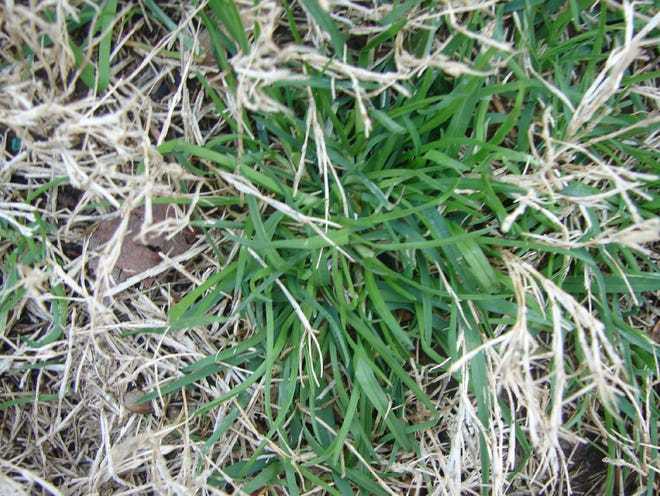
Yes, atrazine can be safe for Bermuda grass when used correctly and in moderation. However, overuse or improper application may cause damage or stress to your lawn. It’s important to weigh the benefits against potential risks and follow recommended guidelines for safe application.
Atrazine is a popular herbicide used to control weeds in various lawns and crops, but its safety for Bermuda grass depends on proper usage. If applied carefully and according to instructions, it can help manage weeds without harming your turf. Still, improper use can lead to discoloration or damage. Understanding how and when to apply atrazine is key to maintaining a healthy Bermuda lawn while keeping weed problems under control.
When considering whether atrazine is safe for your Bermuda grass, it’s essential to understand its effects, proper application techniques, and potential risks. Bermuda grass is known for its resilience and adaptability, but chemicals like atrazine require careful handling to prevent unintended damage. If you’re seeking an effective weed control option that respects your lawn’s health, knowing the right practices for using atrazine can make all the difference. This article explores the safety aspects, proper application tips, and alternatives to help you keep your Bermuda grass lush and weed-free.

Is Atrazine Safe for Bermuda Grass?
Understanding Atrazine and Its Purpose
Atrazine is a widely used herbicide meant to control broadleaf weeds and some grasses in various turf and crop areas. It works by inhibiting photosynthesis in targeted plants, leading to their death. Gardeners and landscapers often apply atrazine to maintain healthy and weed-free Bermuda grass lawns.
How Atrazine Interacts with Bermuda Grass
Bermuda grass is a warm-season turfgrass popular in many lawns and sports fields. When applied correctly, atrazine primarily targets weeds, but its effect on Bermuda grass can vary. If used in excess or improperly, it can cause damage to the desirable grass.
Is Atrazine Safe for Bermuda Grass When Used Properly?
In general, atrazine can be safe for Bermuda grass if applied in recommended quantities and according to label instructions. Proper timing, dosage, and weather conditions reduce the risk of harm to the turf. It’s essential to follow manufacturer guidelines to avoid turf injury.
Factors That Affect Safety
- Application Rate: Using the correct amount prevents overexposure that could harm Bermuda grass.
- Timing of Application: Applying during active growth phases of Bermuda grass minimizes stress and potential damage.
- Weather Conditions: Avoid applying before heavy rain or drought conditions, which increase stress on the grass and herbicide impact.
- Soil Type: Well-drained soils reduce the risk of herbicide runoff, protecting the turf.
Potential Risks of Using Atrazine on Bermuda Grass
While atrazine can be safe when used correctly, overuse or incorrect timing can lead to problems. These risks include turf injury, uneven growth, and potential long-term soil residue buildup.
Signs of Turf Damage
- Yellowing or bleaching of grass leaves: Indicates herbicide stress.
- Uneven grass growth: Some areas may die back while others thrive.
- Delayed recovery after application: Indicates overexposure or incorrect use.
Long-Term Effects of Atrazine in Soil and Environment
Repeated or excessive use of atrazine can lead to residual presence in soil, affecting the health of Bermuda grass over time. Residues can interfere with the grass’s natural growth processes and soil microbial activity. Additionally, atrazine has a history of environmental concern due to potential water contamination.
Soil Residue and Persistence
Atrazine can persist in soil for weeks to months depending on environmental conditions. This persistence can increase the risk of damage during subsequent applications or in sensitive plants.
Water Contamination Risks
Atrazine has been detected in groundwater and surface water in areas with heavy use. Runoff during rain can carry herbicides into water sources, posing ecological concerns and affecting non-target organisms.
Alternatives to Atrazine for Bermuda Grass Lawn Care
If safety concerns or environmental issues are a priority, consider alternative weed control methods that are less risky for Bermuda grass.
Mechanical Weed Control
Manual removal and aeration can reduce weed populations without chemical risks.
Pre-emergent Herbicides
Pre-emergent options target weeds before they sprout, often with lower residual risk to Bermuda grass.
Organic and Natural Solutions
Vinegar-based solutions or corn gluten meal provide non-chemical weed management options suitable for maintaining Bermuda grass health.
Best Practices for Applying Atrazine to Bermuda Grass
To ensure safety, always adhere to best practices during application.
Application Guidelines
- Apply during calm weather to prevent drift.
- Use protective gear such as gloves and masks.
- Follow recommended application rates listed on the label.
- Avoid overlapping or double applications.
Timing Tips
Apply early in the morning or late in the afternoon when temperatures are cooler. Avoid application during extreme heat or drought stress periods.
Post-Application Care
Water the lawn lightly after application to help herbicide penetrate the soil and reduce potential turf stress. Keep off the area until the grass has recovered.
Research and Regulations Surrounding Atrazine Use
Many countries have regulations governing atrazine use due to health and environmental concerns. It’s vital to stay informed about local guidelines and restrictions.
Regulatory Status
Some regions restrict or ban atrazine use, emphasizing safer, environmentally friendly options. Always check with local agricultural extension services or authorities.
Health and Safety Considerations
Prolonged exposure or misuse can lead to health risks, so proper handling and protective measures are essential.
Using atrazine on Bermuda grass depends on careful application, environmental conditions, and adherence to safety guidelines. When used responsibly, it can effectively control weeds without harming the turf. However, understanding risks and exploring alternatives helps maintain a healthy and eco-friendly lawn. Always prioritize safe practices and consider your local regulations before choosing herbicide options for your Bermuda grass.
Atrazine for Bermuda Grasses
Frequently Asked Questions
What are the potential risks of using atrazine on Bermuda grass?
Atrazine can pose risks if used improperly, including damage to the grass and surrounding plants. Overapplication may lead to soil contamination and harm beneficial insects. To minimize risks, apply the herbicide according to the manufacturer’s instructions and consider the specific needs of your Bermuda grass lawn.
How does atrazine affect Bermuda grass health in the long term?
While atrazine effectively controls weeds, frequent or improper use can weaken Bermuda grass over time. It may cause stress or color changes if applied excessively. Using it sparingly and following recommended guidelines helps maintain the grass’s health in the long run.
Are there safer alternatives to atrazine for weed control on Bermuda grass?
Yes, there are alternative weed control options such as pre-emergent herbicides, manual removal, and organic treatments. These methods tend to be less risky for Bermuda grass and the environment, especially when combined with proper lawn maintenance practices.
What precautions should I take when applying atrazine to Bermuda grass?
Always wear protective gear like gloves and masks during application. Avoid applying herbicide before heavy rain and do not overuse it. Ensure the herbicide is suitable for Bermuda grass and follow the recommended dosage to prevent damage.
Can I use atrazine on Bermuda grass during peak growing seasons?
It’s best to avoid applying atrazine during peak growth periods when Bermuda grass is actively growing. Applying it during these times might stress the grass and hinder its development. Instead, apply during periods of dormancy or when growth slows down, following product guidelines.
Final Thoughts
Atrazine can effectively control weeds in Bermuda grass, but safety matters. Studies show it is generally safe when applied correctly and within recommended limits. Overapplication or improper use can harm the grass and surrounding environment.
Always follow manufacturer instructions and local regulations to minimize risks. Consulting experts helps ensure safe use and healthy Bermuda grass.
In conclusion, for those asking if atrazine is safe for Bermuda grass, it depends on proper application. When used responsibly, atrazine can be a useful tool, but misuse can lead to damage.