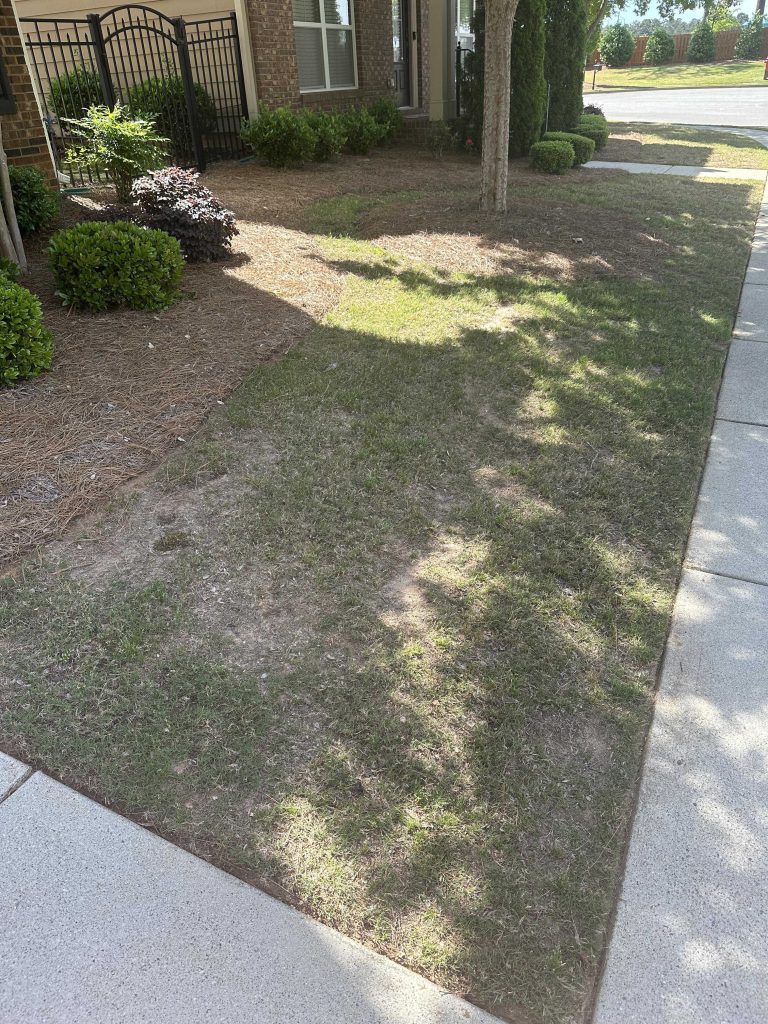
The best grass to mix with Bermuda grass is Zoysia or Fescue, as they complement Bermuda’s heat tolerance and lush appearance while improving overall turf durability. Mixing grasses can create a more resilient and visually appealing lawn that withstands different weather conditions.
A great mixture of Bermuda with other grasses like Zoysia or Fescue can enhance your lawn’s health, color, and resistance to pests and weeds. These combinations are ideal for homeowners looking to maintain a vibrant, low-maintenance yard that endures various climates. Selecting the right mix depends on your specific climate zone, soil type, and lawn usage, but a strategic blend can result in an impressive and sustainable turf.
Starting with a balanced mix of Bermuda and a cool-season grass like Fescue is perfect for transitioning seasons, especially in areas with hot summers and cooler winters. If you want a resilient, green lawn that remains attractive year-round and can handle foot traffic and drought, trying out these grass combinations might be your best bet.

Best Grass to Mix with Bermuda
Choosing the right grass mix for Bermuda grass can make a big difference in how your lawn looks and performs. A good mixture can improve shade tolerance, increase durability, and create a lush green yard. This article explores the top grasses to mix with Bermuda, offering detailed insights to help you make the best choice.
Understanding Bermuda Grass and Its Characteristics
Bermuda grass is a warm-season grass known for its durability and vibrant color. It thrives in hot climates and is often used in lawns, sports fields, and golf courses. It has a fast-growing nature and recovers quickly from damage.
However, Bermuda can struggle in shaded areas or cooler climates. It can also become thin or patchy in high-traffic zones, which is why mixing it with other grasses might help improve overall lawn health and appearance.
Why Mix Other Grasses with Bermuda?
Mixing grasses can address Bermuda’s limitations, such as shade tolerance and cold resistance. It enhances the lawn’s resilience, reduces drought stress, and creates a more visually appealing yard.
Additionally, different grasses bring unique textures and colors, enriching the aesthetic of your lawn. Mixing grasses also helps prevent weed invasion by filling in bare spots more effectively.
Top Grasses to Mix with Bermuda
Zoysia Grass
Zoysia is a warm-season grass known for its dense growth and shade tolerance. It blends well with Bermuda and creates a lush, thick lawn. It is drought resistant and requires less mowing.
Mixing Zoysia with Bermuda provides better coverage in shaded areas while maintaining warm-season vigor. Zoysia’s fine texture complements Bermuda’s coarser blades.
St. Augustine Grass
St. Augustine is another warm-season grass with excellent shade tolerance. It has a soft texture and deep green color, adding visual interest to your lawn. It is ideal for lawns with partial shade.
When mixed with Bermuda, St. Augustine helps fill in shaded patches and provides a softer feel underfoot. However, it requires more water and fertilization, so consider your maintenance routine.
Bermuda-White Fescue Blend
While White Fescue is a cool-season grass, blending it with Bermuda can create a lawn that performs well year-round in transitional climates. It tolerates shade better and stays green longer in cooler weather.
This combination is best suited for lawns that experience both warm and cooler seasons, offering a balance of durability and shade tolerance.
Factors to Consider When Choosing a Mixing Grass
Climate and Temperature
The climate dictates which grasses will thrive together. Choose warm-season grasses like Zoysia or St. Augustine for hot regions, and consider cool-season mixes for areas with milder winters.
Shade Tolerance
If your yard has shaded sections, select grasses known for shade tolerance to prevent patchy or sparse areas. Zoysia and St. Augustine are good options for shade.
Traffic and Use
High-traffic zones need grasses that recover quickly and resist wear. Bermuda’s durability is excellent, but mixing with more resilient or dense grasses can improve performance.
Water and Maintenance Needs
Some grasses require more water and fertilization. Choose a mixture that aligns with your maintenance capacity to keep your lawn healthy without overworking your schedule.
Tips for Successfully Mixing Grasses
- Start with a soil test to determine pH and nutrient levels. Amend your soil accordingly.
- Gradually introduce the mix over a growing season for better establishment.
- Maintain appropriate mowing heights for each grass type to prevent competition and damage.
- Water appropriately, ensuring even moisture coverage to promote healthy growth.
- Avoid over-fertilization, which can favor some grasses over others and cause imbalance.
Creating a Balanced Lawn: Practical Tips
Choose compatible grasses that match your climate and soil type. Mix grasses in equal parts for a balanced distribution or adjust ratios based on specific yard needs.
Use overseeding or patching techniques to introduce new grasses gradually. Regular maintenance, including aeration and overseeding, helps keep the lawn thick and healthy.
Benefits of a Well-Mixed Grass Lawn
- Enhanced shade tolerance, especially in trees or shaded corners
- Better resistance against pests and diseases
- Improved drought tolerance and water efficiency
- More vibrant and varied lawn appearance
- Increased overall durability and resilience to foot traffic
Choosing the best grass to mix with Bermuda can create a lawn that is more vibrant, resilient, and suited to your specific environmental conditions. By understanding each grass type’s characteristics and considering your yard’s needs, you can develop a mix that enhances your outdoor space for years to come. Remember to maintain proper care routines suited to your mixed grasses, ensuring they grow harmoniously and produce a healthy, beautiful lawn.
How to get a Thick Bermuda Grass Lawn
Frequently Asked Questions
What perennial grasses can complement Bermuda for year-round coverage?
Warm-season grasses like Zoysia and Centipede grass blend well with Bermuda, providing a lush, green lawn throughout different seasons. Zoysia offers dense growth and tolerates foot traffic, while Centipede requires minimal maintenance and adapts well to various soil types. Combining these grasses creates a resilient and attractive landscape that remains vibrant even when Bermuda enters dormancy.
Which cool-season grasses are suitable for mixing with Bermuda in transitional zones?
Fescue and Ryegrass serve as good companions for Bermuda in transitional zones. Fescue remains green during cooler months, ensuring continuous greenery, whereas Ryegrass quickly establishes and fills in bare spots during the transition period. These grasses adapt well alongside Bermuda, helping maintain a consistent lawn appearance year-round.
Are there specific grass types that improve drought tolerance when mixed with Bermuda?
Buffalo grass and certain cultivars of Zoysia enhance drought resistance when combined with Bermuda. Buffalo grass is native to arid regions and requires minimal watering, while Zoysia’s deep root system helps it withstand dry spells. Mixing these grasses can reduce water usage and keep your lawn healthy during dry conditions.
What factors should I consider when choosing grasses to mix with Bermuda?
Consider climate compatibility, soil type, maintenance needs, and desired lawn appearance. Select grasses that thrive in your region and match Bermuda’s growing conditions. Also, think about the level of foot traffic your lawn receives and whether you want grasses that are more drought-tolerant or low-maintenance to create a balanced, sustainable landscape.
Final Thoughts
A popular choice to mix with Bermuda grass is Zoysia, which enhances durability and offers a lush appearance. Centipede grass also pairs well, providing good shade tolerance and easy maintenance. Combining grass types can improve resilience and keep your lawn vibrant throughout the seasons.
In conclusion, the best grass to mix with Bermuda depends on your climate and lawn needs. Zoysia and Centipede are excellent options, but always choose varieties suited to your environment. Prioritize compatibility for a healthy, attractive yard.