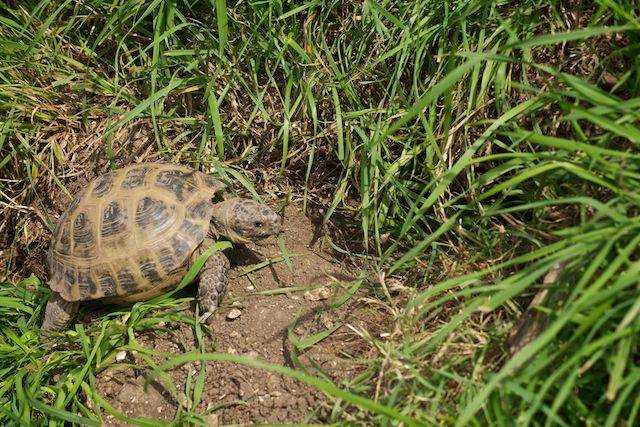
Bermuda grass can be an excellent choice for tortoise enclosures, offering a natural and nutritious habitat that mimics their wild environment. It’s hardy, easy to maintain, and provides soft, lush ground cover that tortoises love to graze on. Ensuring your tortoise’s diet includes healthy, sustainable grass like Bermuda can promote their overall well-being and natural behavior.
Bermuda grass is a popular option for tortoise owners because of its resilience and nutritional content. It’s a low-maintenance grass that thrives in warm climates and creates an ideal outdoor environment where tortoises can roam, forage, and satisfy their dietary needs. Proper care and planting of Bermuda can significantly enhance your tortoise’s living space, offering them a safe and enriching habitat.
When considering Bermuda grass for your tortoise, choose a sunny spot with well-drained soil, and avoid over-fertilizing to keep it safe for your pet. Maintaining the right balance ensures the grass stays healthy and safe for grazing. Bermuda grass not only adds aesthetic value to your tortoise’s habitat but also supports their natural foraging instinct and health through fresh, live vegetation.

Bermuda Grass for Tortoise: The Ultimate Guide to a Healthy and Happy Tortoise Diet
What Is Bermuda Grass and Why Is It Good for Tortoises?
Bermuda grass is a warm-season grass that grows densely and offers a lush green ground cover. It is known for its durability and high nutritional value, making it a popular choice for tortoise enclosures. Tortoises love to graze on Bermuda grass because it provides essential nutrients, fiber, and moisture needed for their health.
Key Nutritional Benefits of Bermuda Grass for Tortoises
Bermuda grass is rich in fiber, which aids in healthy digestion for tortoises. It contains important vitamins such as vitamin A and vitamin C that boost their immune system. The grass also offers minerals like calcium and phosphorus, crucial for strong shell and bone development. Its high water content helps keep tortoises hydrated, reducing the risk of dehydration in hot weather.
How to Plant and Maintain Bermuda Grass in Tortoise Habitats
Starting with healthy Bermuda grass seeds or sod is essential. Plant the grass in well-draining soil and ensure it receives plenty of sunlight to thrive. Regular watering keeps the grass green and lush, but avoid overwatering to prevent root rot. Mowing the grass at a height of 2 to 4 inches helps maintain a nourishing grazing area for your tortoise.
Best Practices for Growing Bermuda Grass Indoors and Outdoors
For outdoor habitats, choose a sunny spot with good soil drainage. Prepare the soil by removing weeds and adding organic compost for extra nutrients. Indoors, use large containers with a soil mixture that drains well, and place them in a sunny window or under grow lights. Maintaining temperature and humidity levels suitable for Bermuda grass will keep it healthy.
Feeding Your Tortoise Bermuda Grass: Tips and Tricks
Offer Bermuda grass as a primary source of greens alongside other leafy vegetables. Be sure to introduce new grass gradually to prevent stomach upset. Remove any weeds or pests from the grass before feeding. Providing fresh Bermuda grass daily ensures your tortoise gets a consistent supply of nutrients.
How Much Bermuda Grass Should a Tortoise Eat?
The amount depends on the size and age of your tortoise. Generally, adult tortoises can graze on Bermuda grass for several hours each day. Young tortoises may require smaller portions more frequently. Observe your tortoise’s behavior and adjust the amount accordingly to prevent overeating.
Potential Challenges and How to Overcome Them
Bermuda grass can become invasive if not managed properly. Frequent mowing prevents overgrowth and keeps the grass healthy. Pests such as chinch bugs or armyworms may appear; inspect the grass regularly and remove pests manually or with eco-friendly solutions. Keeping the grass free from mold and weeds is essential for your tortoise’s health.
Dealing with Pests and Disease
Identify pest infestations early by inspecting the grass daily. Use natural remedies like neem oil or insecticidal soap to treat pests. Remove any diseased patches of grass promptly to prevent spreading, and maintain good airflow and hygiene in the habitat.
Alternative Greens to Complement Bermuda Grass
While Bermuda grass is excellent, diversify your tortoise’s diet with other greens such as dandelion greens, collard greens, and hibiscus leaves. These provide a broader spectrum of vitamins and minerals. Combining Bermuda grass with these options ensures balanced nutrition for your tortoise.
Is Bermuda Grass Safe for All Tortoise Species?
Most tortoise species, including Hermann’s, Mediterranean, and Russian tortoises, enjoy Bermuda grass. However, some species like the sulcata may require more fiber and variety. Always research your specific tortoise species’ dietary needs before introducing Bermuda grass extensively.
When Not to Feed Bermuda Grass
Avoid Bermuda grass if it appears moldy, infested with pests, or has been treated with chemicals. Also, do not feed Bermuda grass that is overly mature or dried out, as it loses nutritional value. Always ensure the grass is fresh, healthy, and pesticide-free before offering it.
Summary: Growing and Using Bermuda Grass for Your Tortoise’s Diet
Providing Bermuda grass in your tortoise’s habitat promotes natural grazing and supports overall health. Proper planting, maintenance, and feeding practices ensure the grass remains nutritious and safe. Combining Bermuda grass with other greens creates a diverse diet that keeps your tortoise happy and thriving.
Related Topics
- Best Vegetables for Tortoise Diet
- Creating a Balanced Tortoise Enclosure
- How to Hydrate Your Tortoise Properly
- Understanding Tortoise Shell Health
Who knew Bermuda grass was a gourmet meal? 🐢🌿
Frequently Asked Questions
Is Bermuda grass a safe option for feeding tortoises?
Yes, Bermuda grass is generally safe for tortoises to eat. It provides essential nutrients and is a good source of fiber that supports healthy digestion. However, it’s important to ensure the grass is free from pesticides and chemicals before offering it to your tortoise. Regularly check for signs of mold or contamination to keep your pet safe.
How should I prepare Bermuda grass for my tortoise’s diet?
Wash the Bermuda grass thoroughly to remove dirt, pesticides, or any harmful substances. Chop the grass into manageable pieces that fit your tortoise’s size to promote easy eating and digestion. Offer fresh, clean grass regularly and remove any leftover to maintain a healthy feeding environment.
Can Bermuda grass be a primary food source for tortoises?
Bermuda grass can serve as a significant part of a tortoise’s diet but should not be the sole food. Incorporate a variety of leafy greens, vegetables, and grasses to ensure your tortoise receives a balanced mix of nutrients. This diversity helps support overall health and prevents nutritional deficiencies.
Are there any risks associated with feeding Bermuda grass to tortoises?
Feeding Bermuda grass poses minimal risks when offered in moderation and properly prepared. Overfeeding can lead to digestive issues or obesity. Avoid grasses that have been treated with pesticides, herbicides, or fertilizers, as these substances can harm your tortoise. Always monitor your pet for any adverse reactions and consult a veterinarian if you notice health concerns.
How often should I include Bermuda grass in my tortoise’s diet?
You can include Bermuda grass in your tortoise’s diet a few times a week as part of a varied diet plan. Rotate with other grasses and leafy greens to ensure your tortoise receives a broad spectrum of nutrients. Consistent variety promotes better health and prevents dietary boredom.
Final Thoughts
Bermuda grass for tortoise offers a nutritious and readily available food source. It thrives in warm climates and provides essential fiber and vitamins for your reptile. Regularly maintaining the grass ensures a healthy environment for your tortoise. Choosing the right grass enhances your pet’s wellbeing and encourages natural grazing behavior.