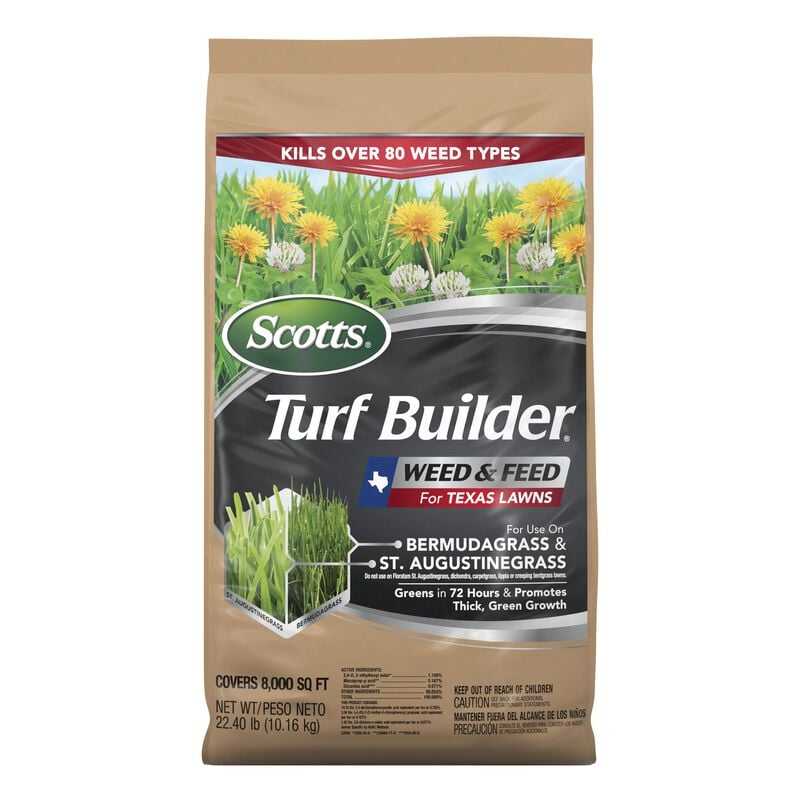
A well-timed weed and feed can transform your Bermuda and St. Augustine lawns into lush, healthy spaces without weeds or bare patches. The key is choosing the right product and applying it at the optimal time to ensure both fertilization and weed control work together effectively.
In short, for Bermuda and St. Augustine grass, use a weed and feed formulated specifically for these warm-season grasses, usually applied in late spring or early summer when the grass is actively growing. Always follow the instructions carefully to avoid damaging your lawn and to get the best results.
When it comes to maintaining a beautiful, weed-free lawn, knowing the right products and timing is essential. Bermuda and St. Augustine grasses are popular choices for southern lawns, but they require proper care to thrive. A weed and feed product designed for these grasses can streamline your lawn care routine by combining fertilization with weed control, saving you time and effort. Applying the treatment properly—typically in late spring or early summer—coincides with the peak growth period, helping your grass recover quickly while keeping weeds at bay. Understanding the specific needs of each grass type ensures your lawn stays healthy, vibrant, and inviting all season long.

Weed and Feed for Bermuda and St Augustine Grass
What Is Weed and Feed and Why Is It Important?
Weed and feed products are special fertilizers that help your lawn grow healthy grass while controlling weeds. They are designed to provide nutrients to your turf and kill unwanted plants at the same time. Using the right weed and feed can make your Bermuda and St Augustine grass look lush and green.
Applying weed and feed correctly can prevent weeds from taking over your lawn and improve the health of your grass. It saves time because you do not need to use two separate products. Choosing the right product depends on your grass type and the weeds you want to control.
Understanding Bermuda and St Augustine Grass
Characteristics of Bermuda Grass
- Bermuda grass is a warm-season grass that thrives in hot climates.
- It grows quickly and spreads by rhizomes and stolons.
- Bermuda is known for its durability and ability to recover from heavy use.
- This grass prefers full sunlight and well-drained soil.
Features of St Augustine Grass
- St Augustine grass is also a warm-season grass but prefers slightly shaded areas.
- It has broad, flat blades and a dense growth habit.
- St Augustine is tolerant of salt and some shade but requires consistent watering.
- This grass type is popular in coastal regions and warm climates.
Understanding these differences helps in selecting the correct weed and feed products, as some formulas are tailored specifically for each grass type.
Choosing the Right Weed and Feed for Your Lawn
Factors to Consider
- Identify the weeds attacking your lawn – common weeds include crabgrass, dandelions, and clover.
- Check your grass type – Bermuda or St Augustine.
- Assess your lawn’s health – is it stressed or healthy?
- Look for products specifically labeled for Bermuda or St Augustine grass.
Understanding Product Labels
Look for labels that specify the grass type and weed control features. Many fertilizers include pre-emergent herbicides for weeds like crabgrass or post-emergent for broadleaf weeds. Choose a product that suits your lawn’s needs and follow the label instructions carefully.
How to Apply Weed and Feed Correctly
Timing Is Key
The best time to apply weed and feed depends on the grass type and weed activity. For Bermuda grass, early spring or late summer applications work well. St Augustine benefits from applications during late spring or early summer.
Preparation Before Application
- Mow your lawn to a recommended height to ensure even coverage.
- Water your lawn a day before applying to soften the soil.
- Choose a day with no rain forecast for at least 24 hours after application.
Application Tips
- Use a broadcast or drop spreader for even coverage.
- Follow the manufacturer’s instructions for amount and frequency.
- Avoid applying during high heat times to prevent stressing the grass.
- Water your lawn gently after application if recommended on the label.
Common Weeds That Weed and Feed Can Control
Some weeds are more common than others, and different products target specific types. Here are a few examples:
| Weed Type | Control Method |
|---|---|
| Clover | Post-emergent herbicides in weed and feed formulas |
| Crabgrass | Pre-emergent herbicides included in some fertilizer blends |
| Dandelions | Broadleaf weed control in weed and feed products |
| Chickweed | Post-emergent herbicides in selectively formulated products |
Always verify that the weed control ingredients are compatible with Bermuda or St Augustine grass to avoid damaging your lawn.
Benefits of Using Weed and Feed on Bermuda and St Augustine Grass
- Promotes even grass growth and thickens the turf.
- Reduces the presence of unsightly weeds.
- Supports lawn resilience against pests and diseases.
- Lessens the need for separate fertilizing and weed control products.
Proper use enhances the overall appearance and health of your lawn, making it more resistant to environmental stressors.
Common Mistakes and How to Avoid Them
Applying at the Wrong Time
Applying weed and feed when weeds are not actively growing reduces effectiveness. Always check seasonal recommendations.
Over-application
Using too much product can damage grass roots and lead to runoff pollution. Follow the label instructions precisely.
Ignoring Lawn Conditions
A stressed or droughted lawn may not respond well to weed and feed. Ensure your lawn is healthy before application.
Skipping Watering
Watering after application helps activate ingredients and ensures even distribution. Verify if your product recommends watering.
Maintaining a Healthy Lawn Post-Application
After applying weed and feed, consistent lawn care is vital. Mow regularly and keep your grass at optimum height. Water deeply but infrequently to encourage deep root growth. Aerating your lawn helps improve soil drainage and nutrient absorption. Regular overseeding can fill in thin areas and maintain density.
Remember to monitor your lawn for any signs of stress or weed resurgence. Adjust your lawn care routine accordingly to sustain a lush, weed-free yard.
Related Topics
- Best mowing practices for Bermuda and St Augustine grass
- Seasonal lawn care tips for warm-season grasses
- How to control pests in Bermuda and St Augustine lawns
- Soil testing and fertilization schedules
- Watering techniques to promote healthy growth
Choosing the correct weed and feed product and applying it properly can significantly improve your Bermuda and St Augustine lawns. Regular maintenance combined with timely treatments helps keep your yard looking its best throughout the year. Take the time to understand your grass’s needs, select suitable products, and follow recommended practices for a thriving, beautiful lawn.
The SECRET To Green St. Augustine Grass
Frequently Asked Questions
How often should I apply weed and feed to Bermuda or St. Augustine grass?
Apply weed and feed products once every 6 to 8 weeks during the active growing season. Follow the specific instructions on the product label, as application frequency can vary depending on the formulation and grass condition. Proper timing helps control weeds effectively while promoting healthy grass growth.
Can I use weed and feed products during the fall season on Bermuda and St. Augustine lawns?
It’s generally best to avoid using weed and feed in late fall for Bermuda and St. Augustine grasses, as they enter dormancy and growth slows down. Applying in early fall can be beneficial to prepare your lawn for winter, but always check the product recommendations to ensure safe and effective use during seasonal transitions.
What are the key factors to consider when choosing a weed and feed for these grasses?
Select a product formulated for warm-season grasses like Bermuda and St. Augustine. Look for options that target common weeds without damaging the grass. Additionally, consider the nutrient content to address specific deficiencies, and choose a product suitable for your geographic location and lawn conditions.
Are there any precautions I should take when applying weed and feed to my lawn?
Always follow the manufacturer’s instructions regarding application rates and timing. Avoid applying on windy days to prevent drift onto unintended plants or areas. Water your lawn as recommended before applying, and keep pets and children away until the product has dried completely to ensure safety.
Can I overseed my Bermuda or St. Augustine grass after applying weed and feed?
Overseeding is typically not recommended immediately after applying weed and feed, as the herbicides may harm new seeds. Wait at least two to three weeks after application to allow herbicides to dissipate and ensure the soil conditions are suitable for overseeding. Consult the product label for specific recommendations regarding overseeding intervals.
Final Thoughts
Using a weed and feed for bermuda and st augustine grass helps control weeds while nourishing the lawn. Regular application promotes healthy growth and keeps weeds at bay. Proper timing ensures the best results and a lush, green yard. Consistent care improves overall lawn health and appearance.