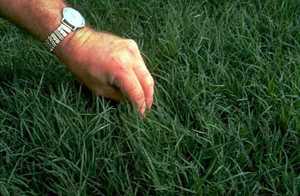
Bermuda grass is an excellent choice for goats, providing a nutritious, lush grazing option that keeps them healthy and satisfied. It’s easy to grow, adapts well to various climates, and offers a sustainable source of feed for your goats if managed properly.
In short, Bermuda grass is a superb pasture option for goats due to its high nutritional value and resilience. It supplies essential nutrients, promotes good health, and can be maintained with proper grazing management to ensure continuous feed availability.
If you’re considering incorporating Bermuda grass into your goat farm, you’ll be pleased to discover that it’s a hardy, drought-tolerant grass that can thrive in warm climates. Its dense, soft, and palatable foliage makes it a favorite among goats, providing both nutrition and entertainment. Proper grazing rotation and regular maintenance will maximize its benefits, ensuring your goats stay healthy and your pasture remains productive. With the right approach, Bermuda grass can become the backbone of a sustainable, healthy feeding routine for your goats, supporting their growth and overall well-being seamlessly.

Bermuda Grass for Goats: A Complete Guide to Proper Use and Benefits
Why Bermuda Grass is Popular for Goat Pasture
Bermuda grass is a warm-season grass that thrives in many regions, making it a top choice for goat owners. Its dense growth provides excellent coverage, offering goats a comfortable grazing option. Additionally, Bermuda grass tolerates drought conditions well, reducing the need for frequent watering.
Nutrition Benefits of Bermuda Grass for Goats
This grass is rich in fiber, which supports healthy digestion in goats. It also offers essential nutrients like proteins, vitamins, and minerals that promote growth and overall health. Regular grazing on Bermuda grass helps maintain proper weight and supports high milk production in dairy goats.
Growth Characteristics and Suitability
Bermuda grass spreads through stolons and rhizomes, creating a thick mat that resists weed invasion. It grows best in well-drained soils and full sunlight, making it suitable for many pasture settings. Since it is a perennial grass, it provides reliable grazing throughout the warm months.
Managing Bermuda Grass for Optimal Goat Grazing
Proper management is key to ensuring Bermuda grass remains nutritious and safe for goats. Regular mowing helps maintain the ideal height, usually around 3 to 4 inches, which prevents overgrowth and encourages new growth. Rotating grazing areas prevents overgrazing and promotes healthy regrowth.
Grazing Schedule and Rotation
Implementing a grazing rotation allows pasture recovery time for Bermuda grass. Moving goats to new areas after they have grazed for a few days prevents overuse. This practice maintains the quality of the grass and reduces the risk of parasite buildup.
Fertilization and Soil Health
Applying balanced fertilizers with nitrogen, phosphorus, and potassium supports lush grass growth. Conducting soil tests ensures proper nutrient levels and prevents over-fertilization, which could harm goats or lead to grass diseases. Maintaining good soil health encourages vigorous Bermuda grass growth.
Potential Challenges and Solutions
Despite its advantages, Bermuda grass can face issues like invasive growth or poor winter survival in colder climates. Proper management and regional adaptation can help mitigate these challenges.
Invasive Growth Control
Bermuda grass can spread rapidly beyond designated areas. Using barriers or overseeding with less aggressive grasses can help contain its spread. Regular mowing and overseeding also maintain control.
Winter Dormancy and Cold Climate Considerations
In colder regions, Bermuda grass enters dormancy during winter, reducing forage availability. To compensate, supplement grazing with stored hay or other forage sources during these months. Selecting cold-tolerant varieties can also extend its growing season.
Combining Bermuda Grass with Other Forage Options
While Bermuda grass provides a nutritious basis, diversifying goat diets enhances health and productivity. Combining it with legumes such as clover or alfalfa adds protein and other nutrients.
Benefits of Mixed Pastures
Mixed pastures support a more balanced diet, prevent nutritional deficiencies, and reduce the risk of parasite infestation. They also improve soil fertility through natural nitrogen fixation from legumes.
Designing a Well-Rounded Grazing System
Plan pasture layouts to include Bermuda grass and legumes, rotating goats accordingly. This system ensures goats access to a variety of forages, making their diet more complete and healthy.
Safety Considerations When Grazing Bermuda Grass
Although Bermuda grass is safe for goats when managed properly, some risks exist.
Monitoring for Toxicity and Overgrazing
Excessive grazing on Bermuda grass can lead to nutritional deficiencies or digestive issues. Always monitor goat health and adjust grazing times as needed.
Preventing Parasite Build-up
Grazing on pasture contaminated with parasites can affect goat health. Implement rotational grazing and keep pastures clean to limit parasite exposure.
Economic Benefits of Using Bermuda Grass for Goats
Using Bermuda grass lowers feed costs significantly by providing a natural grazing option. It reduces reliance on purchased hay and concentrates, making goat farming more profitable.
Cost-Effective Pasture Management
Establishing Bermuda grass requires an initial investment, but it becomes a sustainable, low-cost forage source afterward. Regular maintenance keeps fencing and pasture systems functional at minimal expense.
Increased Milk and Meat Production
Goats grazing on nutrient-rich Bermuda grass tend to produce more milk and healthier meat. This improves farm profitability and meets market demand efficiently.
Environmental Impact and Sustainability
Bermuda grass is environmentally friendly, especially when managed sustainably.
Soil Erosion Prevention
Its strong root system stabilizes soil, preventing erosion on hilly or bare areas. Maintaining Bermuda grass cover also enhances soil fertility over time.
Water Conservation
Bermuda grass’s drought tolerance reduces water use, supporting sustainable farming practices. Proper irrigation techniques further conserve water resources.
Incorporating Bermuda grass into goat farming offers numerous advantages, from supplying nutritious forage to supporting sustainable land use. Proper management, rotation, and supplementation ensure goats stay healthy and productive. With its adaptability and resilience, Bermuda grass remains a practical choice for goats owners aiming for a thriving, cost-effective operation.
Will Goats Eat Bermuda Grass?
Frequently Asked Questions
Is Bermuda grass safe for goats to graze on regularly?
Yes, Bermuda grass is generally safe for goats to graze on regularly. It provides essential nutrients and is highly palatable for goats. However, it is important to ensure the grass is free from pesticides or other harmful chemicals. Moderation is key, as overconsumption of any single forage can lead to digestive issues. Rotating pasture and supplementing with other forage types help maintain a balanced diet for your goats.
How does Bermuda grass impact the overall health of goats?
Bermuda grass supports goat health by offering a good source of fiber, vitamins, and minerals, which contribute to proper digestion and immune function. Its high palatability encourages goats to eat enough forage, reducing the likelihood of nutritional deficiencies. Proper grazing management on Bermuda grass can lead to healthier, more active goats with improved coat quality and energy levels.
What precautions should I take when introducing Bermuda grass to my goats’ diet?
When introducing Bermuda grass, start with small quantities to observe how your goats respond. Check for any signs of digestive upset, such as diarrhea or bloating. Make sure the grass is mature and free from mold, pests, or chemical treatments. Combining Bermuda grass with other forage types ensures a well-rounded diet and minimizes the risk of nutritional imbalances or health issues.
Can grazing on Bermuda grass lead to gastrointestinal problems in goats?
Grazing on Bermuda grass does not typically cause gastrointestinal problems if managed properly. However, excessive consumption, especially if the grass is mature or overly fibrous, can lead to bloat or impaction. Providing a balanced diet, avoiding overgrazing, and ensuring fresh, young Bermuda grass are key precautions to prevent such issues.
How should I manage Bermuda grass pastures to maximize benefits for my goats?
To maximize the benefits, rotate goats between pasture sections to prevent overgrazing and promote healthy regrowth. Maintain appropriate pasture height—generally 2-4 inches—to optimize nutritional value and prevent the grass from becoming overly mature. Regularly monitor pasture health, remove weeds or toxic plants, and provide supplemental nutrients if needed to ensure your goats receive a balanced diet.
Final Thoughts
Bermuda grass for goats offers a nutritious and sustainable grazing option. It provides essential nutrients and is easy to maintain. Proper management ensures healthy growth and quality feed. Incorporating bermuda grass into a goat’s diet supports overall health and productivity.