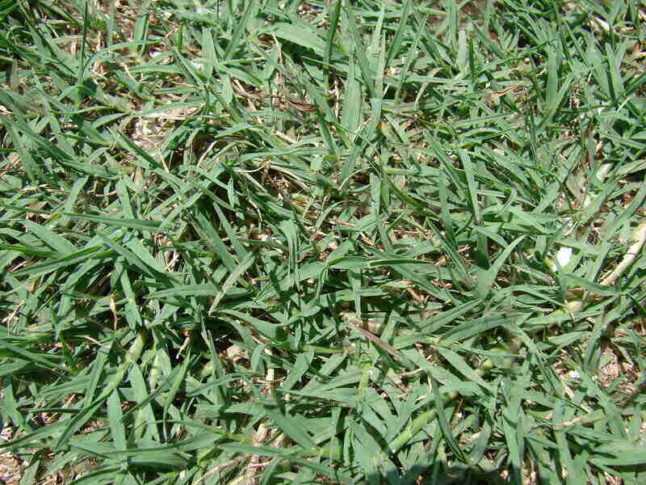
The best time to seed Bermuda grass in Arizona is during late spring to early summer, typically between late April and early June, when soil temperatures are consistently warm. For a lush, green lawn, it’s crucial to plant when the weather is favorable and the soil is warm enough to promote strong germination.
Seeding Bermuda grass in Arizona is ideal during late spring or early summer when soil temperatures reach around 65-70°F. Planting during this window ensures quick germination and healthy growth, helping your lawn thrive amid the hot, dry climate.
Planting Bermuda grass in Arizona hinges on warm soil temperatures and avoiding the extreme heat of midsummer or the cooler early spring months. Starting in late April or early May allows the grass to establish before the height of summer, giving your lawn the best chance to flourish. The ideal seeding time aligns with the warmest part of late spring, ensuring the grass develops a deep root system and remains resilient through Arizona’s intense summers. Planning your seeding during this period, combined with proper watering and maintenance, will lead to a vibrant, durable lawn that can withstand the desert heat.

When to Seed Bermuda Grass in Arizona
Knowing the right time to plant Bermuda grass in Arizona is essential for a healthy, lush lawn. The climate and weather patterns in Arizona influence the best seeding period, ensuring your grass grows strong. Proper timing helps maximize germination rates and weed prevention.
Understanding Arizona’s Climate and Its Impact on Bermuda Grass Seeding
Arizona is known for its hot, dry climate with high temperatures during summer and mild winters. These conditions affect when Bermuda grass can be seeded successfully. Recognizing the temperature ranges and rainfall patterns helps determine the optimal planting window.
Bermuda grass thrives in warm weather and needs soil temperatures above 65°F for germination. Early planting before soil temperatures reach this level can lead to poor germination or seed failure.
Arizona’s Seasonal Temperatures and Their Effects
In the low desert regions, temperatures rise quickly in late spring and stay warm through fall. The high desert areas have more variable temperatures, with colder winters. Understanding these differences is crucial for timing your seeding efforts.
Spring offers the warm soil temperatures necessary for Bermuda germination, typically around March to May in most parts. Summer seeding can work but carries risks of extreme heat and drought stress.
Fall seeding is also possible but must be done early enough so that the grass establishes before winter cold sets in. Local weather patterns influence these choices and should always be considered.
Best Time to Seed Bermuda Grass in Arizona
The ideal period for seeding Bermuda grass in Arizona is during late spring to early summer, typically from March to June. During this window, soil temperatures are warm enough, and there is usually adequate rainfall or irrigation to support germination.
Seeding in late spring ensures the grass can become established before the intense summer heat begins. However, early fall from September to October can also be effective if planting is done before soil temperatures fall below 65°F.
Why Spring Is the Preferred Time
- Soil temperatures are consistently above 65°F, promoting germination.
- Longer daylight hours encourage healthy growth.
- Rainfall patterns in spring provide natural moisture for seedlings.
Spring seeding allows for an extended growing season, giving your Bermuda grass ample time to establish strong roots before harsher summer conditions.
Fall Seeding Considerations
- Seed in early fall to avoid winter cold damage.
- Ensure soil temperatures stay above 65°F for at least four weeks.
- Water regularly to promote healthy root development before cold weather slows growth.
Fall planting can work well if you follow these guidelines, especially in regions with milder winters like the southern parts of Arizona.
Factors That Affect Seeding Timing in Arizona
Several factors influence the best time to seed Bermuda grass in Arizona beyond just seasonal temperature.
Soil Temperature
Monitoring soil temperature is crucial. Use a soil thermometer to check it regularly, especially in early spring and late fall. The ideal range for Bermuda seed germination is above 65°F.
If the soil is too cold, seeds won’t germinate well, leading to patchy or failed lawns. Warming the soil through scheduling seeding during warmer months is often necessary.
Rainfall and Irrigation
Arizona’s dry climate means supplemental watering is often necessary. Consistent moisture during the first few weeks after seeding promotes successful germination and growth.
Plan to seed during a period with the forecast for some rain or when you can reliably irrigate your lawn daily or every other day.
Summer Heat Considerations
Seeding during peak summer heat in Arizona can be challenging. Temperatures often soar above 100°F, leading to seed desiccation or poor germination.
If planting in summer, do so early in the morning or late in the evening and ensure frequent watering to keep soil moist.
Preparing Your Lawn for Seeding in Arizona
Preparing your soil properly enhances the chances of successful Bermuda grass seeding. Begin by removing weeds, debris, and old grass.
Loosen the soil with a rake or tiller, and consider adding soil amendments like compost or sand to improve drainage and nutrients.
Level the soil surface to ensure uniform seed distribution and avoid pooling of water during irrigation.
Best Practices for Seeding Bermuda Grass
- Use high-quality Bermuda grass seed suitable for Arizona’s climate.
- Apply seed evenly according to the recommended seeding rate.
- Lightly rake the seeds into the soil to improve contact and germination.
- Water immediately after seeding to keep the soil moist but not waterlogged.
- Maintain consistent moisture during germination, usually for at least four weeks.
Additional Tips for Successful Bermuda Grass Seeding in Arizona
Timing is only part of the equation. Proper ongoing care ensures your lawn develops into a healthy, lush environment.
Irrigation and Watering
During germination, keep the soil consistently moist with light, frequent watering. Once established, reduce watering frequency, but increase depth to promote deep roots.
Water early in the morning to minimize evaporation and fungal problems.
Fertilization Strategies
Applying a balanced fertilizer after seeding promotes strong growth. Use a fertilizer high in nitrogen for optimal leaf development.
Follow a regular fertilization schedule, especially during the growing season, to maintain lawn health.
Lawn Maintenance and Weed Control
Keep the area free of weeds, which compete with Bermuda grass for nutrients and water. Use safe herbicides compatible with new grass growth.
Regular mowing once the grass reaches the recommended height (about 1.5 to 2 inches) encourages dense, healthy turf.
Dealing with Challenges in Arizona
- Address drought stress by integrating efficient irrigation systems.
- Prevent disease by avoiding overwatering and ensuring proper drainage.
- Maintain soil health through periodic aeration and organic amendments.
Summary of Key Points
- The best time to seed Bermuda grass in Arizona is from March to June, with fall planting also possible from September to October.
- Monitoring soil temperature is critical; wait until it exceeds 65°F for successful germination.
- Consistent watering and soil preparation increase the chances of a lush, healthy lawn.
- Timing should consider local climate, rainfall, and temperature patterns for optimal results.
By understanding these seasonal and environmental factors, you can plan your Bermuda grass seeding project at the right time. With proper preparation and care, your Arizona lawn will be green and inviting just in time for the warmer months.
When to Plant Bermuda Grass Seed in Phoenix
Frequently Asked Questions
What is the best time in spring to start seeding Bermuda grass in Arizona?
The optimal time to seed Bermuda grass in Arizona during spring is usually from late March to early April, once soil temperatures consistently reach around 65-70°F. Planting during this period allows the grass to establish before the hot summer months, ensuring healthy growth and root development.
Can I plant Bermuda grass in the summer in Arizona?
While it’s possible to seed Bermuda grass in early summer, it’s generally not recommended due to the extreme heat and dry conditions. If you choose to plant during summer, ensure you keep the soil moist and provide adequate irrigation to help the grass establish without stress from the high temperatures.
How does the fall season affect the timing for seeding Bermuda grass in Arizona?
Seeding in fall can be effective, particularly in late September or early October, when soil temperatures are still warm but the risk of extreme heat diminishes. This timing allows the grass to develop a strong root system before winter and be ready to thrive come spring.
What soil conditions are ideal for seeding Bermuda grass in Arizona?
Ideal soil conditions include well-draining soil with a pH between 5.5 and 7.0. Before planting, loosen the soil and incorporate organic matter if necessary to promote healthy germination and growth. Proper preparation helps the grass establish quickly and reduces the risk of disease.
How does the regional climate influence the seeding schedule for Bermuda grass in different parts of Arizona?
The climate varies across Arizona, with warmer southern regions allowing for earlier planting, while higher elevations in the north may require delayed seeding. Consider local temperature patterns and rainfall before scheduling planting to ensure the grass has enough time to establish before the onset of extreme weather conditions.
Final Thoughts
Seeding Bermuda grass in Arizona requires precise timing for best results. The ideal period is late spring to early summer when soil temperatures warm up to 65-70°F. This ensures quick germination and strong establishment.
Avoid planting during the hot summer months or cooler winter seasons, as these can hinder growth. Planning your seeding schedule around these conditions will promote a healthy, lush lawn.
When to seed Bermuda grass in Arizona depends on soil and air temperatures, making spring the optimal choice. Proper timing will lead to a thriving, resilient turf.