
Tired of a lackluster lawn? Jamur Zoysia grass offers exceptional beauty and resilience, making it a top choice for homeowners. Enjoy its dense growth, drought tolerance, and weed resistance for a stunning, low-maintenance yard.
Are you dreaming of a lawn that’s not just green, but a vibrant, lush carpet that’s the envy of your neighborhood? Do you envision a yard that can withstand the summer heat, resist pesky weeds, and still look amazing with minimal fuss? If your answer is a resounding “yes!”, then it’s time you learned about Jamur Zoysia grass. This incredible grass variety is quickly becoming a favorite among homeowners for its outstanding beauty and remarkable toughness. Forget the constant battle against drought, weeds, and bare patches. Jamur Zoysia is here to transform your lawn care routine and deliver the picturesque outdoor space you’ve always wanted.
Choosing the right grass is a foundational step in creating a beautiful and functional yard. While there are many options out there, Jamur Zoysia stands out for a compelling combination of aesthetic appeal and practical advantages. It’s a grass that works hard so you don’t have to, offering a truly rewarding lawn experience. Let’s dive into why Jamur Zoysia might be the perfect grass for your home.
Key Takeaways
- Exceptional Density and Texture: Jamur Zoysia boasts a fine-bladed texture and dense growth habit, creating a luxurious, carpet-like appearance.
- Drought Tolerance: This grass variety is highly resistant to dry conditions, significantly reducing the need for frequent watering.
- Shade Tolerance: Unlike many warm-season grasses, Jamur Zoysia can thrive in areas with partial shade.
- Excellent Weed Resistance: Its dense thatch layer makes it difficult for weeds to establish and grow, resulting in a cleaner lawn.
- Disease and Pest Resilience: Jamur Zoysia grass is naturally more resistant to common lawn diseases and pests.
- Low Maintenance Needs: Once established, Jamur Zoysia requires less frequent mowing and fertilization compared to other grass types.
- Aesthetic Appeal: The rich green color and uniform growth contribute to a beautiful, high-value landscape.
Quick Answers to Common Questions
What is the main advantage of Jamur Zoysia grass?
The main advantage of Jamur Zoysia grass is its exceptional resilience, combining drought tolerance, weed resistance, and disease resistance for a beautiful, low-maintenance lawn.
Is Jamur Zoysia grass suitable for shady areas?
Yes, Jamur Zoysia grass has better shade tolerance than many other warm-season grasses, performing well in areas with at least 4-6 hours of sunlight per day.
How often does Jamur Zoysia grass need to be mowed?
Due to its slow growth rate, Jamur Zoysia grass requires less frequent mowing, often only once every 1-2 weeks during the peak growing season.
When is the best time to plant Jamur Zoysia?
The best time to establish Jamur Zoysia from sod or plugs is in late spring or early summer, allowing it ample time to establish roots before cooler weather.
Does Jamur Zoysia grass go dormant in the winter?
Yes, as a warm-season grass, Jamur Zoysia grass will go dormant and turn brown during colder months, but it will typically recover and green up again in the spring.
📑 Table of Contents
What Exactly is Jamur Zoysia Grass?
Jamur Zoysia is a specific cultivar of Zoysia grass, a type of warm-season grass known for its dense growth and durability. Zoysia grasses are native to coastal and southeastern Asia and the Philippines, and they have been cultivated for their lawn-forming qualities for centuries. Jamur Zoysia, in particular, has been bred and selected for enhanced performance in various conditions. It spreads via both above-ground (stolons) and below-ground (rhizomes) runners, which is how it forms that characteristic thick, tough turf. This spreading habit is key to its ability to fill in bare spots and create a dense, weed-resistant lawn.
The Zoysia Family Tree
To understand Jamur Zoysia, it helps to know a little about its family. Zoysia grasses are known for their fine texture and slow-growing nature, but they are incredibly tough. Other popular Zoysia varieties include Meyer Zoysia and Zeon Zoysia. Each has its own unique characteristics, but they generally share the common traits of excellent drought tolerance and a tendency to produce a dense, attractive turf. Jamur Zoysia aims to combine the best of these traits, often offering improved color, density, and disease resistance. Knowing how to tell the difference between Zoysia and Bermuda grass can be helpful when comparing different turf options.
Key Characteristics of Jamur Zoysia
Jamur Zoysia is characterized by its medium to fine leaf texture, which contributes to its soft feel underfoot and its luxurious appearance. Its color is a rich, vibrant green during the growing season. It’s a slow-growing grass, which means less frequent mowing, but it spreads aggressively to form a dense mat. This density is its superpower, crowding out weeds and creating a resilient lawn surface.
The Unbeatable Benefits of Jamur Zoysia Grass
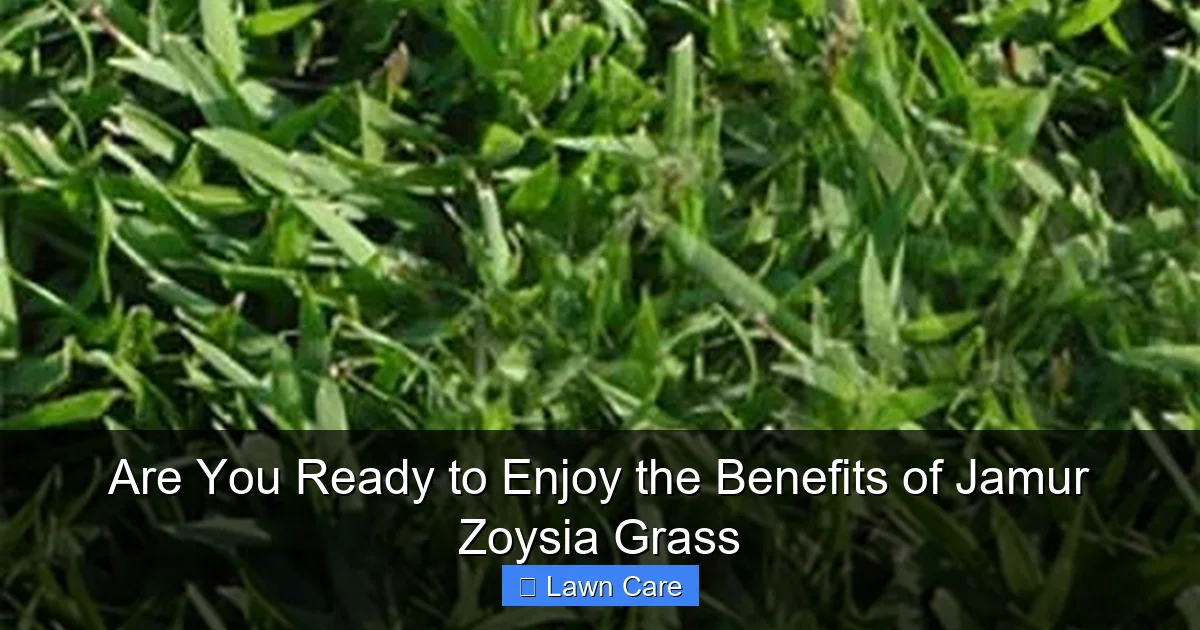
Visual guide about Are You Ready to Enjoy the Benefits of Jamur Zoysia Grass
Image source: sksod.com
So, why choose Jamur Zoysia? The benefits are numerous and significant, addressing many common lawn care frustrations. Let’s break down what makes this grass a winner.
1. Superior Drought Tolerance
One of the most significant advantages of Jamur Zoysia grass is its exceptional drought tolerance. Zoysia grasses have deep root systems that allow them to access moisture deep in the soil, even when the surface is dry. This means your Jamur Zoysia lawn will likely stay greener for longer during hot, dry spells, reducing your reliance on supplemental watering. This is a huge plus for homeowners in drier climates or those looking to conserve water.
Watering Wisely
Even though it’s drought-tolerant, proper watering is still crucial, especially during establishment. The best approach is to water deeply and infrequently. Aim to water early in the morning, which is often considered the best time of day to water grass, to minimize evaporation and allow the grass to absorb moisture before the heat of the day. Once established, you can significantly reduce watering frequency.
2. Remarkable Weed Resistance
The dense, mat-forming growth habit of Jamur Zoysia is a natural weed deterrent. As it spreads, it leaves very little room for weeds to germinate and establish themselves. This significantly reduces the need for herbicides and the constant battle to pull weeds by hand. A healthy, dense Jamur Zoysia lawn is your first line of defense against unwanted invaders.
Keeping the Edges Tidy
While Jamur Zoysia is great at suppressing weeds within its own territory, it can be quite vigorous in its spread. It’s important to manage its growth around garden beds and walkways. Knowing how to keep Zoysia grass out of flower beds is essential for maintaining clean garden lines.
3. Excellent Shade Tolerance
Many warm-season grasses struggle in shaded areas, but Jamur Zoysia exhibits better shade tolerance than most. While it will perform best in full sun, it can still maintain a healthy appearance and density in areas that receive at least 4-6 hours of sunlight per day. This makes it a versatile option for yards with mature trees or areas that don’t get direct sun all day.
Maximizing Shade Performance
In partially shaded areas, ensure you maintain good air circulation and don’t allow debris to accumulate. Pruning lower branches of trees can also help increase sunlight penetration. Remember that even shade-tolerant grasses need some sunlight to thrive.
4. Disease and Pest Resilience
Jamur Zoysia grass is known for its natural resistance to many common lawn diseases and pests. This inherent hardiness means you’ll likely encounter fewer fungal issues, insect infestations, and other problems that can plague less robust grass types. This translates to less need for chemical treatments and a healthier lawn overall.
Proactive Lawn Health
While resilient, no grass is completely immune. Regularly inspecting your lawn and addressing any minor issues promptly can prevent them from becoming major problems. Understanding what are the most common lawn pests and how to get rid of them can still be beneficial, even with a resilient grass type.
5. Low Maintenance Requirements
If you’re looking for a lawn that’s beautiful but not demanding, Jamur Zoysia is an excellent choice. Its slow growth rate means less frequent mowing. It also generally requires less fertilization than other grass types. Once established, it’s a true set-it-and-forget-it kind of grass for many homeowners. This aligns with the idea that consistent lawn maintenance is key, but with Jamur Zoysia, that maintenance is significantly reduced.
Mowing and Fertilizing Tips
Mow Jamur Zoysia at a height of 1 to 2 inches. You’ll find you need to mow less often than with other grasses, perhaps every 1-2 weeks during the peak growing season. Fertilize sparingly, typically in late spring or early summer, with a nitrogen-rich fertilizer. Avoid over-fertilizing, as it can lead to thatch buildup and other issues.
6. Aesthetic Appeal and Durability
Beyond its practical benefits, Jamur Zoysia grass simply looks fantastic. Its dense, uniform growth creates a visually appealing, carpet-like turf. It’s also incredibly durable, able to withstand heavy foot traffic, making it ideal for family yards, play areas, and backyards with pets. This toughness, combined with its visual appeal, significantly enhances your home’s curb appeal and property value.
The Value of a Healthy Lawn
A well-maintained lawn contributes significantly to the overall aesthetic of your home. It provides a beautiful, functional outdoor space for recreation and relaxation. The lush, green appearance of a Jamur Zoysia lawn is something to be proud of.
Establishing Your Jamur Zoysia Lawn
Getting Jamur Zoysia established requires a bit of upfront effort, but the long-term rewards are well worth it. Jamur Zoysia is typically established from sod or plugs, as it can be slow to establish from seed.
Sod vs. Plugs
* Sod: Laying sod provides an instant lawn. It involves placing pre-grown turfgrass sections over a prepared soil bed. This is the quickest way to get a mature-looking lawn but is generally more expensive.
* Plugs: Plugs are small pieces of turfgrass, usually about 2-4 inches square, planted at intervals. This method is more economical but takes longer to fill in, typically 1-2 growing seasons.
Preparation is Key
Before laying sod or planting plugs, proper soil preparation is crucial. This involves removing any existing vegetation, tilling the soil to a depth of 4-6 inches, and amending it with compost or other organic matter to improve drainage and fertility. Choosing the right soil for new grass seed, or in this case, for sod or plugs, is a vital step for successful establishment. Ensure good soil contact and water thoroughly after installation.
Caring for Your Established Jamur Zoysia Lawn
Once your Jamur Zoysia lawn is established, the maintenance becomes much simpler. The key is to provide consistent, albeit minimal, care to keep it looking its best.
Mowing Practices
As mentioned, mowing frequency is low. Use a sharp mower blade to get a clean cut. You can let the clippings fall back onto the lawn, as mulching grass clippings returns valuable nutrients to the soil and helps retain moisture. This is a practice that offers significant benefits for overall lawn health.
Watering Needs
Water deeply but infrequently. Zoysia grass can go dormant during extended dry periods, turning brown, but it will typically green up again once rain returns. Avoid watering late in the evening to reduce the risk of fungal diseases.
Fertilization Strategy
Fertilize in late spring or early summer when the grass is actively growing. A slow-release, nitrogen-based fertilizer is usually sufficient. Avoid excessive fertilization, which can lead to thatch buildup. Consider organic lawn fertilizers for a more sustainable approach.
Aeration and Dethatching
Jamur Zoysia does produce thatch, a layer of dead and living organic matter between the grass blades and the soil. While some thatch is beneficial, excessive thatch can impede water and nutrient penetration. If thatch buildup becomes an issue (more than 0.5 inches), consider dethatching your lawn. Aeration, which involves creating small holes in the soil, can also help improve air, water, and nutrient movement to the root zone. For Zoysia, aeration is generally recommended during its active growing season in late spring or summer. While specific Zoysia recommendations differ from other grasses, understanding the benefits of lawn aeration is universally important for soil health.
When Does Jamur Zoysia Grow Best?
Jamur Zoysia is a warm-season grass. This means it thrives in warmer temperatures and during the summer months. It enters dormancy and turns brown when temperatures drop below freezing.
The Growing Season
Its active growing season typically runs from late spring through early fall in most temperate climates. It’s during this period that it exhibits its best growth, density, and color. Planting sod or plugs is best done in late spring or early summer to allow it ample time to establish before cooler weather arrives.
Dealing with Dormancy
Don’t be alarmed if your Jamur Zoysia lawn turns brown in the winter. This is normal for warm-season grasses. It’s simply dormant. Once temperatures rise in the spring, it will typically green up again, often more vigorously than before.
Jamur Zoysia vs. Other Grass Types
Comparing Jamur Zoysia to other popular grasses can highlight its unique advantages.
vs. Bermuda Grass
Bermuda grass is another popular warm-season grass known for its fast growth and traffic tolerance. However, Jamur Zoysia often provides a finer texture and better shade tolerance. Bermuda also tends to grow faster, requiring more frequent mowing.
vs. St. Augustine Grass
St. Augustine grass is also a warm-season grass that tolerates shade and salt spray well. However, it is generally less cold-hardy than Zoysia and can be more susceptible to chinch bugs and fungal diseases. You might find that St. Augustine grass has its own set of disadvantages that Jamur Zoysia avoids.
vs. Cool-Season Grasses (e.g., Fescue, Ryegrass)
Cool-season grasses grow best in cooler temperatures and can turn brown or go dormant in the intense heat of summer. Jamur Zoysia, on the other hand, thrives in the heat and can maintain its green color and density throughout the summer. This makes it a superior choice for hot climates.
Is Jamur Zoysia Grass Right for You?
If you’re seeking a low-maintenance, aesthetically pleasing, and incredibly resilient lawn, Jamur Zoysia grass is a fantastic option. It’s perfect for homeowners who want a beautiful yard without constant upkeep, those living in areas prone to drought, or anyone who desires a dense, weed-free turf. While it requires proper establishment, its long-term benefits in terms of reduced watering, mowing, and pest/weed control are substantial.
Making the Decision
Consider your climate, sun exposure, and desired level of maintenance. If Jamur Zoysia aligns with your needs, you’ll be well on your way to enjoying a truly magnificent lawn. Embrace the ease and beauty that Jamur Zoysia grass brings to your home.
Frequently Asked Questions
How does Jamur Zoysia grass handle foot traffic?
Jamur Zoysia grass is known for its toughness and density, making it highly resistant to wear and tear from foot traffic, pets, and play. Its dense growth habit allows it to recover quickly from damage.
What is the recommended mowing height for Jamur Zoysia grass?
The ideal mowing height for Jamur Zoysia grass is between 1 to 2 inches. Mowing at this height helps maintain its density and appearance.
Is Jamur Zoysia grass difficult to maintain?
No, once established, Jamur Zoysia grass is considered a low-maintenance grass. Its natural resistance to weeds and diseases, along with its drought tolerance, significantly reduces the need for frequent watering, mowing, and chemical treatments.
Can Jamur Zoysia grass be grown from seed?
While some Zoysia varieties can be grown from seed, Jamur Zoysia is typically established from sod or plugs for faster and more reliable results. It is very slow to establish from seed.
What should I do if my Jamur Zoysia lawn turns brown in the winter?
If your Jamur Zoysia lawn turns brown in the winter, it is likely dormant, which is a natural process for warm-season grasses. It should regain its green color as temperatures warm up in the spring. Avoid applying excessive water or fertilizer during dormancy.
How can I prevent Jamur Zoysia grass from spreading into unwanted areas?
To prevent Jamur Zoysia grass from spreading into areas like flower beds, use edging barriers, regular trimming, or consider implementing physical barriers like landscape fabric or plastic edging along garden borders. Regular mowing can also help manage its spread.