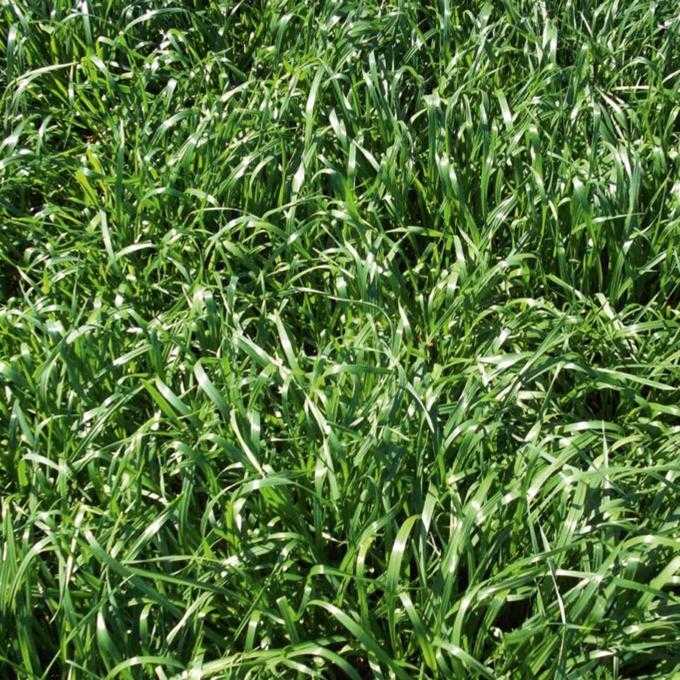
The ideal annual ryegrass seeding rate for optimal growth and coverage is 30 to 40 pounds per acre. Are you wondering how much annual ryegrass seed you should be using for your lawn or pasture? Look no further! In this article, we will delve into the topic of annual ryegrass seeding rate and provide you with all the essential information you need to determine the right amount of seed to achieve a lush and vibrant result.
The annual ryegrass seeding rate plays a crucial role in determining the success of your planting endeavor. Planting too little seed can result in sparse coverage and limited growth, while using too much seed can lead to overcrowding and competition for resources. By finding the perfect balance, you can ensure an even distribution of plants and promote healthy growth.
In the following sections, we will explore the factors that influence the annual ryegrass seeding rate, including soil type, climate conditions, and intended use. We will also provide practical tips and guidelines to help you calculate the appropriate amount of seed to use based on your specific needs.
So, whether you are a homeowner looking to rejuvenate your lawn or a farmer aiming to enhance your pasture, understanding the annual ryegrass seeding rate is vital for achieving a flourishing and verdant outcome. Let’s dive in and discover the secrets to successful seeding!

Understanding Annual Ryegrass Seeding Rate
Introduction
Ryegrass is a popular grass species that is commonly used for various purposes such as forage, erosion control, and turf. Among the different types of ryegrass, annual ryegrass is widely cultivated for its adaptability and fast growth. To achieve optimal results when planting annual ryegrass, it is important to understand the concept of seeding rate. This article will delve into the significance of annual ryegrass seeding rate and provide valuable insights for successful cultivation.
The Importance of Seeding Rate
The seeding rate of annual ryegrass refers to the amount of seed that should be sown per unit area. It plays a crucial role in determining the density and performance of the crop. Choosing the right seeding rate is essential for achieving the desired thickness of the ryegrass stand, ensuring effective competition against weeds, and maximizing forage production. A well-planned and appropriate seeding rate can help establish a healthy ryegrass stand that offers numerous benefits.
Factors Influencing Seeding Rate
Several factors influence the optimal seeding rate for annual ryegrass. These factors include:
- Intended Use: The purpose for which the ryegrass is being cultivated determines the ideal seeding rate. Seeding rates may vary for forage production, erosion control, or turf establishment.
- Soil Conditions: Soil fertility, moisture levels, and texture should be taken into account when determining the seeding rate. Poor soil conditions may require higher seeding rates to compensate for reduced germination and establishment.
- Climate: The climate of the region, including temperature and precipitation patterns, influences the choice of seeding rate. Areas with shorter growing seasons or harsh weather conditions may require higher seeding rates for successful establishment.
- Seed Quality: The quality of the seed, including its purity and germination rate, affects the amount of seed that should be sown. High-quality seed with excellent germination rates may require lower seeding rates.
Recommended Seeding Rates
The recommended seeding rates for annual ryegrass vary depending on the intended use. Here are some general guidelines:
- Forage Production: When cultivating annual ryegrass for forage, the recommended seeding rate is typically between 20 to 30 pounds per acre. This ensures a dense stand and an adequate supply of nutritious forage.
- Erosion Control: To effectively control erosion, higher seeding rates ranging from 30 to 40 pounds per acre are recommended. The increased density helps stabilize the soil and minimize the risk of erosion.
- Turf Establishment: Seeding rates for establishing ryegrass turf range from 5 to 10 pounds per 1,000 square feet. This allows for a dense, attractive turf cover.
Seeding Techniques
Once the appropriate seeding rate for annual ryegrass has been determined, it is important to employ the correct seeding techniques for successful establishment. Here are some key techniques to consider:
Seedbed Preparation
A well-prepared seedbed is essential for optimal seed-to-soil contact, which promotes germination and establishment. Prepare the seedbed by removing any debris, rocks, or weeds that may hinder the growth of the ryegrass.
Seed Distribution
To ensure uniform distribution of the seed, consider using mechanical seeders or broadcasting by hand. This helps prevent uneven stands and ensures the ryegrass has an equal opportunity to thrive across the planting area.
Seeding Depth
The depth at which the seed is sown impacts germination and establishment. The general rule of thumb is to plant ryegrass seeds at a depth of ¼ to ½ inch. Deeper seeding may result in delayed emergence or poor establishment.
Timing
The timing of seed sowing is crucial for successful establishment. Consider the specific climate and growing season of your region. Ideally, sow the ryegrass seeds when soil temperatures range between 50 to 65 degrees Fahrenheit for optimal germination.
In Conclusion
Understanding the correct annual ryegrass seeding rate is essential for achieving successful crop establishment and optimal performance. Factors such as intended use, soil conditions, climate, and seed quality should be considered when determining the ideal seeding rate. By following proper seeding techniques and guidelines, farmers, landowners, and turf managers can cultivate a healthy and productive annual ryegrass stand.
Growing Ryegrass for Forage
Frequently Asked Questions
What is the recommended seeding rate for annual ryegrass?
The recommended seeding rate for annual ryegrass varies depending on the purpose of planting. For cover crops, a typical rate is 20 to 30 pounds per acre. If you intend to use annual ryegrass for forage, the seeding rate is higher, ranging from 30 to 40 pounds per acre.
Does the climate affect the recommended seeding rate for annual ryegrass?
Yes, the climate does have an impact on the seeding rate for annual ryegrass. In colder regions, it is advisable to increase the seeding rate to ensure better establishment and winter survival. Conversely, in warmer regions, a slightly lower seeding rate may be sufficient.
Can I adjust the seeding rate based on soil conditions?
Yes, the seeding rate can be adjusted based on soil conditions. If you have poor soil fertility or drainage, it is recommended to increase the seeding rate to compensate for potential germination challenges. Likewise, in areas with highly fertile soil, a slightly lower seeding rate could be considered.
What factors should I consider when determining the optimal seeding rate for annual ryegrass?
Several factors should be taken into account when determining the optimal seeding rate for annual ryegrass. These include soil condition, climate, purpose of planting, and desired outcomes. It is advisable to consult with local agricultural extension services or agronomists who can provide specific recommendations based on your location and goals.
What happens if I exceed the recommended seeding rate for annual ryegrass?
Exceeding the recommended seeding rate for annual ryegrass can result in overcrowding, competition for resources, and poor plant development. This can lead to decreased overall yield, increased susceptibility to diseases, and reduced forage quality. It is important to follow the suggested seeding rate to achieve the best results.
Can I use a lower seeding rate than recommended to save on costs?
Using a lower seeding rate than recommended may save costs in the short term but can have negative consequences. Insufficient seeding can result in poor ground cover, reduced weed suppression, and decreased forage yield. It is generally recommended to use the optimal seeding rate to maximize the benefits of annual ryegrass planting.
Final Thoughts
In conclusion, the annual ryegrass seeding rate is an essential factor to consider in achieving successful results. Finding the optimal rate will depend on various factors such as the desired purpose of the ryegrass, soil conditions, and climate. By conducting thorough research and experimenting with different seeding rates, farmers and landowners can determine the most effective rate for their specific needs. It is important to note that a higher seeding rate does not necessarily result in better outcomes, as it can lead to overcrowding and poor establishment. Therefore, careful consideration and evaluation of the annual ryegrass seeding rate are crucial for a successful outcome.