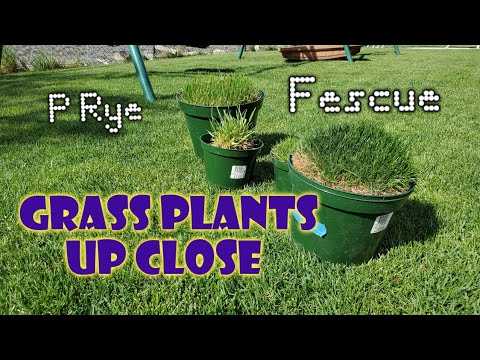
Quick Answer: When it comes to choosing between tall fescue and ryegrass for your lawn, it ultimately depends on your specific needs and preferences. Tall fescue is known for its durability, drought tolerance, and ability to handle high-traffic areas, making it a great choice for families with children or pets. On the other hand, ryegrass is known for its fast germination and beautiful dark green color, making it ideal for overseeding and temporary lawns. By understanding the characteristics of each grass type and considering factors such as climate, lawn usage, and maintenance requirements, you can make an informed decision that will result in a lush and thriving lawn.
Are you torn between choosing tall fescue or ryegrass for your lawn? Making the right decision can be challenging, especially when you want a lawn that not only looks great but also meets your specific requirements. In this article, we will explore the characteristics of tall fescue and ryegrass, helping you understand their differences and benefits. Whether you’re looking for a grass that can withstand heavy foot traffic or seeking a vibrant green lawn, read on to discover which option is best suited for your needs. So, let’s dive in and explore the world of tall fescue versus ryegrass!

Tall Fescue vs Ryegrass: Understanding the Differences and Choosing the Right Grass for Your Lawn
When it comes to selecting the perfect grass for your lawn, there are several factors to consider. Two popular options that homeowners often debate between are tall fescue and ryegrass. Both types of grass have their own unique characteristics and benefits, making it essential to understand the key differences between them. In this article, we’ll explore the qualities, pros, and cons of tall fescue and ryegrass to help you make an informed decision for your lawn.
1. Tall Fescue: A Robust and Versatile Grass Option
Tall fescue (Festuca arundinacea) is a cool-season grass that boasts excellent adaptability and versatility. Here are the key factors to consider when evaluating tall fescue:
- Appearance: Tall fescue features a coarse texture with wider blades compared to other grasses. It has a deep green color that adds a lush look to your lawn.
- Drought Tolerance: Tall fescue has remarkable drought tolerance, enabling it to survive extended periods without water. This makes it an ideal choice for regions with limited water availability.
- Heat Tolerance: While not as heat-resistant as some warm-season grasses, tall fescue can still handle moderate heat. However, it may struggle in exceptionally hot climates.
- Shade Tolerance: Tall fescue thrives in shady areas, making it an excellent grass choice for yards with trees or structures that create significant shade.
- Traffic Resistance: With its durable nature, tall fescue can handle moderate traffic and recover quickly from foot traffic, making it suitable for lawns with active families or pets.
- Maintenance: This grass requires regular mowing and occasional overseeding to keep it in optimal condition. However, its low water requirements make it a cost-effective option for maintaining a green lawn.
2. Ryegrass: An Exceptional Choice for Overseeding and Winter Color
Ryegrass (Lolium spp.) is a cool-season grass that is often used for overseeding warm-season lawns or to provide vibrant green coverage during the winter months. Let’s delve into the characteristics that make ryegrass a popular grass option:
- Appearance: Ryegrass offers a fine texture with narrow and delicate blades, resulting in a lush and manicured appearance.
- Drought Tolerance: Compared to tall fescue, ryegrass has a lower drought tolerance and requires more frequent watering to maintain its color and vitality.
- Heat Tolerance: Ryegrass is not as heat-tolerant as tall fescue and may struggle in extremely hot conditions. It thrives in cooler climates and regions with milder summers.
- Shade Tolerance: While ryegrass can tolerate some shade, it performs best in full sun or areas with partial shade. It is not as shade-tolerant as tall fescue.
- Traffic Resistance: Ryegrass is not as resilient to heavy traffic as tall fescue. Limited foot traffic is recommended to prevent damage to the grass.
- Maintenance: Ryegrass requires regular mowing and careful attention to watering needs. It may need overseeding each year to maintain its lushness and green color.
3. Choosing the Right Grass for Your Lawn
Now that we’ve discussed both tall fescue and ryegrass in detail, let’s consider some additional factors to help you choose the right grass for your lawn:
A. Climate and Environmental Factors
Consider the climate and environmental conditions in your area. Is your region prone to droughts or heatwaves? Does it experience long, cold winters? Understanding your local climate will help guide your grass selection.
B. Lawn Usage
Think about how you use your lawn. Do you have children or pets that frequently play on it? If so, you may want to prioritize a grass type with greater traffic resistance, like tall fescue.
C. Sunlight Availability
Assess the amount of sunlight your lawn receives. If you have lots of shade, tall fescue’s superior shade tolerance may make it a better choice. However, if your lawn is mostly sunny, both grass types can thrive.
D. Aesthetic Preference
Consider the desired appearance of your lawn. Are you looking for a coarser-textured grass like tall fescue, or do you prefer the fine texture of ryegrass?
By carefully evaluating these factors and understanding the unique characteristics of tall fescue and ryegrass, you can make an informed decision that suits your specific lawn needs.
Both tall fescue and ryegrass offer compelling qualities for homeowners seeking a lush and green lawn. Tall fescue excels in adaptability, heat tolerance, shade tolerance, and drought resistance, making it a versatile option for various climates. Ryegrass, on the other hand, is well-suited for overseeding warm-season lawns or providing winter color, but requires more maintenance and is less tolerant of traffic and extreme heat.
By considering factors such as climate, lawn usage, sunlight availability, and aesthetic preferences, you can confidently choose the perfect grass for your lawn. Whether you opt for tall fescue or ryegrass, proper maintenance and care will ensure a beautiful, healthy lawn to enjoy year-round.
Which GRASS TYPE Is BEST For You And Your Lawn??
Frequently Asked Questions
What are the differences between tall fescue and ryegrass?
Tall fescue and ryegrass are two popular types of grass commonly used for lawns and pastures. While they share some similarities, there are several differences between them:
Which grass is better suited for cool-season climates?
Both tall fescue and ryegrass thrive in cool-season climates, but tall fescue is generally more tolerant of colder temperatures. It can withstand freezing temperatures and is known for its ability to remain green throughout the winter months.
Which grass is more drought-tolerant?
Tall fescue has a deeper root system, making it more drought-tolerant compared to ryegrass. Its extensive roots enable it to reach moisture deep within the soil, allowing for better survival during periods of limited rainfall or watering restrictions.
Which grass is more suitable for high-traffic areas?
Tall fescue is known for its ability to withstand heavy foot traffic and is commonly used in areas where there will be frequent use, such as parks and sports fields. Ryegrass, on the other hand, is not as resilient and may struggle to recover in high-traffic areas.
Which grass requires less maintenance?
Tall fescue generally requires less maintenance compared to ryegrass. It has a slower growth rate and does not need to be mowed as frequently. Additionally, tall fescue is more resistant to pests and diseases, reducing the need for frequent treatments.
Can tall fescue and ryegrass be mixed together?
Yes, it is possible to mix tall fescue and ryegrass together. This combination can provide a lawn that is both durable and aesthetically pleasing, with the ryegrass adding quick establishment and green color while the tall fescue provides long-term durability and resilience.
Final Thoughts
In conclusion, when comparing tall fescue and ryegrass, it is clear that both have their own unique characteristics and benefits. Tall fescue offers superior drought tolerance and requires less maintenance, making it a popular choice for lawns and pastures. On the other hand, ryegrass provides excellent turf quality and rapid establishment, making it ideal for overseeding and temporary cover. Ultimately, the choice between tall fescue and ryegrass depends on individual needs and preferences. Whether you prioritize durability or aesthetics, both grasses have their place in creating a vibrant and resilient landscape.