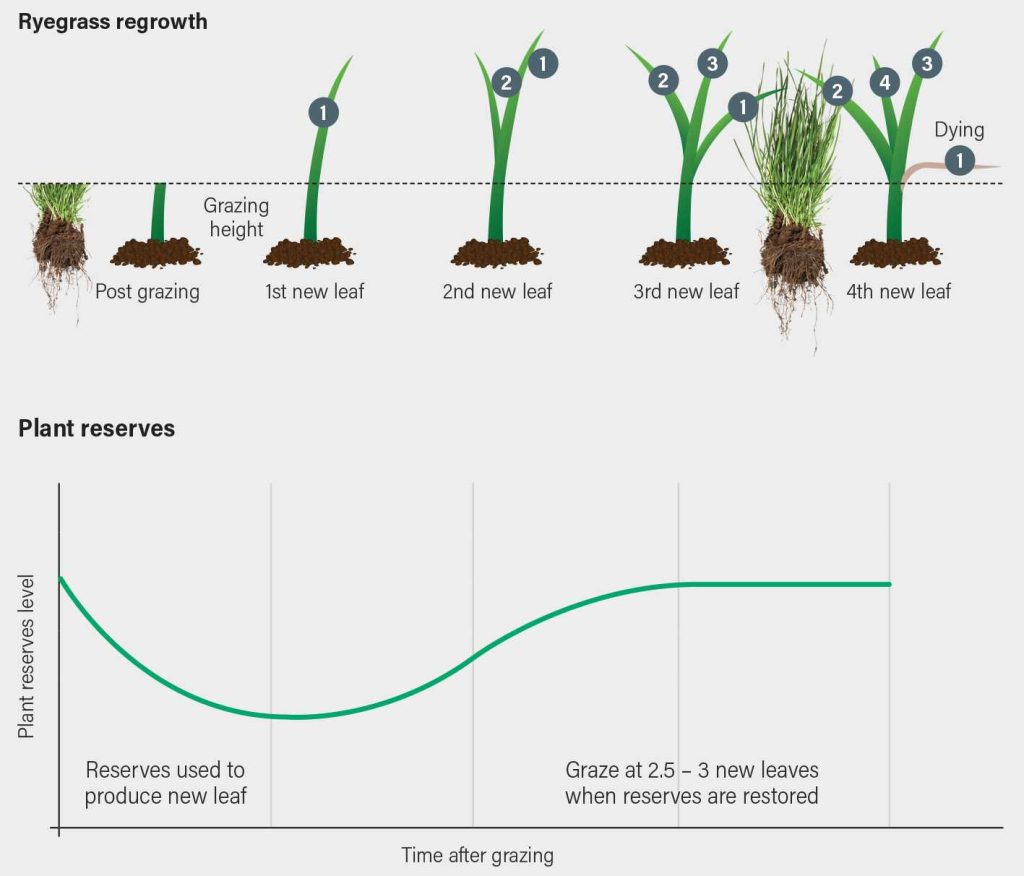
Quick Answer: The growth stages of annual ryegrass can be divided into three main phases – establishment, vegetative growth, and reproductive growth. Each phase has its own distinct characteristics and requirements.
Are you curious about the different stages of growth that annual ryegrass goes through? Well, you’re in the right place! In this article, we will take a closer look at the annual ryegrass growth stages and discuss what happens during each phase.
Establishment: The first stage is establishment, which occurs after sowing the seeds. During this phase, the ryegrass germinates and develops a root system. Proper seedbed preparation, adequate soil moisture, and optimum temperature are crucial for successful establishment.
Vegetative Growth: Once the ryegrass has established, it enters the vegetative growth phase. At this stage, the plant focuses on leaf and stem production, resulting in the formation of a dense and lush stand. Regular mowing, fertilization, and irrigation are essential for promoting healthy vegetative growth.
Reproductive Growth: The final stage is reproductive growth, which is characterized by the development of seed heads. This phase is important for seed production and the perpetuation of the ryegrass population. Proper timing of mowing and adequate nutrition are critical to maximize seed production.
Understanding the different growth stages of annual ryegrass can help you plan and manage your pasture or lawn effectively. So, let’s dive into each phase in more detail and explore the specific requirements and challenges associated with them.

Annual Ryegrass Growth Stages: A Comprehensive Guide
Introduction
Annual ryegrass (Lolium multiflorum) is a popular cool-season grass known for its fast establishment, versatility, and ability to provide lush green cover throughout the year. Understanding the growth stages of annual ryegrass is crucial for successful cultivation and management. In this guide, we will delve into the various growth stages of annual ryegrass and explore essential tips and insights for each stage.
1. Germination
The growth journey of annual ryegrass begins with germination. When provided with the right conditions – optimal temperature (around 59°F) and sufficient moisture – annual ryegrass seeds sprout and develop into seedlings. Germination typically occurs within 5 to 10 days after sowing. During this stage, it is essential to provide adequate irrigation to ensure moisture levels are maintained for proper development.
Tips for Germination:
- Sow the seeds at the recommended depth of ¼ to ½ inch for optimal seed-to-soil contact.
- Ensure the soil is well-prepared and free from competing weeds.
- Avoid overwatering, as excessive moisture can promote diseases and hinder germination.
2. Seedling Establishment
As the seedlings emerge, they enter the seedling establishment stage. During this period, the young plants develop their first few leaves and start establishing a root system. Adequate nutrition, moisture, and sunlight are crucial for the healthy growth of annual ryegrass seedlings.
Tips for Seedling Establishment:
- Apply a balanced fertilizer to provide essential nutrients for robust growth.
- Maintain consistent soil moisture through regular irrigation, ensuring the seedlings do not experience drought stress.
- Protect the young plants from excessive foot traffic or grazing to prevent damage and promote proper development.
3. Vegetative Growth
During the vegetative growth stage, annual ryegrass experiences rapid leaf and shoot development. The plants focus on building a dense and lush canopy. This growth stage is critical for establishing the desired turf cover or forage yield. Proper management practices are essential to maximize vegetative growth.
Tips for Vegetative Growth:
- Ensure the plants receive adequate sunlight, as ryegrass thrives in full sun or part shade conditions.
- Regularly mow the ryegrass at a recommended height of 2 to 3 inches to promote lateral growth and create a dense turf.
- Apply nitrogen-based fertilizers to support vigorous growth and maintain a healthy, vibrant appearance.
4. Flowering and Seed Production
As the ryegrass plants mature, they transition into the flowering and seed production stage. During this phase, seed heads develop, followed by the production of viable seeds. However, if the objective is to maintain a high-quality turf or forage, it is advisable to hinder seed production through timely mowing or grazing.
Tips for Flowering and Seed Production:
- If seed production is undesirable, mow or graze the ryegrass before seed heads fully develop.
- Regularly monitor for signs of flowering and take necessary action to prevent seed scattering.
- Control any potential weed competition during this stage to maintain the integrity of the ryegrass stand.
5. Dormancy and Decline
Towards the end of its life cycle, annual ryegrass naturally enters the dormancy and decline stage. Typically, this happens in response to increasing temperatures during summer or when subjected to extended drought conditions. During dormancy, the growth rate slows down, and the plant’s color may fade.
Tips for Dormancy and Decline:
- Reduce irrigation during dormancy to mimic natural conditions and conserve water.
- Consider overseeding with warm-season grasses to maintain year-round green cover in regions with hot summers.
- Maintain proper weed control, as dormant ryegrass may provide opportunities for weed encroachment.
By understanding the annual ryegrass growth stages, cultivators and managers can optimize their approach and ensure successful establishment and maintenance of this versatile grass. From germination to dormancy, each growth stage requires specific care and attention. Implementing the appropriate practices at each stage will result in a lush, healthy ryegrass turf or abundant forage, contributing to the overall beauty and productivity of your landscape. Remember to tailor your management techniques based on your specific climate, region, and desired outcome.
Now that you have gained a comprehensive understanding of the annual ryegrass growth stages, you are ready to embark on a journey of successful ryegrass cultivation and management. Happy growing!
Growing Grass : How Does Rye Grass Grow?
Frequently Asked Questions
What are the different growth stages of annual ryegrass?
Annual ryegrass goes through several growth stages during its lifecycle.
How long does it take for annual ryegrass to reach the seedling stage?
Annual ryegrass typically reaches the seedling stage within 7-14 days after germination, depending on environmental conditions and seed quality.
When does annual ryegrass enter the vegetative growth stage?
Annual ryegrass enters the vegetative growth stage when it develops multiple leaves and starts actively growing. This usually occurs around 4-6 weeks after germination.
At what height does annual ryegrass enter the reproductive growth stage?
Annual ryegrass enters the reproductive growth stage when it reaches a height of approximately 10-12 inches. This stage is characterized by the emergence of seed heads.
What is the duration of the reproductive growth stage in annual ryegrass?
The reproductive growth stage in annual ryegrass generally lasts for a few weeks, during which pollination and seed development take place.
When does annual ryegrass reach the mature stage?
Annual ryegrass reaches the mature stage when the seed heads are fully formed and ready for dispersal. This usually occurs around 80-100 days after germination, but it can vary depending on growing conditions and cultivar.
Final Thoughts
Annual ryegrass growth stages play a crucial role in understanding and managing this versatile grass species. From germination to flowering and seed production, each stage offers valuable insights for farmers and researchers alike. By closely monitoring these growth stages, farmers can make informed decisions regarding grazing, fertilization, and weed control. Understanding the optimal growth conditions and the impact of environmental factors can help maximize annual ryegrass productivity. With its adaptability, high nutritional value, and quick establishment, annual ryegrass can be a valuable addition to forage and cover crop systems. By harnessing the potential of annual ryegrass growth stages, farmers can optimize their farming practices and reap the benefits of this resilient plant.