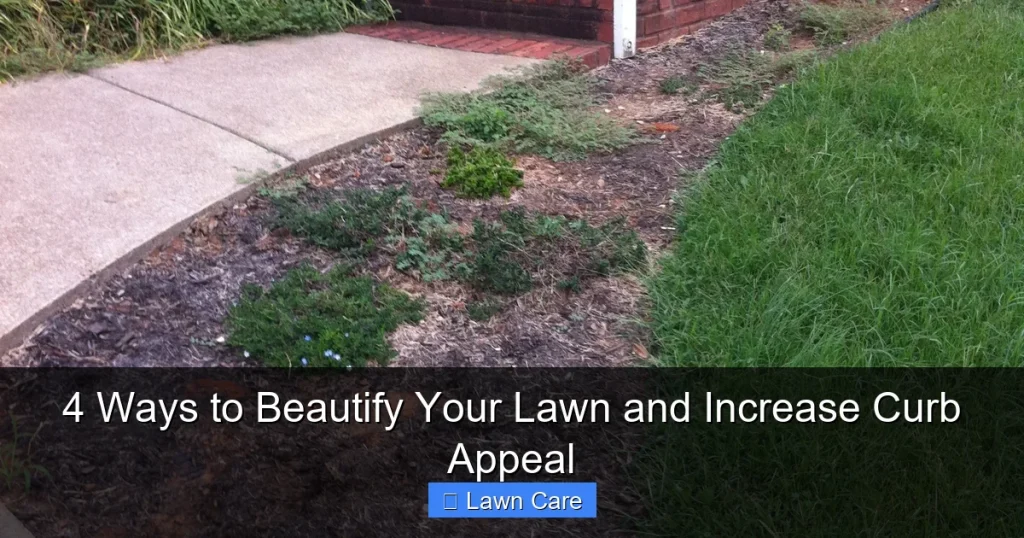
Transform your lawn from ordinary to extraordinary with these four essential beautification strategies. By focusing on healthy grass, thoughtful landscaping, vibrant color, and smart maintenance, you’ll dramatically increase your home’s curb appeal. Get ready to impress your neighbors and enjoy a more beautiful outdoor space.
Your lawn is often the first impression people have of your home. It’s the welcoming embrace before they even step through the front door. A well-maintained, beautiful lawn doesn’t just look good; it signifies pride of ownership and adds significant value to your property. But what if your lawn is looking a little… uninspired? Don’t worry! Beautifying your lawn and boosting that all-important curb appeal is totally achievable, even if you don’t have a professional landscaper on speed dial.
Think of your lawn as a blank canvas. You have the power to transform it into a vibrant, inviting masterpiece. This isn’t just about having the greenest grass on the block (though that’s a great perk!). It’s about creating an aesthetically pleasing outdoor space that makes you feel good every time you pull into your driveway. Ready to make some magic happen? We’ve got four fantastic ways to beautify your lawn and skyrocket your curb appeal.
## 1. Cultivate a Lush, Healthy Lawn Base
Before you even think about adding colorful flowers or fancy borders, you need to get the foundation right. And for a lawn, that foundation is healthy, vibrant grass. A patchy, weed-infested, or dull lawn will undermine any other efforts you make. So, let’s focus on making your grass the star of the show.
### The Power of Proper Mowing
It might sound simple, but how you mow your lawn makes a huge difference. Always ensure your mower blades are sharp. Dull blades tear grass, leaving ragged edges that can lead to disease and a less attractive appearance. A clean cut promotes faster healing and a healthier look. For a truly polished look, consider learning how to mow your lawn like a baseball field for that professional, striped effect. Remember, there are also rules about when you can mow, so be mindful of your neighbors and local ordinances.
### Watering Wisely
Overwatering can be just as bad as underwatering. Aim for deep, infrequent watering rather than shallow, daily sprinkles. This encourages deeper root growth, making your lawn more resilient. The best time to water is usually in the early morning. This allows the grass to absorb the moisture before the heat of the day sets in, and it helps reduce the risk of fungal diseases. Adjust your watering schedule based on the weather; protecting your lawn from heat stress and drought is crucial during dry spells.
### Nourish Your Grass
Your lawn needs food to thrive! Regular fertilization is key to achieving that deep green color and promoting dense growth. There are many options available, from synthetic fertilizers to natural ways to fertilize your lawn. Choose a fertilizer appropriate for your grass type and the season. Proper feeding helps your lawn outcompete weeds and resist pests.
### Tackle Weeds and Bare Spots
Weeds are the bane of any beautiful lawn. They detract from the uniform green carpet you’re trying to create. Consistent weeding is essential. You can pull them by hand or use targeted herbicides. Don’t let weed prevention fall by the wayside. Similarly, bare spots are unsightly and can become breeding grounds for more weeds. Address them promptly by reseeding or using sod. Learning how to fix bare spots in your lawn quickly and easily will keep your lawn looking consistently full.
## 2. Add Layers of Color and Texture with Landscaping
Once you have a solid, healthy lawn, it’s time to add visual interest. This is where you can inject personality and create a truly inviting landscape. Think beyond just grass!
### Flower Power
Nothing says “welcome” like vibrant flowers. Planting colorful annuals or perennials in beds around your home, along pathways, or in strategic containers can make a world of difference. Consider the color palette you want to achieve. Do you want bold, bright hues, or a softer, more subtle blend? Mix flowers with different bloom times to ensure continuous color throughout the growing season.
### Shrubbery and Greenery
Shrubs and trees provide structure and year-round interest. They add height, depth, and texture to your landscape. Choose varieties that are suited to your climate and soil conditions. Evergreen shrubs offer color even in winter, while deciduous shrubs can provide seasonal blooms or attractive fall foliage. Grouping plants with varying leaf shapes and textures can create a dynamic and appealing look.
### Ground Cover and Mulch
Don’t forget the spaces between your plants. Ground cover plants can suppress weeds, retain moisture, and add a lush, natural feel. Options like creeping thyme, sedum, or hostas can fill in bare areas beautifully. Use mulch around your trees, shrubs, and in flower beds. Mulch not only looks tidy and helps retain soil moisture but also suppresses weeds and improves soil health over time. There are many decorative mulch options, from wood chips to gravel, that can complement your home’s style.
## 3. Crisp Edges and Defined Borders
This is one of those “little things” that make a massive impact. Clean, sharp edges along your lawn, garden beds, and walkways create a sense of order and meticulous care. It instantly makes your property look more polished and intentional.
### The Magic of Edging
There are several ways to achieve great edging. You can use a manual edger, a string trimmer with an edging attachment, or even a flat spade to create a clean cut. For a more permanent and defined edge, consider installing landscape edging. This can be made from materials like plastic, metal, stone, or brick.
### Border Appeal
The transition between your lawn, garden beds, and hardscaping should be well-defined. This separation creates visual clarity and prevents grass from creeping into flower beds or weeds from taking over pathways. A well-defined border makes your entire landscape look more intentional and cared for. Consider the materials you use for borders; they can be a great way to add another layer of design to your property. Stone or brick borders, for instance, can add a touch of elegance and permanence.
## 4. Illuminate Your Landscape for Evening Charm
Curb appeal doesn’t stop when the sun goes down. Strategic outdoor lighting can transform your lawn and home into a beautiful and welcoming sight after dark. It also adds a crucial layer of security.
### Pathway and Step Lighting
For safety and aesthetic appeal, light your pathways and any steps leading to your entrance. Low-voltage landscape lighting is a popular and energy-efficient choice. Uplighting small shrubs or downlighting trees can create dramatic and inviting shadows.
### Accent Lighting
Highlight key features of your landscape, such as specimen trees, sculptures, or water features, with accent lights. This draws the eye and creates focal points, adding sophistication to your outdoor space. Even simple spotlights can make a big difference.
### Security Lighting
While focusing on beauty, don’t forget about security. Motion-activated lights near entrances or dark corners of your yard can deter potential intruders and provide peace of mind. Combining decorative and functional lighting is the ultimate goal for a well-rounded approach to your lawn’s evening appeal.
### Consider the Power of Luminosity
When choosing lighting, think about the overall ambiance you want to create. Warm, soft lighting is generally more inviting than harsh, bright lights. Ensure your lighting is directed appropriately to avoid light pollution or disturbing neighbors. Investing in quality outdoor lighting can significantly enhance the beauty and functionality of your lawn, even after sunset.
### Extra Tips for Extra Oomph
Beyond these four core areas, a few other touches can really elevate your lawn and curb appeal. Keep your lawn mower in good working order; a well-maintained mower ensures a clean cut. Learn easy ways to sharpen your lawn mower blade for optimal performance. Regularly tidy up any garden waste; consider creative ways to repurpose lawn and garden waste. If pests like ants or fleas are an issue, address them promptly. You can find guides on how to keep your lawn free from ants and other insects and natural ways to treat fleas in your yard. Even something as simple as a freshly painted mailbox or a welcoming doormat can contribute to a positive first impression.
In conclusion, transforming your lawn and boosting your curb appeal is a journey, not a destination. It involves consistent effort and attention to detail. By focusing on a healthy lawn base, strategic landscaping with color and texture, sharp edges, and thoughtful lighting, you can create an outdoor space that you and your visitors will love. So, grab your gardening gloves, your mower, and your vision, and get ready to beautify your lawn into a true showcase of home pride. Your home, and your neighborhood, will thank you for it!
Key Takeaways
- Healthy Grass is Paramount: A lush, green, weed-free lawn is the foundation of good curb appeal.
- Add Layers of Color and Texture: Incorporate flowering plants, shrubs, and varied ground covers to create visual interest.
- Define Edges and Borders: Crisp, clean edges make a significant difference in perceived neatness and care.
- Strategic Lighting Enhances Ambiance: Outdoor lighting not only adds beauty but also improves safety and security.
- Regular Maintenance is Key: Consistent mowing, watering, and weeding keep your lawn looking its best.
- Consider Hardscaping Elements: Paths, patios, and decorative borders can elevate your lawn’s design.
Quick Answers to Common Questions
What is the most important factor for curb appeal?
The most important factor for curb appeal is the overall health and appearance of your lawn. A lush, green, and well-maintained lawn provides a beautiful foundation for your home’s exterior.
How often should I fertilize my lawn?
The frequency of fertilization depends on your grass type, climate, and the type of fertilizer used. Generally, fertilizing 2-4 times a year, during the growing season, is recommended. Always follow product instructions.
What are some easy ways to add color to my lawn area?
Easy ways to add color include planting seasonal flowers in beds or containers, adding flowering shrubs, or using colorful mulch around plants.
Why are clean lawn edges important?
Clean lawn edges create a sense of neatness and order. They visually separate different areas of your landscape, making the entire property appear more polished and professionally maintained.
What type of lighting is best for outdoor use?
Low-voltage landscape lighting is a popular and energy-efficient choice for outdoor use. It offers a good balance of aesthetics, safety, and reduced energy consumption.
Frequently Asked Questions
How can I make my lawn greener and thicker?
To achieve a greener and thicker lawn, focus on proper watering techniques, regular fertilization with appropriate nutrients, and aerating your soil. Overseeding can also help fill in thin areas and promote a denser turf. Consistent mowing at the correct height is also crucial.
What are the best natural ways to fertilize my lawn?
Natural fertilization methods include using compost, grass clippings (mulch mowing), well-rotted manure, or specialized organic fertilizers. These options improve soil health and provide nutrients gradually without the risk of chemical burn.
How do I prevent weeds from taking over my lawn?
Preventing weeds involves maintaining a healthy, dense lawn that can outcompete them. This includes proper mowing, watering, and fertilization. Applying pre-emergent herbicides in the spring and fall can also be very effective.
What is the best time of year to plant grass seed?
The best time to seed your lawn is typically in the fall, when temperatures are cooler and there’s less competition from weeds. Spring is also a viable option, but you’ll need to manage weeds more aggressively.
How much water does a lawn typically need?
Most lawns need about 1 to 1.5 inches of water per week, either from rainfall or irrigation. The key is to water deeply and infrequently to encourage strong root growth, rather than shallowly every day.
What should I do about bare spots in my lawn?
Bare spots can be fixed by loosening the soil, adding a bit of compost or topsoil, and then reseeding with a grass mixture that matches your existing lawn. Keep the area consistently moist until the new grass establishes. For larger areas, you might consider using sod.