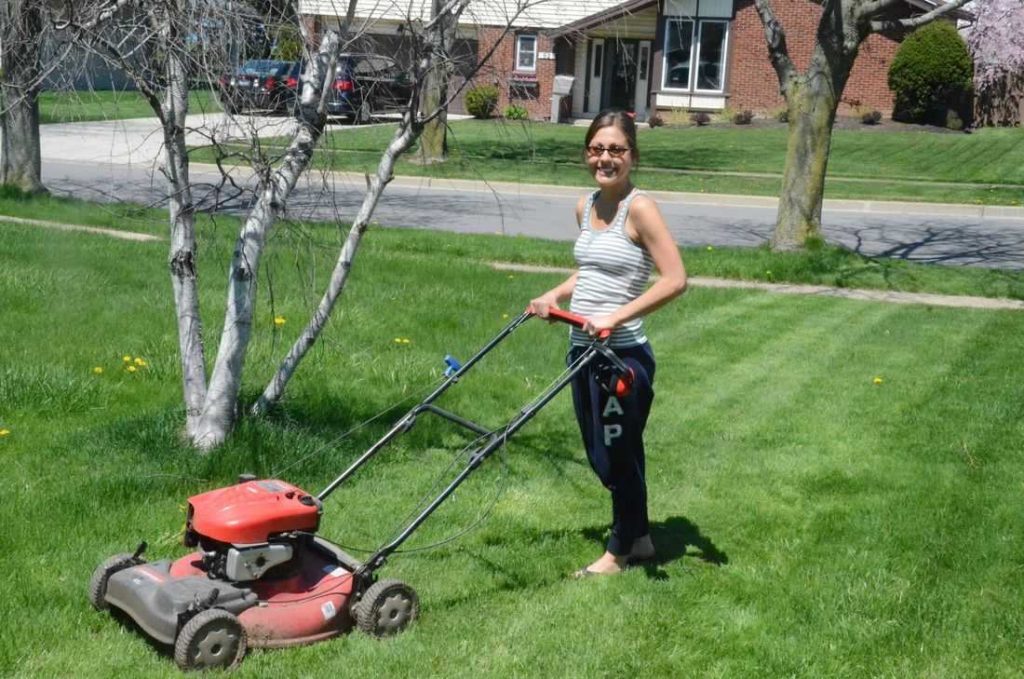
The best time to mow your lawn is when the grass reaches about one-third taller than your desired height, usually around late spring or early summer. Mowing too early, especially when the grass is still damp or weak from cold or recent rain, can damage the blades and hinder healthy growth. Typically, the answer is: don’t mow before the grass has grown enough to be safely cut without stress—generally when the grass is around 3-4 inches tall. Mowing too early can leave your lawn vulnerable to disease and uneven growth, so patience pays off.
Jumping into lawn care prematurely may seem tempting when you’re eager for a tidy yard, but rushing the first mow can do more harm than good. The initial cut is crucial for establishing a healthy, lush lawn, but it’s important to wait until the grass has grown enough to handle mowing without damage. Early-season mows when the grass is still wet or young can cause tearing, scalping, and stress to the plants. A good rule of thumb is to wait until the grass surpasses 3 inches and the weather is consistently warmer and drier. This ensures that your lawn can recover quickly, stay healthy, and flourish all season long.

How Early Is Too Early to Mow Your Lawn
Understanding the Growth Cycle of Your Lawn
Knowing when to mow depends heavily on your lawn’s growth cycle. Lawns typically start growing actively in spring when the soil warms up. During this time, grass begins to recover from winter dormancy and needs regular mowing to stay healthy.
Growth rates vary with grass types. Cool-season grasses like Kentucky bluegrass and fescue grow vigorously in cooler temperatures, while warm-season grasses such as Bermuda and Zoysia thrive in hot weather. Recognizing your grass type helps determine the best mowing time.
Temperature plays a key role. Grass should generally be mowed when the temperature is consistently above 50°F (10°C). Mowing too early when it’s still cold can damage tender new growth and stress the grass.
Why Mowing Too Early Can Harm Your Lawn
Mowing too early in the season can cause more harm than good. When grass is still emerging from dormancy, it is fragile and vulnerable to damage. Cutting it prematurely can stunt growth and lead to patchy or thin lawns.
Early mowing often removes the grass’s existing protective layer of blades. This makes the lawn susceptible to weeds and diseases. It also prevents the grass from establishing a strong root system for future growth.
Another risk is soil compaction. If the ground is still wet early in spring, mowing can disturb the soil structure. This can hinder root development and lead to poor turf health throughout the season.
Signs That Indicate It’s Time to Mow
Before mowing, look for certain signs that your lawn is ready. The grass should reach a height of about 2.5 to 3 inches for most types. If it exceeds this height, it’s likely time to mow.
Check the soil condition. The ground should be dry enough to avoid compacting the soil. Overly moist soil can cause ruts and damage to the turf.
Observe the color and density of the grass. Healthy, thriving grass will have a uniform, vibrant appearance. If you notice patches or yellowing, it might be better to wait a few more days before mowing.
Optimal Timing for Early Spring Mowing
The ideal time to start mowing in spring depends on your local climate and weather conditions. Generally, when daytime temperatures stay above 50°F (10°C) consistently, and the grass reaches the proper height, mowing is appropriate.
A good rule of thumb is to wait until after the last frost date for your area. Frost can damage tender new growth, and mowing immediately after frost can worsen the damage.
Start with a “scalp cut” if your grass has become very tall during winter. This means setting your mower to the highest setting and removing only the top third of the grass blades. This helps the grass recover gradually without stress.
How Frequency of Mowing Changes with Season
In early spring, mowing frequency might be less than in peak growing months. As grass begins to grow faster, you may need to mow weekly or biweekly.
Monitor the grass height regularly. Don’t cut more than one-third of the blade length at a time. Cutting too much at once can weaken the grass and lead to disease.
During the peak summer months, mowing might need to be more frequent due to rapid growth. Conversely, in late fall, mowing frequency decreases as grass growth slows.
Best Practices for Mowing Early in the Season
Use a sharp mower blade to ensure clean cuts that minimize stress. Dull blades tear the grass instead of slicing, which can lead to disease and browning.
Adjust your mower height. Keep the blades higher during early spring to promote thicker growth and protect the roots. Most experts recommend setting the mower height between 2.5 to 3 inches.
Mow when the grass is dry. Wet grass is more prone to tearing and can clog your mower. Dry conditions help achieve a clean cut and prevent damage.
Never mow when the grass is frosted or frozen. Frosted grass is fragile and can be easily damaged, which sets back development.
Additional Tips for Lawn Care During Early Season
Fertilize your lawn appropriately. Early spring fertilization promotes healthy growth. Use a slow-release fertilizer that provides nutrients over time.
Aerate the soil if it feels compacted. Aeration improves air and water circulation, helping grass roots grow stronger.
Water your lawn deeply but infrequently. Proper watering encourages deep root growth and prepares the grass for the upcoming mowing season.
Control weeds early. Applying pre-emergent weed control in early spring prevents weeds from establishing and competing with your grass.
Related Topics to Consider
- How to Choose the Right Mower for Your Lawn
- Best Lawn Fertilizers for Early Spring
- Signs Your Lawn Needs Extra Care in Spring
- How to Prevent Lawn Diseases During Early Season
- How Climate Affects Lawn Mowing Schedules
Final Thoughts on Early Spring Mowing
Timing is crucial when deciding how early to mow your lawn. Patience ensures your grass establishes itself well and remains healthy throughout the growing season. Waiting until conditions are just right helps prevent damage and promotes lush, green turf all year round.
Remember to pay attention to your local climate, grass types, and soil conditions. Following best practices and avoiding premature mowing will lead to a beautiful and resilient lawn.
How early is too early to mow your lawn on the weekend?
Frequently Asked Questions
What signs indicate the ground is too wet to mow?
If the grass feels soggy or has visible signs of moisture, it’s best to wait. Mowing wet grass can cause the blades to clog and encourage disease, so checking soil moisture before mowing helps prevent damage to your lawn.
Why is early mowing potentially harmful to new grass growth?
Cutting new grass too early can stress young plants, especially if they haven’t fully established their root systems. Waiting until the grass has grown sufficiently ensures healthy, resilient growth and prevents unnecessary damage.
How does early mowing affect grass health during cold mornings?
Mowing early in the morning when the grass is still dewy can stress the grass and promote disease. It’s better to wait until midday when the dew has dried and the grass is dry enough to mow safely.
Can mowing early in the season cause uneven growth?
Yes, mowing too early when grass is uneven or patchy can lead to an inconsistent appearance. Allow the grass to grow steadily, and mow once it reaches the recommended height for your grass type to promote even growth.
What are the risks of mowing too early in terms of soil compaction?
Mowing when the soil is wet or soft can compact the soil, leading to poor aeration and root development. Waiting for drier conditions ensures your mower doesn’t disturb the soil structure and promotes healthier grass growth.
Final Thoughts
Knowing how early is too early to mow your lawn helps keep your grass healthy. Mowing too soon can damage tender shoots and hinder growth, especially in early spring. Wait until the grass reaches about three inches tall and has dried out from morning dew.
Timing matters for a lush, vibrant lawn. Mowing at the right time prevents stress on the grass and promotes even growth.
In conclusion, the best answer to how early is too early to mow your lawn depends on local conditions, but generally, avoid mowing until the grass is sufficiently grown and dry.