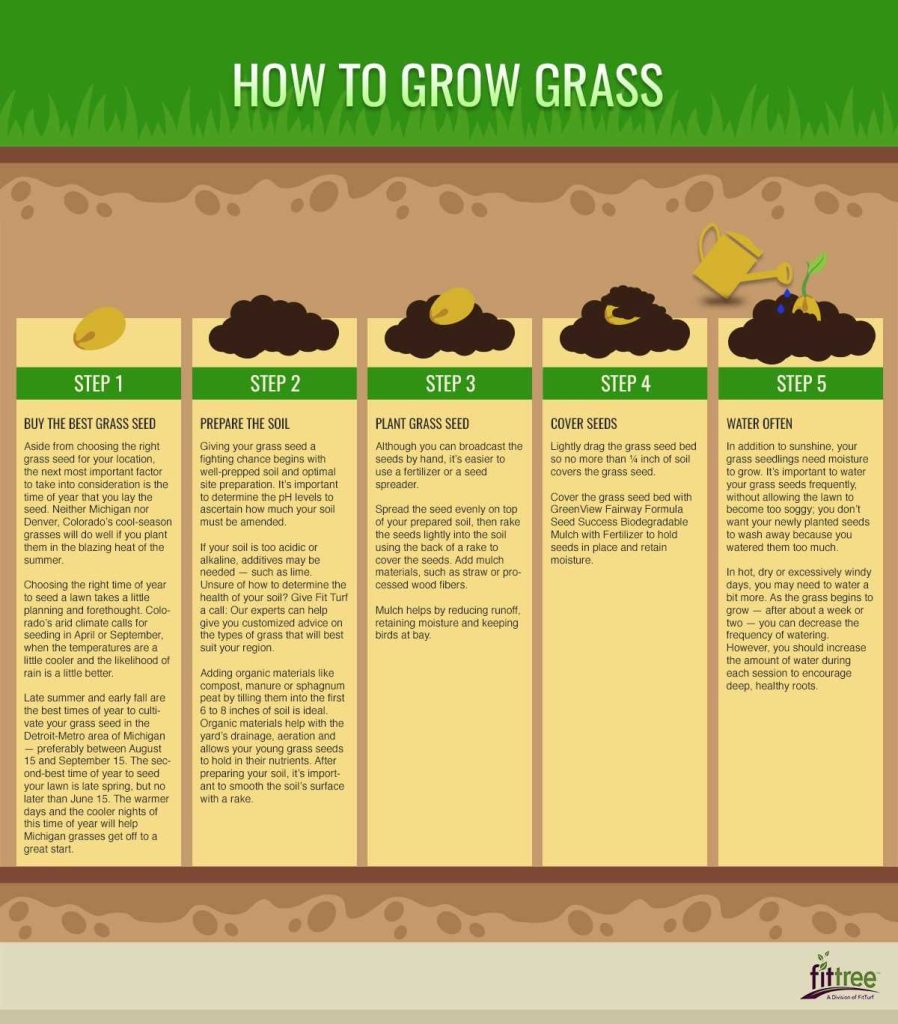
If you’re looking to plant grass seed in Michigan, the key is timing and preparation. Start by selecting the right type of grass that thrives in Michigan’s climate, such as Kentucky bluegrass or perennial ryegrass. The best time to sow your seeds is in early spring or late summer when temperatures are mild, and rainfall is more consistent. Prepare your soil by clearing debris, loosening it, and ensuring it has the right nutrients. After seeding, lightly rake the area and provide adequate water to help germination. With these steps, you’ll be on your way to a lush, green lawn that can withstand Michigan’s changing seasons. Let’s dive deeper into the process for the best results!

“`html
How to Plant Grass Seed in Michigan
Planting grass seed in Michigan can be a rewarding task, especially when you see your lawn flourish. Understanding the best practices can ensure lush and healthy grass. Here’s a guide to help you every step of the way.
Choosing the Right Grass Seed
In Michigan, selecting the appropriate type of grass seed is crucial. The climate can be a bit tricky, often changing between hot summers and cold winters.
- **Cool-Season Grasses**: These grow best in the cooler months of spring and fall.
- **Kentucky Bluegrass**: Popular for its rich color and durability.
- **Perennial Ryegrass**: Excellent for quick germination.
- **Tall Fescue**: Tolerates heat and drought well.
Make sure to consider your yard’s specific conditions, such as sunlight and shade levels, before making your decision.
Preparing the Soil
Before planting, you must prepare the soil properly. This step influences how well your grass will grow.
1. **Clear the Area**: Remove any debris, rocks, and weeds from the area where you plan to plant seed.
2. **Test the Soil**: A soil test helps determine pH levels and nutrient needs. You can get a kit at local garden centers.
3. **Amend the Soil**: Based on the test results, add lime, sulfur, or fertilizers to improve the soil quality.
Once these steps are complete, use a rake to create a smooth surface for planting.
Timing Your Planting
Timing is a significant factor in successful grass planting. In Michigan, the ideal times to sow grass seed are:
- **Early Spring**: Late March to early May.
- **Early Fall**: Late August to early October.
Be cautious of late frosts in spring or early fall. Planting during the right season will allow seeds to germinate and establish before extreme temperatures set in.
Planting the Grass Seed
Now it’s time to plant your grass seed! Here’s a simple way to do it:
1. **Spread the Seed**: Use a broadcast spreader for even distribution. Aim for the recommended seed density stated on the bag.
2. **Covering the Seed**: Lightly rake the soil to cover the seeds with a thin layer of soil. This helps protect them from birds and helps retain moisture.
3. **Watering**: Water the area gently but thoroughly. Ensure the soil stays moist but not soggy.
Consider using a seed starter if you want to give your seedlings a boost!
Watering and Maintenance
After planting, maintenance becomes essential. Watering must be consistently managed for healthy growth.
- **Daily Watering**: Water lightly for the first couple of weeks to keep the soil moist.
- **Reduce Frequency**: Once the grass starts to grow, gradually reduce watering to two to three times a week.
- **Look for Signs**: If grass begins to wilt, it’s time to water again.
Fertilizing your grass is also beneficial. After the first mowing, apply a starter fertilizer to promote deeper root growth.
Mowing Your New Grass
When your grass reaches about three to four inches tall, it’s time to mow.
1. **Set the Mower High**: Keep your mower blades high to avoid shocking the new grass.
2. **Avoid Cutting Too Short**: Never remove more than one-third of the grass height in a single mow.
3. **Regular Maintenance**: Continue to mow regularly to keep the grass healthy and encourage thick growth.
Mowing at the right height allows the grass to develop a strong root system.
Dealing with Weeds
Weeds can be a nuisance, especially with new grass. Here are a few effective strategies to manage them.
- **Mulch**: Covering bare areas with mulch can help control weed growth.
- **Hand-Pulling**: Regularly check for weeds and remove them manually if they appear.
- **Pre-Emergent Herbicides**: Use these carefully, as they can affect new grass seed.
Always monitor your lawn regularly to identify weed issues early.
Fertilizing Your Lawn
Fertilizing is vital for a healthy lawn.
1. **Type of Fertilizer**: Choose a slow-release fertilizer suitable for cool-season grasses.
2. **Timing**: Apply fertilizer in the spring and fall for best results.
3. **Application Rate**: Follow the instructions on the fertilizer bag to avoid over-fertilization.
Proper fertilization ensures that your grass receives the nutrients it needs to thrive.
Long-Term Lawn Care
Once your grass is established, long-term care is important for maintaining its health.
- **Aeration**: Aerate your lawn every couple of years to improve soil penetration.
- **Topdressing**: Add a thin layer of compost to nourish the soil.
- **Seasonal Tasks**: Stay on top of seasonal tasks like overseeding and thatch removal.
Regular care will keep your lawn looking beautiful year-round.
Common Challenges
Even with the best preparation, you may face challenges when planting grass seed in Michigan.
– **Weather Conditions**: Sudden changes in weather can affect seed germination.
– **Soil Quality**: Poor soil can inhibit growth even after planting.
– **Pest Issues**: Insects and other pests may target young grass.
Understanding how to deal with these challenges can lead to successful lawn establishment.
Resources for Further Learning
To enhance your grass-planting journey, consider these resources:
- **Local Extension Offices**: They offer valuable advice on regional planting strategies.
- **Gardening Workshops**: Participate in local workshops to learn more about lawn care.
- **Online Forums**: Engage with fellow gardeners who can share experiences and advice.
These resources can provide additional support as you care for your lawn.
Planting grass seed in Michigan is an achievable task when you follow the right steps. Understanding the grass selection, soil preparation, and ongoing maintenance sets you up for success. Your efforts will pay off with a thriving, green lawn that enhances your outdoor space. Remember to enjoy the process and take pride in your beautiful lawn.
“`
How to plant grass seed in Michigan
Frequently Asked Questions
“`html
What is the best time of year to plant grass seed in Michigan?
The ideal time to plant grass seed in Michigan is during the late summer to early fall, specifically from mid-August to mid-September. During this period, the soil is warm enough for seed germination, and the cooler air temperatures help prevent stress on the young grass. Spring planting is also possible, but it requires careful timing to avoid summer heat.
How should I prepare the soil before planting grass seed?
Start by clearing the area of any debris, such as rocks, weeds, and old grass. Then, use a rake to loosen the top few inches of soil, which helps with seed-to-soil contact. Aerating the soil can also improve drainage and root growth. Finally, consider testing the soil pH and adding amendments if necessary to create optimal growing conditions.
What type of grass seed is best suited for Michigan’s climate?
Michigan’s climate typically supports cool-season grasses. The best options include Kentucky Bluegrass, Perennial Ryegrass, and Tall Fescue. Kentucky Bluegrass is particularly popular for its rich color and texture, while Perennial Ryegrass germinates quickly, making it a great option for overseeding. Tall Fescue offers drought resistance and adaptability.
How much grass seed should I use per square foot?
The recommended seeding rate depends on the type of grass you choose, but a general guideline is to use 5 to 10 pounds of seed per 1,000 square feet. For Kentucky Bluegrass, aim for 1 to 2 pounds per 1,000 square feet, while you may want to use 6 to 8 pounds for Perennial Ryegrass. Always check the seed packaging for specific recommendations.
How often should I water newly planted grass seed?
Watering newly planted grass seed is crucial for germination. Keep the top inch of soil consistently moist but not soggy. For the first couple of weeks, water lightly 2 to 3 times a day to maintain moisture. Once the grass begins to germinate and establish, reduce the frequency to 1 inch of water per week, allowing the soil to dry slightly between waterings.
“`
Final Thoughts
Planting grass seed in Michigan requires careful timing and preparation. Start by choosing the right type of grass suited for the region’s climate, typically cool-season grasses.
Prepare your soil by tilling and removing debris before spreading the seed evenly. Water the area regularly to ensure proper growth, especially during dry spells.
By following these steps, you’ll successfully plant grass seed in Michigan, resulting in a lush and healthy lawn. Enjoy the rewards of your hard work as your grass establishes and flourishes.