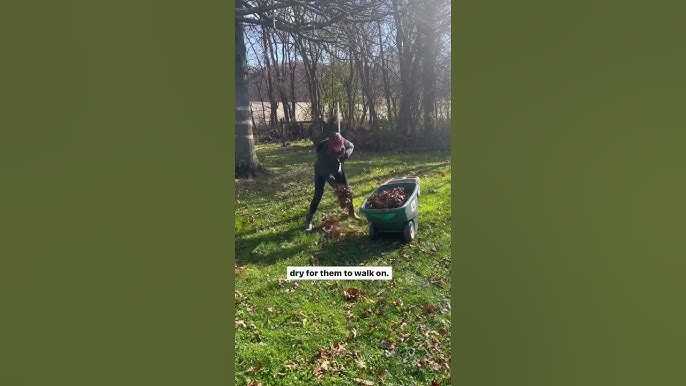
Looking for innovative ways to turn your lawn and garden waste into something useful? Instead of just tossing away grass clippings, leaves, and branches, you can transform them into valuable resources for your garden or home. Composting, mulching, and creating natural crafts are some creative solutions that not only reduce waste but also boost your green space. With a little imagination, your garden debris can become fertilizers, decorative items, or even eco-friendly building materials. Embracing these methods helps cut down on landfill waste and empowers you to craft a more sustainable and beautiful outdoor environment.
In this article, you’ll discover practical and inventive ways to repurpose lawn and garden waste, making your gardening routine more eco-friendly and rewarding. From composting tricks to unique DIY projects, these ideas will inspire you to see your garden scraps as valuable assets rather than waste. Get ready to explore fun, practical solutions that benefit both your garden and the planet!

Creative Ways to Repurpose Lawn and Garden Waste
Understanding the Value of Lawn and Garden Waste
Garden and lawn waste is often discarded as trash, but it holds much more potential. Leaves, grass clippings, branches, and plant trimmings are rich in nutrients. Instead of throwing them away, you can find creative ways to reuse this waste to benefit your garden and home.
Composting: Nature’s Recycling System
Composting is a simple way to turn garden waste into nutrient-rich soil. Collect grass clippings, leaves, and plant debris to create a compost pile or bin. Regularly turning your compost helps it break down faster, producing valuable humus for your plants. Add browns like dried leaves and twigs along with greens such as grass and vegetable scraps to balance the compost. Compost improves soil health and reduces waste sent to landfills.
Making Mulch from Garden Waste
Using garden waste as mulch is an effective way to conserve moisture and suppress weeds. Shredded leaves, bark, and small branches can be spread around plants and flower beds. Mulch also adds organic matter to the soil as it decomposes. For best results, apply a layer about two to three inches thick and replenish it as needed.
Types of Mulch You Can Create
- Shredded leaves and grass clippings
- Chipped tree branches and bark
- Straw or hay from garden waste
Mulching reduces watering needs and improves soil structure over time.
Creating Natural Fertilizer from Garden Waste
Garden waste can be used to make natural fertilizer mixtures. Soak vegetable scraps, grass clippings, and leaves in water to create nutrient-rich compost tea. This liquid fertilizer can be sprayed directly onto plants to promote healthy growth. Always dilute compost tea to prevent over-fertilizing.
DIY Fertilizer Tea Recipe
- Fill a large container with water.
- Add a handful of garden waste such as grass clippings and leaves.
- Let it steep for one to two days, stirring occasionally.
- Strain the mixture and pour around your plants.
This process provides an eco-friendly way to nourish your garden.
Using Twigs and Branches for Garden Structures
Thick branches and twigs can be repurposed into garden structures. Use them to build plant supports, trellises, or garden fences. Arranged creatively, they add a rustic charm while supporting climbing plants like beans and tomatoes. Larger branches can also be used to create a natural border around flower beds.
Step-by-step: Building a Small Garden Trellis
- Select flexible branches or small logs.
- Arrange them vertically and tie together at the top with twine or wire.
- Secure the structure into the ground near your climbing plants.
This environmentally friendly approach reduces waste and adds functionality to your garden.
Creating Garden Art and Decor
Garden waste offers a unique opportunity for creative DIY projects. Use branches and twigs to craft birdhouses, decorative sculptures, or planter borders. Dried leaves and flowers can be pressed and made into natural artwork or potpourri. These projects bring a personal touch to your outdoor space.
DIY Birdhouse from Reclaimed Wood
- Use small branches or scraps of wood.
- Create a box shape, leaving an opening for birds.
- Secure with nails or twine, then hang from a tree branch.
Birdhouses attract local wildlife and give your garden a lively atmosphere.
Creating Animal Habitats from Garden Waste
Small hollowed-out logs or bundles of twigs can become homes for beneficial insects, frogs, or hedgehogs. Nesting habitats help promote biodiversity in your garden. Place these structures discreetly among plants and leave them undisturbed.
How to Build a Simple Insect Hotel
- Gather sticks, pinecones, and hollow plant stems.
- Stack them inside a wooden box or crate.
- Secure the structure and place it in a sheltered spot.
This eco-friendly idea supports pollinating insects vital for your garden’s health.
Composting Old Plants and Pruning Waste
Pruned branches, deadheaded flowers, and spent plants are perfect for composting or mulching. Remove diseased plant material to prevent disease spread. Incorporate healthy prunings into your compost bin to enrich your soil with organic matter.
Tips for Proper Waste Disposal and Recycling
- Always shred or chop woody material to speed up decomposition.
- Avoid composting weeds or diseased plants to prevent spreading pests or illnesses.
- Layer different types of waste to balance nitrogen and carbon content.
Proper management ensures your garden waste turns into valuable resources.
Transforming Garden Waste into Art and Crafts
Use dried leaves, seed pods, and flowers for decorative crafts like wreaths or mobile hangings. Press and laminate flowers to create bookmarks or greeting cards. These artistic projects reuse natural materials and bring a handmade touch to your home and garden.
Step-by-step: Making a Natural Wreath
- Gather leaves, small branches, and flowers.
- Form a circle using sturdy twigs or wire.
- Attach decorative elements with twine or glue.
Decorative wreaths celebrate the beauty of garden waste and add a personal flair to your home.
Promoting Composting and Waste Reduction in Your Community
Encourage neighbors to compost or share garden waste for community projects. Organize garden waste collection drives or workshops explaining composting benefits. By sharing knowledge, you help reduce landfill waste and foster sustainable gardening practices.
Benefits of Community Composting
- Reduces individual waste disposal costs.
- Creates nutrient-rich compost for local parks or gardens.
- Builds stronger neighborhood bonds around eco-friendly practices.
Community efforts amplify the positive impact on the environment.
Finding creative ways to repurpose lawn and garden waste not only reduces waste but also enhances your gardening experience. From composting and mulching to craft projects and habitat creation, these methods turn what seems like waste into valuable resources. Embracing these ideas helps protect the environment and beautifies your outdoor space naturally.
How to Transform Junk into Farmhouse Garden Decor / Trash to Treasure
Frequently Asked Questions
How can I create natural mulch from my garden waste?
You can turn your garden waste into mulch by chopping leaves, grass clippings, and small branches into smaller pieces. Use a garden shredder or simply chop by hand. Spread this material around your plants and flower beds to help retain soil moisture, suppress weeds, and improve soil health over time. This approach recycles waste effectively and benefits your garden’s growth.
What are some ways to compost lawn clippings and plant debris?
Start a compost pile by collecting lawn clippings, fallen leaves, and plant debris. Layer green materials like grass clippings with brown materials such as dried leaves and small branches. Turn the compost regularly to aerate it, which accelerates decomposition. Over several months, this process produces rich compost that you can use to nourish your garden beds and improve soil structure.
Can I use garden waste to create a natural pest barrier?
Yes, you can arrange chopped plant debris or shredded leaves around your crops to act as a natural pest barrier. This mulch not only discourages pests from reaching plants but also adds organic matter to the soil as it decomposes. Be sure to keep the barrier a few inches away from plant stems to prevent rot and provide good airflow.
What creative DIY projects can I do with my garden waste?
Garden waste like small branches and twigs can be woven into decorative garden trellises or plant supports. Dried leaves and grass clippings can be used to craft eco-friendly seed-starting pots or biodegradable plant holders. These projects add a personal touch to your garden while recycling materials in an environmentally friendly manner.
Final Thoughts
Creative ways to repurpose lawn and garden waste can significantly reduce waste and benefit your outdoor space. Composting kitchen scraps and yard clippings enriches soil naturally and sustainably. Chopping yard waste for mulch improves plant health and suppresses weeds.
Utilize fallen leaves and grass clippings as natural fertilizers to boost growth. Turn pruned branches into decorative garden edging or DIY art projects.
Incorporating these methods makes your garden more eco-friendly and vibrant. Embrace these ideas to breathe new life into garden waste and create a greener environment.