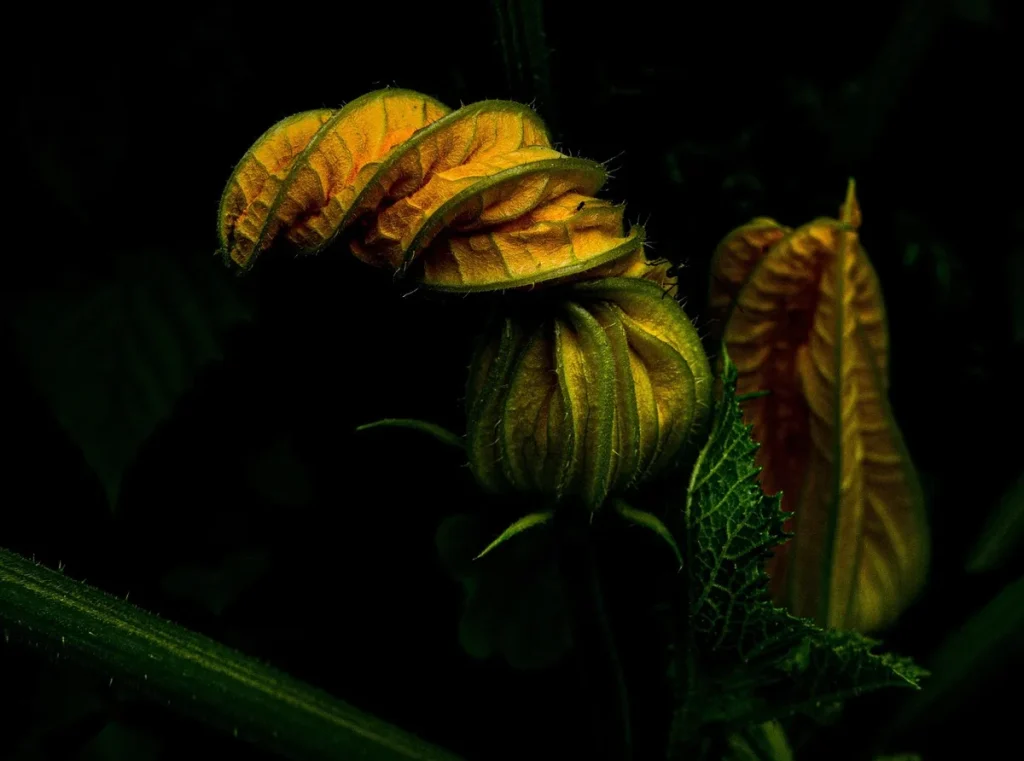
You walk out to the garden in the morning, and your zucchini plant leaves curling up like they're trying to protect themselves from something. It's one of the most common things zucchini growers run into, and it can feel alarming when you don't know what's behind it. The good news is that most causes are fixable once you know what to look for.
The tricky part is that leaf curl isn't one problem. It's a symptom, and the real cause could be anything from a hot afternoon to a hidden pest colony to something going on underground in the root zone. As of 2026, university extension programs across the US consistently report that watering issues and pest pressure account for the majority of zucchini leaf curl cases home gardeners bring in.
Let's walk through how to figure out exactly what's happening with your plant and what to do about it.
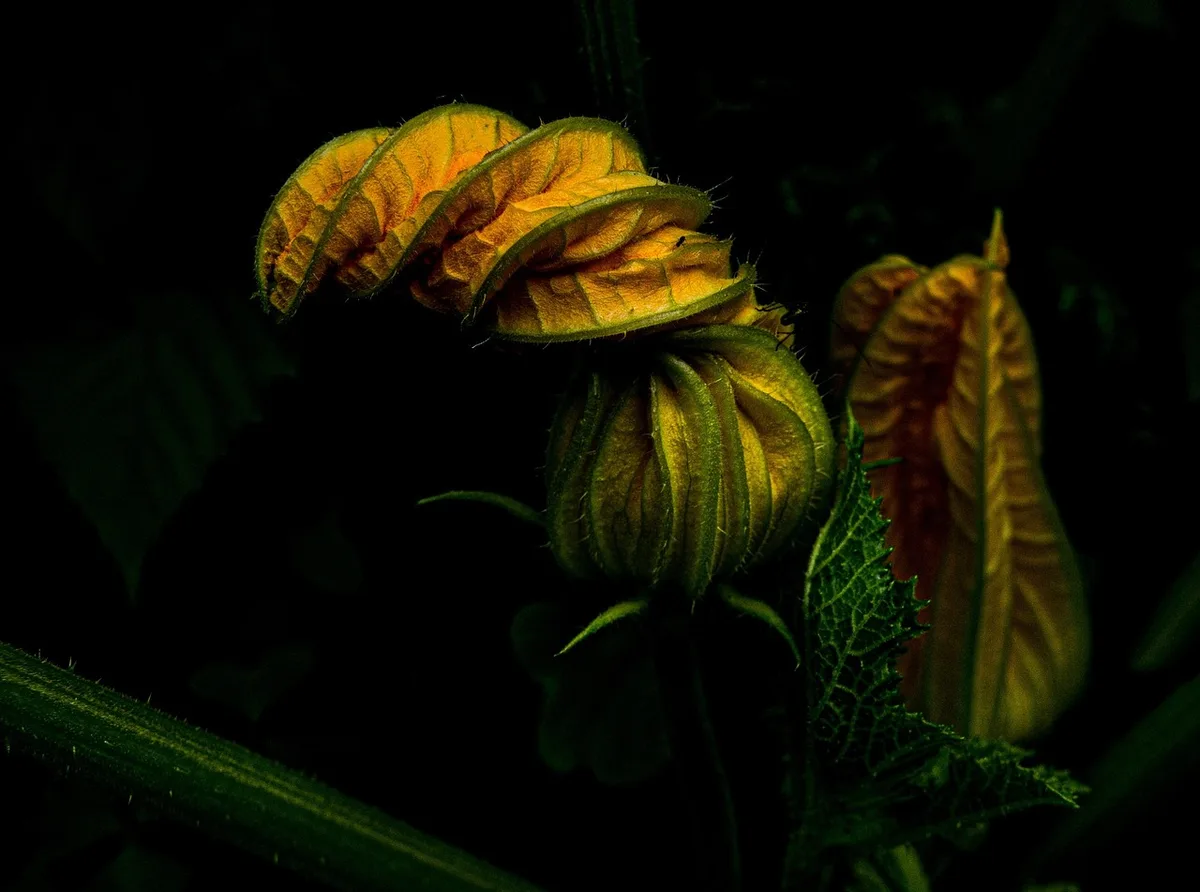
Image source: Pixabay / YALEC (Pixabay Content License)
Quick Answer
Zucchini plant leaves curling up is most often caused by heat stress, underwatering, or pest activity. Check the soil moisture first, then inspect the undersides of leaves for aphids or squash bugs. If the leaves recover by evening, the curl is likely temporary heat stress.
Persistent curling with discoloration or stunted growth points to pests, disease, or a root problem that needs direct treatment.
The 5 Most Common Causes of Zucchini Leaf Curl
Before you can fix the problem, you need to narrow down what's actually causing it. Here are the five culprits that show up most often in home vegetable gardens.
1. Heat stress and underwatering. This is the number one reason zucchini leaves curl, especially during the first real heat wave of summer. Zucchini has enormous leaves with a lot of surface area, and they lose water fast when temperatures climb above 90°F.
The plant curls its leaves to reduce exposed surface and slow transpiration. If the leaves perk back up in the evening or early morning, this is almost certainly your answer.
2. Overwatering and root rot. It sounds contradictory, but too much water causes curling that looks a lot like drought stress. When roots sit in waterlogged soil, they can't take up oxygen and start to decay.
The plant can't move water to the leaves even though the soil is wet. The leaves curl, yellow, and feel limp rather than crisp.
3. Pests, especially aphids and squash bugs. Aphids cluster on the undersides of leaves and feed on sap, which causes leaves to curl, pucker, and distort. Squash bugs do similar damage from the base of the plant upward.
Both are extremely common on zucchini and squash family plants.
4. Powdery mildew and fungal diseases. Powdery mildew shows up as a white or gray powdery coating on leaf surfaces. As it progresses, leaves curl, brown, and die back.
It's especially common in humid climates or when plants are crowded with poor air circulation.
5. Viral infections and herbicide damage. Cucurbit leaf crumple virus and other viruses cause severe curling, crumpling, and stunting. Herbicide drift from nearby lawn treatments, especially growth regulator herbicides like 2,4-D, can cause dramatic cupping and distortion of zucchini leaves even at very low concentrations.
How to Tell What's Actually Wrong: A Step-by-Step Check
Don't guess. Work through this sequence in order, and you'll land on the right answer almost every time.
Check the Time of Day First
Go out and look at your plant at two different times. If the leaves are curled up during the hot afternoon but flat and open by early morning, your plant is doing exactly what it's supposed to do. That's a normal heat response, not a disease or pest problem.
Zucchini leaves can look genuinely alarming at 2 PM on a 95°F day and be perfectly fine by 7 AM.
If the leaves stay curled all the way through the cool morning hours, something else is going on. Move to the next step.
Feel Your Soil Before You Do Anything Else
Stick your finger 2 to 3 inches into the soil near the base of the plant. You're looking for one of three things.
- Bone dry: The plant needs water, and it needs it now. Deep soak the root zone slowly rather than a quick surface sprinkle.
- Soggy or muddy: You've got a drainage or overwatering issue. Let the soil dry out before watering again, and check whether your planting area drains properly.
- Moist but not wet: Water isn't the problem. Keep investigating.
This single check eliminates the most common cause right away. Most gardeners either overwater or underwater before they consider anything else.
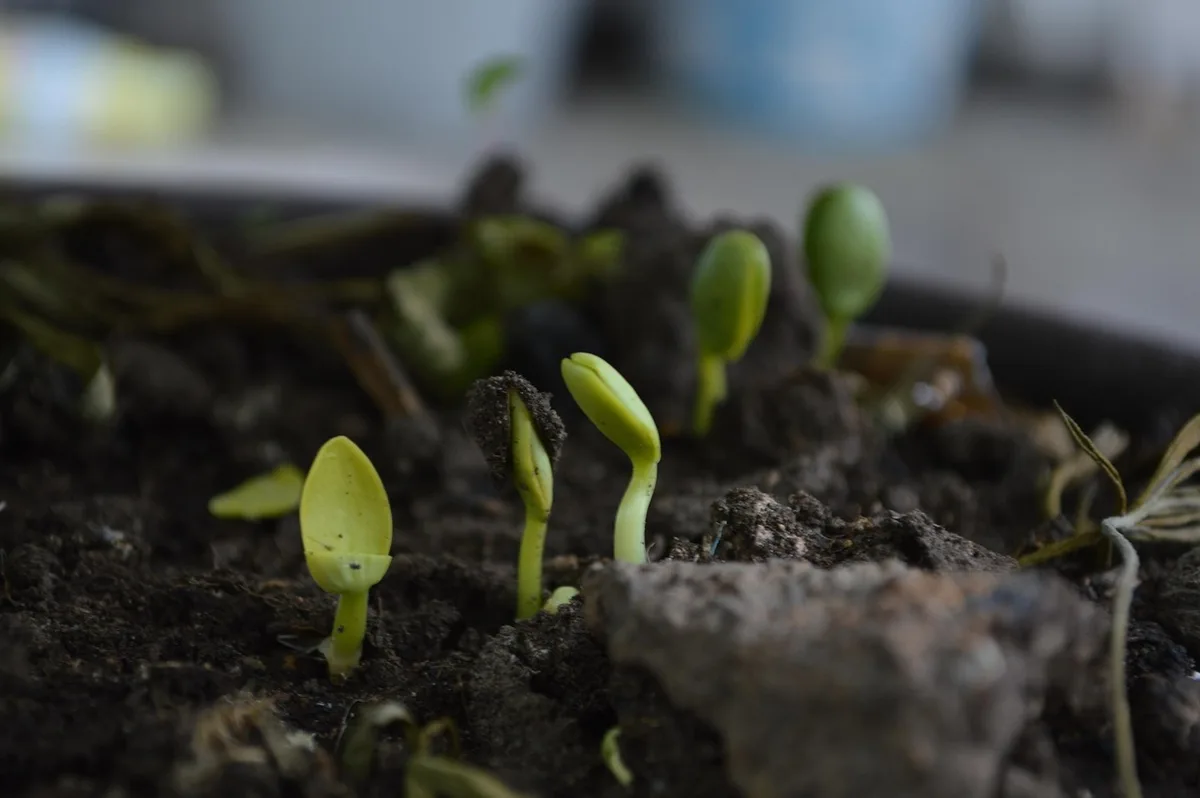
Image source: Pixabay / GAD-BM (Pixabay Content License)
Flip Those Leaves — What's Hiding Underneath
Grab a few of the curled leaves and turn them over. You're looking for the following.
- Tiny green, black, or white soft-bodied insects clustered along the veins: That's aphids. Even a small colony can cause significant curling and distortion.
- Bronze-colored egg clusters, usually in a neat V-shape or patch: Squash bug eggs. Scrape them off with a piece of tape or your fingernail.
- Larger grayish-brown bugs, about 5/8 inch long, often near the stem: Adult squash bugs. They inject toxins into the plant as they feed, which causes wilting and curling.
- White powdery coating on the leaf surface: Powdery mildew. It often starts on lower leaves and works its way up.
- Mottled, mosaic-like yellow and green patterns with severe crumpling: This could be a viral infection, often spread by aphids or whiteflies.
Take your time here. A lot of gardeners skip this step and end up treating for the wrong thing.
Stems, Weather, and Recent Changes
Check the base of the stem for small holes and sawdust-like frass, which signals squash vine borer entry. Look at the overall plant. Is it stunted compared to where it should be?
Did the curling start suddenly or gradually?
Think about the last week. Did a heat wave roll through? Did you or a neighbor apply any lawn herbicides?
Did you recently transplant the plant? Transplant shock can cause temporary curling that resolves on its own within a week.
Cause #1: Heat Stress and Underwatering
This is the cause I see most often, and it's also the easiest to fix. When zucchini can't pull water from the soil fast enough to keep up with what the leaves are losing to transpiration, the leaves curl inward to reduce surface area. It's the plant's built-in survival mechanism.
What it looks like:
- Leaves curl upward, especially during the hottest part of the day
- Leaves feel dry or slightly crispy at the edges
- The plant recovers on its own in the evening or morning
- Soil is dry 1 to 2 inches down
- No pests, spots, or discoloration on the leaves
What to do:
- Water deeply at the base of the plant, aiming for the soil to reach 6 inches down. A slow soak from a drip line or soaker hose works far better than a quick blast from a spray nozzle.
- Apply 2 to 3 inches of organic mulch (straw, shredded leaves, or wood chips) around the base. Mulch keeps soil moisture consistent and lowers root zone temperature.
- If your zucchini is in a container, move it to afternoon shade or shade it with a cloth during extreme heat. Container plants dry out much faster than in-ground plants.
- Water in the early morning so the plant heads into the heat of the day fully hydrated.
When it's serious:
If the plant doesn't recover overnight and the leaves are browning or dying back, the root system may have been damaged by prolonged drought. Cut back any dead foliage, resume consistent watering, and give it a week. Zucchini is surprisingly resilient and will often push out new growth if the roots are still alive.
Cause #2: Overwatering and Root Rot
This one catches people off guard because the symptoms mimic drought stress. The leaves curl and wilt, so the gardener waters more, which makes the problem worse. It's a frustrating cycle.
What it looks like:
- Leaves curl and feel limp or soft, not dry and crispy
- Yellowing starts with lower leaves and moves upward
- Soil stays wet or soggy for days after watering
- The plant looks worse after you water, not better
- Roots, if you check, are brown, mushy, and may smell bad instead of white and firm
What to do:
- Stop watering immediately and let the soil dry out. If the plant is in a container, make sure drainage holes aren't blocked.
- Improve drainage by amending heavy clay soil with compost. Raised beds are a good long-term fix if your garden sits in a low spot.
- If root rot has set in, gently remove the plant, trim away any mushy roots with clean pruners, and replant in fresh, well-draining soil.
- Going forward, water only when the top 2 inches of soil feel dry. Most established zucchini plants in the ground need deep watering every 2 to 3 days in warm weather, not daily.
Prevention:
Zucchini roots need oxygen just as much as they need water. Compacted or clay-heavy soil holds too much moisture and suffocates roots. Working in compost before planting and avoiding walking on the root zone goes a long way.
Cause #3: Aphids, Squash Bugs, and Other Pests
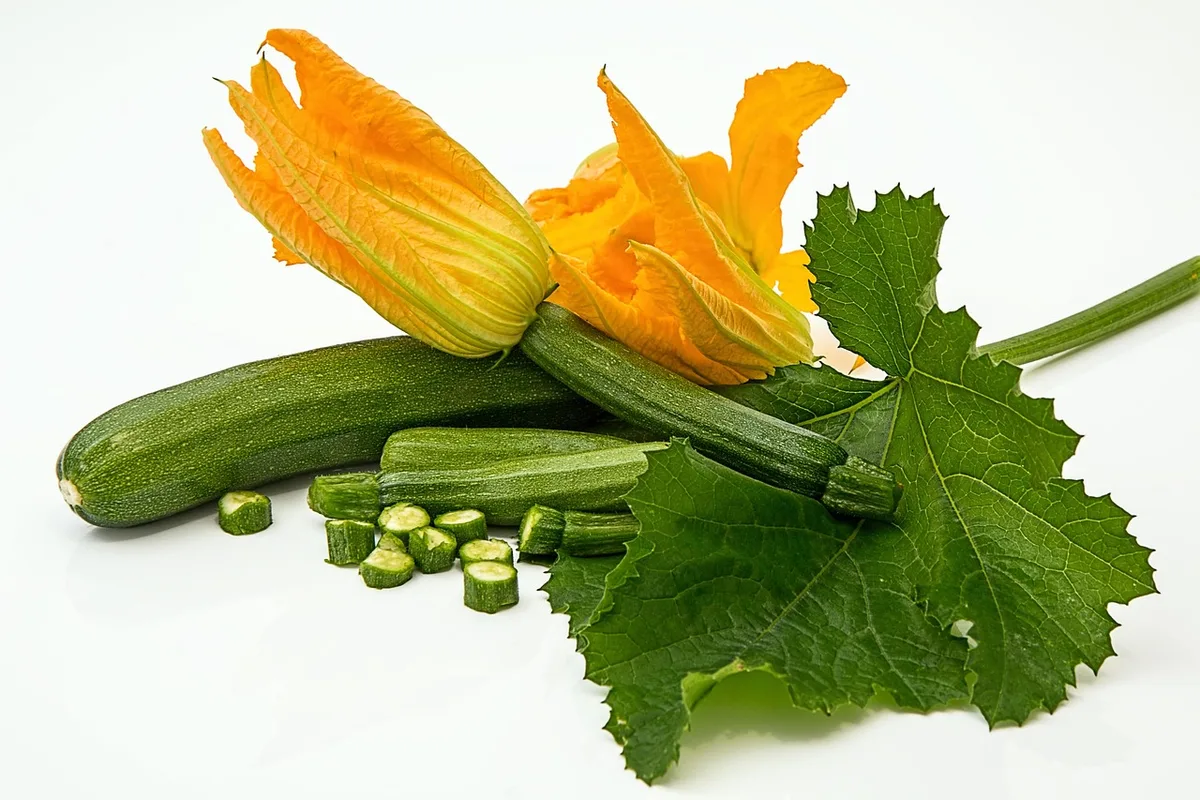
Image source: Pixabay / stevepb (Pixabay Content License)
If your soil moisture is on point and the leaves are still curling, pests are the next thing to seriously consider. Aphids and squash bugs are the two biggest offenders on zucchini, and they cause curling in different ways.
Aphids are tiny, soft-bodied insects that cluster on the undersides of leaves and along new growth. They feed by piercing plant tissue and sucking sap, which causes the leaf to curl, pucker, and distort around the colony. A single adult aphid can produce up to 80 offspring in a week, so populations explode fast.
You'll often notice sticky residue on the leaves too. That's honeydew, the sugary waste aphids excrete, and it can lead to sooty mold.
Squash bugs are larger, about 5/8 inch long, and grayish-brown. They feed near the base of the plant and inject a toxin as they suck sap, which causes leaves to wilt, turn black, and eventually crisp up. Their bronze-colored egg clusters are usually laid in neat patches on leaf undersides, often in a V-shape along a vein.
Image source: Pixabay / stevepb (Pixabay Content License)
What to do about aphids:
- Blast them off with a strong spray of water from the hose. This knocks off a surprising number and disrupts their feeding.
- Apply insecticidal soap or neem oil to the undersides of affected leaves, repeating every 7 to 14 days. Both are approved for organic use.
- Encourage beneficial insects like ladybugs and lacewings. They're voracious aphid predators and will do a lot of the work for you.
What to do about squash bugs:
- Hand-pick adults and drop them into soapy water. It's tedious but effective, especially in smaller gardens.
- Scrape off egg clusters with a piece of duct tape or your fingernail before they hatch.
- Place a board or piece of cardboard near the base of the plant overnight. Squash bugs hide under it in the morning, making them easy to collect.
- Row covers early in the season can prevent adults from laying eggs on young plants. Just remove them when flowers appear so pollinators can get in.
Cause #4: Powdery Mildew and Fungal Issues
Powdery mildew is probably the most recognizable fungal problem on zucchini. It shows up as white or gray powdery spots on leaf surfaces, usually starting on the oldest, lowest leaves. As it spreads, the affected leaves curl upward, turn brown, and die back.
It doesn't usually kill the plant outright, but it weakens it significantly and reduces fruit production.
This fungus thrives in warm days, cool nights, and high humidity. Overcrowded plants with poor air circulation are especially vulnerable. Watering from overhead that wets the foliage also makes it worse.
What to do:
- Remove and dispose of heavily infected leaves. Do not compost them, as the spores can survive and spread.
- Improve air circulation by spacing plants at least 3 feet apart and pruning lower leaves that touch the ground.
- Apply a fungicide labeled for powdery mildew on edibles. Neem oil, potassium bicarbonate, and sulfur-based products are common options. Follow the label's pre-harvest interval carefully.
- Switch to drip irrigation or soaker hoses to keep foliage dry.
Prevention for next season:
Choose mildew-resistant zucchini varieties when available. Mulch around the base of plants to prevent soil splash, which can carry fungal spores up to lower leaves. Water in the morning so any accidental leaf wetness dries quickly.
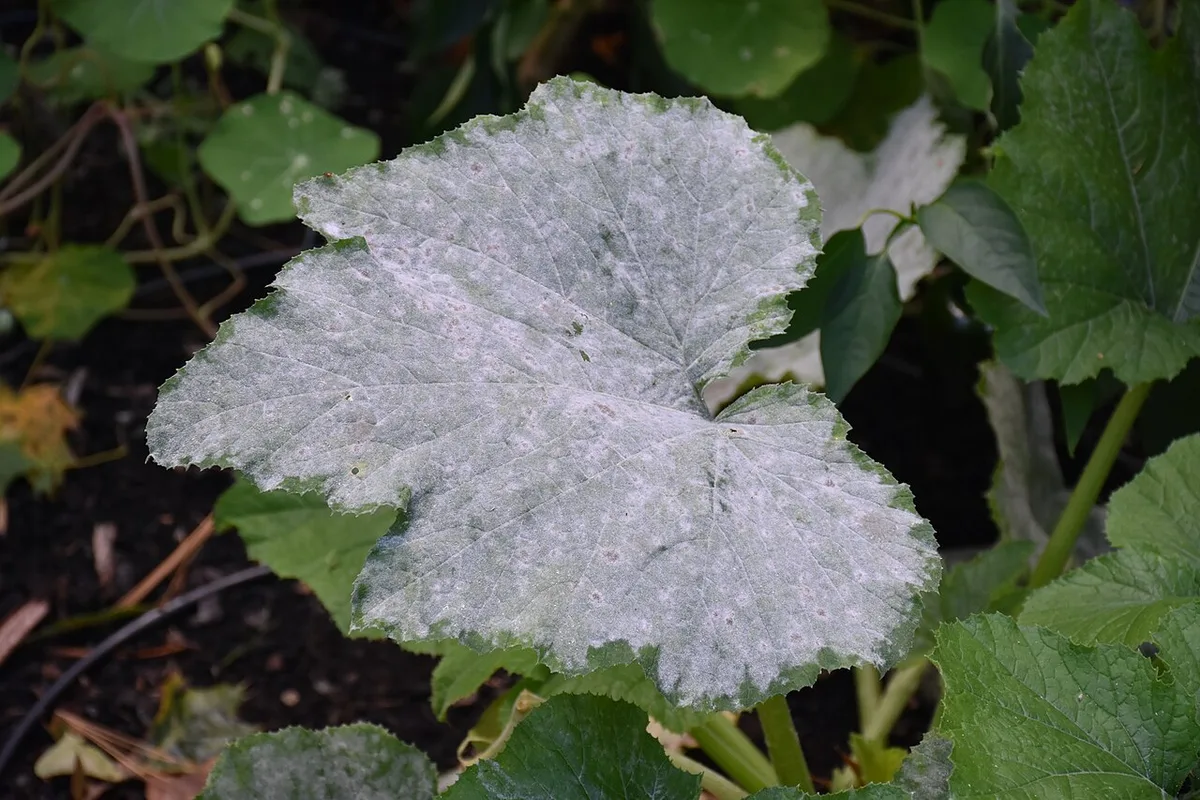
Image source: Wikimedia Commons / Dmitry Brant (CC BY-SA)
Cause #5: Viral Infections and Herbicide Damage
These are the causes nobody wants to hear about because they're the hardest to fix. But they do show up, and it's important to know what they look like so you don't waste time treating for something else.
Cucurbit viruses, including cucurbit leaf crumple virus and cucurbit yellow stunting disorder virus, cause severe leaf curling, crumpling, yellow mosaic patterns, and stunted growth. They're typically spread by aphids or whiteflies feeding on infected plants and then moving to healthy ones. There is no cure for viral infections in plants.
Herbicide drift is more common than most gardeners realize. Growth regulator herbicides like 2,4-D, commonly used on lawns, can drift hundreds of feet on a breeze. Zucchini is extremely sensitive to these chemicals.
Even tiny amounts cause leaves to cup, curl, and become distorted, often within 24 to 48 hours of exposure. New growth is usually the most affected.
What to do about viruses:
- Remove and destroy infected plants immediately. Do not compost them.
- Control aphid and whitefly populations to reduce spread to neighboring plants.
- There is no treatment. The best defense is prevention through pest management and sourcing disease-free transplants.
What to do about herbicide damage:
- If you suspect drift, water the plant well and hope for the best. Mild exposure may allow the plant to outgrow the damage over 2 to 3 weeks.
- Talk to neighbors about what they're applying to their lawns and when. Wind direction and application timing matter enormously.
- In severe cases, the plant may not recover. Remove it and replant if the season is long enough in your area.
How to Fix Each Cause — What Actually Works
Here's a quick reference table that matches each cause to the right response.
| Cause | Key Symptom | First Action | Follow-Up |
|---|---|---|---|
| Heat stress / underwatering | Leaves curl in afternoon, recover at night | Deep water at base, add mulch | Water early morning, shade in extreme heat |
| Overwatering / root rot | Limp, yellowing leaves; soggy soil | Stop watering, let soil dry | Improve drainage, trim dead roots |
| Aphids | Curled, puckered leaves; insects underneath | Spray off with water | Apply neem oil or insecticidal soap |
| Squash bugs | Wilting from base upward; bronze eggs | Hand-pick adults and eggs | Use row covers early next season |
| Powdery mildew | White powder on leaves; curling and browning | Remove infected leaves | Apply fungicide, improve air circulation |
| Virus | Severe crumpling, mosaic patterns, stunting | Remove and destroy plant | Control insect vectors, replant if possible |
| Herbicide drift | Sudden cupping and distortion of new growth | Water well, wait 2 to 3 weeks | Talk to neighbors about lawn chemical use |
The pattern here is straightforward. Diagnose first, then act. Jumping straight to spraying something without knowing the cause is how you waste time, money, and sometimes make the problem worse.
Mistakes That Make Leaf Curl Worse
A few common missteps turn a minor curling issue into a full-blown plant collapse.
Overwatering in response to curling. This is the big one. You see curled leaves, assume the plant is thirsty, and water more. If the real problem is root rot or overwatering, you've just accelerated the damage.
Always check soil moisture before reaching for the hose.
Spraying pesticides without identifying the pest. Broad-spectrum insecticides kill beneficial insects along with the bad ones. If your problem is actually heat stress or a fungal issue, you've just wiped out the ladybugs and lacewings that were keeping aphids in check for free.
Ignoring the undersides of leaves. Almost every pest that causes curling lives or lays eggs on the leaf underside. If you're only looking at the top surface, you're missing the evidence.
Composting infected plant material. Virus-infected plants and severely mildewed leaves should go in the trash, not the compost pile. Fungal spores and viral particles can survive composting and reinfect your garden next year.
Waiting too long to act on pests. Aphid and squash bug populations grow exponentially. A small colony you could have hosed off in two minutes becomes a full infestation in a week. Early intervention is everything.
When to Worry and When to Relax
Not every curled leaf is a crisis. If your zucchini leaves curl during the afternoon heat but open back up by morning, that's completely normal. The plant is managing its water loss, and it's doing a good job of it.
No action needed.
You should start paying closer attention when curling persists through the cool morning hours, when it's accompanied by yellowing or browning, or when new growth comes in distorted. Those are signs that something beyond heat stress is at play.
If the plant is still producing flowers and setting fruit despite some curled leaves, it's probably going to be fine. Zucchini is a vigorous grower. It can lose a significant portion of its foliage and still bounce back with proper care.
Preventing Leaf Curl Next Season
A little planning goes a long way toward avoiding these problems altogether.
- Start with good soil. Work in 2 to 3 inches of compost before planting. Well-draining, nutrient-rich soil prevents both waterlogging and drought stress.
- Mulch from day one. A 2 to 3 inch layer of straw or shredded leaves keeps soil moisture even and reduces soil splash that spreads fungal spores.
- Space plants properly. Give each zucchini plant at least 3 feet of room in all directions. Good airflow is your best defense against powdery mildew.
- Use row covers early. Floating row covers protect young plants from squash bugs and vine borers. Remove them once flowers appear so pollinators can do their job.
- Scout regularly. Walk through your garden every few days and flip a few leaves. Catching aphids or squash bug eggs early takes a fraction of the effort compared to dealing with a full-blown infestation.
- Rotate your crops. Don't plant zucchini or other cucurbits in the same spot year after year. Many pests and diseases overwinter in the soil and attack new plantings.
Frequently Asked Questions
Is it normal for zucchini leaves to curl in the sun?
Yes, to a point. Zucchini leaves often curl upward during hot afternoons as a way to reduce water loss. If they open back up in the evening or early morning, the plant is handling the heat just fine on its own.
Should I cut off curled leaves?
Only if they're dead, heavily mildewed, or completely consumed by pests. Leaves that are curled but still green are still photosynthesizing and helping the plant. Removing healthy green foliage stresses the plant further.
Can a zucchini plant recover from severe leaf curl?
It depends on the cause. Plants stressed by heat or underwatering usually recover within days of proper watering. Pest damage can be stopped and new growth will come in healthy if you act fast.
Viral infections and severe root rot are harder to come back from, and sometimes removal and replanting is the best option.
What does herbicide damage on zucchini look like?
Herbicide drift causes new leaves to cup, curl, and appear twisted or strap-like. The damage usually shows up within 24 to 48 hours of exposure and affects the newest growth most severely. Older leaves may look fine while new growth comes in badly distorted.
How often should I water zucchini to prevent curling?
Most established zucchini plants need a deep watering every 2 to 3 days in warm weather. Container plants may need daily watering in heat. The key is deep, infrequent watering that encourages roots to grow down, not shallow watering that keeps roots near the surface.