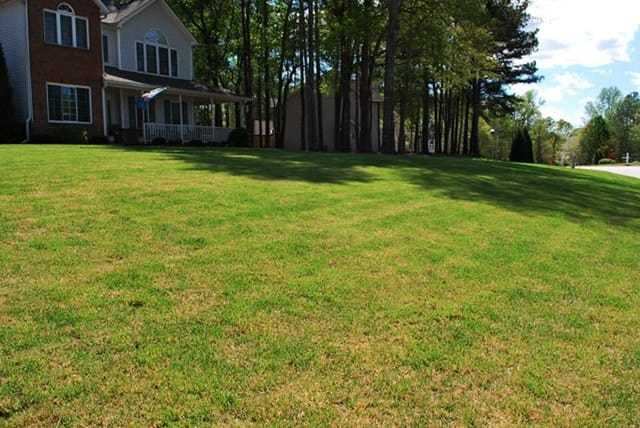
If you’re torn between Zoysia grass and Fescue for your lawn, choosing the right one can transform your outdoor space into a lush, inviting haven. Zoysia offers a dense, drought-tolerant surface that stays green longer through summer, while Fescue provides a cool-season, softer grass that thrives in cooler temperatures. The key is understanding your climate, maintenance preferences, and aesthetic goals to make the best choice.
For most homeowners, Zoysia is ideal if you’re looking for low maintenance, drought resistance, and year-round greenery, especially in warmer regions. Fescue suits cooler climates and those who prefer a softer, more traditional lawn with easier overseeding options. Ultimately, your location and lifestyle will determine which grass type suits your needs better.
Choosing between Zoysia grass and Fescue depends on your local climate and how much effort you want to put into lawn care. Zoysia, with its heat and drought resilience, is perfect for warmer areas and low-maintenance lawns. Fescue, thriving in cooler weather, offers a softer feel but requires more watering and care during summer months. Both grasses have unique benefits, so understanding your environment and preferences will help you make an informed decision for a healthy, beautiful lawn.

Zoysia Grass vs Fescue: Which Turf Is Best for Your Lawn?
Introduction to Zoysia Grass and Fescue
Zoysia grass and fescue are two popular choices for lawns, each offering unique benefits. Understanding their differences helps you choose the right grass for your garden or yard. Both grasses have distinct growth habits, maintenance needs, and appearance.
Growth Habits and Appearance
Zoysia Grass
Zoysia is a warm-season grass that spreads slowly but forms a dense, lush carpet. It has fine to medium texture blades that create a smooth, attractive lawn. During summer, it turns a vibrant green but goes dormant in cooler months.
Fescue
Fescue is a cool-season grass with a fine or medium texture. It tends to grow upright with taller, softer blades. In spring and fall, fescue stays green, but it often browns in hot, dry summer weather unless irrigated well.
Climate Compatibility and Growing Conditions
Zoysia Grass
Zoysia thrives in warm climates, especially in the southern parts of the United States. It prefers full sun but can tolerate some shade. It requires well-drained soil and is sensitive to cold, which limits its growth in northern areas.
Fescue
Fescue is suitable for cooler climates and can tolerate partial shade. It grows best in well-drained, fertile soil and can handle cold temperatures better than zoysia. It often remains green in regions with cooler weather.
Maintenance Requirements
Zoysia Grass
Zoysia needs less mowing compared to fescue, typically once a week during peak growth. It requires less frequent watering once established but benefits from occasional fertilization. It also resists weeds and pests well, reducing overall maintenance.
Fescue
Fescue needs regular mowing, sometimes twice weekly during active growth. It requires consistent watering, especially during dry periods, and needs periodic fertilization to maintain its lush appearance. This grass is more prone to weeds without proper care.
Watering and Drought Tolerance
Zoysia Grass
One of zoysia’s key advantages is its drought tolerance. Once established, it can survive with less water, making it ideal for areas with water restrictions. Its deep roots help it stay green longer without frequent watering.
Fescue
Fescue requires more frequent watering, especially in hot, dry weather. Without adequate moisture, it can turn brown and become patchy. However, it recovers quickly with regular irrigation.
Shade Tolerance and Sunlight Needs
Zoysia Grass
Zoysia prefers full sun but can tolerate some shade. Its growth slows down in shaded areas, which might result in less dense turf. For best results, plant zoysia where sunlight is ample.
Fescue
Fescue is more shade-tolerant than zoysia, making it a good choice for yards with lots of trees or shaded spots. It still needs some sunlight to remain healthy and green.
Soil Preferences and pH Levels
Zoysia Grass
Zoysia prefers well-drained soils with a pH level between 5.5 and 6.5. It does best in loamy or sandy soils that drain well, avoiding areas prone to waterlogging.
Fescue
Fescue adapts well to a broader range of soil types but prefers fertile, slightly acidic to neutral soils with pH between 6.0 and 7.0. Good soil drainage helps prevent disease problems.
Diseases and Pest Resistance
Zoysia Grass
Zoysia offers good resistance to many common lawn pests and diseases, including winter fungi. Its dense growth habit also helps prevent weed invasion.
Fescue
Fescue can be prone to fungal diseases such as brown patch and dollar spot, especially in humid conditions. Regular lawn care helps reduce these issues, but it is generally less pest-resistant than zoysia.
Cost and Establishment Time
Zoysia Grass
Zoysia tends to be more expensive initially because it is often established through sod or plugs. It establishes slowly, taking 2 to 3 years to form a dense lawn.
Fescue
Fescue seed is more affordable and easy to plant. It germinates quickly, usually within 7 to 14 days, allowing for faster lawn establishment compared to zoysia.
Environmental Impact and Sustainability
Zoysia Grass
Due to its low water and fertilizer needs, zoysia is considered environmentally friendly. Its drought tolerance reduces water consumption and runoff.
Fescue
Fescue requires more water and fertilizer, which can impact the environment if not managed properly. However, its adaptability allows it to thrive without heavy inputs in cooler climates.
Summary Table: Zoysia Grass vs Fescue
| Feature | Zoysia Grass | Fescue |
|---|---|---|
| Climate | Warm season | Cool season |
| Sunlight | Full sun, some shade | Partial shade, full sun |
| Water needs | Low once established | Moderate to high |
| Maintenance | Low to moderate | Moderate to high |
| Growth rate | Slow | Fast |
| Establishment time | 2 to 3 years | Few weeks to months |
| Cost | Higher | Lower |
| Disease resistance | Good | Variable, susceptible to fungal diseases |
Which Is Better for Your Lawn?
Choosing between zoysia and fescue depends on your climate, the amount of upkeep you’re willing to do, and your water resources. If you live in warmer areas and want a low-maintenance yard, zoysia might be your best choice. For cooler regions and shaded spots, fescue can provide a lush, green lawn with proper care.
Additional Topics to Consider
Combining Grasses for a Year-Round Green Yard
Some homeowners choose to mix zoysia and fescue to enjoy the benefits of both grasses. This can create a lawn that stays green longer and withstands various weather conditions better.
Tips for Lawn Care and Maintenance
Proper fertilization, watering, mowing, and disease control are crucial whether you choose zoysia or fescue. Regular lawn care helps keep your turf healthy and attractive.
Addressing Common Lawn Problems
Issues like weeds, pests, or bare patches can happen with either grass. Identifying the problem early and applying the right treatment keeps your lawn looking its best.
Choosing between zoysia grass and fescue involves evaluating your climate, maintenance preferences, and yard conditions. Both grasses can provide a beautiful, functional lawn when cared for properly, making your outdoor space welcoming and enjoyable.
Frequently Asked Questions
What are the differences in maintenance requirements between zoysia grass and fescue?
Zoysia grass generally requires less frequent mowing and watering once established, as it is more drought-tolerant and grows slowly. Fescue, on the other hand, needs more regular watering, mowing, and fertilization to stay healthy, especially during hot or dry periods. Maintaining zoysia involves less intervention, making it suitable for homeowners seeking lower upkeep, whereas fescue demands more routine care to maintain its lush appearance.
How do zoysia grass and fescue perform in different climates?
Zoysia adapts well to warm and humid climates, thriving in areas with higher temperatures and moderate winters. It remains green and dense throughout the season. Fescue prefers cooler temperatures and can tolerate colder climates better, although it might struggle during extreme heat or drought conditions. Choosing between them depends on your local climate, as each grass type performs best within specific environmental conditions.
Which grass type offers better resistance to pests and diseases?
Zoysia grass tends to resist many pests and diseases more effectively due to its dense growth habit, which limits pests’ access and reduces disease spread. Fescue can be more susceptible to issues like fungal infections or insect infestations if not properly maintained. Proper lawn care practices further enhance the natural resilience of both grasses, but zoysia’s inherent resistance gives it an advantage in many situations.
Final Thoughts
Zoysia grass and fescue each offer unique benefits for lawn enthusiasts. Zoysia thrives in heat, requiring less water and mowing, making it ideal for warm climates. Fescue, on the other hand, performs well in cooler weather and provides a lush, soft turf.
Choosing between them depends on your climate and maintenance preferences. Zoysia grass vs fescue highlights the importance of selecting a turf that suits your environment and lifestyle needs.